Can You Freeze Cooked Rice and Reheat It? A Complete How-To Guide

November 1, 2026
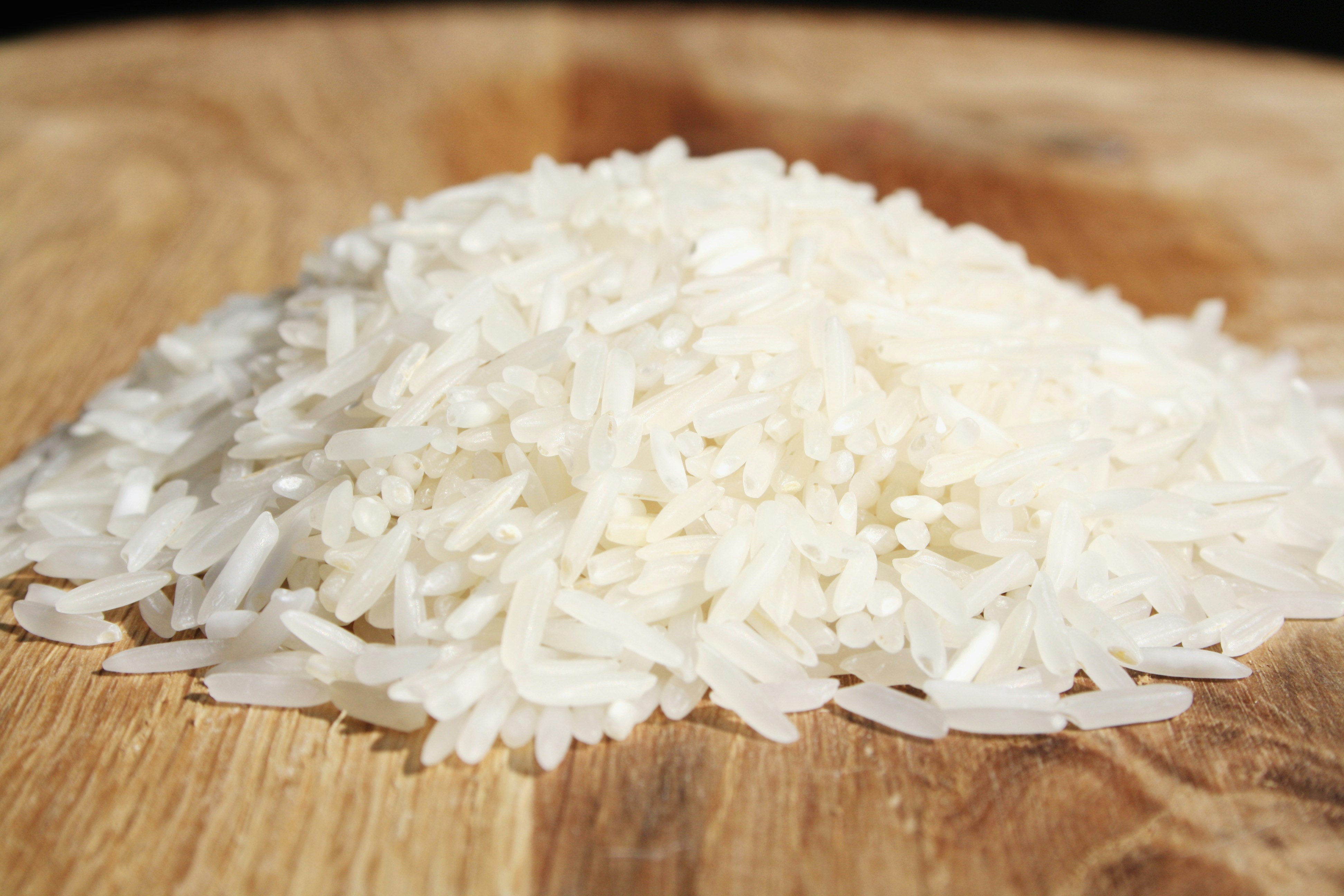
If you cook rice regularly, you have almost certainly ended up with more than you need. The good news is that cooked rice is one of the most freezer-friendly staples in any American kitchen, and doing it right is simpler than most people think.
Whether you are batch-cooking for the week, saving takeout leftovers, or just trying to cut down on food waste, freezing cooked rice lets you have a ready-made side dish or meal base on hand at any time. This guide walks you through every step — from safe cooling to reheating — so you always get great results.
Can You Freeze Cooked Rice?
Yes, you can freeze cooked rice. You can do it without risking food poisoning, as long as you follow the proper steps. The key is how you handle the rice before it ever goes into the freezer.
All varieties of rice freeze well. Shorter types of rice, including arborio and sushi rice, retain their texture a bit better, while longer-grained varieties such as jasmine and basmati tend to dry out a bit. Chewy, nutty brown rice freezes well too, keeping its hearty texture even after a couple of months.
You can freeze rice that has other ingredients mixed in, including veggies or meat. Fried rice is an excellent example. The same approach works for rice pilaf, burrito bowls, or any other mixed rice dish you might prep ahead.
Pro Tip: The next time you cook rice for dinner, make a double batch with the intention of freezing half. You get two meals for the effort of one.
Does Freezing Change the Texture or Taste of Cooked Rice?
Freezing does affect texture to some degree, but the change is manageable when you handle the rice correctly. Rice is a grain composed mainly of starch granules. When it is cooked, those starch granules absorb water, swell, and partially gelatinize, creating the tender texture associated with freshly cooked rice.
Rice freezes well because of its relatively low moisture content once cooked and cooled, but the final texture depends almost entirely on how it is handled before freezing and how it is reheated afterward. If you rush the cooling step or skip the moisture when reheating, the rice can turn out dry or gummy.
Cook rice just until tender, and avoid overcooking, since rice will soften slightly when reheated. Starting with slightly firmer rice gives you a better end result after the freeze-thaw cycle. When reheated, frozen rice tends to dry out quickly, so use it immediately, and reheating with a tablespoon or two of water or with added vegetables will help provide moisture.
How to Freeze Cooked Rice the Right Way
The most important rule: get the rice into the freezer quickly. Rice can contain a bacteria called Bacillus cereus, which can survive the cooking process and may lead to food poisoning. Since the bacteria thrive at room temperature, cooling rice as soon as possible after cooking is the safest policy.
The danger zone temperatures where bacteria can grow and multiply range between 40°F and 140°F. After cooking rice, you should refrigerate it within 2 hours, according to the USDA’s Food Safety and Inspection Service — and that window drops to 1 hour if the rice has been sitting out at 90°F or above.
Here is the step-by-step process:
- Spread it out. After cooking, spread rice out on a baking sheet or large tray to allow steam to escape rapidly. Cooling rice quickly reduces condensation, which minimizes ice crystal size and prevents sogginess. Leave it uncovered at room temperature for 15–25 minutes, until it has fully stopped steaming and is just warm to the touch.
- Portion it. When the rice has cooled completely, portion it out into resealable plastic freezer bags or airtight containers. You can freeze a batch in one container, but it is handy to freeze individual servings (about ½ cup of cooked rice) so you only have to thaw as much as you need.
- Remove the air. Press out excess air from zip bags before sealing. Air exposure dries out rice, causes freezer burn, and oxidizes flavor. If using bags, flatten them gently into thin rectangles so they stack and freeze quickly.
- Label everything. Write the date, rice type, and portion size on each bag or container. This improves food safety, organization, and long-term planning.
- Freeze flat. Transfer cooled rice into freezer-safe, airtight bags or containers. Stack flattened bags to save freezer space and speed up thawing.
Pro Tip: Glass containers block air and moisture migration most effectively for maintaining flavor, but flat zip bags freeze faster and take up less space — both are solid options depending on your freezer setup.
How Long Can You Freeze Cooked Rice?
Cooked rice will keep in the refrigerator for three to four days or in the freezer for one to two months. For best quality, aim to use it within that window.
Some sources put the outer limit higher. While some sources suggest you can freeze cooked rice for up to six months without it becoming unsafe to eat, the quality diminishes over time. For dishes like rice casseroles, a shorter time frame of up to three months is recommended to maintain the best texture and flavor.
Stored properly, frozen rice lasts for up to three months in the freezer. Any longer than that will lead to dried-out, flavorless rice, and it may also become unsafe to eat if it is not stored in an airtight container.
| Storage Method | How Long It Lasts | Quality Notes |
|---|---|---|
| Room temperature | 2 hours max (1 hour above 90°F) | Discard after this window |
| Refrigerator | 3–4 days | Good for quick use |
| Freezer (optimal) | 1–2 months | Best texture and flavor |
| Freezer (maximum) | Up to 3 months | Quality declines; still safe if airtight |
How to Thaw Frozen Cooked Rice
You actually have more options here than most people realize, and one of the best methods skips thawing entirely.
Straight from the freezer (recommended): For the best texture, reheat rice straight from the freezer — no thawing needed. Sprinkle with a tablespoon of water, cover, and microwave until hot. You can also steam it in a saucepan over low heat.
Refrigerator thawing: Safe ways to thaw leftovers include the refrigerator, cold water, and the microwave. Refrigerator thawing takes the longest but the leftovers stay safe the entire time. Move the frozen rice to the fridge the night before you plan to use it.
Microwave thawing: Microwave thawing is the fastest method. When thawing leftovers in a microwave, continue to heat it until it reaches 165°F as measured with a food thermometer.
Before eating, you should defrost your rice in the fridge and then reheat it until it is steaming hot before eating immediately. Do not let thawed rice sit at room temperature for an extended period before reheating.
Important Note: Once thawed, microbes that were inactivated by freezing can again become active and multiply under the right conditions. Handle thawed rice as you would any perishable food.
Can You Refreeze Cooked Rice After Thawing?
This is one of the most common questions about frozen rice, and the answer depends on how you thawed it. For rice specifically, the general food safety guidance is to avoid refreezing once thawed, because of the Bacillus cereus risk that is unique to cooked grains.
It is best to only reheat frozen rice once. Avoid refreezing or reheating it again, as this can create conditions for bacteria growth. Any leftovers after reheating should be discarded to ensure safety.
The USDA does offer broader guidance on refreezing cooked foods: if previously cooked foods are thawed in the refrigerator, you may refreeze the unused portion. Freeze leftovers within 3–4 days. Do not refreeze any foods left outside the refrigerator longer than 2 hours — or 1 hour in temperatures above 90°F.
The safest practical approach for rice is to portion it into single-use servings before freezing, so you never need to refreeze. Check out this guide on how many times you can reheat food for broader guidance on reheating food safely.
How to Use Frozen Cooked Rice (Best Uses After Freezing)
Frozen rice is incredibly versatile, and in many dishes you will not notice any difference from freshly cooked rice. Keeping a stash of rice in your freezer means you can pull together fried rice, burrito bowls, soups, and more — without waiting on a pot to cook.
Here are the best ways to put frozen rice to work:
- Fried rice: Day-old or frozen rice is actually preferred for fried rice because it is drier and less sticky, which means it fries up rather than steaming into a clump. Thaw it just enough to break it apart, then toss it straight into a hot pan.
- Soups and stews: Drop frozen rice directly into simmering broth. It thaws and heats in just a few minutes without any extra prep.
- Burrito bowls and grain bowls: Reheat a portion in the microwave with a splash of water, then load it up with your toppings of choice — beans, grilled chicken, roasted vegetables, or avocado.
- Rice casseroles: Place the frozen rice in a covered casserole dish, sprinkle it with a bit of water, and heat it in the oven at 300°F for 30 to 40 minutes. This method works particularly well for rice casseroles that include other ingredients.
- Side dishes: Reheat in the microwave with a tablespoon of broth instead of water for extra flavor, then serve alongside grilled protein or roasted vegetables.
Rice pairs well with a wide range of heart-healthy foods, making it a smart base for nutritious weeknight meals. If you enjoy plant-forward eating, frozen rice also works beautifully in whole plant-based food dishes like lentil bowls or vegetable stir-fries.
Signs That Frozen Cooked Rice Has Gone Bad
Frozen rice does not last forever, and certain signs tell you it is time to throw it out rather than risk a meal gone wrong.
Off smell: Unlike freshly cooked rice, which has almost no odor, expired rice may have an unpleasant, foul, or strange smell. Trust your nose here — if it smells sour, musty, or just wrong, discard it.
Visible mold: Any fuzzy growth, discoloration, or dark spots on the rice are a clear sign it has spoiled. Never eat rice that was improperly stored or shows signs of spoilage, even if it is within date.
Freezer burn: Air exposure dries out rice, causes freezer burn, and oxidizes flavor. Freezer-burned rice develops white, dried-out patches and a stale taste. It is technically safe to eat but the quality is poor enough that most people choose to toss it.
Unusual texture after reheating: Rice that has been stored too long or improperly may turn excessively hard, gummy, or slimy after reheating. These are signs that the starch structure has broken down beyond recovery.
Exceeded storage time: If room temperature is under 90°F, refrigerate or freeze rice within 2 hours from originally cooking. Only reheat rice once, heating it evenly to an internal temperature of 165°F until it is hot and steaming. Rice that was left out too long before freezing, or that has been in the freezer for more than three months, should be discarded even if it looks fine.
Important Note: You cannot always smell or see the bacteria that cause food poisoning in rice. When in doubt, throw it out — food safety is not worth the risk.
Proper food storage habits apply to far more than just rice. Learning which foods to avoid and which nutrients to prioritize can make a real difference in your overall diet. For more on smart food choices, see our guide to foods that support liver function.
Frequently Asked Questions
Can You Freeze Rice That Has Been Mixed With Other Ingredients?
Yes. You can freeze rice that has other ingredients mixed in, including veggies or meat. Just make sure any proteins like chicken or shrimp were also handled safely before being mixed in and frozen together.
How Do You Reheat Frozen Rice in the Microwave?
Transfer your frozen rice to a microwave-safe bowl, add a few teaspoons of water, and cover the bowl with a loose-fitting lid or plate. Microwave on high for one to three minutes until the rice is completely heated through and piping hot. Stir halfway through to ensure even heating.
Is It Safe to Eat Frozen Rice That Has Been in the Freezer for Six Months?
Some sources suggest that you can freeze cooked rice for up to six months without it becoming unsafe to eat, but the quality diminishes over time. For the best eating experience, use frozen rice within one to two months. Beyond three months, quality drops noticeably regardless of safety.
Can You Freeze Takeout Rice?
Yes, but timing matters. Extra care should be taken with takeout rice. Ideally, takeout rice should be eaten shortly after purchase or shortly after it has been delivered, because some food businesses may pre-cook their rice and then reheat it before it is given to customers. If the rice has already been reheated once at the restaurant, you should eat it rather than freeze and reheat it again.
Does the Type of Rice Affect How Well It Freezes?
All varieties of rice freeze well. Shorter types like arborio or sushi rice retain their texture a bit better, while longer-grained varieties such as jasmine and basmati tend to dry out a bit — so reheat them with extra water or broth, or simply freeze them for a shorter time.
Can You Freeze Rice Cooker Rice?
Yes. Rice cooked in a rice cooker freezes just as well as stovetop rice. The same rules apply: spread it out to cool quickly, portion it into airtight containers or bags, and get it into the freezer within two hours of cooking. Do not leave rice sitting in the rice cooker on the warm setting for hours before freezing, as that time in the temperature danger zone can allow bacteria to multiply.
For more food storage tips and guides, explore our articles on freezing fresh zucchini and foods that support healthy skin. You can also browse our guides to traditional Greek foods and traditional Pakistani food for rice-based recipe inspiration from around the world.