Can You Freeze Whole Avocados? What Actually Happens and How to Do It Right

October 31, 2026
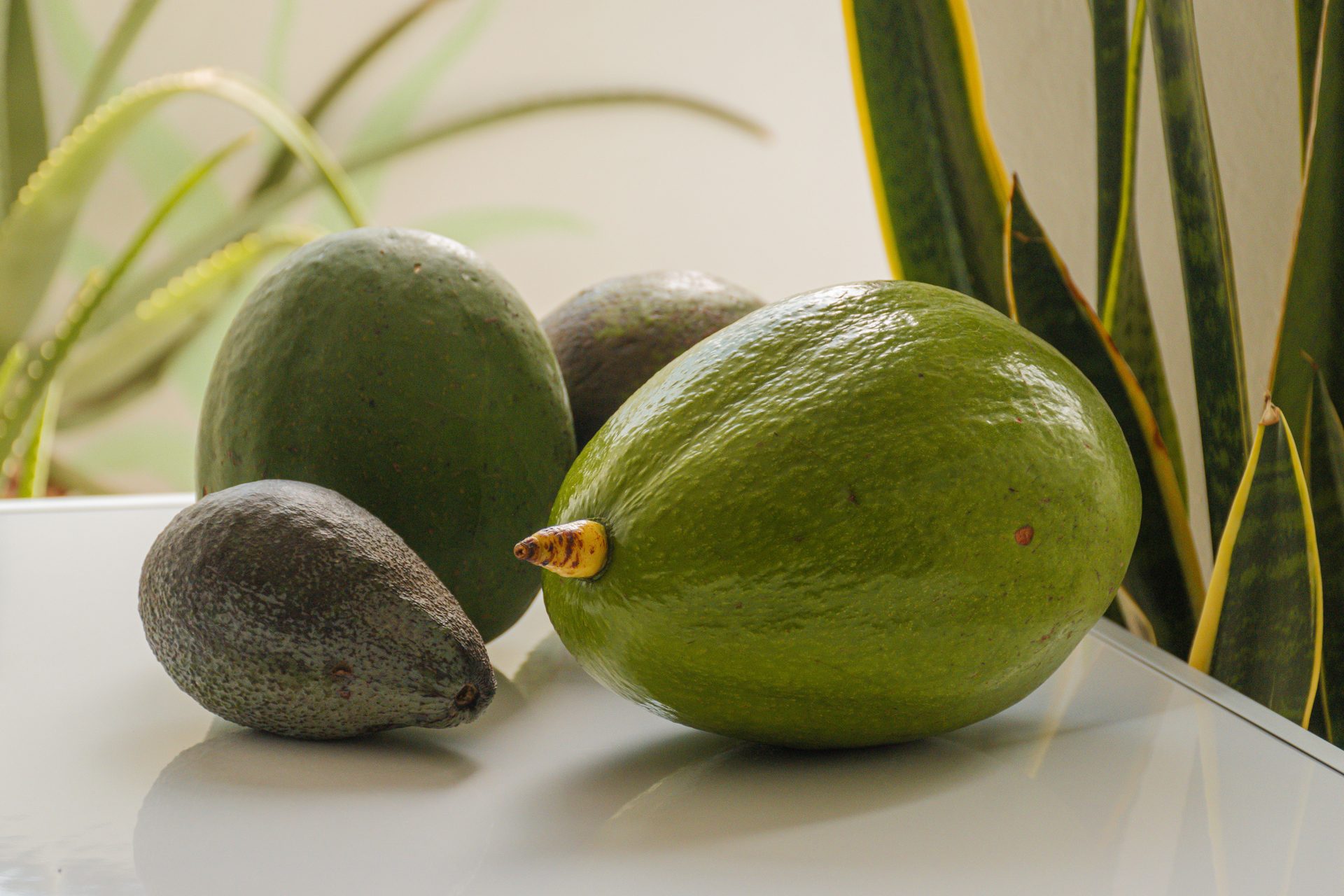
Avocados have one of the most frustrating ripeness windows of any fruit. One day they’re rock hard, and the next they’re already turning to mush — and that window of perfection can last less than 48 hours. If you’ve ever bought a bag of avocados on sale and watched half of them go bad before you could use them, you’ve probably wondered whether the freezer could save the day.
The good news: yes, you can freeze whole avocados. The honest news: the results come with real trade-offs you should know about before you toss a dozen avocados in the freezer and expect them to come out the same way they went in. This guide covers every step — from how to freeze them correctly, to how long they last, to what you can realistically make with them after thawing.
Can You Freeze Whole Avocados?
The short answer is yes — you can freeze avocados by simply placing whole, uncut avocados in the freezer. Ripe, fresh avocados are optimal for taste and texture, but when you find yourself with too many ripe avocados and don’t want them to go to waste, freezing them is a reasonable option.
That said, freezing whole avocados is widely considered the most convenient method, not the best one. Freezing whole avocados with the skin on is the easiest method but produces the worst result. The skin protects the flesh from air during freezing, but the cell wall damage from ice crystal formation happens regardless. If your only goal is to toss them into a blender later, whole freezing works just fine. If you want more flexibility, mashing or halving before freezing gives you better results.
Avocados are also a whole plant-based food packed with healthy monounsaturated fats, fiber, and folate — all of which are largely preserved through freezing, making it worth doing right.
Pro Tip: Only freeze avocados that are already at peak ripeness — slightly soft but not mushy. Freezing an unripe avocado won’t help it ripen; it will simply stay hard and never develop proper flavor or texture.
Does Freezing Change the Texture or Taste of Whole Avocados?
Yes, and it’s worth being upfront about this. Ice crystals that form during freezing rupture cell walls, changing the firm, creamy texture to something mushier. This doesn’t matter much in smoothies or guacamole, but it’s not ideal for dishes where you’d slice fresh avocado.
The flavor, texture, and color of the avocado will change in the freezer. The avocado will turn slightly grey-brown and become mushier. You won’t want to slice frozen, thawed avocados onto salads or toast — but there are some other good uses.
On the flavor side, the news is a bit better. Freezing itself doesn’t significantly affect flavor, though various processing methods might. If you use lemon juice to prevent browning, it may change the taste slightly — but this flavor won’t be as pronounced if you’re mixing the avocado into a dip like guacamole.
There is also a minor nutritional consideration. Freezing itself does not significantly affect the calorie, fiber, or mineral content of foods, but it may reduce levels of water-soluble vitamins, such as vitamin C. No research has analyzed exactly how much nutrient loss occurs from freezing avocados, but you should expect some losses — particularly with extended storage times.
How to Freeze Whole Avocados the Right Way
There are three main methods for freezing avocados at home. Each suits a different end use, so choose based on what you plan to make after thawing.
Method 1: Freeze Them Whole
To freeze whole avocados, rinse the outer skin thoroughly, then dry and wrap each one in plastic wrap. Next, place the wrapped avocados in a freezer-friendly plastic or reusable silicone bag, seal it, and store in the freezer. This method takes about 60 seconds per avocado and is best if you’re in a hurry or haven’t decided how you’ll use them yet.
Method 2: Freeze Halves or Slices
If you have a few extra minutes, halving or slicing before freezing gives you more flexibility. Cut the avocado in half, remove the pit, and brush the exposed flesh with lemon or lime juice. You can cut it into smaller chunks if desired. Brush or spray the exposed avocado flesh with a little lemon juice to help prevent browning, then wrap it in plastic wrap or place it in a resealable bag. If you have a vacuum sealer, you can use it instead. It’s important to leave as little air as possible touching the flesh to prevent browning and freezer burn.
For slices, drizzle lemon or lime juice on the slices before you freeze. You can place them on a baking sheet and freeze for about 30 minutes to get them firm before transferring to a bag. This flash-freeze step keeps the slices from clumping together.
Method 3: Freeze Mashed Avocado (Recommended)
The most successful way to freeze avocado is to mash it first with some lemon juice. Start with perfectly fresh, pitted avocados. Scoop the insides into a mixing bowl and top with freshly squeezed lemon juice. Mash to a uniform consistency with a fork or potato masher. Scoop the mashed fruit into a resealable freezer bag and press into an even layer. Squeeze out as much air as possible, then seal and freeze.
Label and date the bags and freeze at 0°F (-18°C). This is the step most people skip, but it matters — especially if you’re storing multiple batches at different times.
Pro Tip: If you’re planning to use frozen avocado for smoothies, freeze mashed avocado in an ice cube tray first, then transfer the cubes to a freezer bag. You can drop individual cubes directly into the blender without thawing.
How Long Can You Freeze Whole Avocados?
Storage timelines vary depending on the method you use and how well you’ve sealed out air. Here’s a practical breakdown:
| Freezing Method | Recommended Storage Time | Notes |
|---|---|---|
| Whole (skin on) | Up to 3 months | Best quality in first 4–6 weeks |
| Halves or slices | 3–4 months | Use vacuum sealer for best results |
| Mashed / pureed | 3–6 months (up to 12 months safe) | Peak flavor within first 3 months |
| Vacuum-sealed guacamole | Up to 8 months | Skip tomato, onion, and herbs until serving |
The NCHFP — the USDA-backed authority on home food preservation — recommends using frozen pureed avocado within 12 months. The Hass Avocado Board takes a more conservative position, recommending one month for best flavor on sliced and mashed avocado. The practical gap between these figures reflects the difference between food safety (12 months is the outer quality window) and peak eating quality (one month is when it tastes best).
For most home cooks, aiming to use frozen avocado within three months gives you peak quality. Beyond that, it’s still safe to eat but the flavor and texture will have degraded noticeably.
How to Thaw Frozen Whole Avocados
How you thaw a frozen avocado matters as much as how you froze it. The method you choose affects both texture and browning.
Refrigerator thawing (best method): Simply transfer the portion you need from the freezer to the refrigerator, where the avocado can thaw overnight. This slow, cold thaw minimizes additional texture breakdown and gives you the most control over timing.
Room temperature thawing: Once you’re ready to use your frozen avocado, you can remove it from the freezer and thaw it at room temperature. Thawing generally takes about 1 hour at room temperature.
For whole frozen avocados specifically: Rinse the whole frozen avocado under cool water and dry it off. Let it sit on the counter to thaw (about 30 minutes). Then peel the avocado, remove the pit, and use immediately.
Make sure to use it immediately once thawed, as it can get mushy and turn brown if left for too long. Thawed avocado does not hold well in the refrigerator — plan to use it the same day.
Important Note: Never refreeze a whole thawed avocado. The cell walls have already been damaged once by ice crystal formation. A second freeze-thaw cycle pushes the texture past the point of usability in most recipes.
Can You Refreeze Whole Avocados After Thawing?
Refreezing thawed avocado is not recommended. As avocados defrost, they may turn mushy from the excess water content, so aim to use them on the day you thaw them out. Putting that already-softened flesh back in the freezer creates a second round of ice crystal damage, leaving you with a watery, gray, nearly unusable result.
The one exception: if you thaw mashed avocado and immediately cook it into something — like a baked avocado dish or a sauce — the finished dish can then be frozen safely as a cooked preparation. But thawed raw avocado going back into the freezer on its own is a waste of what was already a compromised product.
To avoid this situation, freeze in portion sizes that match how you cook. Individual smoothie cubes, single-serving mashed portions in small bags, or half-avocado quantities are all smarter than freezing a large batch you’ll have to thaw all at once. Avocados are rich in heart-healthy nutrients, so it’s worth preserving as much of their quality as possible.
How to Use Frozen Whole Avocados (Best Uses After Freezing)
The texture change that happens during freezing actually opens up certain uses while closing off others. Think of thawed avocado as a different ingredient — one that works best when blended, mashed, or mixed into something else.
Great Uses for Thawed Avocado
- Smoothies: A fantastic way to use frozen, thawed avocado is to blend it into any sort of smoothie. It brings its creamy texture and nutritious boost to the beverage. You can even skip thawing entirely and drop frozen avocado cubes directly into the blender.
- Guacamole: Thawed avocado is most suitable for salad dressings, smoothies, and other dishes like guacamole, dips, and spreads. The mashing process disguises any texture change completely.
- Avocado dressings: Avocado is a healthy ingredient that adds a creamy texture to salad dressings. Blend it with olive oil, lemon juice, red wine vinegar, and garlic in a blender or food processor, and season with salt and pepper to taste. Thin the dressing with a little cool water as needed.
- Baked goods: Mashed avocado works as a butter substitute in muffins, brownies, and quick breads. The fat content and creamy consistency carry over well even after freezing.
- Baby food: Puréed avocado also makes an excellent baby food. Blend the avocados with a little water to your preferred consistency, then transfer to ice cube trays for easy portions.
Uses to Avoid
- Avocado toast: You wouldn’t want to turn frozen avocado into avocado toast — there, avocado needs to be the star of the show.
- Fresh salads or grain bowls: The mushy, discolored flesh won’t hold up as a topping where appearance and texture both matter.
- Sliced garnishes or sushi rolls: Any application requiring clean, firm slices is off the table after freezing.
Avocados pair especially well with other skin-supporting foods and are a staple in many health-focused recipes. Keeping a frozen stash means you can add them to smoothies and dips year-round without worrying about the ripeness window.
Signs That Frozen Whole Avocados Have Gone Bad
Some texture and color change is completely normal in frozen avocados — but there’s a difference between expected post-freeze changes and actual spoilage. Knowing which is which saves you from throwing out perfectly usable fruit or, worse, eating something that’s gone off.
Normal after freezing (not spoilage):
- Grey-brown color on the flesh surface
- Softer, mushier texture than fresh
- Slight wateriness after thawing
Actual spoilage signs to watch for:
- Sour or rancid smell: Fresh avocado has a mild, clean, slightly grassy or nutty smell. Any sour, rancid, or off odor means discard.
- Mold near the stem or on the skin: Mold at the stem end can penetrate into the flesh below. If you see mold anywhere on the outside, cut the avocado open and check the flesh around the stem carefully. Any grey or dark discoloration in the flesh near the mold means discard the whole fruit.
- Slimy texture: If the avocado’s flesh starts to feel slimy or slippery, throw it out.
- Liquid pooling inside: If the avocado produces liquid when cut, the flesh has broken down past the point of use. Discard.
- Bitter or off taste: If you notice a bitter, rancid, or off flavor when tasting, discard it.
- Widespread black or stringy flesh: When the flesh is grey or black all the way through, when it has a stringy or fibrous texture that was not there before, or when it smells sour or off, the avocado has genuinely spoiled.
When in doubt, apply the simple test: if the flesh underneath is still green, creamy, and smells clean, use it. If the brown goes all the way through or the flesh is grey, stringy, or foul-smelling, discard it.
If you’re interested in other foods that support long-term health, take a look at powerful nutrients and foods that fight cancer or learn about foods that enhance liver function — avocados show up in both categories.
Frequently Asked Questions
Can you freeze avocados with the skin on?
Yes. Freezing avocados with the skin on makes it a lot easier to freeze them. The skin acts as a natural barrier against air during the freezing process. Just rinse, dry, wrap in plastic wrap, place in a freezer bag, and freeze. The skin peels off easily once thawed.
Do you need to add lemon juice before freezing?
For whole avocados, no — the skin handles air protection during freezing. But for halves, slices, or mashed avocado, yes. The cold temperature stops polyphenol oxidase enzymes from reacting with oxygen. Adding lemon juice (which contains citric acid) creates a double barrier by lowering pH and coating the surface. This significantly slows browning after thawing.
Can you freeze store-bought guacamole?
You can, but results vary. If making guacamole to freeze, add lemon or lime juice and any other seasonings — but avoid adding other produce like tomato or onion at this stage, as these tend to release water during thawing. Store-bought guacamole may already contain those ingredients, so the texture after thawing is less predictable.
Can you freeze avocados that are not yet ripe?
If you freeze unripe avocados, they will stay hard and not ripen. The freezer halts all ripening activity. Always wait until the avocado has reached peak ripeness — slightly soft with a little give under gentle palm pressure — before freezing.
How do you know if a frozen avocado is still good?
After thawing, check the smell first. A fresh avocado has a mild, nutty scent. A sour, chemical, or fermented odor signals it has gone bad. Then check the color and texture. Surface browning is normal. Grey, slimy, or stringy flesh throughout is not — discard at that point.
Is frozen avocado as nutritious as fresh?
Freezing avocado may help you reduce food waste and keep this fruit on hand throughout the year. While most nutrients are preserved during freezing, the flesh tends to become mushy and may brown during storage or thawing. The calorie, fiber, and mineral content stay essentially the same; some water-soluble vitamins may decline with longer storage. For recipes where avocado gets blended anyway, frozen is a practical and nutritious choice. You can also explore fibroid-healing foods and foods that promote healthy eyesight for more ways avocados and similar whole foods fit into a balanced diet.