
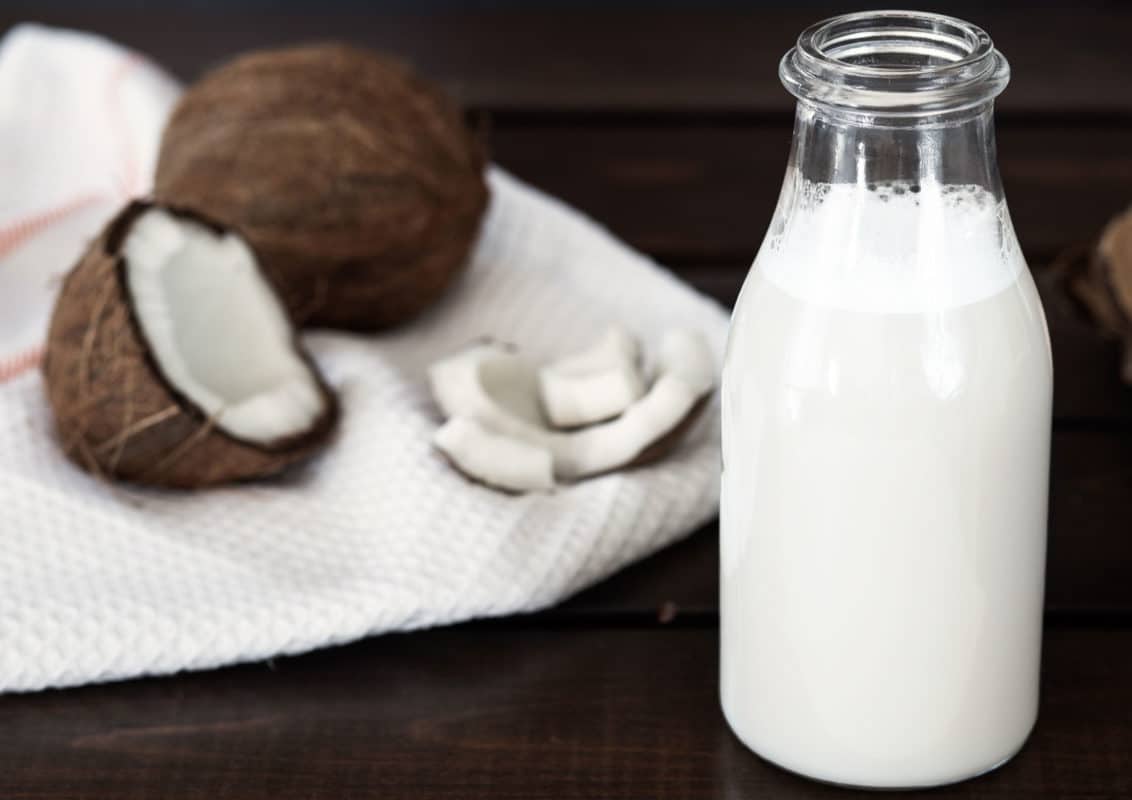
Coconut milk is one of those pantry staples that rarely gets used up all at once. Whether you cracked open a can for a Thai curry, a creamy soup, or a batch of smoothies, you’re often left with half a can sitting in the fridge — and a quiet worry about whether it’ll go bad before you need it again.
The good news: you absolutely can freeze coconut milk. Freezing extends its shelf life, though it does cause significant separation of fat and water that changes the texture. That’s not a dealbreaker — it just means knowing the right technique before you toss it in the freezer. This guide walks you through everything, from proper storage methods to the best ways to use it once it’s thawed.
Can You Freeze Coconut Milk?
Yes, you can freeze coconut milk to extend its shelf life. Both canned cooking coconut milk and carton drinking coconut milk can be frozen, though the uses after thawing are more limited for the drinking variety. Either way, freezing is a smart move when you know you won’t use it within the week.
There are two types of coconut milk: canned coconut milk and coconut milk in a carton, which is lower in fat content and intended for drinking as a non-dairy milk. Canned coconut milk is the richer, higher-fat variety most commonly used in cooking, and it handles freezing better overall. If you want to compare coconut milk to other plant-based options, check out this breakdown of almond milk vs. coconut milk to see how they differ in nutrition and use.
One rule applies to both types: do not freeze coconut milk in the metal can. Metal cans aren’t freezer-friendly — they can swell, rupture, or just make a mess. Always transfer the milk to a freezer-safe container first.
Pro Tip: If you know you won’t finish a can of coconut milk within a week, freeze it the same day you open it. The fresher it is when it goes in, the better it tastes when it comes out.
Does Freezing Change the Texture or Taste of Coconut Milk?
When you freeze coconut milk, the fat and milk proteins separate from the liquid, which makes it grainy. This is completely normal and happens with virtually every high-fat milk or cream product. Coconut milk naturally splits when frozen, but heating it and stirring it when you are cooking brings it back together. It doesn’t affect the flavor either.
Manufacturers advise against freezing their product because freezing and thawing alter both the taste and the texture. That said, the flavor change is subtle — most people notice it mainly when drinking the milk straight, not when it’s cooked into a dish. The flavor of frozen coconut milk will be slightly different compared to fresh coconut milk.
Smoothies are one of the best applications for previously frozen coconut milk, particularly the carton variety. The texture change from freezing is masked by the blended fruit and other ingredients. For cooking applications like curries, soups, and sauces, the difference is almost undetectable once the dish comes together.
How to Freeze Coconut Milk the Right Way
There are two reliable methods for freezing coconut milk: the ice cube tray method and the freezer-safe container method. Which one you choose depends on how you typically use it.
Method 1: Ice Cube Tray (Best for Small Portions)
Unlike other types of plant milk, coconut milk easily freezes and defrosts. The ice cube tray method is ideal because you can easily defrost and use just the amount you need for your recipe. This approach is especially useful if you tend to add small amounts of coconut milk to sauces, smoothies, or rice dishes.
- Pour the coconut milk into a silicone ice cube tray. A silicone tray with a lid works best so the cubes pop out easily and no spilling happens before the liquid has a chance to set.
- Place the tray in the freezer for at least 2–3 hours, or overnight.
- Once frozen, decant the cubes into a labeled and dated bag or tub in your freezer, ready to grab for when you next need them.
- Standard ice cube trays typically hold about one ounce per cube, or 2 tablespoons — keep that in mind when measuring out portions for recipes.
Method 2: Freezer-Safe Container (Best for Larger Amounts)
If you have more than a few tablespoons left over, a freezer-safe container or resealable freezer bag works well. Leave at least ½ inch of headspace in the container to allow for expansion during freezing. Lay freezer bags flat until the milk solidifies to save space.
Label the container with the date so you know when to use it. This small step makes a real difference in reducing freezer waste. If you’re looking for other ways to reduce food waste at home, exploring whole plant-based foods can help you build a more efficient, low-waste kitchen.
Pro Tip: Measure your coconut milk before freezing it. Knowing exactly how much is in each container saves you from thawing more than you need.
How Long Can You Freeze Coconut Milk?
Shelf life estimates vary slightly across sources, but the general consensus is clear. Freeze coconut milk for up to 3 months for best results, or up to 6 months maximum. The longer it sits in the freezer, the more pronounced the texture and flavor changes become.
Coconut milk can be frozen for up to three months without any major quality loss. Beyond that, you might notice the texture and flavor changes becoming more pronounced. For everyday cooking purposes, aim to use it within one to three months for the best experience.
| Storage Method | How Long It Lasts | Notes |
|---|---|---|
| Pantry (unopened can) | 2–5 years | Store in a cool, dry place |
| Refrigerator (opened) | 4–7 days | Transfer to an airtight container |
| Freezer (best quality) | Up to 3 months | Use within this window for best flavor |
| Freezer (safe limit) | Up to 6 months | Texture and flavor may degrade further |
Opened coconut milk should never be left at room temperature for more than 2 hours. If you’re not going to use it within a week, the freezer is always the better choice over the fridge.
How to Thaw Frozen Coconut Milk
Thawing coconut milk is where things can go wrong. Defrosting it too fast could leave you with an even more grainy texture. Your best option is to take it out of the freezer the night before you want to use it and put it in the fridge overnight.
Here are your three main thawing options:
- Overnight in the fridge (recommended): Transfer the container to the refrigerator a day before you intend to use it. This method ensures the coconut milk thaws evenly, helping maintain its quality.
- Cold water bath (faster): Fill a large mixing bowl with cool water and place your storage container or bag with cubes in the water. Make sure the container or bag is sealed tightly so water doesn’t leak in.
- Directly into hot dishes: If you’re making a soup or hot, saucy dish, you can throw a few frozen cubes into your dish while it’s cooking.
Once thawed, do not defrost at room temperature because of the risk of bacterial growth. After thawing, blend the milk on high for 30–45 seconds to get it smooth again. An immersion blender works perfectly for this and saves you from washing a full blender.
Once thawed, use the coconut milk within 3 days. Don’t let it sit in the fridge for a week after thawing — treat it like freshly opened coconut milk from that point forward.
Can You Refreeze Coconut Milk After Thawing?
Refreezing is not recommended. Each freeze-thaw cycle further degrades both the texture and flavor of the milk. By the time you refreeze and thaw again, the consistency will be noticeably watery and grainy, and the flavor will be noticeably off.
The safest and most practical approach is to freeze coconut milk in small portions — ice cube trays work well for this — so you can thaw only what you need for a specific recipe rather than defrosting a large amount and having leftovers. Planning your portions before freezing is the single best way to avoid the refreezing problem altogether.
Pro Tip: If you only need 2–3 tablespoons for a recipe, pull out just those cubes. You’ll never need to refreeze, and nothing goes to waste.
How to Use Frozen Coconut Milk (Best Uses After Freezing)
Frozen and thawed coconut milk works beautifully in cooked and blended applications. Defrosted coconut milk can have a grainy texture, which means it’s not ideal to drink or have on your cereal. Instead, it works best when cooking, such as in a soup, or blended up in a smoothie.
Here are the best ways to put it to work:
- Curries and soups: Thawed coconut milk works best in recipes where texture isn’t the star, like curries, soups, or baked goods. The heat and stirring process re-emulsifies the milk naturally.
- Smoothies: Drop frozen cubes directly into the blender with your fruit. The texture change from freezing is masked by the blended fruit and other ingredients.
- Baked goods: Thawed coconut milk works great as a dairy-free alternative to milk in cakes, breads, and even pudding.
- Sauces and marinades: Coconut milk is a great base for making marinades and dressings, and the slight texture change after thawing won’t matter once it’s mixed with other ingredients.
- Rice and grains: Stir thawed coconut milk into rice or oatmeal while cooking for a rich, creamy result.
Avoid using thawed coconut milk in simple beverages like iced coffee, where texture differences are immediately apparent. Save the fresh can for drinks, and freeze the rest for cooking. If you cook with coconut milk regularly, you might also want to explore the best substitutes for coconut milk for those times when you run out entirely. Coconut milk also shows up in a range of health-focused diets — it’s featured among superfoods for a healthy heart and is a common ingredient in fibroid healing foods.
Signs That Frozen Coconut Milk Has Gone Bad
Separation and a slightly grainy texture after thawing are normal — those alone don’t mean your coconut milk has spoiled. Keep in mind that separation of fats from the liquid is natural for both canned and frozen coconut milk. The real red flags are different.
Watch for these signs that your frozen coconut milk has gone bad:
- Sour or rancid smell: While textural changes are common after defrosting coconut milk, it should still smell fresh. If it develops an off smell after defrosting, it’s usually a sign that it’s past its best and should be discarded.
- Discoloration: Look for color changes such as yellowing, pink, or gray tints. Fresh coconut milk should be white or off-white.
- Metallic taste: A metallic taste is a spoilage sign specific to canned coconut milk.
- Unusual chunks that won’t blend: Coconut milk has gone bad if it has a sour smell. Another way to tell is if there are chunks that have melded together, or you notice that it has curdled and changed color.
- Bloated container: A bloated can or carton — when still unopened — is a clear sign of spoilage.
Freezing before spoilage begins is the key, since freezing already-spoiled milk won’t reverse the damage. If you have any doubt about whether your coconut milk was still good when you froze it, it’s safer to discard it. Knowing how to spot spoiled food is part of broader food safety awareness — the same principles apply when you look at foods you need to avoid for health reasons.
Frequently Asked Questions
Can You Freeze Coconut Milk in the Can?
Metal cans aren’t freezer-friendly. They can swell, rupture, or just make a mess. Always transfer coconut milk to a freezer-safe container or bag before freezing.
Can You Freeze Coconut Cream?
Yes, you can freeze coconut cream. Make sure it is blended well before pouring it into an ice cube tray and freezing for several hours. Then pop the cubes out of the tray and place them in a freezer-safe bag. The process is nearly identical to freezing coconut milk.
Can You Freeze Coconut Milk Soup?
Yes, it’s possible to freeze coconut milk soup for up to 3 months. However, expect a different texture after thawing and reheating. For the best texture and flavor, cook and freeze the soup without coconut milk and pour it in when reheating.
How Do You Re-Emulsify Thawed Coconut Milk?
Transfer the thawed milk to a small food processor or a bowl that can handle an immersion blender and blend for about 30 seconds. This step is absolutely essential if you want a usable product. If you don’t blend the coconut milk to re-emulsify the liquid and fat, you’re really just using coconut water with flecks of fat instead of the creamy coconut milk you want.
Can You Freeze Coconut Milk Curry?
Remember that coconut milk frozen in curry can also separate when thawed. If your curry has a large amount of coconut milk compared to the rest of the ingredients, the separation and grainy texture will be more noticeable. Regardless, it will be safe to eat for up to 3 months.
Is Coconut Milk Good for You?
Coconut milk contains medium-chain triglycerides (MCTs) and is a popular dairy-free option in American kitchens. It’s used in a wide range of health-focused diets and recipes. You can learn more about its nutritional role by reading about foods for healthy skin and coconut kefir, a fermented coconut-based drink with its own set of benefits. For a broader look at nutrient-dense eating, see this guide on powerful nutrients and foods that fight cancer.