Can You Freeze Already Cooked Quesadillas? (Yes — Here Is How)

October 25, 2026
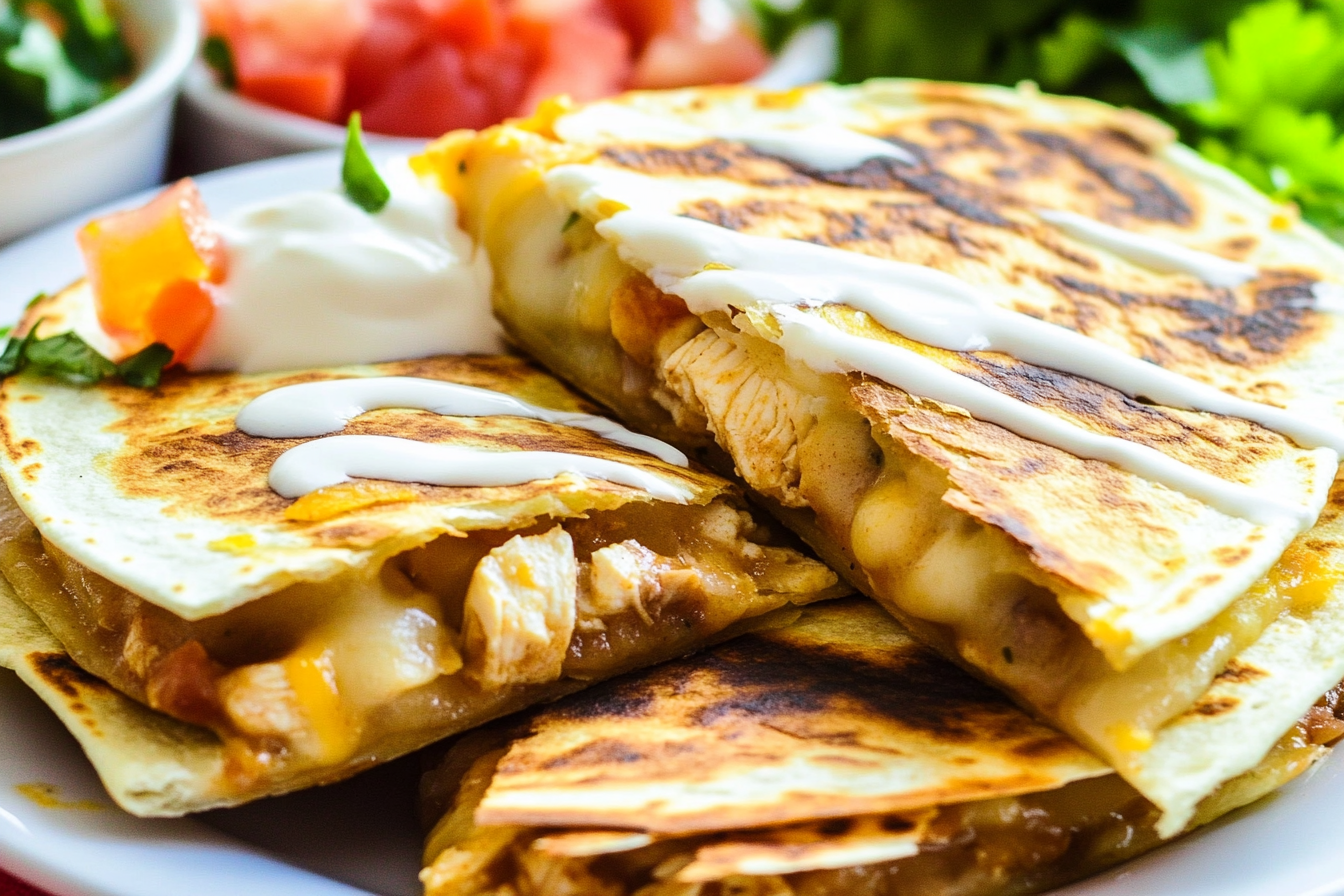
If you made a big batch of quesadillas and ended up with more than you can eat, you are in luck. Freezing already cooked quesadillas is not only possible — it is one of the smartest meal-prep moves you can make for busy weeknights and quick lunches.
The process does require a few specific steps to protect texture and flavor, but nothing complicated. Whether you made chicken, beef, black bean, or veggie quesadillas, the same method applies across the board. This guide walks you through everything: how to freeze them properly, how long they last, the best ways to reheat them, and what signs tell you they have gone bad.
Can You Freeze Cooked Quesadillas?
Quesadillas can be frozen before cooking or after cooking and are easily thawed and reheated on the stovetop, in the oven, toaster oven, or microwave. So yes — your already cooked leftovers are completely freezer-friendly.
Whether you have made chicken, beef, black bean, vegetable, or even vegan quesadillas in corn or flour tortillas, the freezing and thawing process is the same. That makes this one of the most flexible freezer meals you can keep on hand.
You can store quesadillas in the fridge for about 3 days, which is great if you are just looking for a simple solution for leftovers and you know you will eat them within a couple of days. If you are making them in bulk or you do not plan to eat them within 1–3 days, freezing is the better move.
Pro Tip: If you know ahead of time that you plan to freeze a batch, slightly undercook the quesadillas before storing. They will finish cooking during reheating and come out with better texture.
Does Freezing Change the Texture or Taste of Cooked Quesadillas?
Freezing does affect cooked quesadillas somewhat — but the impact is manageable with the right approach. The main issue is moisture. Once cooked, letting them cool to room temperature is a step that is crucial to prevent moisture buildup, which can lead to sogginess.
You can safely freeze and reheat cooked quesadillas, but the texture of the tortillas after that may not be great because the moisture of the filling will have leeched into the tortillas. This is why your reheating method matters just as much as your freezing method.
When it comes to reheating, oven-baking is preferable to microwaving to avoid sogginess and retain the quesadilla’s crispiness. A skillet or air fryer works equally well for restoring that golden exterior.
Avoid ingredients that release a lot of moisture, like raw vegetables or fresh tomatoes, as these can make quesadillas soggy when thawed. Instead, opt for ingredients that hold up well in the freezing process, such as cooked meats, cheeses, and well-cooked vegetables. Choosing your fillings wisely before you even cook the quesadilla goes a long way toward better results after freezing.
How to Freeze Cooked Quesadillas the Right Way
Following the correct steps keeps your quesadillas from sticking together, developing freezer burn, or turning into a soggy mess when reheated. Here is the full process:
- Cool completely. Before you begin freezing your quesadillas, ensure they are completely cooled. If you freeze hot quesadillas, condensation can form inside the packaging, leading to freezer burn and sogginess when reheated.
- Keep them whole. Quesadillas are best frozen whole. Once they have been thawed and reheated, they can then be sliced. If you pre-slice them, there is more chance of losing some of the filling during the freezing and reheating process.
- Flash freeze on a tray. Arrange the quesadillas in a single layer on a baking sheet — spacing is key for even freezing and maintaining their shape. Place the baking sheet in the freezer for about 1–2 hours. This process, known as flash freezing, ensures that the quesadillas freeze individually, preventing them from sticking together.
- Wrap each one. After they firm up, wrap each quesadilla in plastic wrap or aluminum foil. For added protection, place them in a heavy-duty freezer bag or an airtight container.
- Label and date. Label, date, and seal all packaging to keep the air from drying them out. This makes it easy to track how long they have been stored.
Pro Tip: Never freeze sour cream, guacamole, or pico de gallo with the quesadilla. These toppings break down badly in the freezer — add them fresh after reheating.
How Long Can You Freeze Cooked Quesadillas?
You can freeze quesadillas for up to 4 months, but it is recommended to use them within 2 months for best quality. The longer they sit in the freezer, the more the texture of the tortilla can degrade.
As most quesadillas contain egg, cheese, and meats, they will keep frozen for two months at best quality but may keep for as long as six months, depending on the fillings. Vegetable-only or cheese-only quesadillas generally hold up better over longer periods than those with high-moisture proteins.
| Storage Method | Estimated Duration | Quality Notes |
|---|---|---|
| Refrigerator | Up to 3 days | Best for short-term leftovers |
| Freezer (best quality) | Up to 2 months | Optimal flavor and texture |
| Freezer (safe limit) | Up to 4–6 months | Texture may decline; still safe if properly sealed |
If you freeze food regularly and lose track of dates, you should consider dating the container of quesadillas before placing them in the freezer. If you freeze food often, it is easy to lose track of how long each thing has been frozen — writing the date on the freezer bag makes your life a lot easier.
How to Thaw Frozen Cooked Quesadillas
You have a few options for thawing, and the method you choose affects the final texture. Here is a breakdown of each approach:
Thaw in the Refrigerator (Recommended)
The safest way to defrost a frozen quesadilla is to place it in the fridge overnight. Once defrosted, you can put it in the oven or on a skillet to reheat it. This method gives you the most control over moisture and results in the best texture.
Reheat Directly from Frozen
Cooked quesadillas can be thawed and heated straight from frozen. Heat them for around five minutes at 350°F in the oven, or use a skillet, grill pan, or griddle, or even the toaster oven. They can also be reheated in one to two minutes in the microwave.
Microwave Method
To reheat in the microwave, wrap the quesadilla in a moist paper towel and microwave for 1–3 minutes until heated through. The moist paper towel helps prevent the tortilla from drying out, though the result will be softer rather than crispy.
Skillet or Stovetop Method
When using a pan or skillet, use low-medium heat so that the center gets a chance to heat up nicely. Using high heat can burn the outside while keeping the center frozen, which is why it is so important to use low or medium heat.
Key Insight: When reheating your quesadillas, it is better to oven-bake them rather than warming them through in the microwave. Reheating quesadillas in the microwave can make them go soggy. If crispiness matters to you, the oven or skillet is always the better call.
Can You Refreeze Cooked Quesadillas After Thawing?
Refreezing is not recommended. While quesadillas freeze well, it is best not to refreeze them once thawed, especially if they contain ingredients like cheese, egg, or meat. Each freeze-thaw cycle pulls more moisture from the tortilla and filling, making the final result noticeably worse in both texture and taste.
The smarter approach is to freeze quesadillas individually from the start. Since each one is wrapped individually, you can defrost one quesadilla at a time to reduce waste. That way, you only thaw what you plan to eat right away.
If you regularly cook proteins like chicken in bulk, you can learn more about safe food storage strategies in this guide on freezing fresh vegetables as part of a broader meal-prep routine.
How to Use Frozen Cooked Quesadillas (Best Uses After Freezing)
Frozen quesadillas are more versatile than most people realize. They work well beyond just a reheated lunch or dinner. Here are some of the best ways to use them once they come out of the freezer:
- Quick weeknight dinner: Reheat on a skillet while you prep a simple side salad or salsa. Dinner is ready in under 10 minutes.
- Breakfast quesadilla: Quesadillas make a great snack at any time of the day and, depending on what you fill them with, can be a nutritious and healthier option for the whole family. Egg-and-cheese versions work especially well as a morning meal.
- Lunchbox option: You can make quesadillas ahead and batch freeze, or just freeze leftovers to keep them fresh for breakfast or lunch at a later date. Reheat and pack with fresh toppings on the side.
- Snack with dips: You can eat defrosted quesadillas plain or dip them in salsa or guacamole as a snack.
- Cut into strips: Slice a reheated quesadilla into thin strips and serve alongside soup or a grain bowl for added substance.
If using an oven, preheat it to 375°F and place the quesadillas on a baking sheet. Bake for about 15–20 minutes or until heated through. This method helps maintain their crispiness, as it creates a nice outer layer while warming the inside.
For ideas on building nutritious, balanced meals around freezer staples like these, check out this overview of whole plant-based foods that pair well with quesadilla fillings.
Signs That Frozen Cooked Quesadillas Have Gone Bad
Even properly frozen food can go bad, especially if packaging fails or the freezer temperature fluctuates. Here is what to look for before reheating:
- Freezer burn patches: Freezer burn is the discoloration and deterioration of food when it comes into contact with air in the freezer. It occurs when foods are frozen without being properly sealed or wrapped. Small patches are safe to eat but affect flavor and texture.
- Off smell: If your quesadillas smell off or do not have their usual taste, it is best to throw them away.
- Visible mold or discoloration: Any green, black, or unusual spots on the filling or tortilla mean the quesadilla should be discarded immediately.
- Slimy texture after thawing: If the filling feels slimy or excessively wet after thawing, that is a sign of bacterial growth. Do not reheat or eat it.
- Expired storage window: If the quesadilla has been in the freezer for longer than 4–6 months, quality is likely compromised even if it looks fine.
Important Note: Always make sure proteins like chicken or beef reach a safe internal temperature of 165°F when reheating. Use a food thermometer if you are unsure, especially when reheating directly from frozen.
Frequently Asked Questions
Can you freeze quesadillas with sour cream or guacamole inside?
No. Guacamole and sour cream degrade in texture and flavor when frozen. Add them after reheating for the best results. The same applies to pico de gallo and other fresh toppings.
Do quesadillas freeze better cooked or uncooked?
Some people prefer freezing uncooked quesadillas, as it can result in fresher-tasting quesadillas once thawed and cooked. That said, cooked quesadillas freeze just as well when handled properly and are more convenient since they only need reheating.
What type of cheese freezes best in quesadillas?
Hard cheeses such as cheddar freeze much better than softer cheeses or those with high water content. Some good melting options include Colby, cheddar, Asiago, mozzarella, Monterey Jack, queso, and Gruyere.
Can you freeze store-bought quesadillas after cooking them?
Yes. The same rules apply to store-bought quesadillas that you have cooked at home. Let them cool completely, flash freeze on a tray, then wrap individually and store in an airtight freezer bag. Follow the same reheating steps outlined above.
How do you keep frozen quesadillas from getting soggy?
The two biggest factors are cooling completely before freezing and choosing the right reheating method. Plan to use the stovetop, oven, or air fryer — not just the microwave — for the best results. Avoiding high-moisture fillings like raw tomatoes also makes a significant difference.
Can you freeze quesadillas made with corn tortillas?
Yes. Whether you have made chicken, beef, black bean, vegetable, or vegan quesadillas in corn or flour tortillas, the freezing and thawing process is the same. Corn tortillas may become slightly more fragile after freezing, so handle them gently when reheating.