Can You Freeze Kale and Spinach? Everything You Need to Know

October 30, 2026
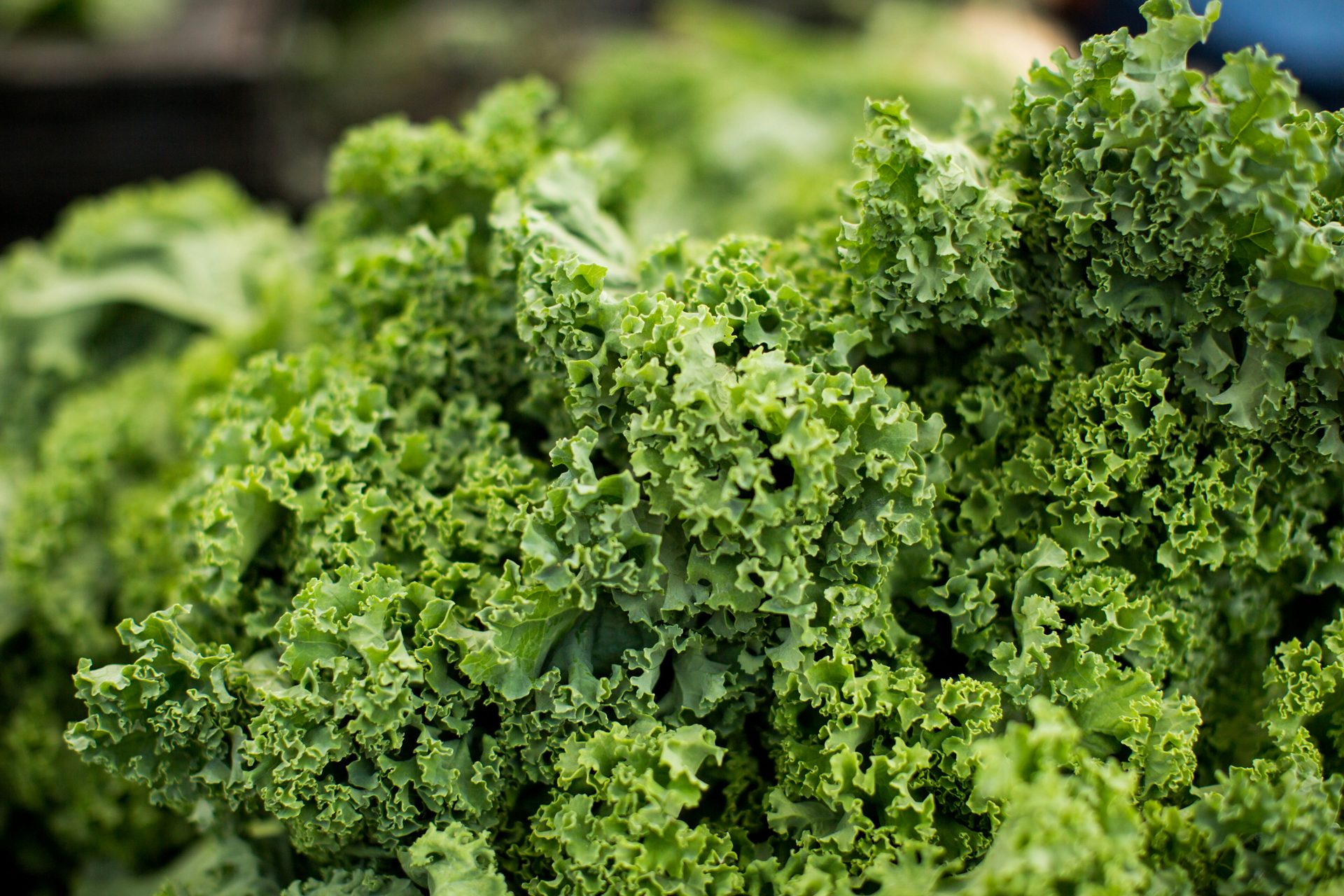
Buying a bag of kale or spinach with good intentions — and then watching it turn slimy in the back of the fridge — is one of the most common kitchen frustrations in American households. The good news is that both greens freeze exceptionally well, and the process takes only a few minutes of prep.
Whether you’re stocking up from a farmers market haul, stretching a grocery budget, or just trying to reduce food waste, freezing kale and spinach lets you keep nutrient-dense greens on hand year-round. This guide walks you through everything: how to freeze them correctly, how long they last, how to thaw them safely, and what to cook with them once they come out of the freezer.
Can You Freeze Kale and Spinach?
You can freeze kale and bagged spinach, so you can keep them on hand without the greens getting slimy in the back of your refrigerator. Both are hardy enough to survive the freezer well — especially when you plan to use them in cooked or blended dishes afterward.
Unlike some other greens, kale is sturdy enough to retain a lot of its texture during the freezing process. Spinach is softer and will wilt significantly once thawed, but it still works perfectly in smoothies, soups, and cooked recipes. Note that lettuce and tender salad greens are too delicate to freeze properly and are not recommended.
One important rule applies to both: it doesn’t matter where you get your leafy greens — the garden, farmers’ market, farm stand, or grocery store — as long as they are fresh, tender, and not wilted, you can preserve them. Starting with fresh greens is the single biggest factor in how good your frozen stash will taste later.
Pro Tip: Freeze kale or spinach as soon as you get home from the store if you know you won’t use it all within a few days. Freezing at peak freshness locks in the most flavor and nutrition.
Does Freezing Change the Texture or Taste of Kale and Spinach?
Yes — and being honest about this upfront will save you disappointment. Frozen kale can taste slightly different than fresh kale, mainly because freezing softens the leaves. Once thawed or cooked, the texture is less crisp and more tender, which makes it better suited for smoothies, soups, stews, and sautéed dishes rather than salads.
Any frozen green becomes limp and is best used in cooking, not salads. It’s simply not possible to freeze greens and retain the crispness, because freezing ruptures the cell walls. This is true for both kale and spinach without exception.
Taste-wise, how you prep the greens before freezing matters a lot. Blanching stops the enzymes that lead to spoilage, enables the vegetables to retain their original texture, vibrant colors, flavors, and nutrients. Failing to blanch your veggies will result in poor textures, faded colors, and off flavors — and it can also cause the kale to taste bitter.
That said, if you plan to use frozen greens only in smoothies, skipping blanching is often fine. The exception to the blanching rule is if you don’t have a ton of kale and plan to use it within a short amount of time, say a few weeks — and when the texture of the thawed kale won’t impact your final dish, like in a smoothie.
On the nutrition side, you don’t lose much. While freezing can lead to a small loss of water-soluble vitamins like vitamin C and some B vitamins, most nutrients are retained, making frozen kale still a highly nutritious option for use in smoothies, soups, and stews. That makes frozen greens a smart choice for anyone focused on heart health or cancer-fighting nutrition.
How to Freeze Kale and Spinach the Right Way
You have two main approaches: the quick raw method (best for smoothie use) and the blanch-first method (best for cooked dishes and longer storage). Here’s how to do both.
Method 1: Raw Freeze (Quick and Easy)
This method works well if you plan to use the greens within one to three months or primarily in smoothies. Fully wash and chop your kale so it’s ready to go straight into your recipe from the freezer. If you’re buying a bunch of kale, remove the stems, chop it to your desired size, then give it a good rinse. After rinsing, let the kale drain well.
Drying is critical. Make sure the spinach is completely dry and moisture-free before freezing, remove as much air as possible from the bag, and store it flat in the freezer for an airtight seal. A salad spinner works well here. Place the greens in any airtight, freezer-safe container — freezer bags are preferred because they lay flat and don’t take up a lot of space.
To prevent the greens from freezing into one solid clump, try flash freezing first. Spread kale on a baking sheet for a few hours before bagging to prevent sticking. Once frozen solid, transfer to a labeled freezer bag and squeeze out as much air as possible before sealing.
Method 2: Blanch Before Freezing (Best for Long-Term Storage and Cooked Dishes)
Blanching takes an extra 10 minutes but pays off in quality, especially if you’re storing greens for more than a few months or plan to sauté them. All leafy greens need to be blanched before freezing. Blanching slows or stops the action of enzymes that would lead to spoilage and helps vegetables keep their bright color, flavor, texture, and nutrition. Plus, blanching wilts the leafy greens, making them easier to package into freezer-safe containers.
- Wash the greens thoroughly in cold water and remove any tough stems.
- Bring a large pot of water to a rolling boil.
- Prepare a large bowl of ice water nearby.
- Cook the greens until wilted — 2.5 minutes for kale and 2 minutes for all other greens including spinach.
- Cool the greens quickly before placing them in freezer bags. Prepare a large bowl of near-freezing ice water.
- After blanching, drain the kale thoroughly using a colander or salad spinner. To remove excess moisture, gently pat the kale dry with a clean dish towel or paper towels.
- Bags are best for greens because they remove air to avoid freezer burn. Remove as much air as possible before sealing bags.
- Label each bag with the date and contents, then lay flat in the freezer.
Method 3: Freeze as Cubes
One of the easiest ways to freeze spinach, kale, or any kind of leafy green is to steam it and freeze it in cubes. You can use the cubes in smoothies, soups, or stew. Steam the greens until wilted, blend them with a small amount of water, pour into silicone ice cube trays, and freeze. Pour the puree into ice cube trays and allow about 4–12 hours in the freezer. Once frozen, pop the cubes into a labeled freezer bag for easy grab-and-go portions.
Pro Tip: If you’re freezing spinach and kale separately, keep them in separate bags. Both greens have different shelf lives, and storing them together means you’ll have to go by whichever one expires sooner.
How Long Can You Freeze Kale and Spinach?
Storage time depends on whether you blanched the greens first and how well you sealed them.
| Green | Preparation | Freezer Life |
|---|---|---|
| Kale | Blanched | 10–12 months |
| Kale | Raw (unblanched) | 4–6 months |
| Spinach | Blanched | 8–12 months |
| Spinach | Raw (unblanched) | Up to 3 months |
Blanched kale can last 10–12 months in the freezer. Non-blanched kale, however, usually lasts about 4–6 months before it starts to lose flavor and texture. For spinach, it’s best to use it within 8–12 months for optimal quality. After this time, the spinach may start to lose its flavor and texture.
Freezing keeps greens safe to eat almost indefinitely, but the recommended maximum storage time of 12 months is best for taste and quality. The quality of the frozen greens is maintained best in a very cold freezer (deep freezer) and one that keeps them frozen completely with no thaw cycles.
These greens are a great addition to a whole-food, plant-based diet — and keeping a frozen supply means you’ll always have them ready. They’re also frequently cited among fibroid-friendly healing foods and foods that support healthy eyesight.
How to Thaw Frozen Kale and Spinach
The good news for most recipes: you often don’t need to thaw at all. For smoothies, add frozen greens directly to the blender. For cooking, add frozen greens directly to soups, stews, or sauté pans. No thawing is needed for either use.
When you do need to thaw — for baked goods, quiches, or casseroles — use one of these two safe methods:
- Refrigerator thaw: Place the sealed bag in the fridge overnight. This is the safest method and preserves the best texture.
- Cold water thaw: Keep spinach in its original packaging or place it in a sealed plastic bag, then submerge completely in a large bowl of cold water (never warm water). Change the water every 5 minutes to maintain cold temperature. After 15–30 minutes, the spinach should be completely thawed.
Avoid thawing at room temperature. When spinach thaws slowly at room temperature, it enters the “danger zone” (40°F–140°F) where bacteria multiply rapidly. The same principle applies to kale.
After thawing, squeeze out the excess water — especially for spinach. If you are planning to blend thawed greens into muffin or pancake batter, thaw them first so you can drain off any excess water the plant released. Added moisture can result in mushy baked goods.
Pro Tip: For soups and stews, skip thawing entirely. Simply drop frozen kale or spinach directly into the hot pot during the last few minutes of cooking — it thaws and wilts almost instantly.
Can You Refreeze Kale or Spinach After Thawing?
No — refreezing is not a good idea for either green. Refreezing is not recommended. Quality and texture degrade significantly with repeated freezing and thawing.
Repeated thawing and refreezing significantly degrades the quality of frozen spinach. If you only need a portion of the spinach, break off the desired amount while it’s still frozen and return the rest to the freezer immediately. This approach — portioning while still frozen — is the best way to avoid ever needing to refreeze.
The cube method described above is especially useful here. Freezing greens in individual portions means you can grab exactly what you need without thawing the whole batch. This is a particularly smart strategy for liver-supporting greens that you want to use regularly without waste.
How to Use Frozen Kale and Spinach (Best Uses After Freezing)
Frozen kale and spinach are genuinely versatile — as long as you match them to the right recipes. The only recipe they would not work in is a salad or a recipe where you would need fresh greens. The texture of the kale, spinach, or greens changes once they are frozen and then thawed.
Here are the best ways to put them to use:
- Smoothies: Both greens go straight from the freezer into the blender. Freezing totally knocks down the “green” flavor to virtually guarantee that your kale smoothie won’t actually taste like kale.
- Soups and stews: Drop handfuls of frozen greens directly into simmering pots. Frozen kale retains its texture well in cooked dishes, adding fiber and gut-friendly nutrients.
- Sautéed greens: Freezing your spinach does not change the taste. You can use it just as you would any cooked spinach — add it to a pan, sauté with a little butter and salt, and it is delicious.
- Eggs and frittatas: Thaw, squeeze dry, and fold into scrambled eggs, frittatas, or omelets for an easy nutrient boost.
- Pasta dishes: Stir frozen spinach or kale into pasta sauces during the last few minutes of cooking. It wilts quickly and blends into the sauce.
- Baked goods: Thaw and squeeze dry before adding to muffin or pancake batter. The greens add color and nutrition without affecting flavor much.
- Green cubes for sauces: You can sneak greens into sauces like pesto by swapping some basil for frozen kale, or make an herb dressing.
Frozen greens pair well with the skin-supporting foods and are a natural fit for anyone exploring cleaner eating habits.
Signs That Frozen Kale or Spinach Has Gone Bad
Frozen greens don’t spoil the way fresh ones do, but they can degrade in quality — and in rare cases, become unsafe. Here’s what to look for before using them:
- Freezer burn: Freezer burn appears as dry, whitish, or grayish patches on the surface of the spinach. This is a sign of dehydration and oxidation. While freezer burn doesn’t make the spinach unsafe to eat, it will affect the texture and flavor.
- Off odor: While frozen spinach doesn’t have a strong odor, any unusual or off-putting smells are cause for concern. If the spinach smells sour, musty, or otherwise unpleasant, it’s likely spoiled.
- Large, hard clumps: While some clumping is expected, excessively large, hard clumps suggest that the spinach has thawed and refrozen, which affects its quality and can promote bacterial growth.
- Damaged packaging: Check the packaging for tears, holes, or signs of thawing and refreezing. Damaged packaging can compromise the integrity of the frozen spinach and allow air and moisture to enter.
- Dull, brown color: Properly frozen greens should stay bright green. If the leaves have turned brown or gray throughout — not just a small surface patch — the quality has declined significantly.
- Bitter or “off” taste: Over time, the enzymes in unblanched kale keep working, even in the freezer. This can cause a bitter or off taste the longer it sits frozen. If your greens taste noticeably bitter or stale after cooking, they’ve likely been stored too long.
When in doubt, discard. Greens are inexpensive enough that it’s not worth risking a bad meal — or worse.
Frequently Asked Questions
Can you freeze spinach and kale together in the same bag?
While it is technically possible to freeze both spinach and kale together, it’s not really recommended if you plan on storing them for long periods of time. Both spinach and kale have different shelf lives, and if one starts to expire, it will most likely take the other with it. If you want to store them together, you should go off of the one that expires faster. Keeping them separate gives you more flexibility.
Do you have to blanch kale and spinach before freezing?
No, but it helps. Kale can be frozen without blanching, but it may not hold its flavor, texture, and nutrients as well as blanched kale does. Freezing kale without blanching first is quicker and easier, but it can lead to faster deterioration in the freezer compared to kale that has been blanched. For smoothie use, raw freezing is perfectly fine. For cooked dishes and longer storage, blanching is worth the extra step.
Can you freeze store-bought bagged spinach or kale?
Yes. Freezing kale is a great way to reduce food waste because it can be hard to eat an entire bunch or bag of kale before it starts to get slimy. Freezing half your kale as soon as you get home from the store is a smart move to make sure you freeze it while it’s the most fresh. Wash and dry the greens first, even if the bag says “triple washed.”
Does freezing destroy the nutrients in kale and spinach?
Freezing kale preserves most of its nutrients, especially if you prep it properly. A tiny amount of water-soluble vitamins, like vitamin C, may decrease slightly, but overall, frozen kale is still packed with fiber, vitamins, and antioxidants. The same applies to spinach. Frozen greens are nutritionally comparable to fresh — and far better than letting them go to waste in the fridge.
Can you use frozen kale or spinach in a juicer?
Juicers weren’t really made for frozen produce. Juicers usually work best with fresh produce because it is typically easier to crush into juice. If your produce is frozen, the juicer can’t really effectively get the liquid out. If you want to effectively use frozen produce in a juicer, you should thaw it out first.
How do I keep frozen greens from clumping?
It’s best to freeze kale in portions. Spread chopped leaves on a baking sheet to freeze individually before transferring to bags. This prevents clumping and makes it easy to grab just the amount you need. For spinach, the cube method works especially well since each portion is already pre-measured.