Can You Freeze Brie? What You Need to Know Before You Try

October 30, 2026
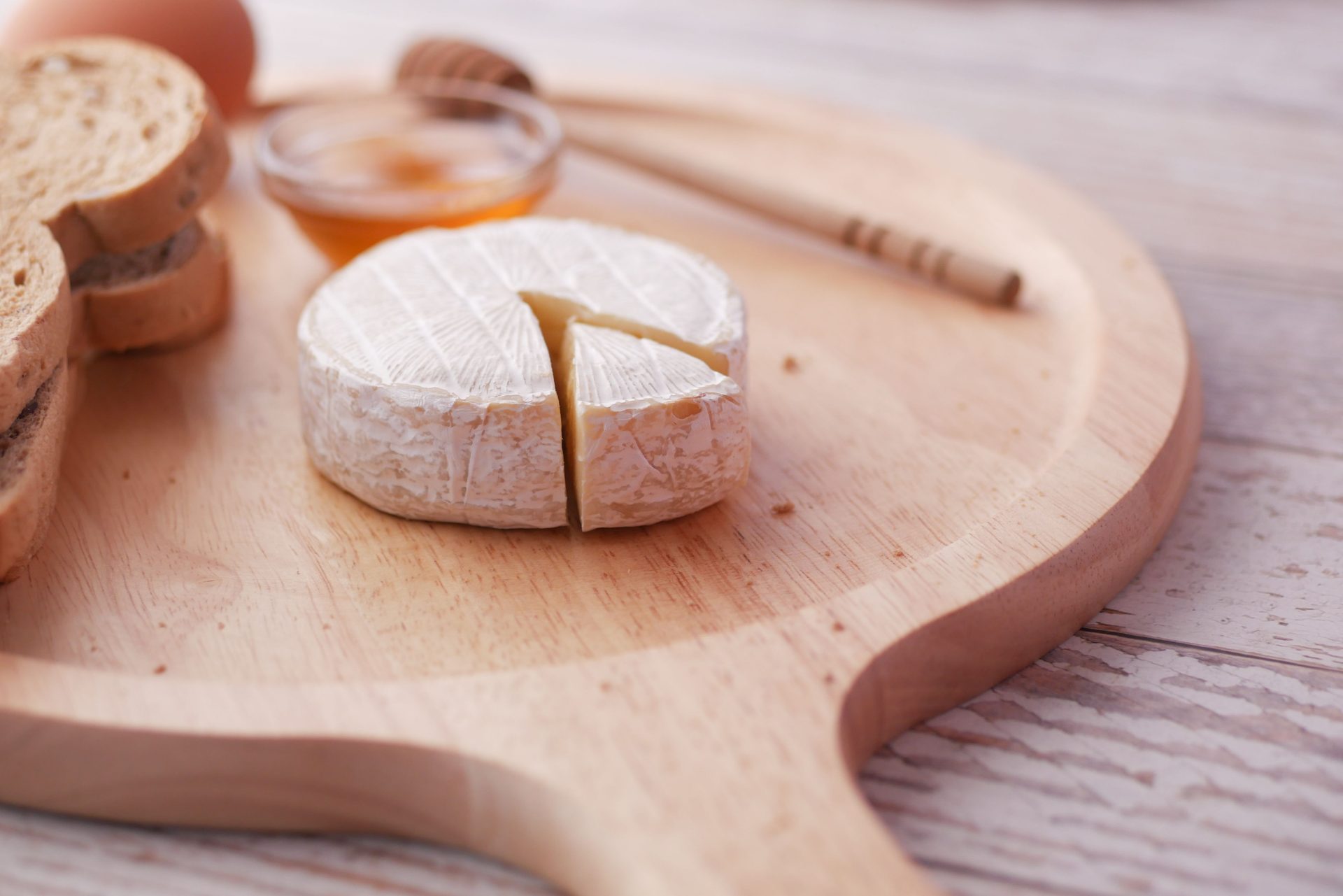
Brie is one of those cheeses that feels like a treat every time you buy it — creamy, rich, and gone too fast. But what happens when you overbuy at the grocery store, stock up during a sale, or end up with leftovers after a party? The freezer seems like the obvious answer.
The short answer is yes, you can freeze brie. It is not always a straightforward yes-or-no situation, though, because brie is a soft cheese, which means freezing it can sometimes change its texture and flavor. Knowing what to expect — and how to do it correctly — makes all the difference between usable cheese and a crumbly disappointment.
This guide walks you through everything: how freezing affects brie, the best way to freeze it, how long it lasts, how to thaw it safely, and the smartest ways to use it once it comes out of the freezer.
Can You Freeze Brie?
The simple answer is yes, you can freeze brie cheese. However, it does change its texture. If you are careful and take the proper steps in the freezing process, you can minimize these changes and leave yourself with a really wonderful frozen brie that thaws well and still tastes good.
Freezing brie is a smart move if you want to save leftovers or stock up before a big party. If you plan to bake or cook with the brie later, freezing is totally fine. Where it falls short is as a straight-from-the-fridge snacking cheese or a centerpiece for a cheese board.
In the United States, it is more common to find so-called “stabilised brie.” Stabilised brie is pH stabilised, giving it a longer shelf life and making it less susceptible to bacteriological infections. That makes American grocery store brie a slightly more forgiving candidate for the freezer than its traditional European counterpart.
Pro Tip: Freeze brie as soon as possible after purchase — ideally before it has been open for more than a day or two. The fresher it goes in, the better it comes out.
Does Freezing Change the Texture or Taste of Brie?
Yes, and it helps to understand exactly why. When you freeze brie, the moisture inside turns to ice crystals, which can break down the smooth, creamy texture that makes brie so appealing. Once thawed, you might notice it is a little crumbly or firmer than fresh brie, which is completely normal.
When brie cheese is frozen, its texture and flavor undergo significant changes. The once-soft and creamy texture becomes firmer, which can affect the overall mouthfeel of the cheese. The bloomy rind may also lose some of its characteristic softness.
On the flavor side, the news is a bit better. Flavor-wise, freezing can mellow out some of the delicate, buttery notes and make the taste slightly less vibrant. Cheese can taste slightly different after freezing, especially soft cheeses like brie. The texture may change, becoming crumblier, and this can affect the overall taste experience. However, the flavor changes are generally subtle.
For cooking or baking, freezing usually will not affect the taste too much, and the texture changes are not as noticeable once the brie is warmed up. While frozen brie might not be the star of your cheese platter anymore, it can still shine in your recipes.
The Academy of Cheese notes that soft, high-moisture cheeses such as brie, Camembert, and fresh goat’s cheese do not freeze well. Upon thawing, these cheeses may separate, becoming grainy or watery, and losing their characteristic creamy texture. That is why cooked applications are strongly preferred over fresh serving after freezing.
How to Freeze Brie the Right Way
Getting the wrapping and packaging right is the single biggest factor in how well your brie survives the freezer. To avoid major texture or taste changes while freezing your brie, pay close attention to how you wrap the cheese before keeping it in the freezer.
You have two main options: freeze the wheel whole, or slice it first. It is generally better to freeze slices, so you can easily get out what you need. Freezing brie in smaller portion sizes is a good idea, since you cannot refreeze previously frozen cheese.
If your freezer has a quick-freeze or flash-freeze setting, use it. As the food cools, ice crystals form. Smaller crystals are better, as larger ones will negatively impact the texture. The faster it cools, the more numerous and smaller the crystals.
Step-by-Step: Freezing Brie Slices
- Cut to size. Slice the wheel or wedge of brie into portions. The size and shape are up to you — think about how you are going to use the cheese after thawing and cut it accordingly.
- Wrap each piece tightly. Take the piece of brie you want to freeze and double wrap it in plastic wrap, ensuring that no part of the cheese is left exposed to the air. This helps protect the cheese against freezer burn.
- Seal in a freezer bag. Once wrapped, place the piece of brie in a freezer bag and squeeze out the excess air. Seal the bag, then label and date it. Place the bag in the freezer where the cheese will not get squished by other items.
Step-by-Step: Freezing a Whole Brie Wheel
- Keep the rind on. You can freeze brie with the rind on. The rind actually helps protect the cheese during freezing and thawing, so keep it intact for best results.
- Double-wrap in plastic. Begin by wrapping your brie cheese tightly in plastic wrap. This step is crucial for preserving the cheese’s moisture and flavor. If you are freezing a whole wheel, consider wrapping it in two layers for extra protection.
- Use an airtight container. Place the wrapped brie into a freezer bag or an airtight container. Removing as much air as possible prevents freezer burn and the formation of ice crystals, which can affect the texture of the cheese.
- Label with the date. Label your brie with the date so you know how long it has been in the freezer.
Pro Tip: A vacuum sealer is the gold standard for freezing brie. A vacuum sealer helps take out all the air from the bags or containers and gives them a perfect seal, ensuring that you can keep them in the freezer for a lot longer than when you use a regular bag.
How Long Can You Freeze Brie?
For best results, use frozen brie within 2–3 months, but it can be safely stored for up to 6 months. Most sources agree that quality starts to drop noticeably after the three-month mark, even if the cheese is technically still safe to eat.
Cheese can be frozen safely for up to six months, though most professionals recommend using it within 2–3 months for the best texture and flavor. Beyond that point, flavor and texture slowly decline — even if it is still technically safe.
For context, brie cheese typically lasts for 1 to 2 weeks in the refrigerator when stored properly in its original packaging or wrapped tightly in plastic wrap or aluminum foil. The key to extending its shelf life is to keep it cool and well-protected from air exposure to prevent drying out and absorbing odors from other foods. Freezing gives you considerably more runway.
| Storage Method | Estimated Shelf Life | Best Use After |
|---|---|---|
| Refrigerator (unopened) | 1–2 weeks | Cheese boards, fresh slicing |
| Refrigerator (opened) | 3–5 days | Immediate use |
| Freezer (best quality) | Up to 3 months | Cooking and baking |
| Freezer (safe but declining) | Up to 6 months | Melted or cooked dishes only |
How to Thaw Frozen Brie
It is important that brie be thawed in the fridge, and not on the counter. Thawing the cheese in the fridge reduces the amount of condensation that forms on the cheese, which can damage the texture.
Place frozen cheese in the fridge for 24–48 hours. Slow thawing helps retain moisture and structure. For thin slices, brie needs anywhere between an hour for thin slices up to a whole night for a full wheel to defrost in the refrigerator.
Avoid thawing brie cheese at room temperature or using a microwave, as these methods can cause uneven thawing and lead to undesirable textural changes. If you are in a pinch and plan to cook with the brie right away, you can add it frozen if you are going to melt the cheese anyway. Just throw it into the pot or put it on top of your toast. Remember to adjust the cooking time to account for melting of the cheese.
Once thawed, allow the brie to thaw for about 24 hours before removing it from the fridge and allowing it to slowly come to room temperature before serving. If you have some leftovers after thawing, try to finish them within a day or two.
Important Note: If you are going to eat brie fresh, make sure you first defrost it and then warm it up for half an hour at room temperature for the best taste.
Can You Refreeze Brie After Thawing?
This is one area where most experts agree: refreezing brie is not a good idea. Use thawed brie within two days for best results, and never refreeze previously frozen brie cheese.
If you thaw the brie wheel later and have leftovers, do not put them back in the freezer. Refreezing food is not only unsafe, but it will also change the texture and taste of the cheese, making it unlikely that you would use it later.
Repeatedly freezing and thawing cheese can drastically affect its quality. Try to thaw only as much as you need. This is exactly why slicing your brie into individual portions before freezing is such a practical approach — you only pull out what you plan to use.
There is one narrow exception: if you thawed your brie in the fridge and know right away that you thawed too much, it should be safe to refreeze it. However, expect a further drop in quality each time it goes through a freeze-thaw cycle.
How to Use Frozen Brie (Best Uses After Freezing)
Once you accept that previously frozen brie will be a bit crumblier and less spreadable, a whole range of delicious applications opens up. Freezing changes brie’s texture, making its taste noticeably different. Because of that, it is best to use frozen brie in recipes that require you to cook or grill the cheese. In those, the altered texture is hardly noticeable.
Frozen brie works great melted in recipes like baked brie appetizers, creamy sauces, or even mixed into cheesy dips where that smooth, gooey texture shines. If you are craving it fresh and sliceable, use thawed brie in cooked dishes like grilled sandwiches or melted on top of roasted vegetables, where the texture changes will not be as noticeable.
Here are some of the best ways to put frozen brie to work in an American kitchen:
- Baked brie appetizer: Wrap thawed brie in puff pastry with honey, cranberry sauce, or fig jam and bake until golden. A classic crowd-pleaser at holiday gatherings.
- Grilled cheese sandwich: Previously frozen brie may be slightly crumblier, making it an ideal candidate for cooked dishes — like a puff pastry creation or a gooey grilled cheese.
- Pizza topping: Brie is a great pizza topping — just be careful not to overdo it, especially with stronger-tasting brie.
- Pasta sauce or soup: Consider incorporating thawed brie into recipes that call for melted or cooked cheese, such as pasta sauces, quiches, or stuffed chicken breasts. The heat will help restore some of the cheese’s creaminess and enhance its flavor.
- Brie toast: Slice thawed brie over crusty bread, drizzle with a bit of honey, and broil for a quick appetizer or snack.
Eating well goes beyond just great cheese. If you want to explore more food choices that support your overall health, check out this guide to superfoods for a healthy heart or browse tips on foods that promote healthy skin.
Signs That Frozen Brie Has Gone Bad
Even in the freezer, brie can go bad — especially if it was not wrapped properly or has been stored too long. Knowing what to look for keeps you from serving spoiled cheese.
Look out for signs like an ammonia smell, slimy texture, or unusual mold growth beyond the usual white rind. If it tastes sour or off, it is best to toss it.
If your cheese has been in the freezer for a while, inspect it for freezer burn before using. To tell if brie is freezer-burnt, look for dry spots or discolorations on the cheese, which are usually white or grayish. Freezer burn does not make the cheese unsafe, but it does make it taste dry and unpleasant, especially in a dish where flavor matters.
Here is a quick reference for what to watch out for:
- Ammonia or sour smell: Normal brie has a mild, earthy aroma. A sharp ammonia smell means it has turned.
- Slimy or wet texture: Some softness after thawing is normal, but sliminess is a spoilage sign.
- Pink, green, or black mold: The white rind is safe, but other mold colors mean discard the entire piece.
- Grayish dry patches: Classic freezer burn. Cut away the affected area or skip it for fresh serving.
- Off or bitter taste: If it does not taste right, do not eat it.
When in doubt, throw it out. Brie is not worth a foodborne illness, and a fresh wheel is always worth the investment. You can also explore other whole plant-based foods to round out your kitchen staples with nutritious, longer-lasting options.
Frequently Asked Questions
Can You Freeze Brie in Its Original Packaging?
You can freeze the cheese in its unopened original packaging or tightly wrap your prepared cheese in a layer of cling film. For best results, place the wrapped cheese inside an airtight container or freezer-safe bag. Adding an extra layer of protection beyond the original packaging is always a good idea.
Can You Freeze Brie With the Rind On?
Yes, you can freeze brie with the rind. The rind helps protect the cheese’s flavor and texture during freezing. There is no need to remove it before freezing — just leave it intact.
How Do You Know When Brie Is Bad Before Freezing?
Brie lasts for about two to three weeks once it gets to the fridge at the supermarket. There is a best-by date on the label, and the cheese most often retains good quality for only a couple of days past that date, tops. Do not freeze brie that has already gone past its prime — freezing cannot reverse spoilage.
Can You Freeze Baked Brie?
Baked brie is best enjoyed fresh from the oven. Once baked and cooled, the texture changes significantly and it does not reheat as well after freezing. Your better move is to freeze the raw brie first, then bake it directly from frozen or after thawing — adjusting your oven time accordingly.
Does Frozen Brie Melt the Same Way?
Frozen brie works great melted in recipes like baked brie appetizers, creamy sauces, or even mixed into cheesy dips where that smooth, gooey texture shines. The melting behavior is largely unaffected by freezing, which is why cooked applications are the go-to recommendation for previously frozen brie.
Is American Grocery Store Brie Different From French Brie?
In the United States, it is more common to find so-called “stabilised brie.” Stabilised brie is pH stabilised, giving it a longer shelf life and making it less susceptible to bacteriological infections. This means the brie you pick up at a US grocery store may handle freezing slightly better than an imported artisan wheel.
For more food storage tips and kitchen inspiration, explore guides on unusual foods worth trying or discover famous foods in Boston for your next culinary adventure. You can also learn about powerful nutrients and foods that fight cancer to make the most of every ingredient in your kitchen.