Can You Freeze Cream-Based Soups? (What Actually Happens and How to Do It Right)

October 29, 2026
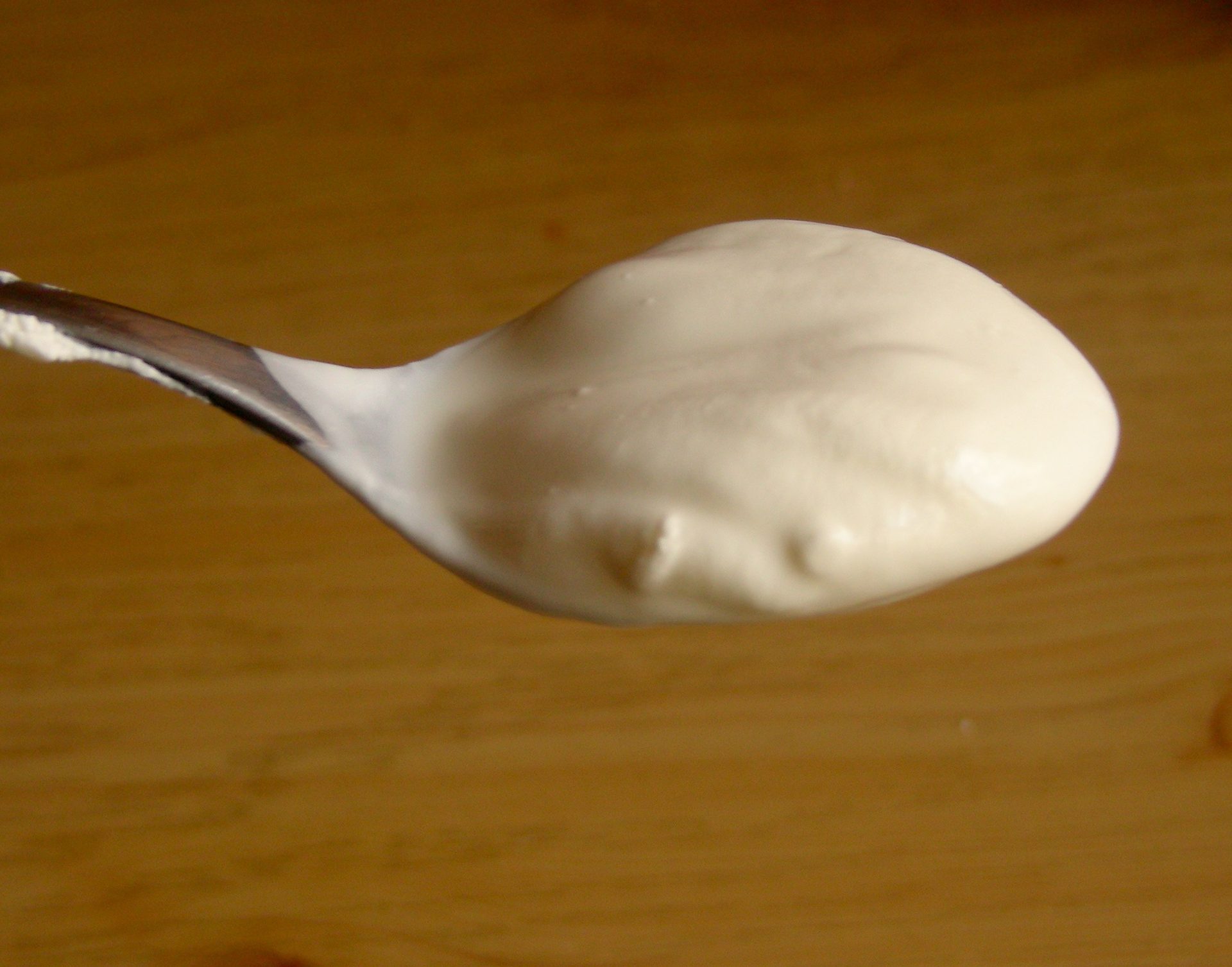
Cream-based soups are one of those meals you almost always make too much of — a big pot of broccoli cheddar or potato soup on a Sunday afternoon, and suddenly you have leftovers for a week. Freezing seems like the obvious solution, but cream-based soups have a reputation for turning grainy, watery, or separated after a trip to the freezer.
The good news is that you can freeze cream-based soups. The catch is that the dairy component makes them more temperamental than broth-based soups, and skipping a few key steps is what leads to disappointing results. This guide walks you through exactly what happens when you freeze cream-based soups, how to do it correctly, and how to bring them back to life after thawing.
Can You Freeze Cream-Based Soups?
Yes, you can freeze cream soups, but doing so may change their texture and flavor. The key is understanding why that happens so you can work around it.
Dairy-based soups are an emulsion where the proteins bond with each other to prevent the water molecules from splitting from the fat molecules. When you freeze cream soups, these bonds are disrupted and the components separate, resulting in the loss of smooth consistency and a grainy texture when defrosted.
This is true for both homemade and store-bought varieties. The likelihood of the cream soup splitting is directly proportional to the fat content in it, so it is recommended to avoid using low-fat cream and dairy products in your soups if you intend to freeze them.
Popular American cream-based soups — like cream of mushroom, clam chowder, cream of tomato, and broccoli cheese soup — all fall into this category. They can all be frozen, but they all benefit from the same preparation strategies covered below.
Pro Tip: If you know ahead of time that you want to freeze a batch, hold off on adding the cream, milk, or cheese until you reheat it. You will get far better results with almost no extra effort.
Does Freezing Change the Texture or Taste of Cream-Based Soups?
Yes — and it helps to know exactly what to expect so you are not caught off guard when you open the container.
When you freeze a cream soup, the water molecules in the mixture form ice crystals, which can cause the texture and consistency to change. The fat molecules in the cream separate from the water molecules, resulting in a soup that is grainy, watery, or even separated.
Cream soups have higher chances of flavor and texture changes when frozen and defrosted. The ingredients could clump together, the base could turn runny, and the original flavor might not be the same.
On the flavor side, freezing can slightly mute flavors, so always taste the soup after reheating and adjust seasoning if necessary. A pinch of salt, a squeeze of lemon, or a fresh crack of black pepper can go a long way toward restoring the original taste.
Dairy and cream are more prone to textural changes than plant-based alternatives like coconut milk or nut creams. If you make a lot of freezer meals, swapping heavy cream for full-fat coconut milk in recipes like butternut squash or sweet potato soup is a practical workaround that freezes much more cleanly.
Key Insight: Separation after freezing does not mean the soup has gone bad. It is a physical change, not a food safety issue. With the right reheating technique, you can often restore a smooth, creamy texture.
How to Freeze Cream-Based Soups the Right Way
Following a few straightforward steps makes a real difference in the quality of your frozen soup. Here is the process that gives you the best results.
- Hold the dairy if possible. You can freeze a cream soup if you plan ahead. Prepare the recipe as written, but omit the cream, milk, roux, or cheese before freezing. Add the dairy fresh when you reheat it.
- Cool the soup completely. Make sure your soup has adequately cooled down to room temperature before you put it in the freezer. Not only will it be too hot to handle correctly, but the evaporating steam from still-hot soup can also damage your containers, even melting plastic bags. Speed up cooling by placing the pot in an ice bath.
- Use a stabilizer if the dairy is already in. Heavy cream and milk can separate when frozen and thawed, resulting in a grainy texture. To mitigate this, stabilize the dairy by incorporating a roux — equal parts butter and flour cooked until bubbly — before adding liquid. Alternatively, using stabilizers such as cornstarch or flour helps maintain the soup’s smooth and creamy consistency even after freezing and thawing.
- Portion before freezing. Portioning your soup before freezing is extremely beneficial. It allows you to thaw only the amount you need, reducing waste and preventing repeated freezing and thawing. Consider portioning into individual servings or family-sized servings depending on your preferences.
- Choose the right container. Opt for airtight, rigid containers like glass jars or BPA-free plastic tubs, leaving ½ inch of headspace to allow for expansion. Avoid single-use plastic bags unless double-bagged, as they offer minimal protection against air and moisture.
- Label every container. Always label freezer containers with the date, contents, amount, and any additional prep instructions for later — such as “add cream” or “add pasta.”
If you want to learn more about storing other dairy-based products, check out this guide on whether you can freeze coffee creamer for similar tips on handling dairy in the freezer.
How Long Can You Freeze Cream-Based Soups?
Consume frozen cream-based soups within 3 to 4 months for optimal flavor and texture. While they may technically remain safe beyond that window at a steady 0°F, quality degrades noticeably the longer they sit.
Beyond the 3- to 4-month mark, texture and flavor begin to degrade due to ice crystal formation and fat separation. Dairy-based soups are prone to curdling, while vegetable-heavy creamy soups may become watery.
For comparison, when kept in the fridge, cream soup should stay fresh for 3 to 4 days. Freezing extends that shelf life dramatically, making it a smart option for batch cooking — as long as you stay within that 3- to 4-month quality window.
| Storage Method | Shelf Life | Quality Notes |
|---|---|---|
| Refrigerator | 3–4 days | Best texture and flavor; no separation |
| Freezer (dairy included) | 2–3 months | Some separation likely; use stabilizers |
| Freezer (dairy omitted) | 3–4 months | Best frozen quality; add dairy on reheat |
How to Thaw Frozen Cream-Based Soups
Thawing slowly is one of the most important steps for preserving texture. Rushing this process is a common reason cream soups end up grainy or separated.
Start by transferring frozen soup from the freezer to the refrigerator 24 hours before serving, allowing it to thaw slowly at 35–40°F (2–4°C). This preserves the emulsion and prevents water molecules from shocking the fat and protein structures in the cream.
If you are short on time, you can submerge the sealed container of frozen soup in a bowl of cold water, changing the water every 30 minutes to maintain a consistent temperature. This is faster than the refrigerator method but still gentler than a microwave defrost.
Once the soup has thawed, reheat it on the stovetop over low to medium heat. Reheat the soup over low to medium heat, stirring constantly with a whisk or spatula. Avoid boiling, as temperatures above 175°F (80°C) can cause the cream to break.
If the consistency is on the runny side, dissolve half a tablespoon of cornstarch in water and pour the mixture in to thicken the soup. For thawed soup without the cream, go ahead and add the cream as you simmer.
Important Note: Never thaw cream-based soup at room temperature on the counter. The outer layers of the soup warm into the food safety danger zone (40–140°F) while the center is still frozen, which increases the risk of bacterial growth.
Can You Refreeze Cream-Based Soups After Thawing?
Never refreeze thawed cream-based soup, as this increases the risk of bacterial growth and further degrades texture. Each freeze-thaw cycle breaks down the emulsion further, and the texture after a second freeze will be significantly worse than after the first.
This is exactly why portioning before freezing matters so much. When you freeze in single-serving or meal-sized portions, you only thaw what you need and never have to consider refreezing.
Freezing does slow down bacterial growth, but it does not eliminate it entirely. It is important to handle and store your cream soups safely to prevent any potential foodborne illnesses. If you have already thawed a portion and have leftovers, refrigerate them and use them within 2 days — do not put them back in the freezer.
How to Use Frozen Cream-Based Soups (Best Uses After Freezing)
Even when frozen cream-based soup does not come back to its original silky consistency, it is still very usable. Here are the best ways to put it to work.
- Sauce base. Thawed cream of mushroom or cream of celery soup makes an excellent base for casseroles and pasta sauces. The slightly broken texture is completely hidden once it is stirred into a dish.
- Pot pie filling. Pour thawed cream-based soup over cooked chicken and vegetables, top with a biscuit or pie crust, and bake. The texture issue becomes irrelevant.
- Grain bowls and rice dishes. Stir thawed cream soup into cooked rice or farro for a quick, creamy side dish. It works especially well with cream of broccoli or cream of potato soup.
- Slow cooker meals. Add thawed cream soup directly to a slow cooker with protein and vegetables. The long, slow cook time blends everything together and masks any separation.
- Blended soups. Using a food processor or immersion blender can help mask the fact that the soup’s ingredients may have become compromised by freezing. This also helps make a thicker soup, dispersing any water that may result from thawing. Pureed soup will have a different texture but the same flavor profile.
If you are interested in building a more nutritious soup base, consider incorporating whole plant-based foods into your cream soup recipes — many of them freeze beautifully and add fiber and nutrients to an otherwise dairy-heavy dish. You might also explore heart-healthy superfoods that work well blended into creamy vegetable soups.
Signs That Frozen Cream-Based Soup Has Gone Bad
Separation and graininess after thawing are normal and do not mean the soup is unsafe. However, there are real signs of spoilage to watch for before reheating.
- Off smell. A sour, rancid, or otherwise unpleasant odor when you open the container is a clear sign to discard it. Fresh cream soup has a mild, savory aroma even after freezing.
- Visible mold. Any fuzzy or discolored growth on the surface means the soup should go straight into the trash. This can happen if the soup was not cooled properly before freezing or if the container seal failed.
- Slimy texture. Graininess is normal after freezing, but a slimy or mucus-like texture after thawing indicates bacterial spoilage.
- Unusual color. A significant color change — especially pinkish or greenish tones — suggests the soup has gone bad.
- Freezer burn damage. Avoid freezing soups with high dairy content in metal containers, as they can react with acidic ingredients. If freezer burn occurs, it is safe to eat but may affect taste. Heavily freezer-burned soup may taste stale or cardboard-like; it is best to discard it rather than push through.
As a general rule, consume reheated cream-based soups within 24 hours to ensure optimal taste and safety. Once reheated, do not return the soup to the refrigerator for another round — treat it as a fresh meal and finish it.
For a broader look at how food choices affect your health, the articles on foods for healthy skin and foods that support liver function offer practical guidance on building a balanced diet around whole ingredients.
Frequently Asked Questions
Can You Freeze Store-Bought Canned Cream Soup?
The loss of smooth consistency and grainy texture when defrosted applies to both homemade and store-bought varieties. If you have leftover canned cream soup that has already been prepared (mixed with water or milk), follow the same freezing steps outlined above. Do not freeze it directly in the can — transfer it to a freezer-safe container first.
Can You Freeze Cream of Mushroom Soup?
Yes. Cream of mushroom soup can be frozen using the same method as any other cream-based soup. For the best results, freeze the base without the dairy and stir in cream or milk when reheating. You can also reconstitute a frozen cream soup using arrowroot or agar-agar. Simply make a thin slurry of equal parts powder, then add it to the soup as you reheat it. For a single serving, a scant quarter teaspoon is sufficient to help bring the soup back to its proper consistency.
Can You Freeze Potato Soup or Clam Chowder?
Soups with a creamy consistency, such as potato soup, will not freeze well because the composition of the soup will change. Potatoes may become gooey and have an unappealing texture. For clam chowder, the same applies — freeze the base without potatoes and dairy, then add both fresh when reheating. Avoid adding starchy ingredients like potatoes or pasta before freezing, as they can become mushy upon thawing. Instead, add these components fresh when reheating the soup.
Does Heavy Cream Freeze Better Than Regular Cream?
When frozen, cream can develop a grainy texture as fat globules clump together. However, heavy cream with a higher fat percentage (36–40%) tends to fare better than lighter alternatives because its fat content stabilizes the emulsion. If you are choosing between cream types for a soup you plan to freeze, heavy cream is the better option.
How Do You Fix Separated Cream Soup After Thawing?
To revive separated soup, blend it with an immersion blender or whisk vigorously while reheating. You can also blend 1–2 tablespoons of room-temperature cream or milk into the soup off-heat to restore consistency. If the soup is still thinner than you would like, a small cornstarch slurry stirred in over low heat will thicken it back up quickly.
Can You Freeze Dairy-Free Cream Soups?
Yes — and they freeze much better than traditional cream soups. Dairy and cream are more prone to textural changes than plant-based alternatives like coconut milk or nut creams. A butternut squash soup made with full-fat coconut milk, for example, will come out of the freezer in much better shape than the same soup made with heavy cream. If you cook frequently for the freezer, plant-based cream alternatives are worth considering. You can explore more about plant-based whole foods to find ingredients that hold up well in freezer-friendly recipes.