Can You Freeze Beets? Everything You Need to Know Before You Try

October 30, 2026
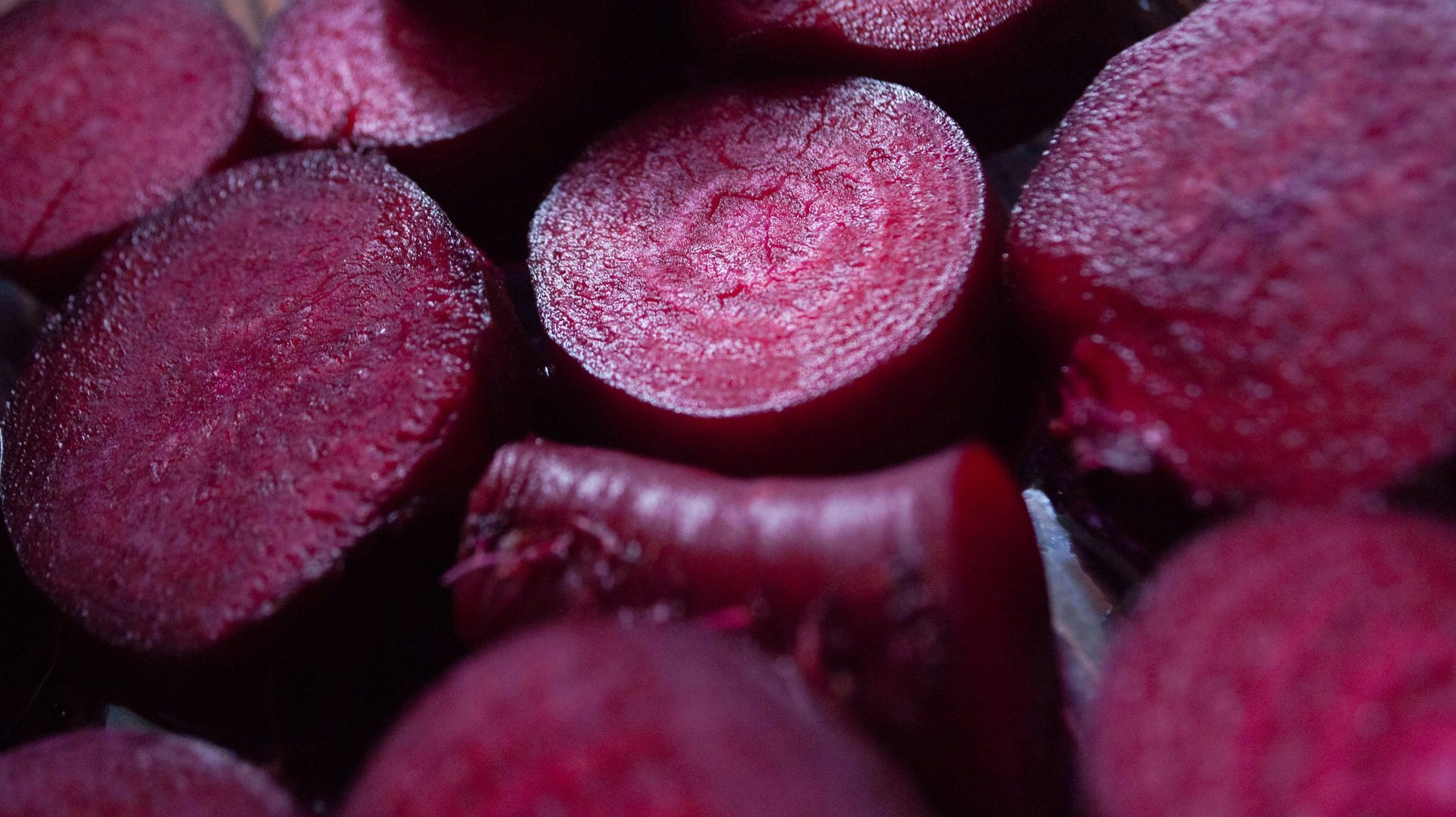
Beets are one of those vegetables that always seem to arrive in abundance — a bumper crop from the garden, a great deal at the farmers market, or a bulk bag from the grocery store. The question that follows is almost always the same: can you freeze beets before they go to waste?
The short answer is yes. You can freeze beets, and freezing is a great way to preserve their flavor and nutrients for future use. Whether you have red, golden, or striped varieties on hand, the freezer is a practical solution that keeps beets usable for months. This guide walks you through every step — from prep and packaging to thawing and spotting spoilage — so nothing goes to waste.
Can You Freeze Beets?
Beets are a wonderful vegetable to freeze, especially after cooking them. They thaw well and taste great in recipes. You can freeze them raw, blanched, or fully cooked, depending on how you plan to use them later.
Since beets are almost exclusively used in a cooked form, losing the raw texture is less important, so they do freeze fairly well. That said, the method you choose matters. Cooking beets all the way through before freezing generally produces the best results, though blanching is a solid middle-ground option for beets headed into soups or stews.
Beets are packed with fiber, folate, iron, and vitamin C and have tons of health benefits. Freezing helps you hold onto those benefits well past harvest season. If you want to learn more about what beets do for your body, check out this overview of the benefits of beets.
Pro Tip: Always start with the freshest beets you can find. Beets are root vegetables that store well, but they can lose their flavor and texture over time. Choosing fresh and young beets ensures that your frozen beets are of the highest quality.
Does Freezing Change the Texture or Taste of Beets?
Freezing does affect beets to some degree, and it helps to know what to expect before you open that bag months later. When beets are frozen, the water inside the cells expands, causing the cell walls to rupture. This can result in a softer texture when thawed.
While freezing beets is a convenient method of preservation, it can lead to some changes in taste and texture. Upon thawing, frozen beets may become slightly softer and lose a bit of their earthy flavor. However, if beets are properly blanched, cooled, and stored in airtight containers before freezing, these changes can be minimized.
In addition to texture, freezing can also impact the color and flavor of beets. The freezing process can sometimes cause a slight loss in vibrancy and sweetness. However, with proper freezing techniques, these changes can be minimized.
Frozen cooked beets can sometimes lose a bit of texture but should retain sweetness. For most cooked applications — soups, smoothies, grain bowls — the difference is barely noticeable. Where it does show up is in salads or dishes where you want a firm bite. In those cases, plan to use your frozen beets within the first few months for the best result.
Beets retain much of their nutritional value even after being frozen. Although some vitamin and mineral content can be lost, frozen beets still have a high nutritional density. Their nutritional value can be further preserved with proper blanching before freezing. Beets are also a great addition to a heart-healthy diet, and freezing does not erase those advantages.
How to Freeze Beets the Right Way
There are three main approaches: freezing fully cooked beets, freezing blanched beets, or freezing raw beets. Each has its place depending on how you plan to use them.
Method 1: Freeze Fully Cooked Beets (Best Overall)
This is the method recommended by the National Center for Home Food Preservation and produces the most versatile frozen beet. Cooking beets all the way through before freezing means they may keep better than raw beets, and you’ll save yourself time in the future.
- Select your beets. Select deep, uniformly-red, tender, young beets. Select beets 3 inches in diameter or less. Do not use beets that show signs of decay or mold.
- Trim and scrub. Trim tops, leaving 1/2 inch of stems and tap root, to prevent bleeding of color during cooking. Scrub thoroughly under running water.
- Cook until tender. Cook in boiling water until tender — for small beets 25 to 30 minutes; for medium beets 45 to 50 minutes. You can also roast or steam them.
- Cool promptly. After boiling, prepare a large bowl filled with ice water. Carefully transfer the hot beets into the cold water, allowing them to cool completely. This step helps preserve their texture and flavor when freezing.
- Peel and cut. Peel, remove stem and tap root, and cut into slices or cubes. The skin slips off easily after cooking.
- Flash-freeze. Slice them and spread in a single layer on a baking sheet. Once frozen, transfer to plastic freezer bags or airtight containers for easy portioning.
- Label and seal. Ensure beets are completely cool — warm beets mean condensation and ice crystals in your freezer bags. Place cold beets in freezer bags or containers, remove as much air as possible, and seal.
Method 2: Blanch and Freeze (Good for Soups and Hot Dishes)
If you want to freeze beets raw, blanching them for a few minutes helps preserve quality, nutrition, and texture. This is a smart option when you plan to cook the beets further after thawing.
- Peel and cut beets into cubes or slices.
- Drop the cubed beets in boiling water and cook for 3 to 4 minutes. Immediately transfer the beets to a bowl of ice water. This will stop the cooking process.
- Drain, pat dry, spread on a baking sheet, and flash-freeze before transferring to freezer bags.
Method 3: Freeze Raw Beets (Quick, But Limited Shelf Life)
Beets can also be frozen raw when chopped into small pieces. This is a great way to freeze beets for soups and borscht. Chopped vegetables do not have to be blanched in boiling water before freezing.
You can freeze beets without blanching, but they will probably only last a couple of months. Raw beets also benefit from vacuum sealing. To prevent freezer burn and keep the best quality, keep them from air exposure. A vacuum sealer will give you the best results.
Pro Tip: Beets are a beautiful color, but they can stain your hands once you begin cutting them. Use gloves if you don’t want your hands to turn a pinkish purple when handling the beets.
How Long Can You Freeze Beets?
Storage time depends on how you prepared the beets before freezing. Here is a quick comparison:
| Preparation Method | Recommended Freezer Life | Notes |
|---|---|---|
| Fully cooked beets | 8–12 months | Best overall quality; use within a year for peak flavor |
| Blanched raw beets | Up to 6 months | Good for soups and hot dishes |
| Raw (unblanched) beets | 1–2 months | Quality degrades faster; use quickly |
Freezing keeps beets safe to eat almost indefinitely, but the recommended maximum storage time of 12 months is best for taste and quality. Frozen beets are great in the freezer for 6–9 months. You can stretch it to a year, but they may lose some of the flavor and freshness if not vacuum packaged.
The temperature at which food is frozen plays a crucial role in preserving its quality. For beets, it is recommended to freeze them at a temperature of 0°F (-18°C) or lower. This low temperature helps maintain the texture and taste of the beets while preserving their nutritional value.
How to Thaw Frozen Beets
How you thaw beets makes a real difference in the final texture and flavor. The refrigerator is almost always your best option.
To thaw frozen beets, transfer the sealed freezer bag or container from the freezer to the refrigerator. Allow the beets to thaw gradually in the refrigerator over a period of several hours or overnight. This slow thawing helps prevent moisture loss and maintains the vegetable’s integrity.
Avoid using heat or warm water for thawing, as rapid temperature changes can compromise the texture and taste of the beets. If you are adding beets directly to a hot dish like soup or stew, you can skip thawing altogether. You can use frozen beets straight from the freezer for most recipes. There’s no need to defrost them first, so you’ll save time.
One thing to watch after thawing: frozen then thawed cooked beets tend to be more watery than freshly cooked ones. You may want to squeeze out some of the water before adding them to recipes. A clean kitchen towel or paper towels work well for this.
To reheat from frozen, heat the beets in the microwave in a microwave-safe dish, or in a pot fitted with a steamer rack, or in a baking dish in the oven until the beets reach the desired temperature.
Can You Refreeze Beets After Thawing?
Technically, yes — but it is not a good idea. You can refreeze beets safely. However, this is going to do them no favors when it comes to taste and texture. Beets contain a lot of water, and when that water freezes it does some damage to the flesh of the vegetable.
Refreezing will do even more damage to the flesh and turn them into a mushy mess the next time around. They’re probably safe, but you will probably not like the end result.
The smarter approach is to freeze beets in portion-sized bags from the start. That way, you only thaw what you need and never face the refreezing dilemma. Freeze plain cooked beets without added salt or dressings. Seasoning before freezing may impact texture and flavor negatively after thawing. Add any necessary dressings, herbs, or spices once you thaw and are ready to eat.
How to Use Frozen Beets (Best Uses After Freezing)
Frozen beets are surprisingly flexible in the kitchen. Frozen beets can be easily thawed and added to recipes such as smoothies, soups, stews, and salads. Some uses work better than others, so here is a breakdown by application.
Best Uses for Frozen Cooked Beets
- Smoothies: Blend thawed beets with fruits and vegetables to create nutritious and vibrant smoothies. No thawing needed if your blender is powerful enough.
- Soups and stews: Add thawed beets to soups or stews, providing extra flavor and nutrition. Blanched raw beets can go straight from the freezer into a hot pot.
- Salads: Thaw overnight in the fridge, pat dry, and slice or dice. They work well in grain salads and beet-and-goat-cheese combinations.
- Beet hummus: Blend thawed beets with chickpeas, tahini, and spices to create a colorful and tasty beet hummus.
- Roasted side dish: Toss thawed beets in olive oil and roast until tender, shortening the cooking time compared to fresh beets.
Frozen then thawed cooked beets may not work as well as freshly cooked ones in baked goods recipes due to their higher water content. If you are baking with beets — think chocolate beet cake or muffins — fresh or freshly cooked beets will give you a more reliable result.
Key Insight: It depends on how you want to use your frozen beets. If you want to use them in a smoothie or another recipe where they won’t be cooked further, cook the beets through before freezing. If you are going to use them in a recipe like a soup or stew where they will be cooked more, you can just blanch the beets before freezing.
Beets pair well in meals built around whole plant-based foods, and their natural nitrates make them a popular ingredient for anyone focused on anti-inflammatory eating. They also appear on many lists of foods with cancer-fighting nutrients.
Signs That Frozen Beets Have Gone Bad
Even in the freezer, beets can eventually deteriorate. Knowing what to look for helps you avoid using beets that are past their best — or that have genuinely spoiled.
To determine if frozen beets have gone bad, first check the storage duration using the notes on the frozen beet bags or containers. If stored for more than 12 months, their quality may have deteriorated.
After thawing, run through this checklist:
- Smell: Upon thawing, examine the beets for any off-odors, sliminess, or discoloration, which are indicators of spoilage. If any of these signs are present, it’s best to discard the beets and not consume them.
- Appearance: Significant gray or brown discoloration beyond normal fading is a warning sign. Healthy frozen beets may be slightly less vivid but should not look gray or dull throughout.
- Texture: Some softness is normal after thawing. But if the beets feel slimy or mushy before you even handle them, discard them.
- Freezer burn: Be aware that texture and flavor may slightly change after prolonged freezing. Always check for any signs of freezer burn before use. Heavily freezer-burned beets are safe to eat but will taste dry and off.
Always label the containers with the freezing date to keep track. Cooked beets stay best for 8 to 12 months in the freezer but are still safe beyond that. Use older batches first for the best taste and texture.
Frequently Asked Questions
Can You Freeze Raw Beets Without Cooking Them First?
Raw beets can be frozen, but they may not last as long or retain the same quality as cooked beets. If you want to freeze them raw, blanching them for a few minutes helps preserve quality, nutrition, and texture. You can freeze beets without blanching, but they will probably only last a couple of months.
Can You Freeze Beet Greens?
Beet greens can be frozen too. Treat them like spinach — blanch briefly, squeeze out excess water, and freeze flat in bags. They work well sautéed or added to soups. They are also a nutrient-dense addition to a liver-supporting diet.
What Beet Varieties Can You Freeze?
You can use any variety, including red, golden, and chioggia. You can also freeze any type or color of beet, including red, purple, orange, or striped. The prep process is the same regardless of variety.
Do You Have to Peel Beets Before Freezing?
You do not have to peel them before cooking, but you should peel them before freezing. Let the beets cool, then remove the skin with your fingers. The skin slips off easily after cooking and is much simpler to remove at that stage than when the beets are raw.
Can You Freeze Pickled Beets?
Pickled beets are not a good candidate for freezing. The vinegar brine can separate and the texture becomes unpleasant after thawing. Pickled beets are better stored in sealed jars in the refrigerator, where cooked beets survive 5–7 days in the fridge when refrigerated correctly. Pickled versions last considerably longer in proper canning jars.
Are Frozen Beets as Nutritious as Fresh?
The freezing process helps to preserve the nutritional content of beets, including their vitamins and minerals. Beet’s taste and nutritional value survive freezing somewhat intact. You will get a nutritionally solid vegetable from your freezer, especially if you blanch or fully cook before freezing. Beets are also recognized among foods that support healthy skin, and that benefit holds up well after freezing.