Can You Freeze Grated Zucchini? Everything You Need to Know

October 30, 2026
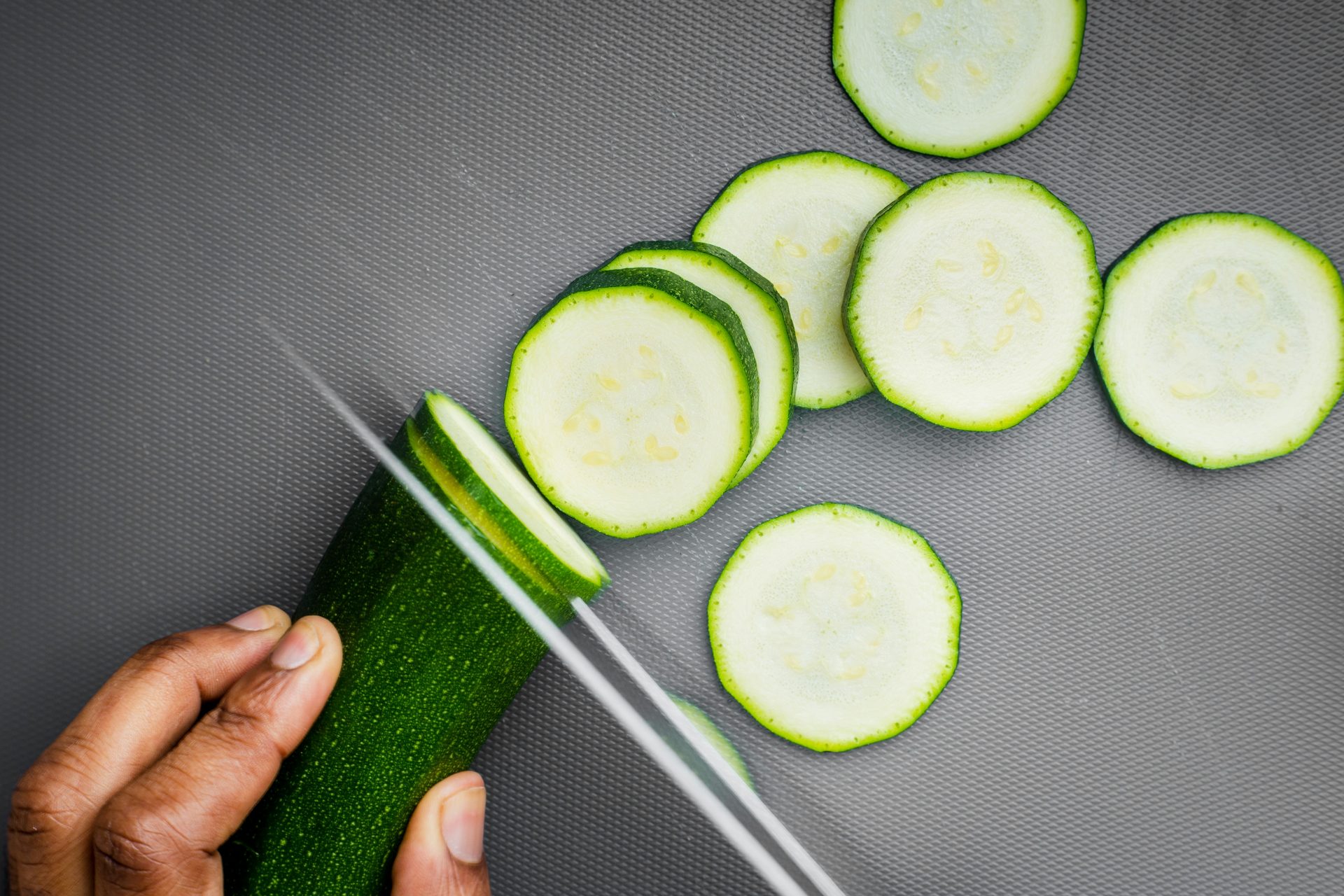
If your garden or local farmers market has left you buried in zucchini, freezing it grated is one of the smartest moves you can make. Shredding and freezing zucchini will keep you happily cooking and baking with it for months to come. It takes very little equipment, costs nothing extra, and means you’ll have a ready-to-use ingredient waiting in the freezer well after summer ends.
The key is knowing what to expect — and how to prep it correctly. Zucchinis are over 90% water by weight, which means whether you slice, dice, or shred them, they will get soggy and limp when frozen. That’s not a dealbreaker. It just means grated zucchini shines brightest in baked goods, soups, and sauces rather than as a stand-alone side dish. Follow the steps below and you’ll get great results every time.
Can You Freeze Grated Zucchini?
You may freeze grated zucchini without blanching. You can put grated zucchini into a freezer bag or other freezer-safe containers, mark the amount to track volume, and freeze it. The process is straightforward and works whether you’re dealing with a bumper crop from the backyard or a bulk buy from the store.
Frozen shredded zucchini is perhaps the most common form of preserved zucchini, and it’s a handy way to use large or overgrown zucchini. Shredded zucchini is versatile and can be added to just about anything you can dream up. You can also freeze it using the same method for yellow summer squash and patty-pan squash.
One practical note: the National Center for Home Food Preservation recommends blanching shredded zucchini for 2 minutes before freezing. Blanching destroys aging enzymes and helps preserve color and flavor for much longer than if you skip it. That said, many home cooks skip blanching for grated zucchini intended for baking with perfectly fine results — the choice depends on how long you plan to store it and what you’ll use it for.
For more on freezing whole or sliced zucchini, see our guide on freezing fresh uncooked zucchini.
Does Freezing Change the Texture or Taste of Grated Zucchini?
Yes — and it helps to know exactly what to expect before you thaw a bag and add it to a recipe. Zucchini is one of those vegetables where freezing noticeably changes the texture. Frozen the wrong way, it quickly loses its structure. When thawed, liquid collects, the surface becomes soft, and what was once a fine texture can turn bland.
The texture is soft when defrosted. If you don’t squeeze out a lot of the moisture before freezing, it can be almost soggy. This is why the squeeze step matters so much — it’s the single biggest factor in how well your thawed zucchini performs in a recipe.
The flavor itself holds up reasonably well. Your zucchini will retain most of its volume when thawed, and you may use any liquid formed in your recipes. For baked goods like zucchini bread or muffins, the softened texture is actually an advantage — it blends seamlessly into batter and adds moisture without changing the flavor of the finished product.
Pro Tip: Use the large holes on your box grater rather than the small ones. Tiny shreds will turn into a soupy mess once frozen, while larger shreds hold together better after thawing.
How to Freeze Grated Zucchini the Right Way
The process takes about 15 minutes of active work. Here’s what to do from start to finish.
- Choose the right zucchini. Choose young squash — smaller than 6 inches long. Use fresh, beautiful zucchini. The quality of frozen food is only as good as the quality of the food you put into the freezer. If your zucchini is larger than 3 inches in diameter, cut it in half lengthwise and scoop out the seedy center before grating.
- Wash and trim. Rinse the zucchini under cold water, rubbing the skin gently to remove grit. Slice off the ends. There’s no need to peel it — the skin softens during cooking or baking.
- Grate it. Shred the zucchini on the large holes of a box grater or with the shredding blade of your food processor. A food processor is a real time-saver when you’re working through a large batch.
- Squeeze out the moisture. Lay a double layer of cheesecloth or a thin kitchen towel on the counter. Put a few cups of zucchini in the center, gather up the edges, and twist the top over a sink to wring out excess liquid. Don’t skip this — it’s the most important step for good results.
- Portion it out. Measure shredded zucchini before freezing and write the amount on the freezer container. Once thawed, it will be difficult to accurately measure. If you have a favorite zucchini recipe, freeze shredded zucchini in the amount it calls for to make baking easier. One-cup and two-cup portions are the most practical for most American recipes.
- Pack and seal. Place measured amounts of grated zucchini into freezer-safe containers or freezer bags. Leave half-inch headspace. Squeeze out as much air as you can, or use a straw to suck the air from the freezer bags.
- Freeze flat. Place packages in a single layer in your freezer until they are completely frozen, then rearrange and stack them. This allows the zucchini to freeze as quickly as possible. If you stack several bags on top of each other before freezing, the layers in the middle will take much longer to freeze and may spoil.
Pro Tip: For smaller portions, freeze grated zucchini in an ice cube tray. When the cubes are solid, remove them from the tray and put them into a freezer bag. This works well for adding small amounts to smoothies or sauces.
How Long Can You Freeze Grated Zucchini?
Properly frozen grated zucchini can be stored in the freezer for up to 3–6 months without significant degradation in quality. After this time, while still safe to eat, it may experience freezer burn or a decline in texture and flavor.
Vegetables that are not blanched have about a 6-month storage life in the freezer. If you took the extra step of steam blanching your grated zucchini before freezing, you can expect it to hold up even longer. To avoid freezer burn, it’s best to use your frozen zucchini within 6 months.
| Preparation Method | Recommended Storage Time | Best Used For |
|---|---|---|
| Grated, no blanching | 3–6 months | Baked goods, smoothies |
| Grated, steam blanched | Up to 12 months | Baked goods, soups, casseroles |
| Sliced, water blanched | 3–4 months | Soups, stews, casseroles |
Always label your bags with the date and portion size before freezing. Labeling your freezer bags or containers with the date and portion size helps you keep track of how long the zucchini has been frozen and makes it easier to use the right amount in recipes.
How to Thaw Frozen Grated Zucchini
How you thaw your grated zucchini matters almost as much as how you froze it. To thaw, transfer to the refrigerator to thaw overnight. Or, place the sealed plastic bag in a bowl of warm water to thaw quickly. The overnight refrigerator method is the most hands-off option and works best when you know ahead of time what you’re making.
Once thawed, deal with the liquid right away. Thawed zucchini will release a lot of liquid, which can affect how your recipe turns out. Whether or not to drain this extra liquid depends on what you’re making, and finding the best approach might take some trial and error.
- For baked goods (bread, muffins, brownies): Drain off most of the liquid but don’t wring it completely dry. When zucchini freezes, additional moisture builds up in the bag, so when you thaw it there is more moisture than the equivalent amount of fresh zucchini would have. You should drain thawed, frozen zucchini — but you don’t need to wring it out completely.
- For soups and sauces: In many cases, there’s no need to thaw your frozen zucchini. Slices and cubes can be tossed directly into smoothies, soups, and stews without the need to thaw first. The same applies to grated zucchini going into a blended soup or pasta sauce.
- For smoothies: Add it straight from the freezer — no thawing needed at all.
Important Note: If the zucchini is watery when thawed, discard the liquid before using it. For baking, pouring that extra liquid into your batter can throw off the recipe’s moisture balance.
Can You Refreeze Grated Zucchini After Thawing?
Refreezing thawed zucchini is not a good idea. Refreezing is not recommended as it can further degrade the texture and quality of the zucchini. Use the thawed zucchini immediately.
The reason comes down to what happens at the cellular level. Thawing initiates protease and lipase activity. Refreezing creates larger ice crystals and accelerates rancidity. Each freeze-thaw cycle breaks down the cell walls further, leaving you with a mushy, watery product that won’t perform well in any recipe.
The best way to avoid this situation entirely is to freeze in recipe-sized portions from the start. If you frequently use grated zucchini in recipes that call for a specific amount — for example, 1 cup for zucchini bread — portion the zucchini accordingly. This way, you can just grab and go when you’re ready to bake or cook.
How to Use Frozen Grated Zucchini (Best Uses After Freezing)
Frozen grated zucchini is genuinely useful across a wide range of recipes. Grated zucchini, defrosted from your freezer, can be used in cake, bread, muffins, and as a thickener for soups and sauces. The softened texture that comes with freezing actually works in your favor in most of these applications.
Baked goods like quick breads, muffins, brownies, and cookies are the most popular way to use shredded zucchini. The shredded squash helps baked goods stay super-moist with less added fat. This makes it especially useful for lightening up recipes without sacrificing texture.
Beyond baking, the options are wide open. Frozen shredded zucchini is also useful for adding extra vegetables to dishes like chili, meatloaf, eggs, oatmeal, blended soups, and even pancakes. It blends into these dishes so seamlessly that even picky eaters often won’t notice it’s there.
| Use Case | Thaw First? | Drain Liquid? | Notes |
|---|---|---|---|
| Zucchini bread / muffins | Yes | Partially | Leave some moisture for texture |
| Brownies / cookies | Yes | Yes | Squeeze out well to avoid soggy batter |
| Soups and stews | No | No | Add frozen directly to pot |
| Smoothies | No | No | Adds creaminess with no flavor impact |
| Chili / meatloaf | Yes or No | Optional | Blends in easily either way |
| Pancakes / fritters | Yes | Yes | Squeeze very dry for best texture |
Zucchini is also a whole plant-based food packed with nutrients, making it a smart addition to your everyday cooking. If you’re interested in how vegetables like zucchini fit into a broader healthy diet, check out our articles on superfoods for a healthy heart and powerful nutrients and foods that fight cancer.
Signs That Frozen Grated Zucchini Has Gone Bad
Frozen zucchini doesn’t spoil the same way fresh produce does, but quality does decline over time. Knowing the warning signs helps you avoid using zucchini that will ruin a recipe — or worse, make you sick.
- Freezer burn: Look for white or grayish-white dry patches on the surface of the zucchini. Excess water can cause freezer burn and affect the texture when thawed. Freezer-burned zucchini is safe to eat but will taste dry and bland.
- Off smell: Once thawed, fresh frozen zucchini should smell neutral to mildly vegetal. Any sour, rancid, or fermented odor is a sign that the zucchini has degraded and should be discarded.
- Discoloration: Some darkening is normal after long storage, especially in unblanched zucchini. However, brown or black streaks throughout the flesh — rather than just on the surface — suggest the zucchini has broken down significantly.
- Slimy texture after thawing: A small amount of extra liquid is expected. If the thawed zucchini feels slimy or the liquid has an unusual color or smell, don’t use it.
- Flavor loss: Frozen zucchini will last for up to 3–4 months. After this time the zucchini will begin to get freezer burn and will lose a large majority of its flavor. If it tastes flat or stale even after cooking, it’s past its prime.
The easiest way to avoid all of these issues is to store your grated zucchini in high-quality, airtight freezer bags with as much air removed as possible, and to use it within the recommended storage window. Containers offer better protection against freezer burn. The key is to ensure either option is freezer-safe and airtight.
Zucchini’s nutritional profile — including its eye-supporting vitamins and liver-friendly nutrients — is best preserved when the vegetable is stored correctly and used within the recommended window.
Frequently Asked Questions
Do you need to blanch grated zucchini before freezing?
Blanching is not necessary when freezing grated zucchini intended for baking. However, the National Center for Home Food Preservation recommends steam blanching to freeze grated zucchini for baking. Blanching extends shelf life and preserves color, but for most home bakers, skipping it works fine for storage up to 3 months.
How much does one zucchini yield when grated?
One medium (6-ounce) zucchini will yield a generous 1 cup of squeezed shredded zucchini. A large (8-ounce) squash will give you about 1½ cups.
Can you freeze zucchini that has been salted to draw out moisture?
You can, but it’s worth knowing the trade-off. Salting does draw out moisture effectively, but it also draws out some nutrients. For baking applications, squeezing with a kitchen towel or cheesecloth is the preferred method — it removes moisture without affecting the zucchini’s nutritional content or flavor balance.
Can you use frozen grated zucchini in smoothies?
It’s a great way to sneak more vegetables into a smoothie — it’ll go virtually undetected. Add it straight from the freezer without thawing. It adds a mild creaminess and blends smoothly with fruits, leafy greens, and protein powders. For ideas on building nutritious meals around vegetables, see our guide on fibroid healing foods and foods for healthy skin.
Does frozen grated zucchini work in zucchini bread?
Shredded zucchini freezes well and is convenient for adding to recipes like muffins, bread, or soups. Thaw it in the refrigerator overnight, drain off most of the excess liquid, and use it exactly as you would fresh grated zucchini. The finished bread will be just as moist and flavorful.
Can you freeze zucchini that is already cooked?
Yes, though freezing zucchini when it is fresh and raw (after blanching) retains more nutrients than freezing cooked zucchini. If you’ve already cooked it into a soup, sauce, or casserole, the whole dish can be frozen without issue.