Can You Freeze Cooked Tofu? Storage Tips, Texture Changes, and Best Uses

October 29, 2026
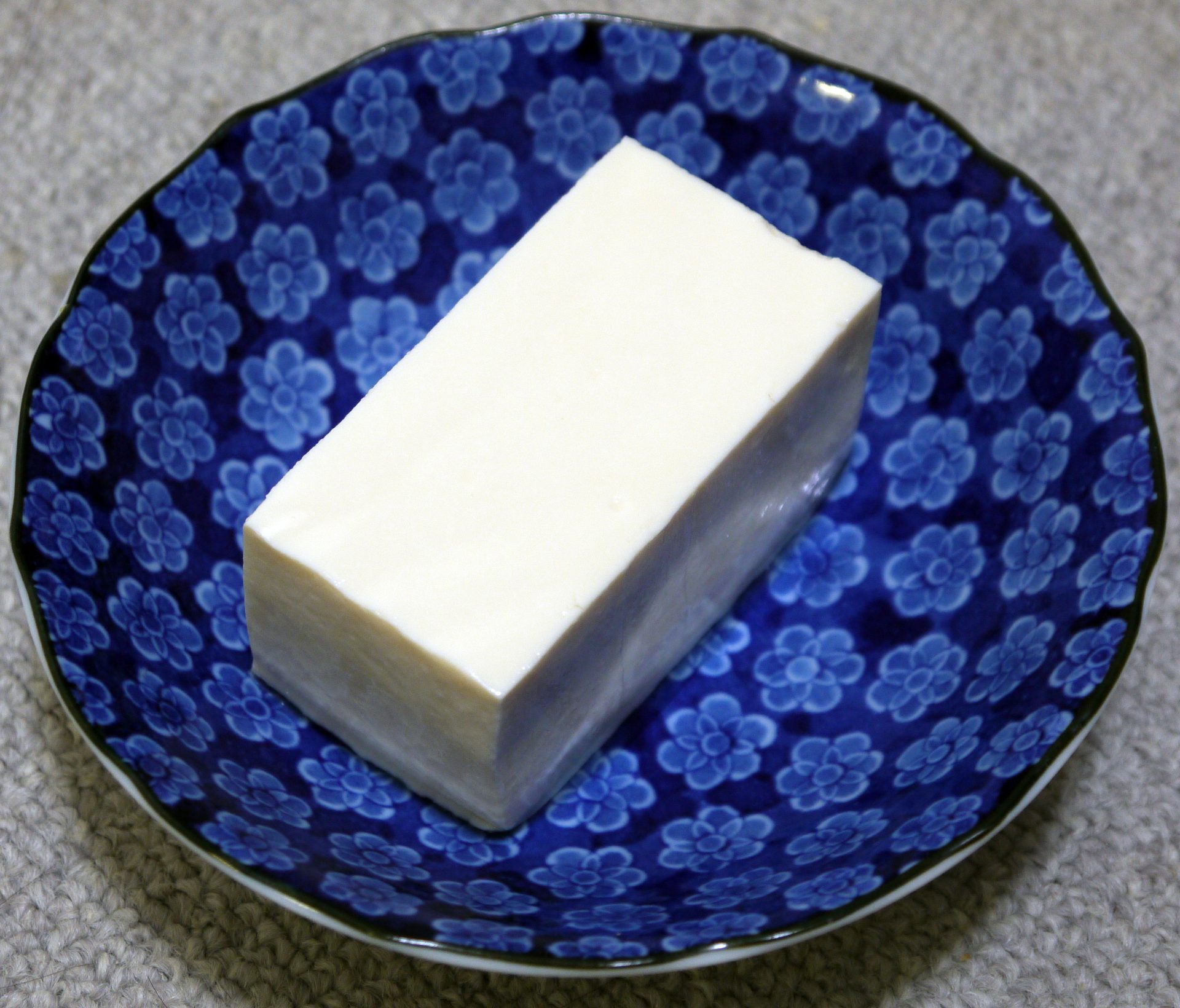
Cooked a big batch of tofu and now you’re staring at leftovers you can’t finish? Freezing is a practical option that most home cooks in the US overlook. Whether you made a stir-fry, baked a tray of seasoned cubes, or simmered tofu in a curry, freezing can extend your effort and cut down on food waste.
That said, cooked tofu behaves a little differently in the freezer than raw tofu does. Knowing what to expect — and how to prep it correctly — makes the difference between a satisfying meal and a disappointing one. This guide walks you through everything you need to know, from packing it up to knowing when to throw it out.
Can You Freeze Cooked Tofu?
Yes, cooked tofu can be frozen safely when cooled quickly, packed airtight, and eaten within about three months for good texture. This applies to firm and extra-firm varieties prepared in most common ways — baked, pan-fried, stir-fried, or simmered in sauce.
Firm and extra-firm tofu respond best to freezing. Silken tofu can be frozen, yet it usually breaks down and loses the creamy feel that makes it appealing. If you cooked with silken tofu in a sauce or soup, it’s better to refrigerate and use it within a few days rather than freeze it.
Cooked tofu lasts 4 to 5 days in an airtight container without water storage in the refrigerator, so if you’ll eat it within that window, skip the freezer altogether. For anything beyond that, freezing is the right call.
Pro Tip: Let cooked tofu cool completely before freezing. Sealing it while warm traps steam, which creates excess moisture and icy pockets that damage texture.
Does Freezing Change the Texture or Taste of Cooked Tofu?
Yes — and it’s worth understanding exactly how before you commit a whole batch to the freezer. The act of freezing completely alters the cellular structure of tofu. Because tofu is about 85% water, its protein structure expands in the freezer as ice crystals begin to form.
When tofu is frozen, its water content forms ice crystals that simultaneously draw out moisture and break down the bean curd’s protein structure. Then, as the tofu thaws, the ice crystals melt, and much of the water drains away. The now-drier tofu has a denser consistency and a slightly buttery hue due to the changes in the proteins.
When it’s thawed, the tofu turns to a porous sponge, which is great for mopping up sauces. Frozen tofu also tends to be much more elastic and chewy — a contrast to the soft, supple texture of normal tofu. Many people find this change appealing, especially in savory dishes where a meatier bite works well.
On the flavor side, the shift is subtler. Seasoning generously before cooking also helps, since some flavor fades over time in storage. If your cooked tofu was well-seasoned going in, it will hold up better coming out. The only downside to freezing tofu is that it will no longer retain its silky smooth texture and generally speaking, it’s not as fragrant as freshly made tofu.
Frozen firm or extra-firm tofu may turn slightly yellow, which is completely harmless and does not affect taste or quality. Don’t let the color change alarm you — it’s a normal result of the freeze-thaw process.
Key Insight: If you dislike the chewier, spongier texture that freezing creates, stick to refrigerating cooked tofu and eating it within 4 to 5 days. Freezing is best embraced as a deliberate choice, not a last resort.
How to Freeze Cooked Tofu the Right Way
The steps below apply whether you froze baked tofu cubes, pan-fried slabs, or tofu cooked inside a sauce or curry. Small differences in prep make a noticeable difference in quality after thawing.
- Cool it completely. Spread cooked tofu on a plate or sheet pan and let it reach room temperature before packing. Never seal warm tofu — trapped steam leads to freezer burn and soggy texture.
- Press out excess moisture (if plain or dry-cooked). Pressing tofu before you cook it reduces water, which in turn reduces ice buildup in the freezer. That leads to fewer icy pockets and a cleaner bite once thawed. For already-cooked pieces, gently blot with paper towels.
- Portion before freezing. Divide into meal-sized portions so you only thaw what you need. Lay bags flat on a tray until solid, then stack them upright like files. That saves space and makes it easy to grab exactly what you need.
- Pack airtight. Transfer the tofu to a resealable freezer bag or airtight container. Squeeze out as much air as possible before sealing freezer bags.
- Handle sauced tofu carefully. When you freeze tofu inside a sauce, try to keep that sauce fairly thick. Thin broths can separate during freezing and thawing, which leaves a watery ring around the tofu. A sauce built from tomato paste, nut butter, miso, or coconut milk usually holds up better.
- Label with the date. Write the freeze date on the bag or container so you know exactly how long it’s been stored.
How Long Can You Freeze Cooked Tofu?
For cooked tofu, most home cooks find the sweet spot between one and three months, with some sources allowing up to about five months for plain tofu. Quality degrades gradually after the three-month mark, so aim to use it sooner rather than later for the best eating experience.
For reference, here’s a quick comparison of tofu storage timelines:
| Tofu Type | Refrigerator | Freezer (Best Quality) |
|---|---|---|
| Unopened, packaged tofu | 3–5 days past best-by date | Up to 5 months |
| Opened, raw tofu (in water) | 3–5 days | Up to 5 months |
| Cooked tofu (plain or dry-seasoned) | 4–5 days | 1–3 months (best quality) |
| Cooked tofu (in thick sauce) | 3–4 days | 1–2 months |
If you like having official numbers on hand, the cold food storage chart from FoodSafety.gov lays out time ranges for many frozen foods and backs up the idea that quality limits matter more than safety in the freezer.
How to Thaw Frozen Cooked Tofu
How you thaw frozen cooked tofu affects the final texture as much as how you froze it. You have a few options depending on how much time you have.
- Refrigerator (recommended): Move the container from the freezer to the refrigerator for at least one but preferably two days. This is the safest method and preserves the best texture.
- Cold water bath (faster): Submerge frozen tofu in a sealed bag in cold water, changing the water every 30 minutes (takes up to 3 hours).
- Microwave (quickest): To defrost, it is recommended to let thaw in the refrigerator or in the microwave on a defrost setting. Use short bursts and check frequently to avoid partially cooking the edges.
- Room temperature (not recommended): Thawing for 6 hours at room temperature poses a food safety risk. Skip this method entirely.
After thawing, try to avoid leaving thawed tofu at room temperature for more than two hours, or one hour if the room is hot. Once thawed, treat it like fresh leftovers: keep it in the fridge and eat it within a day or two for best quality.
If you froze the tofu in a sauce, thaw the whole container in the fridge overnight and reheat gently on the stovetop over low heat, stirring occasionally. Adding a small splash of water or broth helps restore consistency if the sauce thickened too much during freezing. For more ideas on tofu’s role in a whole plant-based diet, it fits naturally into many meal-prep routines.
Can You Refreeze Cooked Tofu After Thawing?
This is one area where the answer is straightforward: no. Once you have thawed the tofu, it is not a good idea to refreeze it again as it will already be exposed to oxygen, water, heat, and sunlight that may change its consistency and affect its freshness.
Once thawed, prepare it immediately or leave it in the fridge for 3–5 days. Do not refreeze. Refreezing accelerates texture breakdown and raises the risk of bacterial growth, since tofu passes through the temperature danger zone twice.
The practical fix is to portion your cooked tofu before freezing. Smaller, meal-sized bags mean you only pull out exactly what you need, so nothing gets wasted and refreezing is never necessary. Tofu is also a heart-healthy food worth treating with care — proper portioning protects both quality and nutrition.
Important Note: If you thawed cooked tofu in the refrigerator and it has been sitting for fewer than 24 hours, you can safely refreeze it from a food safety standpoint — but the texture will suffer noticeably from the second freeze-thaw cycle. It’s still not recommended for quality reasons.
How to Use Frozen Cooked Tofu (Best Uses After Freezing)
The chewier, spongier texture that comes from freezing actually works in your favor in many dishes. The tiny air pockets left behind after thawing improve absorption of sauces and marinades. The firmer consistency makes it easier to slice and gives it a distinctly chewy texture.
Here are the dishes where previously frozen cooked tofu shines:
- Stir-fries: The firmer texture holds up to high heat and tossing without crumbling. Toss it in a wok with vegetables and a thick sauce for a quick weeknight dinner.
- Soups and stews: Frozen tofu can be braised, deep-fried, stir-fried, or put into a soup. The sponge-like structure soaks up broth beautifully.
- Curries: Thick curries and stews also freeze nicely, though you may want to add fresh herbs or a splash of coconut milk after reheating to liven them up.
- Baked or pan-fried again: Thawed cooked tofu can go back in the oven or skillet for a crispier finish. Pat it dry first for the best results.
- Grain bowls: Slice thawed tofu over rice, quinoa, or farro with roasted vegetables and a drizzle of tahini or soy-ginger dressing.
On the other hand, noodle-heavy stir-fries, dishes with delicate greens, and tofu mixed with crispy coatings tend to lose more appeal when frozen. If you breaded or battered your tofu before cooking, the coating will turn soggy after freezing — it’s better to freeze the plain tofu and re-bread it fresh.
Tofu is also a protein worth pairing thoughtfully. If you’re interested in how it fits into a broader wellness approach, check out this guide to powerful nutrients and foods that support overall health, or explore how certain foods support hormonal health.
Signs That Frozen Cooked Tofu Has Gone Bad
Freezing doesn’t protect tofu indefinitely, and even properly stored tofu can go off if it was already near the end of its shelf life before freezing. Use all your senses to tell if a food has gone bad by looking, touching, and smelling the tofu.
Here’s what to watch for:
- Sour or rotten smell: Tofu that has gone bad tends to be slimy and have a sour or rotten odor — fresh tofu has no odor. A sour smell after thawing is a clear sign to discard it.
- Slimy surface: Bad tofu develops a slimy film that won’t rinse off, kind of like how raw chicken gets when it’s spoiled.
- Unusual discoloration: Spoiled tofu tends to have a darker color of tan or even brown. Mold may form on the surface or you may see discoloration. Note that a slight yellow tint from freezing is normal — dark brown patches or fuzzy mold are not.
- Swollen packaging (before freezing): One spoilage indicator unique to tofu is a puffed or inflated package. If your sealed tofu package looks swollen, bulging, or pressurized, discard it without opening it. The inflation is caused by gas produced by bacterial activity inside the package.
- Off taste: If the tofu passes the smell and appearance checks but still tastes sour or fermented in an unpleasant way, don’t eat it.
Tofu is considered a high-risk food as it is an ideal breeding ground for pathogenic microorganisms, like bacteria, to grow. When in doubt, throw it out. The risk of foodborne illness isn’t worth it.
For more food storage guidance, see this related guide on freezing fresh uncooked zucchini, which covers similar principles for plant-based produce. You might also find this overview of foods that support healthy skin useful if you’re building a more intentional plant-forward kitchen.
Frequently Asked Questions
Can You Freeze Tofu That Has Already Been Marinated and Cooked?
Yes. Marinated and cooked tofu freezes well, especially if the marinade was thick (soy-based, miso, or nut butter sauces work best). Thin, watery marinades may separate slightly during freezing but can be stirred back together after thawing. Freeze in an airtight bag or container and use within one to two months for the best flavor.
Does Freezing Affect the Nutritional Value of Cooked Tofu?
Freezing has minimal impact on tofu’s protein content or core nutrition. Tofu’s high protein content also makes it a common meat substitute, and that protein is preserved through the freeze-thaw cycle. Some water-soluble nutrients may leach out with the released moisture, but the overall nutritional profile remains largely intact. Tofu is also highlighted among foods that support liver function as part of a balanced diet.
Can You Freeze Tofu Scramble?
Tofu scramble can be frozen, though results are mixed. Firm tofu scrambles with vegetables freeze better than those made with softer tofu. Pack cooled scramble in a single-serving container, freeze for up to one month, and reheat in a skillet over medium heat. Avoid freezing scrambles that contain eggs or dairy, as those components don’t hold up well.
How Do You Know If Tofu Was Already Bad Before Freezing?
Fresh tofu has a mild, slightly sweet smell or no smell at all. If it smells sour, funky, or just “off,” that’s your signal to throw it out. Always check tofu before cooking and before freezing — the freezer won’t fix tofu that was already on its way out. Tofu should be handled like any potentially hazardous food like meat, chicken, or fish.
Is Frozen Tofu Good for Meal Prep?
Frozen cooked tofu is one of the more practical meal-prep proteins for plant-based eaters. Cook a large batch on the weekend, portion into weekly servings, and freeze what you won’t eat within four days. For stir-fries, curries, and grilled tofu, lots of people prefer it this way after freezing, since the texture holds up better in bold, saucy dishes. If you’re exploring more plant-forward eating, this guide to whole plant-based foods is a helpful starting point. You can also learn about foods that support healthy eyesight to round out your plant-based meal planning.