Can You Freeze Lemon Juice and Zest? Everything You Need to Know

October 30, 2026
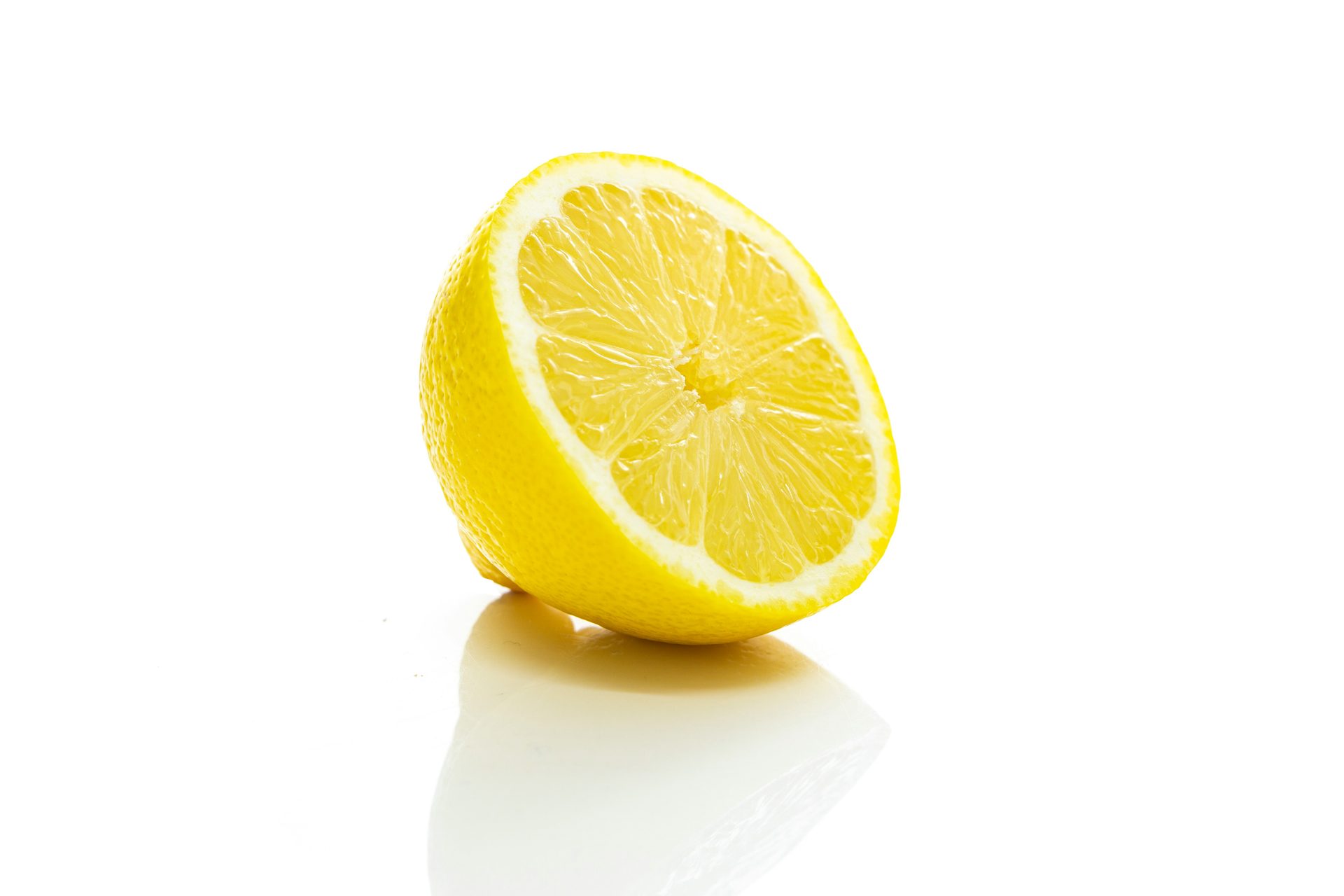
Lemons are one of those ingredients you either have too many of or can never find when you need one. If you’ve ever squeezed half a lemon for a recipe and watched the other half shrivel up in the fridge, you already know the problem. The good news: you can absolutely freeze both lemon juice and lemon zest, and doing so is one of the smartest food storage moves you can make.
Freezing lets you stock up when lemons are cheap, preserve a bumper crop from a backyard tree, or simply stop wasting the zest every time you juice a lemon. This guide walks you through everything — how to freeze each one correctly, how long they last, how to thaw them, and exactly what to do with them once they come out of the freezer.
Can You Freeze Lemon Juice and Zest?
Lemon juice freezes beautifully. Freezing lemons helps preserve their fresh flavor and usefulness for months, making it easy to enjoy citrus year-round. Whole lemons, juice, and zest each freeze well with simple prep steps, maintaining taste and versatility in drinks, cooking, and desserts.
Lemon zest is equally freezer-friendly. Because of its natural oils, the zest holds powerful lemon flavor and packs a punch even in the smallest amounts. Citrus rind is rich in oils and arguably has more flavor than the juice without the tartness. That means freezing zest is not just acceptable — it’s a genuinely good idea.
Freezing both the lemon juice and lemon zest is a handy way to prevent any homegrown or organic lemons going to waste and have a convenient stash in your freezer. Whether you grow your own, buy in bulk, or just want to stop throwing away lemon peels, the freezer is your friend.
Pro Tip: Always zest your lemons before you juice them. Once a lemon is cut and juiced, zesting it is nearly impossible. Get the zest first, then squeeze the juice.
Does Freezing Change the Texture or Taste of Lemon Juice and Zest?
The short answer is: flavor stays strong, but texture does shift slightly. Freezing lemons changes their texture and may slightly alter acidity over time, though the flavor largely remains intact. For juice and zest specifically, the flavor impact is minimal when you freeze them correctly.
Freezing lemon juice changes the texture and consistency, and it can become grainy. You may also notice some separation after thawing — this is normal. A quick stir brings it back together. Always stir well after thawing to recombine any natural separation that occurs during freezing.
For zest, the texture change is barely noticeable in cooked or baked applications. Frozen zest retains its flavor and aroma as well as frozen juice does. The only caveat: there’s no need to thaw lemon zest before baking or cooking with it, but you should slightly adjust the amount that you use. Ice crystals form over time in the freezer, adding bulk to the zest.
If you plan for juice, cooking, baking, or blending, frozen citrus performs beautifully. If you plan for fresh slices, it will disappoint — and that’s not a failure of the method. As long as you’re using frozen lemon juice and zest in recipes rather than as a fresh garnish, you’ll be happy with the results.
How to Freeze Lemon Juice and Zest the Right Way
The method you use matters. Freezing in the right portions and containers makes the difference between a convenient freezer stash and a solid block of lemon you can’t easily use.
How to Freeze Lemon Juice
- Juice your lemons. Use a manual or electric citrus juicer. Juice the lemons and strain out the seeds.
- Pour into an ice cube tray. The best way to freeze lemon juice is in ice cube trays. Divide the freshly squeezed juice between ice cube trays and freeze until solid.
- Transfer to a freezer bag. Transfer the frozen cubes to a freezer safe zip-top bag and store in the freezer.
- Label with the date. Write the date on the bag so you know exactly how long it’s been stored.
Each lemon juice cube (about one to two tablespoons’ worth for a standard ice cube tray) is the perfect serving size to brighten up dishes or drinks. This portion size is one of the biggest practical advantages of the ice cube method — you can grab exactly what a recipe calls for without thawing more than you need.
How to Freeze Lemon Zest
- Wash your lemons thoroughly. Proper handling — washing fruit, avoiding temperature swings, and using airtight containers — keeps frozen citrus bright, flavorful, and safe to use.
- Zest before juicing. Before juicing your lemons, you should zest them. Be sure to remove only the zest (yellow outer skin) and not the bitter white pith underneath.
- Spread on a parchment-lined baking sheet. Grate the zest from clean, dry lemons before juicing, then spread it in a thin layer on a parchment-lined baking sheet. Once frozen, transfer the zest to an airtight container or small glass jar and store it in the freezer.
- Freeze loose, then store. Spread zest loosely across the surface of a baking sheet lined with parchment paper or a silicone liner, then freeze this for a half hour or so. This will help keep it from clumping into one unwieldy chunk.
If you want pre-measured portions of zest, cut a few small pieces of plastic wrap and scoop out a teaspoon or tablespoon size of zest from the bowl and place onto the plastic wrap. Bundle up the wrap and place in a freezer safe bag or container. This way, you can grab exactly the amount a recipe calls for without measuring from a jar.
Pro Tip: If you use non-organic lemons, scrub the peel well with a produce brush and warm water before zesting. Non-organic or waxed lemons may need to be de-waxed before zesting.
How Long Can You Freeze Lemon Juice and Zest?
| What You’re Freezing | Recommended Freezer Time | Notes |
|---|---|---|
| Lemon juice (ice cubes) | Up to 6 months | Best quality within 3–4 months; still safe beyond that |
| Lemon zest | Up to 3 months | Flavor and aroma fade after 3 months |
| Lemon slices (frozen in water) | 4–6 months | Best for drinks, not cooking |
If you’re juicing fresh citrus, the juice will keep well in the freezer for roughly nine months. However, for the best flavor, aim to use it within six months. Frozen lemon juice can last up to 6 months in the freezer. Make sure to write the date on the bag to keep track.
For zest, keep it in the freezer for up to three months. Citrus doesn’t spoil easily in the freezer, but flavor and aroma slowly fade over time, especially zest. The sooner you use it, the brighter the flavor will be.
If you want to learn more about what lemon juice can do for your health beyond the kitchen, check out this guide on the benefits of lemon water and how it fits into a healthy daily routine.
How to Thaw Frozen Lemon Juice and Zest
Thawing frozen lemon juice and zest is simple, and in many cases you don’t need to thaw at all.
Thawing Lemon Juice
For most cooked recipes — soups, sauces, marinades, baked goods — you can drop a frozen lemon juice cube directly into the pot or pan. The heat does the work. Melt a lemon cube or two into soups that could use a touch of acidity, or thaw a cube to use in sauces and dressings.
If you need liquid juice (for a salad dressing or a drink), place the cube in a small bowl and let it thaw at room temperature for 20–30 minutes, or put it in the refrigerator overnight. Thaw the container of juice or fruit pieces either in the refrigerator or at room temperature. The juice will release easily once the fruit softens. Always stir well after thawing to recombine any natural separation that occurs during freezing.
Thawing Lemon Zest
Here’s the best part about frozen zest: you don’t need to thaw it at all. Do not thaw the zest. Use it directly from the freezer in baking or cooking. Using frozen zest preserves its maximum aroma and prevents it from clumping into a sticky mess.
If a recipe calls for fresh zest in a cold application (like a whipped cream or a no-bake dessert), let the zest sit at room temperature for just a few minutes before using. When you need lemon zest for a recipe, just let it thaw on the counter or place directly into your recipe.
Can You Refreeze Lemon Juice and Zest After Thawing?
Technically, yes — but it’s not a great idea. Each freeze-thaw cycle pulls out moisture and kills the flavor. Refreezing is safe, but quality drops fast. For juice especially, refreezing after a full thaw leads to a noticeably flatter, less vibrant flavor.
The ice cube method solves this problem entirely. Since each cube holds about one to two tablespoons of juice, you only thaw exactly what you need. The beauty of having these frozen in small portions means you can just get out small quantities when cooking and not need to fluff around with lemons and extra dishes.
For zest, the same logic applies: because you use it straight from frozen, refreezing is rarely a concern. Just scoop out what you need and put the container back in the freezer immediately.
Important Note: If you thaw a full container of lemon juice at room temperature and don’t use it all, refrigerate the remainder and use it within 2–3 days rather than refreezing it.
How to Use Frozen Lemon Juice and Zest (Best Uses After Freezing)
Frozen lemon juice and zest work in almost any recipe that calls for fresh. Here’s where each one shines:
Best Uses for Frozen Lemon Juice
- Lemonade and drinks: Add frozen lemon juice cubes to lemonade, since regular ice cubes can dilute the flavor. They chill your drink and add flavor at the same time.
- Soups and stews: Drop a cube into a pot of chicken soup, white bean stew, or any dish that needs a lift of acidity near the end of cooking.
- Marinades and dressings: Thaw a cube or two and whisk into olive oil with garlic and herbs for a quick marinade.
- Baking: Lemon bars, pound cake, muffins, and glazes all work well with frozen-then-thawed juice.
- Lemon water: Use a frozen lemon ice cube and put that in a glass of water to save time.
- Pasta and seafood: A squeeze of lemon over pasta or fish brightens the whole dish — a frozen cube melted into a pan sauce works just as well as fresh.
If you’re ever out of fresh lemons entirely, check out these best substitutes for lemon juice to keep your recipes on track.
Best Uses for Frozen Lemon Zest
- Baked goods: The application of lemon zest in sweet desserts is well known, especially with classic lemon bars. Cakes, cookies, scones, and muffins all benefit from a teaspoon of frozen zest added directly to the batter.
- Pasta and risotto: Stir frozen zest into a finished pasta dish or risotto for a bright, aromatic finish.
- Salad dressings and vinaigrettes: Whisk zest into dressings for added depth beyond what juice alone provides.
- Roasted vegetables and proteins: Sprinkle zest over roasted chicken, fish, or asparagus just before serving.
- Compound butter: Mix frozen zest into softened butter with herbs for a finishing butter that works on steak, salmon, or bread.
Simply use as much frozen zest or juice as you would fresh in any recipe. No adjustment needed for most cooked and baked applications. If you run out of zest, here’s a helpful list of substitutes for lemon zest that can work in a pinch.
Lemons are also a staple ingredient in many traditional cuisines. If you’re exploring global cooking, take a look at how citrus flavors show up in dishes from traditional Greek foods or the vibrant flavors in traditional Egyptian food.
Signs That Frozen Lemon Juice and Zest Have Gone Bad
Frozen lemon juice and zest are generally safe for a long time, but quality does decline. Here’s what to look for before you use them:
Signs Frozen Lemon Juice Has Gone Bad
- Color change: It will become darker as it goes bad. Fresh lemon juice is pale yellow; if it turns brown or deeply cloudy, discard it.
- Off smell: If it no longer smells like fresh lemons, it’s time to toss it. A fermented, musty, or yeasty odor is a clear red flag.
- Strange taste: Spoiled juice loses its distinctive citrusy flavor. Instead of being sour and slightly sweet, it will taste bad and bitter.
- Texture issues: Thick, slimy, or heavily separated texture beyond normal separation is a sign of spoilage.
- Visible mold: Visible mold or the presence of bacteria is a clear indication that the juice has gone bad. Discard it immediately.
Signs Frozen Lemon Zest Has Gone Bad
- Flat or musty smell: Frozen citrus should still smell clean and citrusy. Discard if the zest smells flat or musty, or if the juice has absorbed off-odors.
- Color loss: Discard if the color has dulled dramatically or changed significantly. Good frozen zest stays bright yellow-green.
- Freezer burn: If the zest looks dried out, whitish, or icy with no remaining aroma, it’s past its prime. It won’t make you sick, but it won’t add much flavor either.
Food kept frozen continuously at 0°F will always be safe, but quality degrades over time. When in doubt, give it a smell test. If it smells like lemons, it’s good. If it doesn’t, toss it.
Lemons are packed with vitamin C and antioxidants that support your overall health. If you’re interested in how citrus and other foods support your body, explore these articles on superfoods for a healthy heart, powerful nutrients and foods that fight cancer, and foods for healthy skin.
Frequently Asked Questions
Can you freeze store-bought bottled lemon juice?
Yes. Pour it into an ice cube tray, freeze until solid, then transfer the cubes to a freezer bag. The same method works for fresh-squeezed and commercial juice. Keep in mind that commercial lemon juice has a longer shelf life than juice squeezed straight from lemons themselves due to pasteurization, but freezing extends both even further.
Do you need to thaw lemon zest before using it?
No. There’s no need to thaw lemon zest before baking or cooking with it. Add it directly from the freezer to batters, sauces, or finished dishes. This also prevents it from clumping.
How much frozen lemon juice equals one fresh lemon?
One average lemon yields about 2–3 tablespoons of juice. One cube from a standard ice cube tray is equivalent to about 1 tablespoon. So two to three cubes generally equals the juice of one fresh lemon, depending on the lemon’s size.
Can you freeze lemon juice in a container instead of ice cube trays?
Yes, but ice cube trays are far more practical. Large containers of frozen juice are inconvenient to thaw and easy to waste. Small cubes let you grab exactly what you need without thawing a large block.
Can you freeze lemon juice and zest together?
You can freeze them separately or combined. You can place the zest into the small compartments of an ice cube tray with a little water or juice. In this way, the zest is already portioned into easy-to-use quantities. Freezing them together in a cube works well for recipes that call for both, like a lemon vinaigrette or lemon glaze.
Is frozen lemon juice as healthy as fresh?
Oxidation can reduce vitamin C content and cause off-flavors or bitterness over time, so frozen juice does lose some nutritional potency the longer it sits. For maximum nutrition, use it within three to four months. For cooking and baking purposes, the flavor and acidity hold up well. You can also pair lemon juice with other ingredients for added health benefits — see this guide on the benefits of ginger and lemon tea for ideas.
What’s the best container for freezing lemon zest?
To freeze lemon zest, use a Microplane to quickly and finely grate the peel. The zest is stored in a glass jar in the freezer and one little pint jar lasts quite a long time. A small airtight glass jar or a zip-top freezer bag both work well — just make sure it’s sealed tightly to prevent the zest from absorbing other freezer odors.