Can You Freeze Jalapeno Poppers? Everything You Need to Know

October 29, 2026
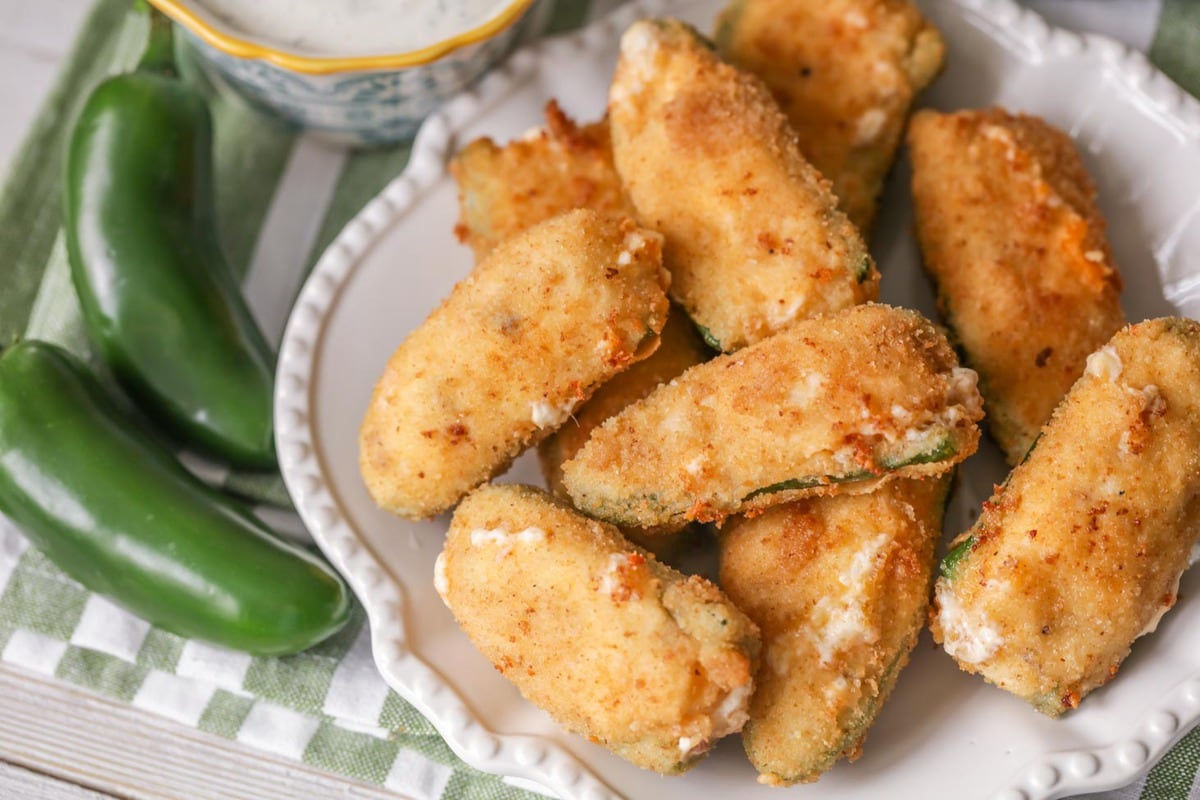
Jalapeno poppers are one of those crowd-pleasing snacks that disappear fast at game day parties and backyard cookouts across the United States — but what happens when you make too many? The good news is that freezing them is completely doable, and when done right, you can pull a batch out of the freezer weeks later and still enjoy that satisfying spicy, cheesy bite.
Whether you have leftover poppers from last night’s dinner or you want to batch-prep for an upcoming gathering, this guide walks you through everything you need to know — from how to freeze jalapeno poppers properly to how long they last and how to tell when they’ve gone bad.
Can You Freeze Jalapeno Poppers?
Yes, you can freeze jalapeno poppers. To do so, freeze them individually on a baking sheet before transferring to an airtight container or freezer bag. This applies whether your poppers are stuffed with cream cheese, wrapped in bacon, coated in breadcrumbs, or all three.
Uncooked jalapeno poppers can also be frozen. Freeze them on a baking sheet until solid, then portion them into good-quality freezer bags. If you are prepping a big batch but don’t want to cook them all right away, you can freeze raw jalapeno poppers the same way you would cooked ones.
You can fill them with cream cheese and freeze them. Some cooks actually find that jalapeno poppers are easier to grill if they’ve been frozen first — it’s the best way to keep the cheese from leaking out under high heat.
Pro Tip: Always wear gloves when handling raw jalapenos. The capsaicin oils can linger on your skin for hours and cause painful burning if you touch your eyes or face.
Does Freezing Change the Texture or Taste of Jalapeno Poppers?
The biggest concern for freezing jalapeno poppers is the texture. These snacks are popular because of their crispy texture, but when frozen, they sometimes lose that crunch. How much texture you lose depends largely on the type of popper and how well you package them before freezing.
Jalapenos have a relatively low water content compared to many vegetables, which means they hold up better in the freezer than you might expect. The capsaicin — the compound responsible for the heat — is remarkably stable through freezing and thawing. Your peppers will be just as spicy coming out of the freezer as they were going in.
Freezing does change the texture slightly. Thawed jalapenos will be softer than fresh ones, which makes them less ideal for eating raw but perfect for cooking. For poppers specifically, reheating in the oven rather than the microwave goes a long way toward recovering that crispy exterior.
There is a risk that cream cheese will become a little grainy when frozen and then defrosted, but this is negligible when used as a filling in jalapenos. Using full-fat cream cheese helps minimize this effect — full-fat cream cheese holds up better in the freezer and makes you less likely to miss the deep-fried version.
How to Freeze Jalapeno Poppers the Right Way
The method you use matters more than most people realize. Skipping the flash-freeze step is the most common mistake, and it leads to a clumped, freezer-burned mess. Follow these steps for the best results.
- Cool them down first. When freezing cooked jalapeno poppers, make sure they are properly cooled before freezing. The sudden change from hot to cold can make the peppers mushy and ruin the texture altogether. Let cooked poppers sit at room temperature for about 5 minutes before proceeding.
- Line a baking sheet with parchment paper. Jalapeno poppers should not just be packed into a container and frozen. You will first need to grab some parchment paper and a baking tray. Do not skip lining your baking tray with parchment paper.
- Arrange with space between each popper. Organize your jalapeno poppers so that there is a gap of around half an inch between each one on your baking tray. This allows the freezer’s cold air to flow better between each popper and makes for an even freeze.
- Flash-freeze until solid. Put them on a baking sheet and flash-freeze them in a single layer — this usually takes a couple of hours in the freezer.
- Transfer to an airtight container. Once frozen solid, transfer them to a freezer-safe bag or container for storage. Press out as much air as possible before sealing.
- Label with the date. Take a piece of masking tape, write the date and contents on it, and stick it to the bag or container before returning it to the freezer.
Pro Tip: Do not flash-freeze for longer than 24 hours. The longer jalapeno poppers are directly exposed to the cold air on an open tray, the more likely they are to develop freezer burn. Transfer them to an airtight bag or container as soon as they are frozen solid.
If you’re freezing bacon-wrapped poppers raw, the great thing about jalapeno poppers is that they can be wrapped in bacon before freezing. However, cooked bacon does not defrost as well as other options. So freeze your bacon-wrapped jalapeno poppers raw.
No vacuum sealer? No problem. You can use the ziplock and straw trick: put the frozen poppers into a freezer-quality ziplock bag, place a straw through the zipper and seal the bag around the straw, suck as much air out as possible, then zip the bag shut as you pull the straw out.
How Long Can You Freeze Jalapeno Poppers?
Storage time depends on how well you package them and whether they are raw or cooked. Here is a quick reference:
| Popper Type | Recommended Storage | Maximum Safe Period |
|---|---|---|
| Cooked (cream cheese stuffed) | Up to 3–4 months | 6 months |
| Raw (uncooked, stuffed) | Up to 4–6 months | 9 months |
| Bacon-wrapped (raw) | Up to 3–4 months | 6 months |
| Breaded poppers | Up to 3 months | 4 months |
Generally, you will want to use your jalapeno poppers within 6–9 months after the initial freezing date. Once they pass this age, they may start to develop freezer burn or a less appetizing flavor and texture. That said, for the best eating experience, aim to use them sooner rather than later.
Cooked jalapeno poppers don’t have to be frozen straight away — they can be kept in the fridge for a few days and then frozen. But the sooner the jalapeno poppers are frozen, the quicker their fresh flavor can be locked in, and the better they taste when reheated.
How to Thaw Frozen Jalapeno Poppers
How you thaw your poppers has a direct impact on the final texture. You have a few options depending on how much time you have.
Oven (best method for cooked poppers): Defrosting cooked jalapeno poppers is as simple as lining them up on a baking tray and putting them in the oven at a medium heat for between 5–10 minutes, or until they are hot. This method helps restore crispness better than any other approach.
Cook from frozen (best for raw poppers): This jalapeno popper recipe freezes beautifully and bakes or grills straight from frozen. You can absolutely cook jalapeno poppers straight from the freezer. Preheat your oven to 385°F and line a baking sheet with parchment paper. Remove your jalapeno poppers from the freezer and arrange them in a single layer on your baking sheet. Place the poppers in the oven and bake for 15 minutes. You may want to rotate your baking sheet or flip the poppers to crisp the other side. Return to the oven for another 10–15 minutes or until the outside is golden and crispy.
Refrigerator (overnight thaw): You can also leave them in the refrigerator overnight to thaw. This is the safest method and works well when you plan ahead. Once thawed, reheat in the oven for best texture.
Important Note: Avoid thawing jalapeno poppers on the counter for extended periods. It is essential to follow safe food handling practices, including freezing the poppers at 0°F (-18°C) or below and reheating them to an internal temperature of 165°F (74°C).
Can You Refreeze Jalapeno Poppers After Thawing?
Refreezing is not recommended. Once thawed, use your jalapenos within a day or two. Refreezing degrades texture significantly. Each freeze-thaw cycle causes more ice crystals to form inside the pepper and filling, which breaks down the cell structure and makes the final product noticeably mushier.
Freezing can have negative effects on food, particularly when it comes to texture and flavor. The formation of ice crystals can cause the food to become watery or mushy, and the freezing process can also lead to the loss of flavor and aroma. A second round of freezing compounds these effects.
The best way to avoid the refreezing temptation is to portion your poppers into meal-sized bags before freezing. Pull out only what you plan to cook and eat in one sitting, and leave the rest undisturbed in the freezer. Check out our guide on what to serve with jalapeno poppers for ideas on building a full spread around a smaller batch.
How to Use Frozen Jalapeno Poppers (Best Uses After Freezing)
Frozen jalapeno poppers are most at home in situations where they get cooked through before serving. The heat from the oven, grill, or air fryer does double duty — it warms the filling and helps restore some of the exterior crispness that freezing takes away.
- Game day appetizer: Having them on hand for a quick snack on game day or as an appetizer to go along with your favorite meal is ideal. Bake a batch straight from frozen and they’re ready in under 30 minutes.
- Air fryer poppers: The air fryer is one of the best tools for reheating frozen poppers. Cook at 375°F for 8–10 minutes, flipping halfway, for a crispy result without the oven preheat time.
- Grilled poppers: To further preserve the cheese mixture, place the poppers on an aluminum foil sheet when grilling. You can bake your poppers in the oven, but the smoky flavor a charcoal grill gives them is hard to beat.
- Party prep: By preparing a batch and freezing them, you can enjoy these savory snacks throughout the year, pulling them out for later enjoyment during the holidays or any gathering.
Pair your reheated poppers with dipping sauces like ranch, sour cream, or a honey-sriracha drizzle. For a full party menu built around bold flavors, browse ideas from food festivals in Texas or take inspiration from food festivals around the world for creative serving ideas.
Signs That Frozen Jalapeno Poppers Have Gone Bad
Even properly frozen food has a shelf life. Before you reheat a batch of poppers, take 30 seconds to check for these warning signs.
- Visible freezer burn: White or grayish dry patches on the surface of the pepper or coating indicate freezer burn. Once poppers pass the 6–9 month mark, they may start to develop freezer burn or a less appetizing flavor and texture. Mild freezer burn is safe to eat but affects quality noticeably.
- Off smell: A strong, off-putting smell is a direct indicator that your jalapeno poppers may have spoiled. When in doubt, it’s always better to play it safe and discard them.
- Mold or discoloration: If your jalapeno poppers have gone bad, you will notice a change in texture and color. They might start to get soggy, and you might spot mold or other discolorations.
- Cheese color changes: Before serving, heat your frozen jalapeno poppers and look at the color of the cheese. It should not be a dull, pale color or thick and white.
- Mold after thawing: Another thing to watch for after you thaw frozen jalapeno poppers is any mold or mildew. If you spot any, throw them away, no matter how many months have passed since you stored them in the freezer.
Important Note: Always check the poppers for any signs of spoilage, such as off odors, slimy texture, or mold growth, before consuming them. If you’re unsure about the safety or quality of the poppers, it’s best to err on the side of caution and discard them.
Frequently Asked Questions
Can you freeze store-bought jalapeno poppers?
Yes. Store-bought poppers that have been opened can be refrozen using the same flash-freeze method described above. Store-bought jalapeno poppers will usually have a specific “best by” date printed on the package, but they typically stay fresh in the refrigerator for about 7–10 days once opened. Freeze them before that window closes for best results.
Can you freeze jalapeno poppers stuffed with cream cheese?
Yes, jalapenos can be stuffed with various fillings and then frozen. There is a risk that cream cheese will become a little grainy when frozen and then defrosted, but this is negligible when used as a filling in jalapenos. Using full-fat cream cheese reduces this effect. You can learn more about how specific foods affect your body in our article on foods for healthy skin.
Do frozen jalapeno poppers lose their heat?
The capsaicin — the compound responsible for the heat — is remarkably stable through freezing and thawing. Your peppers will be just as spicy coming out of the freezer as they were going in.
Can you cook jalapeno poppers directly from frozen without thawing?
You can absolutely cook jalapeno poppers straight from the freezer. This actually works especially well for raw, uncooked poppers. Just add a few extra minutes to your bake time and confirm the filling is hot all the way through before serving.
How do you prevent freezer burn on jalapeno poppers?
If you have a vacuum sealer, seal the bag and remove all the air before placing them in the freezer. This way, there’s no chance of freezer burn since exposure to oxygen that can make food stale is eliminated. Without a vacuum sealer, double-bagging with freezer-grade zip bags and removing as much air as possible works well.
Can you freeze jalapeno poppers with bacon?
Yes, but freeze them raw rather than cooked. Cooked bacon does not defrost as well as other wrapping choices. So freeze your bacon-wrapped jalapeno poppers raw. The bacon will cook through beautifully in the oven or on the grill straight from frozen.
If you enjoy bold, flavorful foods and want to explore more about how different ingredients impact your health, check out our articles on superfoods for a healthy heart and powerful nutrients and foods that fight cancer. For more food inspiration, explore our roundup of famous foods in Boston or dive into traditional Greek foods.