Can You Freeze Shredded Cabbage? What You Need to Know Before You Try

October 27, 2026
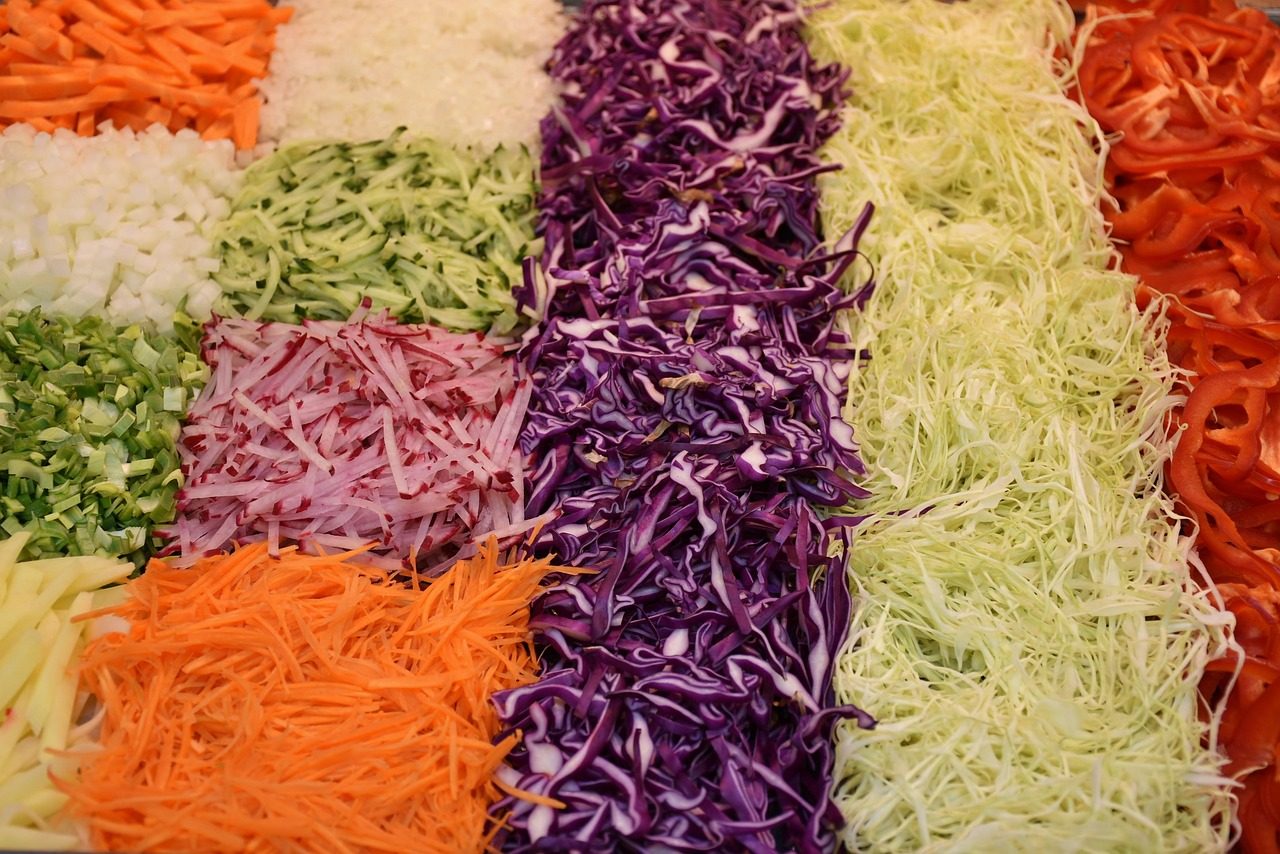
Shredded cabbage is one of those vegetables that seems to multiply the moment you buy a head. You use what you need for tacos or a stir-fry, and suddenly half a cabbage is sitting in your crisper drawer with a three-day clock ticking. Freezing is the obvious solution — but does it actually work?
The short answer is yes, you can freeze shredded cabbage, and with the right technique it holds up well for cooked dishes. The catch is knowing what changes after freezing and which methods give you the best results. This guide covers everything: how to prep and freeze it, how long it keeps, how to thaw it safely, and what to do with it once it comes out of the freezer.
Can You Freeze Shredded Cabbage?
Freezing shredded cabbage is definitely possible, and it is also a great way to save space in your freezer. Whether you shredded a fresh head yourself or bought a pre-cut bag at the store, both can go into the freezer — though the prep steps matter a lot for quality.
You can use any variety of cabbage, including red, white, green, purple, or Asian varieties. The process is the same across the board. The key decision you’ll face before freezing is whether to blanch first or skip that step — and that choice directly affects how long the cabbage lasts and how it performs when you cook with it later.
When freezing cabbage, the main choice is whether to blanch or not. The biggest factor here is your intended use. If you plan to use the cabbage relatively quickly and want the closest thing to raw cabbage, not blanching is your best bet. On the other hand, if you want the longest possible freezer life and don’t mind a slightly cooked texture, blanching is the better method.
Pro Tip: If you have a bag of store-bought shredded coleslaw mix, you can freeze it too. Open the bag, blanch the contents following the steps below, and reseal in a fresh freezer bag. For best results, use it within 2 to 3 months if you skip blanching.
Does Freezing Change the Texture or Taste of Shredded Cabbage?
Yes — and it helps to know exactly what to expect so you’re not caught off guard. When cabbage is frozen, the water inside it expands and breaks down the cell walls. This makes the cabbage mushy or limp when it thaws, especially if you freeze it raw without blanching first.
When cabbage is shredded and frozen, the ice crystals that form during the freezing process cause the cell walls to break down slightly. This breakdown is what contributes to the softer texture once it thaws. The shredded cabbage may lose some of its crunchiness, but it still retains a pleasant texture that works well in cooked dishes.
The flavor, though, holds up much better than the texture. The freezing process does not significantly alter the flavor profile of shredded cabbage. The natural taste of the vegetable remains intact, allowing it to be used as a versatile ingredient in various recipes.
If you’re wondering whether you can freeze cabbage for coleslaw, the answer is no. You can try to thaw frozen cabbage in the fridge and then use it in raw preparations like slaws and salads, but defrosted cabbage gets too soggy and won’t have the same crunchy texture you want in a coleslaw. Save frozen shredded cabbage for hot dishes — it performs best there.
How to Freeze Shredded Cabbage the Right Way
There are two reliable methods: blanching before freezing (best for long-term storage) and flash-freezing raw (best for short-term use). Here’s how to do both.
Method 1: Blanch and Freeze (Recommended)
Blanching is a step that stops enzyme activity, which can cause loss of color, flavor, and nutrients during freezing. It takes an extra 10 minutes but pays off significantly in quality and shelf life.
- Prep the cabbage. Discard any wilted or discolored outer leaves, then rinse the cabbage under cold water to remove any dirt or debris. Remove the tough core and shred the leaves to your desired thickness.
- Boil and blanch. Bring a large pot of water to a boil and prepare a mixing bowl with ice water. Once boiling, drop the shredded cabbage into the pot and cook for 30 to 60 seconds once the water returns to a boil.
- Ice bath. Remove the cabbage from the boiling water with a slotted spoon, plunge it into the bowl of ice water, and let it cool for a few minutes. Then drain and pat dry.
- Flash freeze on a baking sheet. Transfer the cabbage to a baking sheet lined with parchment paper, spread it out in a single layer, and place the baking sheet in the freezer for 1 to 2 hours until frozen solid.
- Bag and seal. Transfer the frozen cabbage to freezer bags, remove as much air as possible, and seal. Label each bag with the date.
Method 2: Flash-Freeze Raw (Short-Term)
If you don’t have time to blanch, you can still freeze shredded cabbage by placing it in airtight containers or bags. Just keep in mind that blanching preserves the vegetable for longer.
- Wash, dry, and shred the cabbage.
- Pat the cabbage dry with a paper towel to remove any excess moisture. Excess moisture can lead to freezer burn and affect quality.
- Spread it in a single layer on a parchment-lined baking sheet and freeze for 1 to 2 hours.
- Divide the cabbage into portions you will likely use in one go. Use airtight freezer bags or containers and remove as much air as possible before sealing.
- Label with the date and use within one month.
Pro Tip: Vacuum sealing offers the longest shelf life by removing air entirely and is the best method to prevent freezer burn. If you freeze cabbage regularly, a vacuum sealer is worth the investment.
How Long Can You Freeze Shredded Cabbage?
How long your frozen cabbage stays good depends largely on whether you blanched it and how well it’s sealed.
| Preparation Method | Recommended Freezer Life | Maximum Freezer Life |
|---|---|---|
| Blanched shredded cabbage | 6–9 months | Up to 10–12 months |
| Raw (unblanched) shredded cabbage | 1 month | Up to 2 months |
| Cooked cabbage (in dishes) | 2–3 months | Up to 3 months |
When stored at 0°F or below, frozen cabbage can retain its quality for about 8 to 12 months. For the best taste and texture, it’s recommended to use it within 6 to 9 months. After this time, while it may still be safe to eat, the quality will decrease.
Unblanched cabbage will only last about a month in the freezer. However, avoiding blanching can be a time-saving method if you plan to use your frozen cabbage in the near future. If you’re prepping for long-term storage, always blanch. If you just need to get through a surplus in the next few weeks, the quick raw method works fine.
Also check out our guide on freezing shredded lettuce if you’re working through a fridge full of greens at once.
How to Thaw Frozen Shredded Cabbage
How you thaw the cabbage matters for both food safety and final texture. There are two practical approaches depending on how you plan to use it.
Refrigerator Thawing (Best for Texture)
The best way to thaw shredded cabbage is by transferring it from the freezer to the refrigerator. Allow it to thaw slowly overnight or for several hours until completely thawed. Avoid thawing at room temperature, as this can promote the growth of bacteria.
Thawing in the refrigerator not only ensures food safety but also helps retain crispness and flavor. As the cabbage thaws slowly, its cell structure remains more intact, preserving texture and taste. Once thawed, squeeze out any excess water before adding it to a recipe.
Straight from Frozen (Best for Cooked Dishes)
Frozen cabbage works best when used in cooked recipes. You can add it to soups, stir-fries, and casseroles directly from the freezer — no need to thaw. This is actually the preferred method for most hot dishes because it skips a step and the heat does the work.
Pro Tip: When adding frozen shredded cabbage directly to a soup or stir-fry, add it toward the end of cooking to prevent it from becoming overly soft. A minute or two in hot liquid or a hot pan is usually enough.
Can You Refreeze Shredded Cabbage After Thawing?
Refreezing thawed cabbage is not recommended. If the cabbage has been heated or left at room temperature, you should not refreeze it. Not only will it heighten the risk of bacterial growth, but the refreezing and thawing will greatly deteriorate the flavor and texture.
The best way to avoid this situation is to freeze in meal-sized portions from the start. Always freeze shredded cabbage in usable amounts to avoid the need for refreezing. A standard portion — about one to two cups — is enough for most soups, stir-fries, or casserole recipes, so you only pull out exactly what you need.
If you thawed cabbage in the refrigerator and it has not been cooked or left at room temperature for more than two hours, it may technically be safe to refreeze, but the texture will degrade noticeably. At that point, it’s better to cook it and use it up.
How to Use Frozen Shredded Cabbage (Best Uses After Freezing)
Frozen shredded cabbage is most at home in hot, cooked applications. Once you accept that the crisp raw texture is gone, a whole range of dishes open up where it performs just as well as — or better than — fresh.
- Soups and stews: Adding thawed shredded cabbage to soups or stews releases its natural sweetness and subtle earthy notes. Its soft texture blends seamlessly with other ingredients. Think classic American beef and cabbage soup, or a simple chicken broth with vegetables.
- Stir-fries: Stir-fries are a great way to use thawed shredded cabbage. Its tender yet resilient texture allows it to retain a slight crunch even after cooking. Add it to a hot wok with garlic, ginger, soy sauce, and your choice of protein.
- Casseroles: In casseroles, thawed shredded cabbage brings a unique texture and flavor profile, adding a mild, slightly peppery taste. It works well layered into a cabbage and ground beef bake or mixed into a cheesy gratin.
- Egg rolls and dumplings: Frozen cabbage makes a great filling ingredient for egg rolls. Thaw, squeeze out excess moisture, and mix with other filling ingredients before wrapping.
- Braised cabbage dishes: Frozen shredded cabbage braises beautifully with butter, apple cider vinegar, and a pinch of caraway seeds — a staple side dish in many American Midwest and German-American households.
Cabbage is also a nutrient-dense vegetable worth incorporating into your regular diet. If you’re interested in how foods can support your health, take a look at our articles on superfoods for a healthy heart and nutrients and foods that fight cancer.
Key Insight: Use high heat when cooking frozen cabbage — stir-fries and sautés help remove extra moisture that builds up during thawing, which keeps the dish from turning watery.
Signs That Frozen Shredded Cabbage Has Gone Bad
Not all texture changes in frozen cabbage mean it has spoiled — some softness is completely normal. But there are specific signs that tell you the cabbage is no longer safe to eat.
- Freezer burn: Look for dry patches, discoloration, or ice crystals on the surface. Freezer-burned cabbage is safe to eat but will taste bland and papery. Trim away affected sections if the rest looks fine.
- Sour or off smell: A sour or off smell usually means the cabbage is no longer safe. Fresh cabbage has a mild, earthy aroma — anything sharp or ammonia-like is a red flag.
- Slimy texture: Mushy, soggy cabbage that feels slimy may have spoiled during storage. Normal thawed cabbage is soft but not slippery.
- Discoloration: Dark green leaves that have turned brown are a sign of quality loss. Some slight color change is expected, but widespread browning or gray patches signal spoilage.
- Mold: Any mold on the cabbage is a red flag. Discard the entire bag — do not try to salvage portions around moldy sections.
It is not safe to eat frozen cabbage that is starting to go bad. After you let frozen cabbage thaw, check both the look and smell for any changes. When in doubt, throw it out — cabbage is inexpensive enough that it’s not worth the risk.
Cabbage is also a great food to include as part of a broader healthy diet. Our articles on foods that support liver function and foods for healthy skin cover other nutrient-rich options worth adding to your routine.
Frequently Asked Questions
Can You Freeze a Bag of Store-Bought Shredded Cabbage?
Yes. You can blanch the store-bought shredded coleslaw before freezing, or you can also freeze it without blanching by putting the bag into another bag, sealing tightly, and keeping it in the freezer. Blanching first will give you better long-term results.
Can You Freeze Red or Purple Cabbage?
Freezing red cabbage follows the same blanching process as green cabbage and works well in cooked dishes. The one extra note: red cabbage can stain, so cover your workstation and wear gloves while chopping to avoid making a mess.
Does Frozen Cabbage Lose Its Nutritional Value?
When it comes to the nutritional value of frozen shredded cabbage, there may be a slight decrease in some nutrients due to the freezing process. However, blanching before freezing helps lock in nutrients compared to freezing raw. Blanching cabbage ensures that it retains its color, texture, and nutritional value when frozen. Overall, frozen cabbage remains a nutritious option. For more on nutrient-rich foods, see our guide on whole plant-based foods.
Can You Freeze Cooked Cabbage Dishes Like Soup?
Cabbage soup freezes well and lasts a long time. Transfer your soup into pre-portioned containers or freezer bags, and you can freeze it for around three months without it losing flavor. Let the soup cool completely before freezing, and leave some headspace in the container for expansion.
How Do You Know If Cabbage Was Frozen Too Long?
Cabbage that has been in the freezer too long, or was not blanched, will show obvious quality issues. You may notice a washed-out color, a papery or mushy texture after thawing, and a bland or slightly off taste. Always use frozen cabbage within its optimal freezer life to enjoy quality flavor and texture.
What Is the Best Way to Store Shredded Cabbage in the Freezer?
Freezer bags are the best choice due to their adaptability and compact design. Before sealing, squeeze out as much air as you can. Lay the bags flat to freeze, which saves space and allows the cabbage to thaw more evenly. Label each bag with the contents and the date so you always know what you’re working with.