Can You Freeze Homemade Fritters? Everything You Need to Know

October 27, 2026
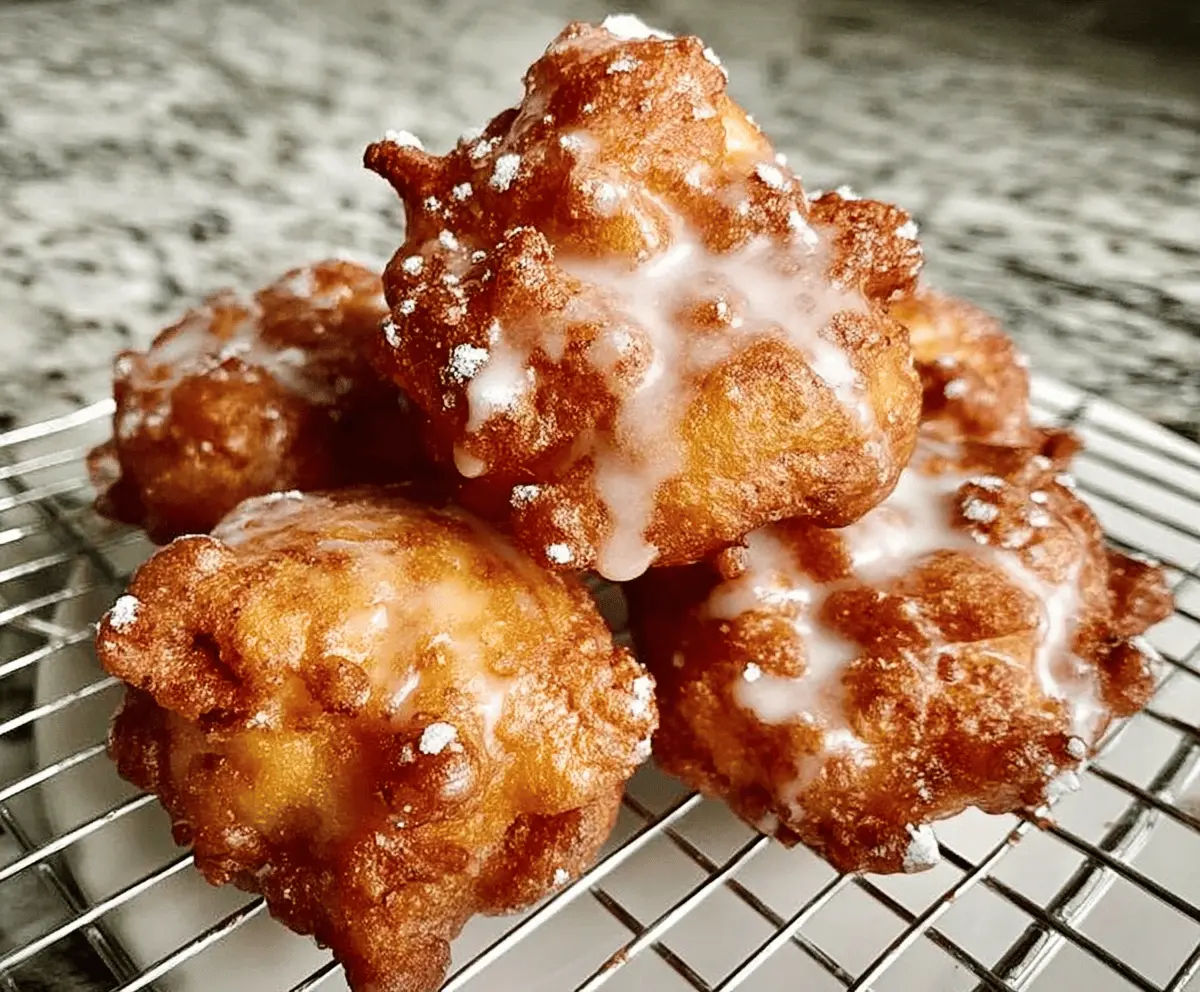
Homemade fritters are one of those foods that seem almost too good to batch-cook — golden, crispy on the outside, tender inside, and gone in minutes. But if you’ve ever made a big batch of zucchini fritters, corn fritters, or apple fritters and wondered whether you could save the extras for later, the answer is yes. You can absolutely freeze homemade fritters.
The key is knowing how to freeze them correctly so they don’t turn into a soggy, stuck-together mess. This guide walks you through everything: how freezing affects texture, the right way to pack and store fritters, how long they keep, the best reheating methods, and the signs that your frozen fritters have passed their prime.
Can You Freeze Fritters?
Fritters are great for freezing, so feel free to batch-cook by doubling or tripling your recipe, then freezing them to reheat later. This works for virtually every style of homemade fritter — vegetable fritters like zucchini or corn, savory potato fritters, and sweet varieties like apple or banana fritters.
Apple fritters, for example, really do freeze well. As a dough- or batter-based product, the fritter holds its shape and, when wrapped properly, retains its flavor. The same principle applies to most homemade fritter types. The main challenge isn’t safety — it’s preserving that crispy exterior, which takes a bit of technique.
Freezing is also a practical move for meal prep. Fritters make a great dish to make in bulk either ahead of time to save on time, or as something you can store for longer if you have leftovers. Whether you’re prepping weekday lunches or stocking up after a bumper zucchini harvest, the freezer is your friend.
Pro Tip: Freeze fritters the same day you make them. The sooner they go into the freezer after cooling, the better the texture will be when you reheat them.
Does Freezing Change the Texture or Taste of Fritters?
Honest answer: yes, freezing does affect fritters somewhat — but the impact is manageable with the right technique. Most fritters are never quite as good reheated as fresh, because it’s difficult to get the same crisp crust and they can be a little soft. That said, the flavor holds up well, and with the right reheating method you can get very close to the original texture.
Some people think that freezing fried food causes it to become chewy because of the oil absorbed by the dough. This can happen, but it’s largely preventable. Any fried food can become overly oily if you don’t let it rest. The best way to drain excess oil from your fritters — and make them more freezer-friendly — is to place them on a paper towel once cooked and pat dry.
While fritters can be stored in the fridge or freezer, they will need proper reheating to restore their crispiness. The good news is that the interior stays moist and flavorful even after freezing, so the eating experience is still satisfying — especially when you reheat them in an oven or air fryer rather than a microwave. The flavor of well-seasoned fritters holds up particularly well; it’s only the outer crust that needs a little help.
How to Freeze Fritters the Right Way
Getting the process right makes a significant difference in quality. Follow these steps for the best results:
- Cool completely first. Cool the cooked fritters as quickly as possible and then, within 2 hours, freeze them on baking sheets lined with baking parchment (parchment paper). Never place warm fritters directly into a bag — trapped steam causes sogginess.
- Pat off excess oil. Lay the cooled fritters on a paper towel and blot both sides. This reduces greasiness and helps prevent a chewy texture after reheating.
- Flash-freeze in a single layer. Spread them out in a single layer on a baking tray and put them in the freezer for at least a few hours, or overnight. Once they’ve frozen solid, transfer them to a freezer bag — they won’t stick together into one huge block.
- Wrap and bag individually (optional but recommended). If you’re not confident you’ll use all your frozen fritters at once, either wrap them individually or place them into individual zip-lock bags. This makes it easy to grab just what you need.
- Remove as much air as possible. Once you’ve wrapped each fritter, place them into a good-quality freezer bag and seal it, removing as much air as possible. Excess air is the main cause of freezer burn.
- Label with the date. It’s important to label all food that is frozen to ensure you don’t surpass its use-by date. Use a permanent marker on the bag or a freezer-safe label.
Pro Tip: You can also freeze uncooked fritter patties. You can actually freeze fritters before you fry them or after. Flash-freeze the raw patties on a lined tray, then bag them. On the day you want to cook them, remove as many patties as you want from the freezer bag, lay them in a single layer on a baking sheet for about 30 minutes, then fry as instructed.
How Long Can You Freeze Fritters?
Storage time depends on the type of fritter and how well it’s packaged. Here’s a general reference guide:
| Fritter Type | Recommended Freezer Life | Notes |
|---|---|---|
| Vegetable fritters (zucchini, corn, potato) | 2–3 months | High water content; drain well before freezing |
| Apple / sweet fritters | Up to 2 months | Dough-based; wrapping individually preserves best quality |
| Cheese or egg-heavy fritters | 1–2 months | Dairy and eggs can change texture; eat sooner for best results |
| Baked fritters | Up to 2 months | Generally hold texture better than pan-fried varieties |
Apple fritters last in the freezer for up to 2 months if stored correctly. This is considerably longer than they would keep in the fridge, but because they are a dough-based product, it is recommended to eat them sooner rather than later. The same logic applies across most fritter types — quality peaks in the first month.
Wrapping helps minimize freezer burn and dehydration, but it does not halt the gradual loss of taste and texture over time. It’s important to follow recommended storage durations to maintain food quality. If you want to explore more about storing and preparing wholesome foods at home, check out this guide to whole plant-based foods for ideas on ingredients that pair well with vegetable fritters.
How to Thaw Frozen Fritters
Thawing correctly is just as important as freezing correctly. The refrigerator method is the safest and most reliable approach for homemade fritters.
The best way to thaw frozen fritters is to remove them from the freezer, unwrap them, and place them in the fridge. Leave them overnight to ensure they thaw all the way through. If they haven’t fully thawed by the time you want to eat them, you can leave them out on the counter for up to an hour to speed up that process.
You can also reheat some fritters directly from frozen — no thawing required — which is convenient for weekday meals. You can reheat frozen veggie fritters straight from the freezer using any method you like, depending on whether you’re more concerned with speed or quality.
Important Note: Bacteria grows rapidly in the 40°F–140°F range, which food safety experts call the “danger zone.” Anything left at this temperature for over two hours can cause illness. Always thaw fritters in the refrigerator rather than leaving them on the counter overnight.
Can You Refreeze Fritters After Thawing?
It is not advisable to refreeze fritters. The dough would potentially become tough and chewy if it is constantly exposed to temperature changes, which is why freezing in individual bags or wrapping individual fritters can help prevent the need to refreeze.
Beyond texture, there’s a food safety reason to avoid refreezing. Refreezing defrosted food can compromise food safety, as the thawing process allows bacteria to multiply. The USDA’s Food Safety and Inspection Service notes that you should discard any foods that have been warmer than 40°F for more than 2 hours.
The simplest way to avoid the refreezing problem entirely is to portion your fritters before you freeze them. Freeze them in amounts you’ll realistically use in one sitting — a handful for a solo lunch, or a full batch for a family dinner. That way, you never have to thaw more than you need. For more food safety guidance, the USDA Food Safety and Inspection Service publishes detailed freezing and food safety guidelines.
How to Use Frozen Fritters (Best Uses After Freezing)
Once your fritters are thawed (or straight from the freezer), the reheating method you choose has a big impact on the final result. Here’s how each method stacks up:
| Reheating Method | Temperature / Time | Result |
|---|---|---|
| Oven | 375°F for 10–15 minutes | Crispy exterior, evenly heated; best overall quality |
| Air fryer | 350°F for 5–7 minutes | Excellent crispiness; fastest hands-off method |
| Skillet / frying pan | Low-medium heat, 3–5 minutes per side | Good crispiness; requires attention to avoid burning |
| Microwave | 60–90 seconds | Soft and slightly soggy; use only when speed is essential |
Reheating fritters in the oven — preheated to 375°F — and placing them on a baking sheet for 10–15 minutes until warmed through and crispy again is a reliable method. If you have an air fryer, this is an excellent tool for reheating fritters. Set it to 350°F and heat them for 5–7 minutes.
Avoid microwaving fritters when possible, as it can make them soft and soggy. If the microwave is your only option, place a paper towel under the fritters to absorb steam and avoid covering them.
Once reheated, frozen fritters work well in many dishes beyond a simple snack. Serve vegetable fritters alongside a green salad as a light lunch, stack them in a wrap with sour cream and salsa, or pair them with eggs for a weekend brunch. Sweet fritters like apple or banana varieties reheat beautifully for breakfast with a drizzle of honey or maple syrup. If you’re interested in ingredients that support overall wellness, explore these superfoods for a healthy heart that pair well with vegetable-based fritter recipes, or check out tips on foods for healthy skin to round out your meal planning.
Signs That Frozen Fritters Have Gone Bad
Even with proper storage, fritters don’t last forever in the freezer. Here’s what to look for before you reheat a batch:
- Freezer burn patches. Freezer burn does not make food unsafe — it merely causes dry spots. It appears as grayish-brown leathery spots and is caused by air coming in contact with the surface of the food. Small patches can be trimmed away; heavy freezer burn across the whole fritter means the quality will be poor and it’s better to discard.
- Ice crystals inside the bag. If you find ice crystals inside your zip-lock bags, that’s a sign of freezer burn. It happens as water molecules in the food work their way out toward colder areas of the freezer. The food is still technically safe to eat, but the loss of moisture means the taste and texture won’t be great.
- Off smell after thawing. If you’ve defrosted something and it smells off, it’s probably not worth cooking. Trust your nose — fritters should smell neutral to savory, never sour or rancid.
- Unusual discoloration. Some color change is normal after freezing, but significant darkening or any green or black patches after thawing are a sign the fritters have spoiled and should be discarded.
- Slimy or sticky texture after thawing. A slimy surface on a thawed fritter points to bacterial growth. Discard immediately — do not taste-test.
- No label or unknown age. It’s easy to throw something in the freezer with the intention of saving it for another day, but it becomes a problem when you don’t label the package. If you find yourself looking quizzically at a frosted package with undistinguishable contents, just toss it.
Key Insight: Your freezer should stay at 0°F (-18°C) or below at all times. The ideal freezer temperature is -18°C (0°F) or below to halt all bacterial activity, ensuring food safety and preventing spoilage. A freezer thermometer is a cheap, worthwhile investment for anyone who batch-cooks regularly.
Frequently Asked Questions
Can you freeze fritters with cheese in them?
Yes, but cheese-heavy fritters are best eaten within 4–6 weeks of freezing. Dairy can become slightly grainy or change texture after longer storage, though the flavor usually holds. According to the NDSU Food Freezing Guide
, half-and-half, sour cream, and cottage cheese can separate and become grainy and watery when frozen alone — but when these ingredients are baked or fried into a fritter batter, the effect is much less pronounced.
Can you freeze raw fritter batter instead of cooked fritters?
You can freeze raw batter, but it’s less reliable than freezing cooked fritters. Leavening agents lose effectiveness over time in the freezer, and the batter can separate. A better approach is to form the batter into patties and flash-freeze those uncooked, as described in the freezing steps above.
Do vegetable fritters freeze better than sweet fritters?
Both freeze well, but vegetable fritters — especially those made with high-moisture vegetables like zucchini — benefit most from thorough moisture removal before cooking. Do not skip adding salt to zucchini fritters. Salt helps draw out the moisture so you don’t have a soggy mess. Sweet fritters with a dough base, like apple fritters, also freeze well for up to 2 months.
Can you freeze fritters that have been refrigerated for a few days?
Yes, as long as they haven’t been in the fridge for more than 4–5 days and show no signs of spoilage. Allow them to cool completely, then place them in an airtight container. You can store fritters in the fridge for about 5 to 7 days. If you’re approaching that window, transferring them to the freezer is a smart move.
What’s the best type of fritter to batch-cook and freeze?
Baked vegetable fritters — like zucchini or corn — tend to hold up the best in the freezer because they have less oil to go rancid and a firmer structure. Pan-fried fritters freeze well too, but benefit most from the flash-freeze method and oven reheating. For recipe inspiration and ideas on nutritious ingredients to include in your fritters, take a look at these articles on fibroid-healing foods and foods that support liver function — many of the vegetables highlighted work beautifully in savory fritter recipes.