Can You Eat Watermelon While Pregnant? Yes — Here’s What You Need to Know

April 21, 2026
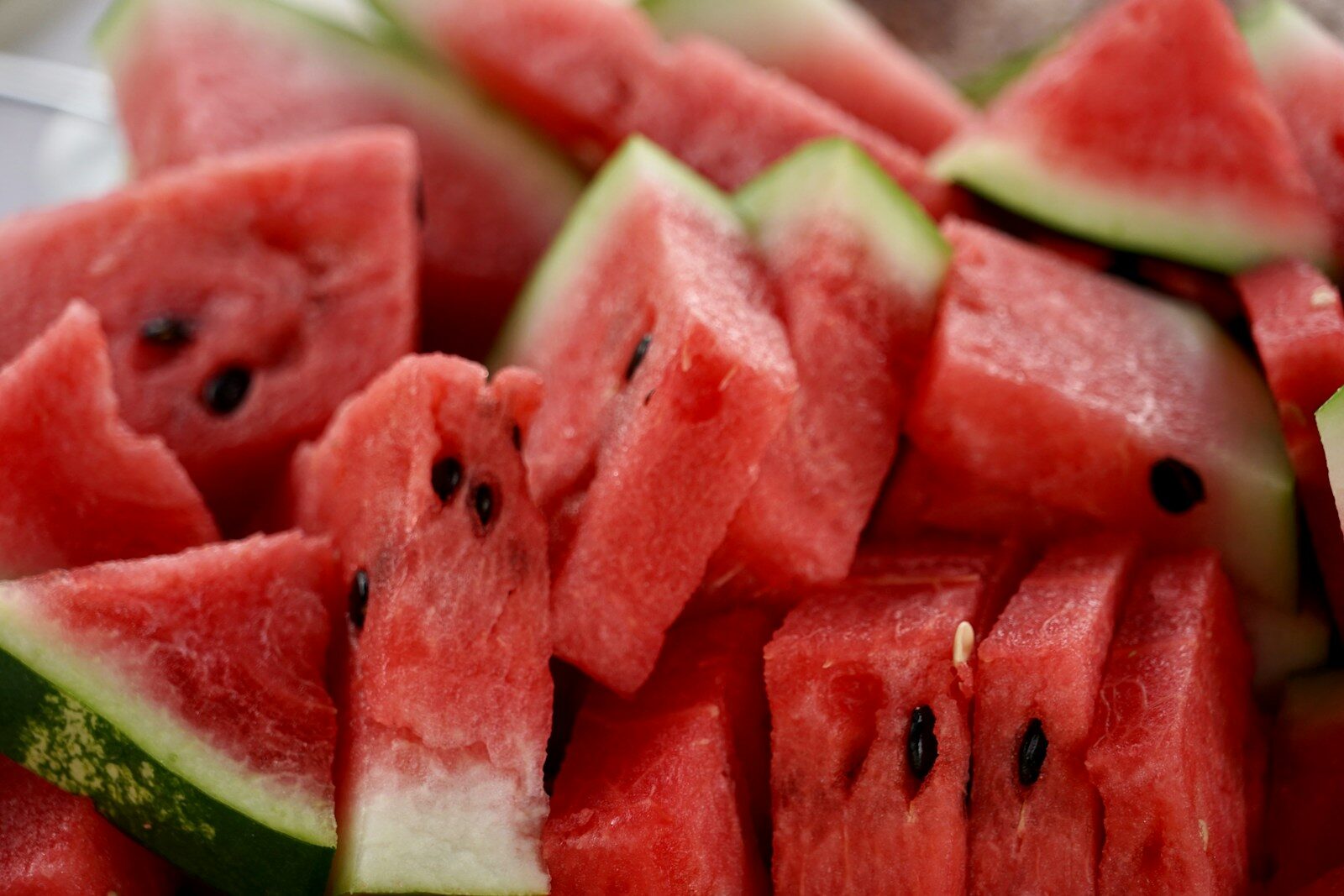
Watermelon is one of those pregnancy foods that sparks a surprising amount of debate — and most of it is unnecessary. If you’ve been second-guessing that juicy slice on a hot afternoon, you can relax. Most pregnant women can safely eat watermelon without experiencing any adverse effects.
What you actually need is clear, honest information — not a list of vague warnings that leave you more confused than when you started. This article walks you through exactly what watermelon does for your body during pregnancy, how much is the right amount, what the science actually confirms, and the small handful of situations where you may want to hold off.
Pro Tip: If you’re ever unsure about a specific food during pregnancy, your OB or midwife is your best resource — they know your full health history and can give personalized guidance.
The Short Answer
Eating watermelon during pregnancy is generally considered safe. For most women, it’s not just safe — it’s genuinely beneficial. When eaten in moderation, watermelon can be a healthy and delicious snack during pregnancy.
The one real caveat is portion size and food handling. This fruit is moderately rich in carbs and low in fiber, a combination that can cause blood sugar levels to spike if you eat too much at once. But for healthy pregnancies with no blood sugar concerns, watermelon is a genuinely smart snack choice — refreshing, low in calories, and packed with nutrients your body is actively asking for right now.
So yes, go ahead and enjoy that slice. Just keep reading so you know how to do it right.
Why It’s Safe
The fruit is composed of about 92% water, which helps keep you hydrated, and is low in calories, making it a popular choice for those looking to maintain a healthy diet. During pregnancy, both of those qualities matter more than usual.
During pregnancy, an individual’s daily fluid requirements increase to help support optimal blood circulation, amniotic fluid levels, and an overall higher blood volume. At the same time, digestion tends to slow down. The combination of these two changes may increase a woman’s risk of poor hydration. Watermelon helps address both issues in one bite.
Beyond hydration, watermelons contain a lot of vitamins and nutrients — including vitamin C, vitamin A, vitamin B6, magnesium, and potassium. All of these aid pregnant women greatly — from combating cramps to allowing the muscles to relax and avoiding the risk of premature contractions.
- Vitamin C — boosts the immune system to protect both mother and baby from infections, and is essential for collagen production, which maintains skin elasticity and supports healing as the body changes during pregnancy.
- Vitamin A — supports healthy vision, which can be affected during pregnancy, and is crucial for fetal development, including the formation of the baby’s organs and bones.
- Potassium — helps regulate blood pressure, reducing the risk of complications like preeclampsia, and maintains fluid balance, which can alleviate swelling and fluid retention, and supports muscle function, potentially easing leg cramps during pregnancy.
- Vitamin B6 — supports brain development and function, helps regulate mood, and can ease morning sickness.
- Folate — watermelon contains a moderate amount of folate, a B vitamin crucial for preventing neural tube defects in the developing baby. Adequate folate intake is essential, especially during the first trimester of pregnancy when the neural tube is forming.
- Lycopene & Lutein — watermelon is also rich in lutein and lycopene, two antioxidants that help protect the body against damage and disease. These antioxidants may promote eye, brain, and heart health and potentially offer protection against certain types of cancer.
On top of all that, a one-cup serving of watermelon has only 46 calories and less than 1 gram of fat, making it an excellent low-calorie and low-fat snack throughout pregnancy. You can also explore heart-healthy foods that pair beautifully with a pregnancy diet rich in fruits like watermelon.
Key Insight: Watermelon’s combination of hydration, essential vitamins, and antioxidants makes it one of the more well-rounded fruit choices you can make during pregnancy — not just a sweet treat.
What the Research Actually Says
It’s worth being honest here: the research on watermelon specifically during pregnancy is promising but still limited. Eating watermelon may offer some pregnancy benefits, including a reduced risk of complications, swelling, and morning sickness. However, few of these are supported by science. That doesn’t mean watermelon isn’t beneficial — it just means we should be precise about what’s confirmed versus what’s plausible.
What the evidence supports:
One study found that extracellular vesicles in watermelon fruit and juice may boost the baby’s growth during pregnancy and enhance placental function. That’s an exciting early finding, though more research is needed.
On the lycopene front, watermelon is rich in lycopene, and some studies have shown that consuming 4 mg of lycopene per day — or about 60% of the lycopene found in one cup of watermelon — can reduce the risk of preeclampsia by up to 50%. However, based on research that found lycopene supplementation could reduce preeclampsia risk, watermelon is often promoted as protective — but more recent studies have found no connection between watermelon consumption specifically and preeclampsia risk. Those studies used high-dose lycopene supplements, not watermelon.
What’s well-established:
Suboptimal hydration during pregnancy may be linked to poor fetal growth, as well as a higher risk of preterm delivery and birth defects. Watermelon’s rich water content may help meet the increased fluid requirements of pregnancy, which may reduce the risk of constipation, hemorrhoids, and pregnancy complications.
The bottom line from the research: watermelon is a nutrient-dense, hydrating food that delivers real nutritional value during pregnancy. Some of the more dramatic claims are overstated, but the fundamentals — hydration, antioxidants, essential vitamins — are solid. You can also learn more about powerful antioxidant nutrients and how they support overall health.
Important Note: Watermelon is low in fiber — less than 1 gram per cup. If fiber intake is a concern during your pregnancy, pair watermelon with higher-fiber foods like raspberries, leafy greens, or whole grains rather than relying on it as your main fiber source.
How to Eat Watermelon Safely During Pregnancy
The good news is that eating watermelon safely during pregnancy isn’t complicated. A few straightforward habits cover nearly all the risk factors.
Recommended Daily Amount
About 1–2 cups (150–300 grams) daily is ideal for most pregnant women. This gives you the watermelon benefits in pregnancy without overdoing sugar (9 grams per cup) or causing digestive issues. If you have gestational diabetes or blood sugar concerns, talk to your provider before making watermelon a daily habit — more on that below.
Safe Preparation and Storage
Food safety is especially important during pregnancy because your immune system is naturally more vulnerable. Here’s how to handle watermelon safely:
- Wash the rind thoroughly — rinse the watermelon under running water to remove dirt or bacteria like listeria, which can be harmful during pregnancy.
- Cut it fresh — slice it just before eating to avoid germs, and avoid pre-cut watermelon left out too long.
- Don’t leave it out — to minimize the risk of food poisoning, refrain from eating watermelon that has remained at room temperature for longer than 2 hours.
- Refrigerate cut pieces promptly — keep cut watermelon in the fridge and eat within 3–4 days for freshness.
- Skip pre-cut store varieties — because pre-cut fruit has a much greater chance of bacterial contamination, pregnant women should avoid pre-cut watermelon including fruit trays, mixed fresh fruit bowls, and packaged pre-cut watermelon.
Buying a whole watermelon and cutting it yourself at home is the safest approach. You can browse more about watermelon varieties and growing if you’re curious about sourcing fresh, quality fruit.
Trimester-by-Trimester Guide
| Trimester | How Watermelon Helps | Tips |
|---|---|---|
| First Trimester | Watermelon in the first trimester is safe and can ease nausea due to its gentle taste and hydration. Its mild flavor is easy on a queasy stomach. | Keep portions to 1–2 cups; try frozen watermelon chunks if nausea is severe |
| Second Trimester | Watermelon soothes heartburn and reduces swelling; its high water content and natural sugars can help reduce morning sickness and dehydration; and the minerals it contains may help prevent muscle cramps during the second trimester. | Great as a midday snack; pair with protein like Greek yogurt to balance blood sugar |
| Third Trimester | Watermelon is safe during the third trimester. It helps reduce swelling and heartburn, common in late pregnancy. Its cooling effect can soothe the body, and it provides essential nutrients like potassium. | Watch portions if swelling and frequent urination are already significant; stay within 1–2 cups daily |
What About Watermelon Seeds?
A common myth is that watermelon seeds are harmful during pregnancy, which isn’t true — they’re safe if consumed in moderation. Watermelon seeds in pregnancy are safe in small amounts, especially if roasted or sprouted. They offer protein to support tissue growth, magnesium to boost energy and reduce cramps, and iron to help prevent anemia, which is common in pregnancy. You can learn more about the nutritional value of watermelon seeds if you want to make the most of the whole fruit.
Pro Tip: Pair your watermelon with a small handful of nuts or a serving of Greek yogurt. The protein and fat slow digestion and reduce the blood sugar impact — a smart habit whether or not you have gestational diabetes.
Fun Ways to Enjoy Watermelon While Pregnant
You don’t have to eat watermelon straight off the rind (though that works perfectly fine). Other than just cutting it up and eating it like a fruit, you can prepare watermelon juice, lemonade, eat it in a salad or salsa, or even make popsicles. A watermelon-mint salad with a squeeze of lime is especially refreshing in the warmer months — and easy to prep in advance for a quick, hydrating snack.
When to Avoid It Completely
Watermelon is safe for the vast majority of pregnant women, but there are specific situations where you should pull back or skip it entirely — at least until you’ve spoken with your healthcare provider.
Gestational Diabetes
Eating watermelon during pregnancy is generally considered quite safe for pregnant women. However, this fruit is relatively high in carbs and low in fiber, a combination that can cause blood sugar spikes. Women with pre-existing diabetes or those who develop high blood sugar during pregnancy — known as gestational diabetes mellitus — may want to avoid consuming large portions of watermelon.
That said, it doesn’t have to be an all-or-nothing situation. Whether you have Type 1, Type 2, or Gestational Diabetes, watermelon can still fit in your carbohydrate allowance. If counting carbohydrates is part of your diabetes management, consider 1¼ cups of watermelon to be a single carbohydrate serving. Talk to your doctor or registered dietitian to understand whether and how watermelon fits into your specific meal plan. You can also explore foods and beverages to avoid during pregnancy for a broader picture of pregnancy food safety.
Digestive Sensitivity
Watermelon’s water and fructose content can sometimes cause bloating, diarrhea, or stomach cramps, especially if eaten in large amounts. Pregnant women with sensitive digestion may need to moderate intake. If you notice consistent digestive discomfort after eating watermelon, scale back your portions or take a break from it.
Excessive Urination
Watermelon is a natural mild diuretic. If you’re already making frequent nighttime bathroom trips — a common third-trimester reality — eating large amounts of watermelon in the evening can make that worse. Watermelon increases fluid intake. If you’re going to the bathroom too much, limit your portion. Enjoy it earlier in the day instead.
Watermelon Allergy
Avoid watermelon if you’re allergic to it — this is very rare, but worth noting. If you experience itching, hives, or swelling after eating watermelon, stop immediately and contact your healthcare provider.
Common Mistake: Leaving cut watermelon sitting on the counter during a meal or gathering. During pregnancy, the 2-hour rule is firm — anything beyond that raises your risk of bacterial contamination. Refrigerate leftovers promptly.
Quick Reference Chart
Use this at-a-glance guide to quickly check where watermelon lands in common pregnancy scenarios.
| Situation | Status | What to Do |
|---|---|---|
| Healthy pregnancy, no blood sugar issues | ✅ Safe | Enjoy 1–2 cups daily; wash rind, cut fresh |
| First trimester with morning sickness | ✅ Safe & Helpful | Mild flavor and hydration help ease nausea |
| Second trimester swelling or heartburn | ✅ Safe & Helpful | Potassium and water content can reduce both |
| Third trimester discomfort | ✅ Safe | Limit evening consumption if urination is frequent |
| Gestational diabetes diagnosis | ⚠️ With Caution | Consult your doctor; stick to small portions paired with protein/fat |
| Pre-existing Type 1 or Type 2 diabetes | ⚠️ With Caution | Can fit into carb allowance — ask your dietitian |
| Pre-cut watermelon from store or market | ⚠️ With Caution | Higher contamination risk — buy whole and cut at home |
| Watermelon left out >2 hours | ❌ Avoid | Discard it — bacterial growth risk is too high during pregnancy |
| Watermelon allergy | ❌ Avoid | Skip entirely; speak to your provider about alternatives |
| Chronic digestive issues (bloating, diarrhea) | ❌ Avoid or Limit | Reduce or eliminate; monitor your response |
| Watermelon seeds (roasted or chewed) | ✅ Safe in Moderation | Small amounts are fine; provide iron, magnesium, and protein |
| All watermelon varieties (seedless, yellow, mini) | ✅ Safe | All types, including seedless, mini, and yellow-fleshed varieties, are safe during pregnancy. |
For a broader look at which foods need more careful thought during pregnancy, the guide on foods and beverages to avoid during pregnancy is a helpful companion resource. You might also want to review the pros and cons of eating seafood during pregnancy, as it’s another commonly debated food group.
Frequently Asked Questions
Can I eat watermelon every day while pregnant?
Yes, for most women. Yes, but stick to moderate servings. One to two cups a day is ideal. If you have gestational diabetes, consult your doctor first. Daily consumption is perfectly reasonable as part of a varied diet — just don’t let it crowd out higher-fiber fruits and vegetables.
Can watermelon cause a miscarriage?
Watermelons are generally safe to consume during pregnancy and consumption of watermelon in pregnancy is not linked to miscarriage. Watermelon does not lead to a miscarriage or abortion. Most pregnant women are advised to take watermelon without fear of the negative impact of its content on the unborn baby. This is a persistent myth with no scientific basis.
Is watermelon good for pregnancy nausea?
It can be. Nausea and vomiting, commonly referred to as morning sickness, can be an unpleasant part of pregnancy. Watermelon’s mild flavor and high water content can help soothe nausea and provide relief to pregnant women experiencing morning sickness. Frozen watermelon chunks or popsicles can be especially soothing when nausea is at its worst.
Does watermelon help with pregnancy swelling?
Yes, it may. Edema, or swelling, is a common occurrence during pregnancy due to fluid retention. Watermelon’s diuretic properties can help reduce swelling and ease the discomfort associated with swollen hands and feet. Potassium also plays a role by helping your body regulate fluid balance more efficiently. You can read more about foods that support healthy skin during pregnancy, which also addresses hydration and inflammation.
Can I eat watermelon if I have gestational diabetes?
Possibly, with guidance. To further decrease the impact watermelon has on your blood sugar, try eating the melon as part of a full meal. Protein, fats, and fiber all slow digestion and therefore slow the release of sugar into your blood. If you have gestational diabetes, talk to your doctor to monitor sugar intake from watermelon during pregnancy.
Is it safe to eat watermelon at night during pregnancy?
It’s not harmful, but it’s not ideal for everyone. Watermelon’s natural diuretic effect can increase nighttime urination, which is already a common complaint in the second and third trimesters. If nighttime bathroom trips are disrupting your sleep, keep watermelon to daytime hours and limit evening portions. Otherwise, a small serving is perfectly fine.
What about watermelon juice during pregnancy?
Fresh watermelon juice made at home is safe and hydrating. Be cautious with store-bought or pre-made juices — they may contain added sugar, preservatives, or be made from fruit that wasn’t handled safely. Understanding food preservatives can help you make more informed choices when reading ingredient labels during pregnancy. Always opt for freshly prepared juice when possible, and stick to reasonable portions.
Can eating too much watermelon harm my baby?
Eating too much — over 3 cups daily — could cause bloating or sugar spikes, especially if you have gestational diabetes. Excessive intake isn’t beneficial, but moderate daily amounts are not harmful to your baby. While watermelon is safe during pregnancy, portion control is essential. It’s better to enjoy small amounts often than too much at once.
If you want to continue building a strong pregnancy nutrition plan, exploring whole plant-based foods and nutrient-dense foods for hormonal and reproductive health can give you even more options for nourishing yourself and your baby throughout each trimester.
This information is for educational purposes only and is not intended as medical advice. Always consult with a qualified healthcare professional before making health decisions during pregnancy.