Can You Freeze Pancakes After You Make Them? (Yes — Here’s How)

October 26, 2026
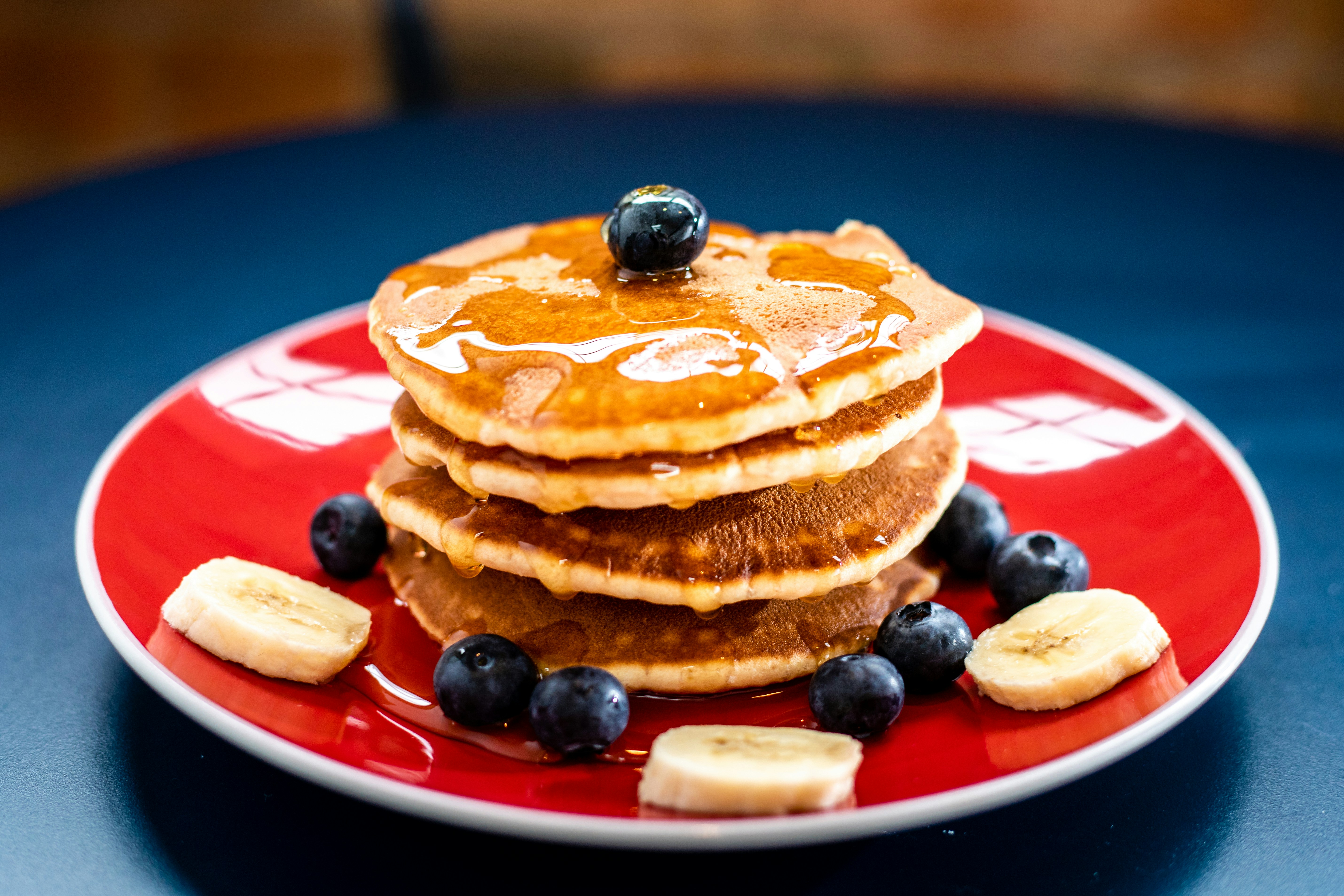
Making a big batch of pancakes on a Sunday morning is one of the easiest ways to set yourself up for a faster week. Instead of making just enough for one meal, you can make a double batch and freeze the extras to quickly reheat throughout the week. It takes almost no extra effort, and the payoff is real.
The short answer is yes — you can absolutely freeze pancakes after you make them. The key is knowing how to do it correctly so they come out of the freezer tasting as good as they did off the griddle. This guide walks you through every step, from cooling to storage to reheating, along with what to watch for when things go wrong.
Can You Freeze Pancakes?
Pancakes freeze very well. Whether you made a classic buttermilk stack, blueberry pancakes, or a protein-packed version, the freezer handles them all without much fuss. This method allows you to have your favorite pancakes on hand at all times without having to buy them already frozen at a higher cost.
This is especially helpful if you’re making a batch of gluten-free pancakes or specialty varieties that aren’t available pre-frozen at the store. Freezing your own also means you control the ingredients — no preservatives, no mystery additives, just the pancakes you made yourself.
Pro Tip: Double or triple your pancake recipe specifically to freeze the extra batch. The cooking time is nearly the same, and you’ll thank yourself on a busy Tuesday morning.
Does Freezing Change the Texture or Taste of Pancakes?
This is the question most people have before they try it. The good news: cooling pancakes completely, freezing them in a single layer, and storing them properly keeps the texture soft instead of rubbery — and with the right approach, frozen pancakes can reheat just as well as fresh.
The bad news is that skipping steps does affect quality. If you freeze pancakes while they’re still warm, condensation will form and lead to soggy pancakes later. Freezer burn is the other enemy — it won’t make pancakes unsafe, but if dry spots or discolorations develop on frozen pancakes, freezer burn has begun to set in, and it will harm the texture and taste.
Pancakes containing protein powder do tend to dry out a touch upon thawing, but a drizzle of syrup takes care of that easily. For most standard recipes, you won’t notice a meaningful difference when you reheat them correctly.
How to Freeze Pancakes the Right Way
The process takes about five minutes of hands-on time, plus one to two hours of freezer time for the initial freeze. Follow these steps and your pancakes will hold up well for months.
- Cool completely. Allow pancakes to cool completely first — this is important. If you toss warm pancakes in the freezer, they will stick together. Set them on a wire rack so air can circulate underneath.
- Flash freeze. Arrange the pancakes in a single layer on a baking sheet lined with parchment paper, making sure they’re not touching, then place the tray in the freezer for about 1 hour or until firm. This is what prevents them from freezing into one solid clump.
- Transfer to a freezer bag. Once firm, transfer the pancakes to a freezer-safe resealable bag or airtight container. Place a piece of parchment paper between each pancake to prevent sticking, and label the bag with the date and type of pancake.
- Remove the air. Remove as much air as possible — you can press the bag down gently around the pancakes or seal it almost all the way to the edge and suck out the air as a sort of DIY vacuum seal. Less air means less freezer burn.
- Store in the coldest part of your freezer. Keep them in the coldest part of the freezer to maintain quality, and store in an airtight container or resealable freezer bag to prevent freezer burn and absorption of odors from other foods.
Pro Tip: For short-term storage up to one month, there’s no need to individually wrap each pancake. For longer storage of two to three months, wrap pancakes in plastic, parchment, or wax paper for best results.
How Long Can You Freeze Pancakes?
Storage timelines vary slightly depending on the source, but the general consensus points to two to three months for peak quality. Pancakes will keep in a freezer for up to 3 months. According to StillTasty , properly stored frozen pancakes will maintain best quality for about 2 months in the freezer, although they will usually remain safe to eat after that.
Some sources suggest you can push that window a bit further. You can store pancakes in the freezer for up to 6 months. The practical reality is that quality degrades the longer they sit, so eating them within the two-to-three-month window gives you the best experience.
| Storage Method | How Long They Last | Best For |
|---|---|---|
| Room temperature | 1–2 days | Same-day or next-day eating |
| Refrigerator (airtight container) | Up to 5–7 days | Short-term meal prep |
| Freezer (properly sealed) | 2–3 months (best quality) | Long-term batch cooking |
Always label your bags with the date you made them. Be sure to label with the date, and freeze for up to 3 months for best quality. That way you’re never guessing how old a bag in the back of your freezer actually is.
How to Thaw Frozen Pancakes
You have a few solid options depending on how much time you have and what texture you’re going for. Whether you need two pancakes for breakfast or want to thaw a whole batch, you can thaw pancakes in several ways.
- Microwave (fastest): Place pancakes in a single layer on a microwave-safe plate and heat in 30-second increments to thaw and heat thoroughly. Flip the pancakes when you check on them. It usually takes between 60 and 90 seconds to reheat a few pancakes.
- Toaster (crispier edges): Pop frozen pancakes in the toaster and heat for 1 to 2 minutes, watching carefully so they don’t get too crispy. This method gives you slightly crisped edges, which many people prefer.
- Oven (large batches): To reheat an entire batch all at once, preheat the oven to 350°F. Place the pancakes in a single layer on a baking sheet and cover with foil. Bake for about 10 minutes, or until hot. The foil will keep them from drying out.
- Air fryer: The air fryer is a quick way to reheat pancakes at 340°F for 4 to 6 minutes. If you stack the pancakes, flip them halfway through; otherwise, layer them in a single layer at the bottom of the air fryer basket.
- Refrigerator overnight: Pancakes will thaw in a couple of hours in the refrigerator. Transfer the bag the night before if you want them ready to go in the morning with minimal reheating.
Pro Tip: When you’re rushed on a busy weekday morning, microwave the pancake for 60 seconds then finish in the toaster for another minute to crisp up the edges. This two-step method gives you the best of both worlds — heated through and not soggy.
Can You Refreeze Pancakes After Thawing?
Refreezing is technically possible, but it comes with trade-offs. When removing pancakes from the freezer, it’s important to do this quickly and place the remaining pancakes back in the freezer quickly, so the quality of the frozen pancake doesn’t deteriorate over time.
The main concern with refreezing is food safety, not just quality. The main risk comes from partial thawing then refreezing, or prolonged temperature rise into the danger zone of 40 to 140°F, where bacterial growth accelerates. If your pancakes thawed fully at room temperature for more than two hours, it’s safer to eat them now rather than refreeze.
If you thawed them in the refrigerator and they’re still cold, refreezing is safer — but the texture will take a hit each time they go through a freeze-thaw cycle. After pancakes have been thawed in the refrigerator, they are safe to eat within 1 to 2 days, stored at or below 40°F to prevent bacterial growth.
The smarter move is to freeze pancakes in small portions — two or three per bag — so you only pull out what you need. That way, refreezing rarely becomes an issue. For more smart food choices that support a healthy lifestyle, the way you store and prep food matters just as much as what you eat.
How to Use Frozen Pancakes (Best Uses After Freezing)
Reheated pancakes aren’t limited to a plate with syrup. Once you have a stash in the freezer, there are plenty of ways to use them beyond a traditional breakfast stack.
- Weekday breakfast sandwiches: Use two pancakes in place of bread and fill with scrambled eggs, cheese, and a slice of Canadian bacon. It reheats fast and travels well.
- Pancake roll-ups: Warm a pancake in the microwave, spread peanut butter or cream cheese down the center, and roll it up. It’s a quick snack or lunchbox addition that kids in the US tend to love.
- Mini pancake stacks for kids: Silver dollar-sized pancakes freeze especially well and make easy finger food for toddlers. You can even serve them at room temperature once thawed.
- Pancake ice cream sandwiches: Let two pancakes cool to room temperature, add a scoop of vanilla ice cream in between, and freeze. A simple dessert that uses your frozen stash in a completely different way.
- Topped with fresh fruit: Top reheated pancakes with fruit and a drizzle of honey or maple syrup for a fast, satisfying breakfast that feels fresh even on a hectic morning.
If you enjoy experimenting in the kitchen, learning how to make purple food coloring or how to make brown food coloring at home can help you add a fun visual twist to your pancake batches before freezing — especially for themed breakfasts or holiday mornings.
Signs That Frozen Pancakes Have Gone Bad
Frozen pancakes don’t spoil the same way fresh food does, but they can still go bad — or at least go unpleasant. Here’s what to look for before you reheat a batch.
- Freezer burn: Check for any signs of freezer burn, such as ice crystals or discoloration. This won’t make them dangerous, but the texture will be dry and the flavor flat. You can trim affected areas and still eat the rest, or toss them if the damage is widespread.
- Off smell: Smell the pancakes for any off odors, like a rancid or sour smell. If something smells wrong, trust your nose and throw them out.
- Mold: Visible mold growth indicates spoilage. This is uncommon in properly frozen pancakes, but it can happen if moisture got into the bag before sealing.
- Strange texture after thawing: Pancakes that feel slimy or excessively dry should be thrown away. A slight change in softness is normal; sliminess is not.
- Odd taste: If a pancake tastes bitter, stale, or just “off” after reheating, don’t eat the rest of that batch. Consuming pancakes that have degraded may result in changes in texture, flavor, and potentially compromised safety.
Important Note: Freezer burn does not make food unsafe — it’s a quality issue, not a safety issue. However, if pancakes have fully thawed and sat at room temperature for more than two hours, the USDA food safety guidance is to discard them rather than refreeze or reheat.
Knowing when to toss food is part of eating well. If you’re also thinking about what foods to include more of in your diet, check out these fibroid healing foods or learn about foods that promote healthy eyesight for more practical nutrition guidance.
Frequently Asked Questions
Can you freeze pancake batter instead of cooked pancakes?
Yes. If you love fresh pancakes off the griddle, you can freeze the batter inside a zip bag with the air removed and placed flat on a tray. Once frozen, you can store the frozen batter bag in your freezer for up to 3 months. To thaw, remove it from the freezer overnight or soak it in cold water for an hour.
Do you need to thaw frozen pancakes before reheating?
No. Most reheating methods work directly from frozen. You can pull whatever you need for breakfast out of the freezer bag and pop them frozen into the toaster on a medium setting. The microwave and oven methods also work from frozen without any pre-thawing.
Can you freeze pancakes with mix-ins like blueberries or chocolate chips?
Yes, pancakes with fruit, chocolate chips, or other mix-ins freeze just as well as plain ones. All pancake recipes freeze successfully with the right method. Fruit-filled pancakes may release a little extra moisture when thawed, so reheat them on a rack or in a toaster rather than the microwave for better texture.
How do you keep frozen pancakes from getting soggy when reheated?
Place pancakes on a microwave-safe plate and cover them with a damp paper towel, then heat in 20-second intervals until warm — this prevents them from drying out without steaming them into mush. For crispier results, finish in a toaster or on a skillet for 30 seconds per side.
Is it safe to freeze store-bought pancakes that have already been thawed?
If pancakes have been at room temperature for 2 hours, it’s best to discard them. If they were thawed in the refrigerator and are still cold, you have a narrow window to refreeze — but quality will suffer. When in doubt, eat them now rather than risk a second freeze-thaw cycle.
Can you freeze waffles the same way?
Yes — waffles freeze the same way as pancakes. The same cooling, flash-freezing, and storage steps apply. Waffles actually tend to reheat especially well in the toaster because of their grid texture.
Freezing pancakes is one of those small kitchen habits that saves real time over the course of a week. Make a big batch, follow the steps above, and you’ll have a fast, homemade breakfast ready whenever you need it — no drive-through required. For more ideas on keeping your kitchen and home organized efficiently, take a look at these storage tips that apply the same “batch and store” logic to other areas of your life.