Can You Freeze Potato Salad Without Mayonnaise? What You Need to Know

October 23, 2026
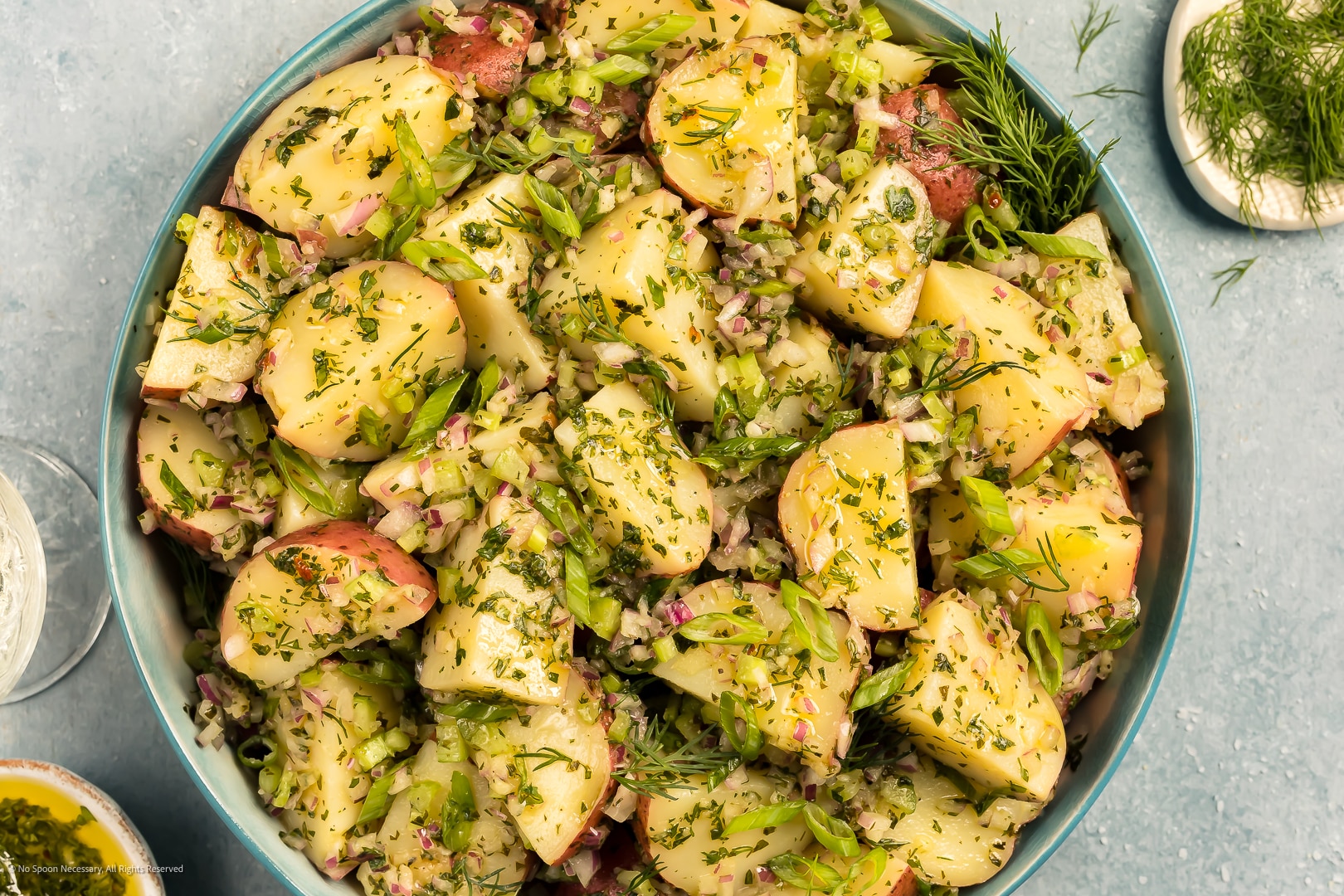
You made a big batch of potato salad for a cookout, and now you’re staring at a container full of leftovers. If your recipe skipped the mayonnaise — maybe you went with a vinegar-based German-style dressing or a simple olive oil and mustard blend — you’re in better shape than most. Freezing mayo-free potato salad is possible, and in some cases it actually works reasonably well.
That said, “possible” and “perfect” are two different things. Before you toss that container in the freezer, it helps to understand exactly what happens to potato salad during freezing, which styles hold up best, and how to get the most out of what you’ve got. This guide walks you through everything, from packing it properly to knowing when to throw it out.
Can You Freeze Potato Salad Without Mayonnaise?
Freezing potato salad without mayonnaise is possible and may result in better texture retention than freezing a mayonnaise-based version — though quality and taste can still be affected, so it’s worth keeping your expectations in check. The key factor is your dressing. Vinegar-based potato salads tend to freeze better than those with mayonnaise-based dressings.
Without mayonnaise, a vinaigrette-flavored potato salad — such as traditional German potato salad — can be placed in the freezer, though how it comes out is another story. When thawed, the liquids tend to separate from the potato, and some have described the results as a chilled, soupy salad. So while it’s a safer bet than freezing a creamy version, you’ll still want to use the right technique.
If your recipe is completely mayo-free and uses a mustard, vinegar, or oil base, go ahead and freeze it — just follow the steps below carefully. If it contains hard-boiled eggs, sour cream, or Greek yogurt alongside the vinegar dressing, read the next section first.
Pro Tip: The best candidate for freezing is a simple vinegar-and-oil potato salad made with waxy potatoes like red or Yukon Gold. Skip the fresh herbs and hard-boiled eggs before freezing, and add them fresh when you’re ready to serve.
Does Freezing Change the Texture or Taste of Potato Salad?
Yes — and it’s worth being honest about how much. While freezing potato salad is possible, the result won’t match the freshness of a newly made batch. The texture will be softer, and the flavors may be slightly muted.
Potatoes generally freeze quite well in dishes like casseroles and soups, but in potato salad the texture may change after freezing. The potatoes might become mealy or mushy after thawing, so it’s important to choose firm varieties — like red or Yukon Gold — that hold their shape better.
The dressing type makes a big difference. Vinegar-based dressings, like those in German or French styles, tend to fare better during the freezing and thawing process. Stirring the dish can help recover some texture if it has separated. Though the potatoes may turn gray and the oil may look cloudy, vinegar-based salads should not lose much of their flavor.
Other mix-ins matter too. Eggs can be tricky to freeze in salads because the yolks may become rubbery after thawing. Herbs add flavor to your potato salad, but their appearance and texture may be compromised when frozen — so instead of using fresh herbs, opt for dried ones when planning to store the salad in the freezer. Spices, on the other hand, freeze and thaw very well, so feel free to be generous with your favorite spices, as they’ll retain their flavor throughout freezing.
How to Freeze Potato Salad the Right Way
Good technique makes a real difference here. Rushing the process or using the wrong container can turn a decent result into a watery, freezer-burned mess. Follow these steps for the best outcome with your mayo-free potato salad.
- Cool it completely first. Cool the potato salad completely before freezing, within two hours of preparation. Putting a warm batch directly in the freezer raises the internal temperature of your freezer and promotes ice crystal formation, which worsens texture.
- Portion it out. Divide the salad into meal-sized servings before freezing to avoid repeated thawing and refreezing, which can degrade quality and increase the risk of bacterial growth.
- Choose the right container. Opt for airtight, freezer-safe containers made of glass or BPA-free plastic — these materials are durable and won’t leach chemicals into the food. For flexible storage, heavy-duty freezer bags also work well.
- Freeze in a flat, single layer. Whether your potato salad is homemade or store-bought, the key to freezing it successfully is to store it in a single layer. This approach helps it thaw more quickly and minimizes the risk of textural spoilage, which can occur when the salad is stored as a block and the middle stays frozen for a longer period.
- Remove as much air as possible. If you’re using the plastic bag method, squeeze out as much air as possible from the bag while making sure not to mash the potatoes.
- Label with the date. Label each container with the date and contents, ensuring you consume the oldest portions first.
Pro Tip: If you know you’ve cooked too many potatoes for the potato salad, try freezing just the boiled potato chunks and then using them to make potato salad later. To get rid of any excess moisture, place the potatoes in a salad spinner before putting them into plastic bags for freezer storage. This method gives you the best texture of all.
How Long Can You Freeze Potato Salad?
Stored properly in a flat, single layer, potato salads can last around three months in the freezer — though the less time they spend there, the better. Some sources suggest quality starts declining noticeably beyond that point.
For reference, frozen plain potatoes maintain quality for up to six months — so if you froze the potatoes separately before assembling the salad, you have more flexibility. When ready to use, thaw them in the refrigerator and prepare fresh dressing and mix-ins for optimal results.
In the refrigerator without freezing, according to the USDA, freshly made potato salad lasts about three to five days in the refrigerator if stored properly in an airtight container. Vinegar-based versions may last up to five days in the fridge. If you know you’ll eat it within that window, skipping the freezer entirely is the better call — you’ll get a much better result.
| Storage Method | Type of Potato Salad | How Long It Lasts |
|---|---|---|
| Refrigerator (at or below 40°F) | Mayo-based | 3–4 days |
| Refrigerator (at or below 40°F) | Vinegar/oil-based | Up to 5 days |
| Freezer (0°F or lower) | Vinegar/oil-based (best for freezing) | Up to 3 months |
| Freezer (0°F or lower) | Plain boiled potatoes only | Up to 6 months |
How to Thaw Frozen Potato Salad
How you thaw matters just as much as how you freeze. Rushing the process can leave you with a watery, unevenly textured result — or worse, create food safety risks.
To thaw frozen potato salad, transfer it to the refrigerator and allow it to defrost slowly for several hours or overnight. Avoid using the microwave or leaving it at room temperature, as this can cause uneven thawing and promote bacterial growth.
If you’re short on time, you can place the freezer bag in cold water and change the water every 30 minutes until the salad is thawed. Keep in mind that the potato salad can become waterlogged if there is a hole in the bag, so make sure your bag is airtight.
Once thawed, give it a good stir. Adding a little more mustard or vinegar can help restore some of the original flavor. For a vinegar-based salad, a splash of apple cider vinegar or lemon juice works well to brighten it back up. You can also check out tips on how cold a refrigerator needs to be to keep food safe to make sure your fridge is set at the right temperature before thawing.
Important Note: Potato salad should always be kept in the fridge at or below 40°F. Follow the “two-hour rule” — if your potato salad has been sitting at room temperature for two hours, don’t risk it; toss it instead of putting it back in the fridge. On hot summer days above 90°F, that window shrinks to just one hour.
Can You Refreeze Potato Salad After Thawing?
No. Never refreeze thawed potato salad. One full freeze-thaw cycle is the absolute maximum for both food safety and quality.
Refreezing thawed potato salad can impact both taste and safety. Each time the salad goes through a freeze-thaw cycle, ice crystals form and break down the cell structure of the potatoes further, making the texture progressively worse. More importantly, any bacteria that began multiplying during thawing won’t be eliminated by refreezing — they’ll just be paused temporarily and resume growing when the food thaws again.
This is exactly why portioning before freezing is so important. Dividing the salad into meal-sized servings before freezing means you only thaw what you need, avoiding repeated thawing and refreezing that degrades quality and raises bacterial risk.
How to Use Frozen Potato Salad (Best Uses After Freezing)
Even a well-frozen vinegar-based potato salad won’t taste exactly like it did fresh. The potatoes will be softer, the dressing slightly more muted. The good news is that there are several ways to use it that work with those changes rather than against them.
- Serve it warm as a side dish. Vinegar-based potato salads like German-style are traditionally served warm anyway. German potato salad typically features a vinegar-based dressing, red potatoes, bacon, and green onions — and is served warm or at room temperature. Reheating gently in a skillet with a splash of broth works great.
- Add fresh mix-ins before serving. Add some fresh, crisp ingredients — such as chopped celery or onions — just before serving to add texture. Fresh herbs like parsley or dill also help revive the flavor.
- Turn it into a warm potato dish. Thawed potato salad can be sautéed in a pan with a little olive oil and garlic for a quick pan-fried potato side. The softer texture actually works in your favor here.
- Use it as a wrap filling. Consider using thawed potato salad in dishes where texture is less critical, such as a topping for grilled meats or a filling for wraps.
- Refresh the dressing. Add a small amount of fresh dressing — about one to two tablespoons per quart of salad — and gently fold to incorporate. A splash of pickle juice, vinegar, or lemon juice can refresh the flavors.
For more serving ideas, see what to serve with potato salad for pairing inspiration that works whether your batch is fresh or thawed.
Signs That Frozen Potato Salad Has Gone Bad
Even properly frozen food can go bad. Before eating thawed potato salad, do a quick check. Discard potato salad if it smells off, tastes strange, or shows discoloration or mold.
Here are the specific signs to look for:
- Sour or off smell. A sharp, unpleasant odor that’s different from the vinegar in the dressing is a clear warning sign. If you notice off smells or a slimy texture, it’s best to err on the side of caution and discard the salad.
- Slimy or mushy texture beyond normal softening. Some softening is expected after freezing, but a slimy or gummy consistency signals bacterial activity.
- Unusual discoloration. Discard any version showing ice crystals in the dressing layer, excessive water pooling, or a grainy texture after thawing. Gray potatoes in a vinegar-based salad can be normal, but greenish or pink tones are not.
- Freezer burn. Freezer burn occurs when food loses moisture and becomes dehydrated, resulting in a dry, discolored, and less palatable product. It won’t make you sick, but heavily freezer-burned potato salad isn’t worth eating.
- Been frozen too long. If it’s been in the freezer beyond three months, the quality is likely compromised enough that it’s not worth the risk.
When in doubt, throw it out. Food poisoning from improperly stored potato salad is a real risk — potato salad sits in a high-risk zone: the “danger zone” between 40°F and 140°F where pathogens like Staphylococcus aureus, Clostridium perfringens, and Salmonella multiply rapidly.
Frequently Asked Questions
Can you freeze store-bought potato salad without mayonnaise?
For store-bought potato salad, transfer it to a freezer-safe bag and follow the same single-layer freezing method as homemade. Check the ingredient label first — many store-bought versions contain mayonnaise or dairy even if they don’t taste creamy. Vinegar- or mustard-based store-bought varieties are the best candidates for freezing.
Can you freeze German potato salad?
Yes, German-style potato salad is one of the best types to freeze because of its vinegar base. Vinegar-based dressings, like those in German or French styles, tend to fare better during the freezing and thawing process. Just be aware that the liquid may separate slightly — stir it well after thawing and add a splash of vinegar to refresh it.
Can you freeze potato salad with mustard but no mayo?
Mustard works great as a binder for potato salads meant to be frozen. It holds a better consistency throughout the freezing and thawing process compared to mayo or sour cream-based dressings. A mustard-and-vinegar base is actually an ideal combination for freezer storage.
What happens if you freeze potato salad with eggs?
Potato salad with hard-boiled eggs should not be frozen. The egg whites become rubbery and watery when frozen and thawed, while yolks develop a grainy texture. If your mayo-free recipe includes eggs, remove them before freezing and add fresh hard-boiled eggs when you serve it.
How do you know if frozen potato salad is still good?
Check for off smells, slimy texture, unusual discoloration, or signs of freezer burn. Freezing potato salad refers to storing it at 0°F (−18°C) or lower to extend its shelf life beyond refrigeration limits. If your freezer isn’t maintaining that temperature consistently, quality will decline faster. When in doubt, discard it.
Is it better to freeze the potatoes separately?
In most cases, yes. Freezing cooked potatoes specifically for potato salad works well with proper technique. Par-cook potatoes by boiling them for five to seven minutes, cool completely, toss with vinegar, and freeze in single layers before transferring to bags. Then mix in your dressing and fresh ingredients right before serving for the best possible result. You can also learn more about freezing other foods without key ingredients for similar tips on preserving flavor and texture.