Can You Freeze 7 Minute Frosting? What Happens and What to Do Instead

October 23, 2026
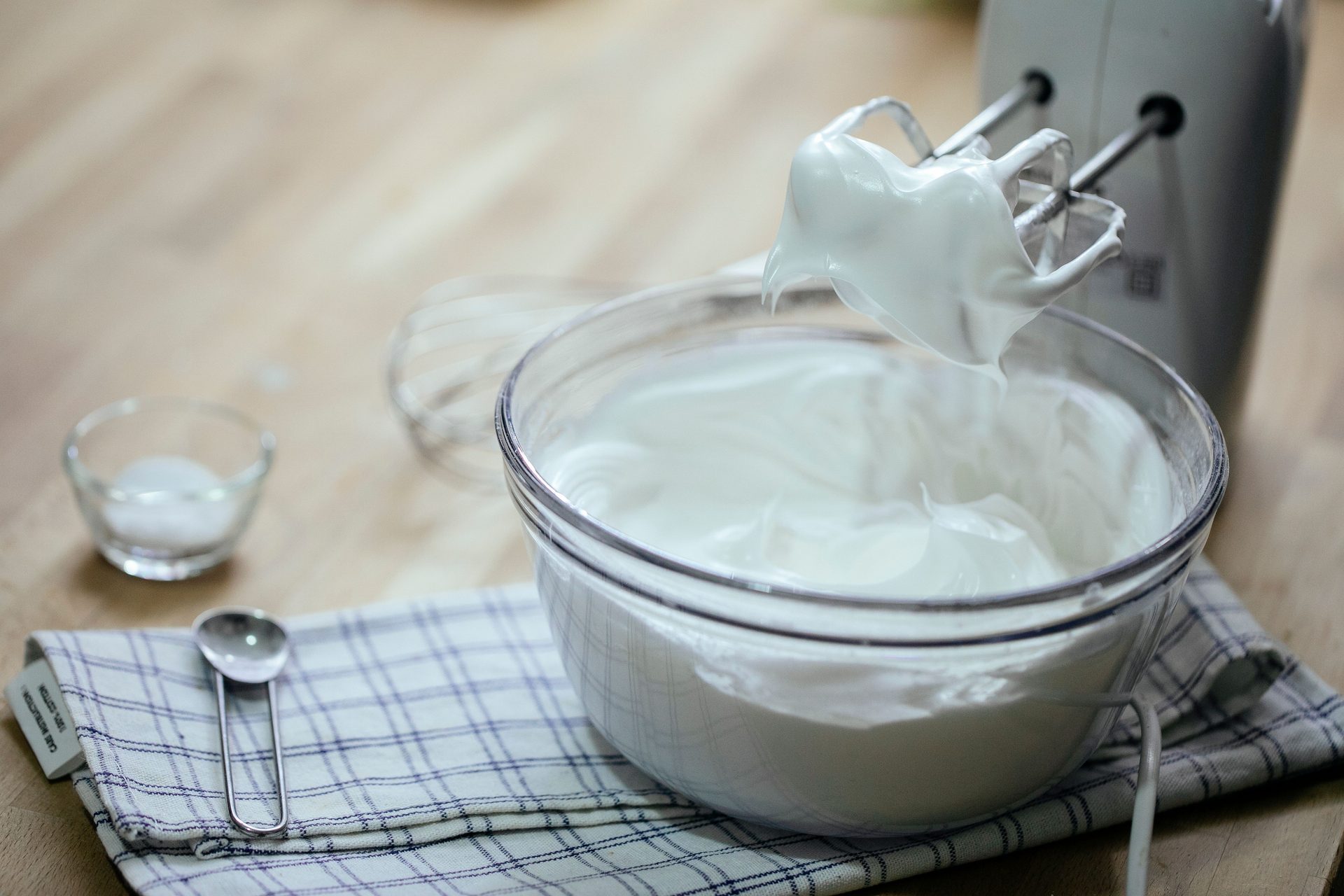
7 minute frosting is one of those old-fashioned American classics that home bakers keep coming back to. It is glossy, marshmallow-soft, and ready to go on a cake in minutes. But if you have ever made a big batch and wondered whether you can stash the leftovers in the freezer for later, the answer is more complicated than a simple yes or no.
The short version: most baking experts say you should not freeze 7 minute frosting, and the science behind it makes clear why. This frosting relies on a combination of boiled sugar syrup and whipped egg whites, with the process starting from water, cream of tartar, sugar, corn syrup, and egg whites whisked together in a double boiler. That airy, foam-based structure is what makes it so light — and also what makes it so fragile when exposed to cold temperatures.
This guide walks you through exactly what happens when you freeze 7 minute frosting, how to store it properly if you must make it ahead, and the best ways to use it before it starts to break down.
Can You Freeze 7 Minute Frosting?
Technically, you can put 7 minute frosting in the freezer. Practically speaking, it is not a good idea. This recipe is not meant to be frozen, as the texture will change too much once thawed. Multiple baking sources agree on this point, and the reason comes down to the frosting’s structure.
Because this frosting relies on egg whites, you should not freeze or refrigerate it. Exposure to sudden changes in temperature can cause the frosting to deflate or sweat, just like a meringue. The air bubbles that give it that signature billowy texture simply cannot survive the freeze-thaw cycle intact.
This frosting cannot be frozen. For best results, make it right before using. That guidance from Meaningful Eats reflects the consensus across experienced bakers who have tested this frosting extensively.
Important Note: Sources are divided on whether a brief stint in the freezer is ever acceptable. LEAFtv suggests storing it in an airtight plastic container in the freezer for up to four months, while most recipe developers — including those at Grandbaby Cakes, Meaningful Eats, and My Cake School — say it cannot be frozen at all. The safest approach is to treat 7 minute frosting as a same-day frosting and plan accordingly.
Does Freezing Change the Texture or Taste of 7 Minute Frosting?
Yes — and the changes are significant enough that most bakers consider the frosting unusable after freezing. The texture gets dry and icy, and if you keep it at room temperature it will get runny. All the amazing taste of your frosting is compromised.
The texture will be a smidge less billowy from the chill, but it is still sweet and silky. Freezing does not really work here — it will defeat all that fluffy effort. The problem is structural: the whipped egg whites that create the frosting’s volume depend on a stable foam. Freezing causes ice crystals to form within that foam, and when those crystals melt during thawing, they collapse the air pockets that make the frosting light.
The high level of sugar in the icing acts as a preservative, just as it does in jams and jellies, and keeps the egg proteins from deteriorating. However, boiled icing will begin to deflate steadily after a day or two, so it should be eaten quickly to maintain the best quality. Freezing only accelerates that deflation process.
| Storage Method | Texture After Storage | Recommended? |
|---|---|---|
| Room temperature (same day) | Glossy, fluffy, stiff peaks | Yes — best option |
| Refrigerator (up to 3 days) | Slightly softer, may weep | Use as a last resort |
| Freezer | Deflated, watery, or icy | Not recommended |
How to Freeze 7 Minute Frosting the Right Way
If you have decided to try freezing despite the risks — perhaps you made a very large batch and do not want to waste it — there is a method that gives you the best possible outcome. Keep your expectations low: the frosting will not return to its original texture, but it may still be usable in certain applications (see the section on best uses after freezing below).
- Let it cool completely. Never put warm frosting directly into a freezer container. Let it come to room temperature first so condensation does not form inside the container.
- Use a rigid airtight container. Spoon the mixture into a clean, plastic airtight container. Avoid using plastic freezer bags, as these will not as effectively prevent any odors from seeping into the frosting.
- Press plastic wrap against the surface. Before sealing the lid, press a sheet of plastic wrap directly onto the surface of the frosting to block out air and prevent a hard crust from forming.
- Label with the date. Write the date on the container so you know how long it has been stored.
- Freeze promptly. Place it in the coldest part of your freezer away from foods with strong odors, since this frosting can absorb smells easily.
Pro Tip: If you regularly need frosting on hand for spontaneous baking, consider making buttercream instead. Unlike 7 minute frosting, buttercream freezes well for up to three months and re-whips easily after thawing.
How Long Can You Freeze 7 Minute Frosting?
If you do freeze it, the outer limit cited by sources that support freezing is around four months. Secure the lid onto the container and store in the freezer for up to four months. However, the longer it sits, the more the texture degrades.
For context, the frosting’s shelf life at other storage temperatures is very short. Seven minute frosting is best used immediately. However, if you end up with leftovers or want to prep it in advance: at room temperature, the frosting is safe to store for up to a day since the sugar acts as a preservative. After that, it should be moved to the fridge. In the fridge, store leftover frosting in an airtight container for up to 3 days.
This frosting will hold up well for one day. After the first day, it will slowly begin to disintegrate and soak into the cake. That rapid breakdown is precisely why freezing seems appealing — but unfortunately, the freeze-thaw process causes its own set of problems that are just as damaging as time at room temperature.
How to Thaw Frozen 7 Minute Frosting
If you have frozen your 7 minute frosting and want to use it, thaw it slowly and gently. Rushing the process will make the texture problems worse.
- Transfer to the refrigerator. Remove the plastic container from the freezer and allow the seven minute frosting to thaw completely in the refrigerator before using. This typically takes several hours or overnight.
- Bring to room temperature. Once again, bring the frosting to room temperature and stir before using. Do not microwave it — heat will cause the egg whites to break down further.
- Attempt re-whipping. When you want to use the frosting again, allow it to thaw in the refrigerator overnight, but be prepared for the possibility that it may require re-whipping to restore its original consistency. Use a stand mixer or hand mixer with the whisk attachment on high speed for several minutes.
- Assess the result honestly. If the frosting remains watery, grainy, or flat after re-whipping, it will not recover. At that point, use it in a cooked or baked application rather than as a cake topping (see below).
Can You Refreeze 7 Minute Frosting After Thawing?
No. Refreezing 7 minute frosting after it has already been thawed is not a good idea. The frosting’s egg white foam will have already collapsed once during the first freeze-thaw cycle. A second round of freezing will break it down further, and the result will be watery and unusable as a frosting.
From a food safety standpoint, avoid refreezing to maintain quality and safety. Each freeze-thaw cycle introduces more opportunity for bacterial growth and textural breakdown. If you thaw a portion and do not use all of it, discard the remainder rather than returning it to the freezer.
This is another strong reason to make 7 minute frosting in the quantity you need and use it the same day. Make sure to make a limited quantity of your frosting that you can finish in a day.
How to Use Frozen 7 Minute Frosting (Best Uses After Freezing)
Even if the frosting does not return to its original fluffy state after thawing, it may still have uses. The key is to match the application to the texture you actually have, rather than trying to use it as if it were freshly made.
- Stir into hot chocolate. Leftover 7 minute frosting tastes great on graham crackers or gingersnaps. You can even use it as a topping for hot chocolate. The texture matters less when it melts into a hot drink.
- Spread on graham crackers or cookies. If the thawed frosting is soft but not completely liquid, it can still work as a spread on firm cookies or crackers where the texture is less critical.
- Use as a filling for a sandwich cookie. A softer, slightly deflated frosting can work well as a filling between two firm cookies, where the surrounding structure holds it in place.
- Fold into a no-bake dessert. Stir thawed frosting into a no-bake trifle or parfait layer where it will blend with other ingredients and the original texture is not needed.
- Pipe onto cupcakes immediately. This is a pipeable recipe. If you are making high hat cupcakes, you will want to quickly pipe your swirls before the frosting sets up. Then chill for 20 minutes in the freezer before dipping. This technique works with freshly made frosting, not thawed — but it illustrates that a brief freezer exposure for a specific purpose is different from long-term freezing.
Pro Tip: The best use of 7 minute frosting is always on the day it is made. The absolute favorite way to enjoy 7 minute frosting is on angel food cake. It also pairs beautifully with devil’s food cake, coconut cake, and pound cake — classic American pairings that let the marshmallow flavor shine.
Signs That Frozen 7 Minute Frosting Has Gone Bad
Whether you stored your 7 minute frosting in the fridge or the freezer, you need to check it before using it. Because it contains egg whites, spoilage is a real concern. Here are the signs to watch for:
- Sour or off smell. A sour or unpleasant odor is a telltale sign that your frosting has spoiled. Fresh 7 minute frosting smells sweet and clean. Anything else means it should be discarded.
- Visible mold. Look for any signs of mold, which usually appears as fuzzy or slimy spots that can be green, black, or white. Mold is a clear sign of spoilage.
- Watery or separated texture. If the texture has become watery, lumpy, or has separated, the frosting may be unsafe to consume. Some separation after refrigeration is expected, but a fully liquid or curdled appearance means it has broken down beyond recovery.
- Discoloration. Look for yellowing, graying, or other color changes in the frosting. Fresh 7 minute frosting is bright white. Any yellowing or off-color patches suggest it has spoiled.
- Grainy texture that will not whip out. If your frosting has a grainy texture, the simple syrup was not cooked long enough to completely dissolve the sugar crystals. However, graininess in stored frosting can also indicate that the egg whites have broken down. If re-whipping does not fix it, discard it.
When in doubt, throw it out. Eating bad frosting can make you very sick. Bacteria like Salmonella or Listeria can grow in bad frostings, causing nausea, vomiting, diarrhea, and worse. A fresh batch of 7 minute frosting takes less than 15 minutes to make, so it is never worth the risk of using spoiled frosting.
Frequently Asked Questions
Does 7 minute frosting need to be refrigerated?
No, you do not need to refrigerate this frosting. A cake frosted with this recipe will be perfectly fine covered on the counter for up to two days. After that, the frosting will start to melt into the cake.
How long does 7 minute frosting last at room temperature?
This cooked frosting does not require refrigeration and holds up well even in heat, but it does have a relatively short shelf life. You should use seven minute frosting immediately for the best results. It does best if you intend to eat it within a few hours of preparation.
Can you make 7 minute frosting ahead of time?
For best results, make and use this 7 minute traditional frosting right away. As it starts to set, it can become difficult to spread. If you must make it slightly ahead, frost the cake immediately after making the frosting and serve within the same day.
What is the difference between 7 minute frosting and Swiss meringue?
Seven minute frosting and Swiss meringue are very similar. Both make the perfect topping for cakes and cupcakes and are cooked over heat. However, Swiss meringue is typically whipped with an electric hand mixer off of heat, while 7 minute frosting is whipped over heat.
Why does my 7 minute frosting deflate?
In the long term, seven minute frosting stores poorly. It usually deflates within 24 hours, as the egg whites revert to a liquid state and the cake absorbs them. This is normal behavior for any meringue-based frosting and is not a sign that something went wrong during preparation.
Can you add flavoring to 7 minute frosting?
Seven minute frosting is traditionally flavored with vanilla, but you can substitute other flavorings. Fresh lemon juice or lemon extract cuts the sweetness and imparts a bright flavor. You can also use almond or peppermint extract for a different flavor profile.
If you enjoy exploring food storage tips and making smart choices in the kitchen, you might also find useful guidance in our articles on whole plant-based foods and foods for healthy skin. For more on nutrition-focused eating, check out our guide to superfoods for a healthy heart and powerful nutrients and foods that fight cancer.