How Much Does It Cost to Build a House in the Chicago Suburbs?

October 21, 2026
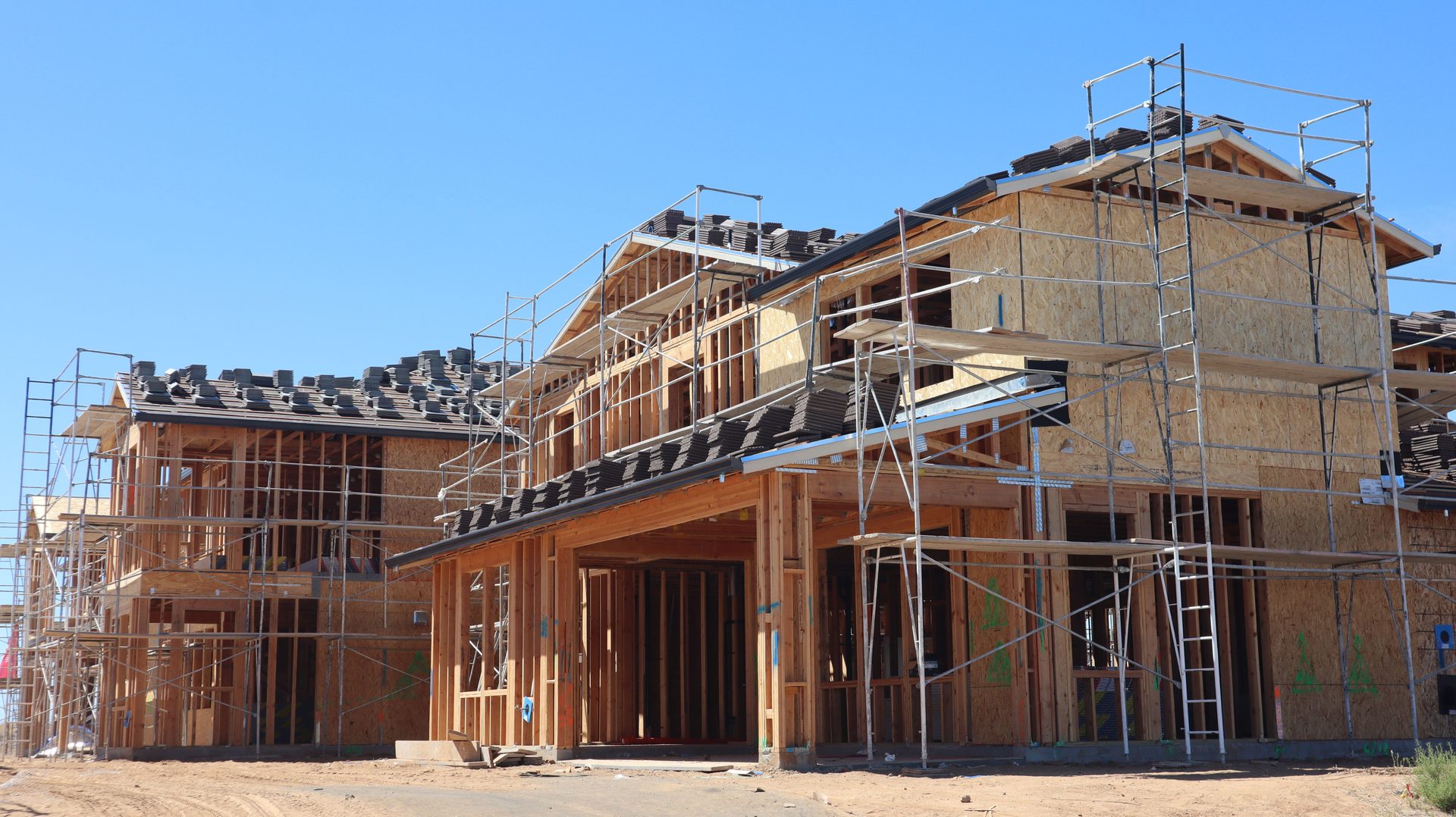
Building a house in the Chicago suburbs is one of the most significant financial decisions you will ever make — and the price tag often surprises first-time builders. Between union labor rates, strict municipal permitting, frost-line foundations, and premium lot costs in desirable collar counties, the Chicagoland market operates by its own rules.
Whether you are eyeing a custom build in Naperville, a teardown-and-rebuild in Arlington Heights, or a more modest new construction in the south suburbs, this guide walks you through every major cost category so you can plan your budget with confidence and avoid the expensive surprises that catch most builders off guard.
Average Cost to Build a House in the Chicago Suburbs
The average cost to build a custom home in the Chicago area is approximately $380,000, excluding land costs. When you factor in land acquisition, excavation, and permits, the total can easily exceed $500,000. That wide range reflects just how much location, finish level, and home size can move the needle.
According to Angi, the cost to build a house in the Chicago area averages around $410,285, with most projects falling between $206,000 and $635,000. The final price depends on factors like square footage, interior and exterior finishes, and local requirements such as city permits and inspections.
DuPage County — home to affluent communities like Naperville, Hinsdale, Downers Grove, Glen Ellyn, and Oak Brook — often sees higher construction costs than the city itself. If you are building in one of these sought-after suburbs, plan for a budget well above the regional average.
Key Insight: Illinois ranks among the most expensive states for home construction. According to Today’s Homeowner, Illinois has the fourth-highest estimated cost to build in the country, averaging $380,189 for a 2,100-square-foot spec home, compared to a national average of $332,397.
On average, building a house in Illinois costs between $285,000 and $865,000, depending on home size, materials, location, and finish level — based on a range of $132 to $531 per square foot, from basic wood-frame construction to high-end luxury homes with premium finishes. For a custom home in a premier suburb like Naperville or Evanston, a 2,500-square-foot custom home with high-end finishes could easily cross the $1 million mark.
Cost to Build a House Per Square Foot in the Chicago Suburbs
Per-square-foot pricing is the most useful benchmark for early budgeting, but the number varies significantly depending on which suburb you choose, what finish level you want, and whether you are working with a production builder or going fully custom.
As of 2025, the average cost to build a home in the Chicago area ranges from $250 to $650 per square foot. Here is how that breaks down by location and build type:
| Location / Build Type | Cost Per Square Foot | Notes |
|---|---|---|
| Northwest Suburbs (mid-to-high end) | $250 – $350 | Popular for single-family builds; Naperville, Arlington Heights, Barrington |
| South Suburbs | $200 – $275 | More budget-friendly; good for first-time builders |
| Outskirts / Rural Areas | $150 – $225 | Lower land costs; suitable for modular or prefab builds |
| DuPage County Luxury | $350 – $450+ | Hinsdale, Oak Brook, Glen Ellyn; premium finishes standard |
| Custom / Architect-Designed (any suburb) | $350 – $600+ | Complex geometry, premium materials, difficult sites |
For custom homes in Chicago and the surrounding suburbs, a realistic planning range is $350 to $600+ per square foot for construction alone. Some projects can exceed that range depending on site conditions, design complexity, and finish level.
The cost per square foot for building a custom home in Chicago varies based on the quality of construction: Standard Grade Construction runs $150 to $180 per square foot, Premium Grade Construction runs $180 to $220 per square foot, and Luxury Grade Construction runs $220 to $270 per square foot.
Pro Tip: Do not anchor your budget to the lowest per-square-foot figures you find online. Those numbers often reflect production homes in less competitive markets. For a custom suburban build with a basement — standard in Chicagoland — budget at minimum $250 per square foot before land and site prep.
Cost Breakdown: What You’re Actually Paying For in the Chicago Suburbs
Your total construction budget is made up of several distinct cost categories. Understanding each one helps you identify where to splurge, where to save, and what hidden costs to watch for.
Material costs account for 50% to 60% of the total construction budget, while labor makes up the rest. Here is a closer look at the major line items:
- Framing and Foundation: Foundation, lumber, and steel beams typically require about $20,000 to $50,000. Chicago’s deep frost line means foundations must be engineered to handle freeze-thaw cycles, which adds cost compared to warmer-climate builds.
- Roofing: Home roofing in the Chicago area averages around $350 to $500 per 100 square feet, depending on material.
- Flooring: The cost of wood flooring installation in Chicago ranges between $6.52 and $9.15 per square foot.
- Cabinets and Countertops: Features like granite countertops and teak wood cabinets in the kitchen may cost between $38 and $44 per box.
- Plumbing Fixtures: The cost to install sinks, faucets, showers, and PVC pipes throughout a home is between $76.86 and $87.21 per hour plus materials.
- Labor by Trade: On average, electricians charge $90 to $100 per hour, plumbers $80 to $95 per hour, and general contractors $40 to $55 per hour.
- General Contractor Fee: A general contractor charges 10% to 20% of the construction budget, and most builders include this fee in their total estimate.
Permits and fees are a significant line item that many first-time builders underestimate. The City of Chicago charges a minimum fee of $3,450 for any new residential construction permit — compared to New York City’s minimum of about $290 and Houston’s about $1,500 for typical projects. In practice, the permit fee scales with project size and value — often around 1% of construction cost. Many Chicago builders report total building permit costs in the $5,000 range for a single-family home.
Separate permits for HVAC, plumbing, and electrical add up quickly, with average costs of approximately $250 to $400 for an HVAC permit, $50 to $500 for plumbing, and $10 to $500 for electrical.
Common Mistake: Forgetting to budget for demolition. If you are doing a teardown build, many first-time builders underestimate demo costs. One Chicago-area client was surprised when a builder quoted over $20,000 just to demolish and clear a small existing house on the lot.
You should also set aside funds for land clearing and site prep. A cost guide for Chicago estimates land clearing and leveling can cost $1,500 to $3,000 on a typical residential lot. And do not overlook utility hookups — utility connections can easily total in the five figures.
Finally, budget for interior furnishings after move-in. For a 2,000-square-foot home, you should budget at least $20,000 for interior furnishings. If you want to explore alternative structures like a greenhouse or accessory building on your property, learn what it costs to build a greenhouse to plan that budget separately.
Cost of Land in the Chicago Suburbs
Land is one of the most variable costs in the entire homebuilding equation — and in the Chicago suburbs, it can represent a substantial portion of your total project budget.
Land prices in Illinois vary dramatically based on proximity to metropolitan areas. Rural farmland costs $8,000 to $15,000+ per acre, while smaller suburban lots in established neighborhoods cost $50,000 to $200,000.
Pricing extremes span from over $17,000 per acre around Chicago suburbs to under $2,500 per acre in Illinois’ most southern rural counties. For the collar counties most relevant to suburban builders, per-acre sales values over $15,000 mark the norm around Cook County and closer-in collar counties benefitting from Chicago’s continued urban sprawl.
When you narrow the focus to residential lots — not raw acreage — prices climb sharply. There are currently hundreds of properties for sale near Chicago, with an average listing price of $189,241 and an average cost to buy of $1,651,775 per acre, reflecting the premium placed on smaller, build-ready suburban parcels in established neighborhoods.
| Land Type / Location | Estimated Cost |
|---|---|
| Rural / Outskirts (50+ miles from Chicago) | $2,500 – $15,000 per acre |
| Collar County raw land (Cook, DuPage, Kane, Lake, Will) | $15,000 – $30,000+ per acre |
| Established suburban residential lot | $50,000 – $200,000 per lot |
| Premium suburb lot (Naperville, Hinsdale, Oak Brook) | $200,000 – $500,000+ |
You must also clear and level the land before construction begins. This preparation can cost anywhere between $1,500 and $3,000. In some suburbs, you may also face tree-removal fees or requirements to plant replacement trees as part of the permitting process.
Important Note: Suburbs like Naperville or Glenview may offer lower permit costs and more flexible zoning laws compared to building in Chicago proper. Always verify local zoning requirements before purchasing a lot, as minimum lot sizes, setbacks, and impervious surface limits vary by municipality.
If you are currently renting while saving for your build, it helps to know what the rental market looks like across the region. You can compare apartment costs in Chicago to understand your carrying costs during the construction period. For a broader view of rental markets across major metros, see how Manhattan apartment costs or San Francisco apartment costs compare.
Factors That Affect Building Costs in the Chicago Suburbs
No two builds cost the same, even on the same street. Several variables specific to the Chicagoland market have an outsized effect on your final budget.
Location within the metro area is the single biggest cost driver. Location alone can dramatically change costs. A project in the city with tight lot conditions, union labor requirements, and zoning constraints will not cost the same as a similar home in a surrounding suburb with easier access and fewer restrictions.
Union vs. non-union labor is a major consideration. City crews are often unionized, costing 10% to 30% more. Some suburbs allow non-union labor, which can cut costs but may affect schedule or quality.
Design complexity matters more than most people realize. Beyond location, the complexity of the design matters. A simple, efficient structure costs less to build than a highly customized home with complex geometry, large spans of glass, or challenging site conditions.
Seasonal timing also plays a role. Winter builds need heated enclosures, and crews might charge a premium or offer off-season discounts. Spring is the busiest season — schedule early. Illinois’s construction season generally runs from late March through early November, and projects that extend into winter face potential delays and cost overruns.
Other key factors include:
- Home size: Many custom homes in DuPage County are larger, averaging 4,000+ square feet, which significantly increases overall costs.
- Finish quality: High-end materials, custom architectural details, and extensive landscaping are standard in premium communities, raising the per-square-foot cost beyond Chicago averages.
- Zoning and permitting complexity: Some municipalities have more stringent building codes and permitting fees, adding to the overall cost.
- Market demand: A strong real estate market means builders and subcontractors can charge a premium due to demand.
- Material costs: Lumber prices have risen roughly 20% since 2019. Price-locking material purchases early can help avoid delays and budget surprises.
Pro Tip: When doing your own construction cost estimation, add at least 20% to 30% more than your original projection to account for changes in the process. This contingency buffer is especially important in the Chicago suburbs, where weather delays, permit backlogs, and material price swings are common.
Building vs. Buying a House in the Chicago Suburbs
One of the most important questions to answer before breaking ground is whether building actually makes financial sense compared to buying an existing home in your target suburb.
When comparing building a house versus buying, consider flexibility versus convenience. Building allows full customization but requires more time and planning. Buying a completed home may be quicker, but it limits design freedom.
On the timeline side, the construction timeline for a new build typically ranges from 9 to 12 months. By contrast, homes for sale in Chicago close in just 1 to 2 months, with more listings and lower prices.
| Factor | Building New | Buying Existing |
|---|---|---|
| Timeline | 9 – 12 months (construction only) | 1 – 2 months to close |
| Customization | Full control over design and finishes | Limited; renovation required for changes |
| Upfront Cost | Higher; land + construction + permits | Generally lower all-in cost |
| Energy Efficiency | Built to current codes; lower utility bills | Older systems may need upgrading |
| Maintenance | Minimal in early years; everything is new | Potential for near-term repair costs |
| Financing Complexity | Construction loans required; more complex | Standard mortgage; simpler process |
A new construction home might have a higher upfront price, especially if it’s nearing $500 per square foot in a premium area. However, new builds offer better energy efficiency, fewer repairs, and often stronger resale value.
Financing a new build also works differently. A construction-to-permanent loan covers land purchases and home-building costs, then converts to a conventional loan after construction is complete and you move in. A construction-only loan covers just the cost of home building, with the entire loan amount due after your home is ready — which you can pay in cash or convert to a mortgage.
You might also consider how apartment living compares financially while you wait for your build to complete. Reviewing DC apartment costs, Miami apartment costs, or New Jersey apartment costs can give you a useful frame of reference for what renters pay in other high-cost markets.
How to Save Money When Building a House in the Chicago Suburbs
Building in one of the country’s more expensive construction markets does not mean you have to accept every cost as fixed. Several strategies can meaningfully reduce your total project budget without sacrificing quality.
Choose the right suburb strategically. The south suburbs are more budget-friendly, especially for first-time builders, with construction costs running $200 to $275 per square foot compared to $350 or more in the northwest suburbs. If proximity to a specific school district or employer is not a hard requirement, expanding your geographic search can save tens of thousands of dollars on both land and labor.
Simplify your design. Projects tend to land toward the lower end of the cost range when the design is efficient, the site is straightforward, and finishes are modest but well chosen. Projects move toward the higher end when the home includes complex structural elements, extensive glazing, premium materials, or difficult site constraints. Choosing a rectangular footprint over an L-shaped or multi-gabled design can reduce framing costs significantly.
Time your build wisely. Winter builds need heated enclosures, but crews might offer off-season discounts. Starting your planning and permitting in the fall so construction begins in late winter can sometimes secure better contractor availability and pricing before the spring rush drives rates up.
Get multiple bids. Consult several contractors to compare pricing and services. The spread between the highest and lowest qualified bids on a suburban Chicago build can be 15% to 25%, which on a $600,000 project is a meaningful amount of money.
Lock in material prices early. Material on-hold or price-locked purchases help avoid delays or surprises. Work with your builder to identify long-lead items — windows, cabinetry, roofing materials — and order them early in the process.
Consider a production home in a new subdivision. An important variable that impacts cost is whether you are building a custom home or a production home — one that is designed and constructed by a builder within a community of several homes. Production homes in suburban developments typically cost less per square foot than fully custom builds because builders achieve economies of scale on materials and labor.
- Verify contractor credentials: Ensure your contractor is licensed, insured, and has good references. Unlicensed contractors may offer lower bids but often create costly problems down the line.
- Build contingency into your budget: Allocate an additional 10% to 20% of your budget for unforeseen expenses.
- Explore modular construction: For builds in the outer suburbs or exurbs, modular or prefabricated homes can cut construction costs while still delivering a quality finished product.
- Use a design-build firm: Combining architecture and construction under one contract can reduce coordination costs and speed up the permitting process in complex suburban municipalities.
Pro Tip: If you are building in a suburb with historic district requirements — such as Evanston or Oak Park — budget extra time and money for design review. These municipalities may require design review, special materials, and longer approval cycles. Factor this into your timeline before purchasing a lot in a designated historic area.
Building a house in the Chicago suburbs is a major undertaking, but with accurate cost expectations and a clear-eyed view of what drives pricing in this specific market, you can make decisions that keep your project on budget and on schedule. Whether you are comparing suburban rental costs while you plan — from Ohio apartments to Phoenix apartments — or researching what similar builds cost in other states, understanding your full financial picture is the foundation of a successful custom home project.