Why Are My Croton Leaves Falling Off? Causes and Fixes

September 10, 2026
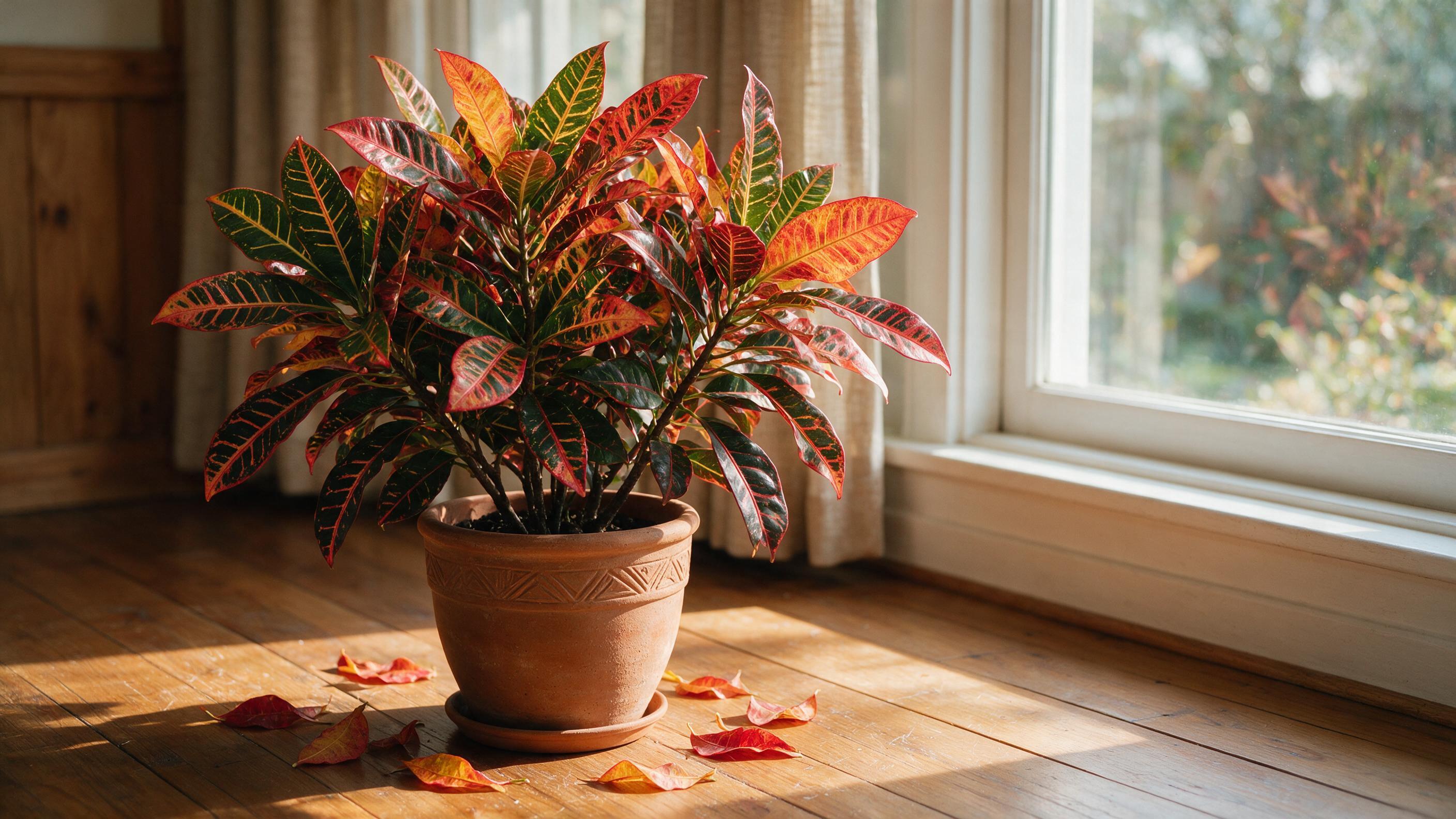
Few things are more frustrating than watching a croton drop its bold, colorful leaves one by one. You bought it for those fiery reds, oranges, and yellows — and now the stems are going bare. Before you give up on it, know this: leaf drop on croton plants can be expected any time the plant is stressed or out of balance. That does not mean the plant is dying. It means something in its environment needs to change.
Crotons are dramatic by nature. They react to almost every disruption — a move across the room, a cold draft, a missed watering — by shedding leaves. The good news is that once you identify the trigger, recovery is usually straightforward. This guide walks you through every major cause of croton leaf drop and exactly what to do about each one.
What Does It Mean When Your Croton Is Dropping Leaves?
When your croton drops leaves, it is sending a signal that something in its care or environment is off. Many factors could cause your croton plant to lose its leaves — the source could be environmental, or it could be a disease that took hold of your plant. The key is figuring out which one applies to your situation.
Crotons belong to the Codiaeum variegatum species, a tropical plant native to Southeast Asia and the Pacific Islands. Coming from the tropical regions of Southeast Asia and the Pacific Islands, crotons naturally enjoy warm temperatures and bright light. When indoor conditions stray too far from those tropical roots, the plant responds by dropping foliage to conserve energy.
The drop can affect a few leaves or, in severe cases, most of the plant. Normal leaf shedding is part of the plant’s life cycle; however, a sudden increase in leaf drop often points to stress. Paying attention to the pattern — which leaves drop, their color before falling, and how quickly it happens — will help you narrow down the cause fast.
Pro Tip: Before panicking about a bare stem, gently scratch the main stem with your fingernail. If the tissue underneath is still green, your plant is alive and may recover.
Is Leaf Drop in Crotons Always a Sign of a Problem?
Not always. Some leaf loss is completely normal and not a cause for alarm. Natural leaf shedding is a common phenomenon in many plants, including crotons. As crotons grow, they continuously produce new leaves while the older ones age and deteriorate. Shedding these older leaves allows the plant to allocate its resources more efficiently toward the growth of new foliage.
One of the most common and misunderstood situations is transplant shock. A croton plant dropping leaves is often a new plant’s response to being transplanted or transported from the greenhouse to your home. It’s natural for a croton to drop leaves as it adjusts to environmental changes. Once settled, in three or four weeks, your plant will begin to produce new growth.
Also, over time, C. variegatum stems become woody, and the oldest leaves at the bottom occasionally drop off as part of normal maturation. If you see a handful of lower leaves falling on an otherwise healthy-looking plant, that is likely just the plant redirecting energy upward.
The situation becomes a real problem when leaf drop is sudden, widespread, or accompanied by discoloration, pests, or mushy stems. If you are seeing new growth stall while old leaves keep falling, it is time to diagnose the root cause.
Watering Issues Causing Croton Leaf Drop
Watering is the number one reason crotons drop leaves indoors, and both too much and too little water are equally problematic. Overwatering and underwatering both cause damage to the roots and may cause the leaves to fall.
Overwatering
Crotons are sensitive to both overwatering and underwatering, and either extreme can lead to leaf shedding. If the soil is constantly wet, the roots may become waterlogged, leading to root rot and leaf loss. With overwatering, you will often see leaves yellowing before they drop. When conditions are too wet, the leaves may fall soon after yellowing.
Underwatering
If the soil is allowed to dry out completely, the plant will become stressed and start dropping leaves to conserve resources. Underwatered crotons tend to show brown, crispy leaf edges before the leaves fall. If a pot is too dry, the foliage may then turn brown before shriveling up and dropping off.
Getting Watering Right
Crotons prefer to have consistently moist soil, but be sure to not over- or underwater your plant. Water when the top 2–3 inches of the soil are dry. When you do water, do it thoroughly. Water the croton until water drains out of the bottom of the pot. This ensures that water reaches the roots effectively.
Avoid letting the croton sit in standing water, as it can lead to root rot. Empty the saucer after watering. Also, consider using room-temperature or tepid water for watering — cold water can shock the plant.
Pro Tip: If you accidentally let your croton’s soil dry out completely, you may see some leaves drop. It will benefit from a good soak in the sink or tub to properly rehydrate the soil. Keep in mind that when the soil goes from bone-dry to saturated, it can cause stress for your croton and cause leaves to drop. Give it a few days to stabilize before assessing further.
Light Conditions Behind Croton Leaf Drop
Light is one of the most overlooked causes of croton leaf drop, especially for US homeowners who place their plants in dim corners or away from south-facing windows during winter months.
Croton leaf drop and a lack of fiery color can be caused by insufficient sunlight. Your croton prefers a sunny spot. If it’s placed in an area without adequate light, it will start to shed leaves. The color of your croton’s leaves will also indicate if it’s receiving enough sunlight. Leaves will grow in mostly green and lack the vibrant reds, oranges, and yellow colors that crotons are known for if it is in too dark of a spot.
Crotons need a lot of light to maintain their vibrant colors. Place them in a spot where they can receive bright, indirect sunlight for at least 6–8 hours a day. Direct sunlight can scorch their leaves, so filtered light is best. A south- or east-facing window is a good starting point. A south or east-facing window is often ideal. These spots provide bright, indirect light without the harsh afternoon sun.
There are more than 750 varieties of croton plant, some needing more light than others. In general, the more variegated the plant, the more light it craves. If natural light is limited in your home, consider using a grow light if your home doesn’t receive enough natural light. You can also browse our guide to the best houseplants for low-light areas if you want to find species better suited to dim rooms.
Soil, Nutrients, and Root Health Causing Croton Leaf Drop
What is going on below the soil line matters just as much as light and water. Poor soil drainage, nutrient imbalances, and root-bound conditions all contribute to leaf drop.
Soil and Drainage
Well-drained and nutrient-rich potting soil is ideal for crotons. A mix containing peat moss, pine bark, and perlite works well. They prefer a slightly acidic to neutral pH. If your current mix stays soggy for days after watering, it is time to repot into something with better drainage.
Fertilizing
Crotons require a balanced supply of essential nutrients to maintain their vibrant foliage. If the plant is not receiving the right mix of nutrients, it may start shedding leaves as a way to conserve resources. During the spring and summer growing season, it’s beneficial to fertilize monthly with a liquid houseplant food diluted to half strength.
Do not overfertilize. The best way to water your plant is to thoroughly flush it until the water freely runs out the drainage hole. By doing this, you are also washing away any salt buildup in your pot from too much fertilizer and softened water. Stop fertilizing entirely in fall and winter when the plant’s growth slows.
Root-Bound Plants
Another reason for defoliation may be a lack of room to grow. When a croton outgrows its pot, it generally becomes root-bound, a condition in which the roots wind into a mass and no longer nourish the plant efficiently. The first clue is usually roots poking through the drainage hole.
The solution is to repot in a container no more than two inches wider than the current one, or one size up. A vessel that is too large encourages more root than leaf growth, an undesirable imbalance. The excess soil around the roots can also lead to oversaturation.
Understanding how different leaf types function can also help you read what your croton is communicating through its foliage before a full drop occurs.
Environmental Stress Triggering Croton Leaf Drop
Crotons are tropical plants that evolved in stable, warm, humid environments. When US homes — with their central air conditioning, forced-air heating, and seasonal temperature swings — disrupt that stability, leaf drop follows quickly.
Temperature
The best temperature range for C. variegatum is between 60 and 85°F. When the temperature falls below 50°F, leaves wilt and drop from cold shock. If your croton’s leaves fall off, it could be that it’s been exposed to cold or hot extremes such as open doors or air ducts.
Remember to keep your croton away from drafts, air vents, and frequently opened doors. These can create sudden changes in temperature that crotons are not fond of. In winter, even a cold windowpane in a northern US state can chill the leaves that touch it enough to trigger drop.
Humidity
Croton plants are native to tropical regions with high humidity levels. If the air in your home is too dry, your croton may respond by shedding leaves. This is especially common in winter when heating systems strip moisture from indoor air.
In nature, C. variegatum lives in tropical rainforests in Australia and Southeast Asia, where the humidity ranges between 77 and 88 percent. Healthy indoor humidity is generally between 40 and 60 percent. Increase the humidity around your plant by misting the leaves on a regular basis, using a pebble tray, or moving a humidifier nearby.
Relocation Shock
When moving a croton, humidity, light, and temperature changes may be traumatic enough to trigger leaf shedding. The degree of stress varies by the severity of the changes and the length of time they are endured. If you just brought a new croton home from a garden center, expect some drop and give it three to four weeks to settle before changing anything.
Pro Tip: If your croton is in a room where the temperature fluctuates, consider moving it to a more stable environment, like a bathroom or kitchen, where humidity levels are naturally higher.
Pests and Disease Leading to Croton Leaf Drop
The croton plant is known for its resilient nature, yet that doesn’t mean it can’t fall prey to diseases and insects. Pest infestations are a sneaky cause of leaf drop because the damage builds slowly and can look like a watering or light problem at first.
Spider Mites
Spider mites are one of the most common pests you’ll encounter with crotons. These minuscule critters can be a real headache because they multiply quickly and can cause significant damage before you even notice them. You’ll usually find them on the underside of the leaves, where they suck the sap out of the plant, leaving behind tiny yellow or white spots.
According to Iowa State University Extension , mites feed by piercing and sucking leaves, causing a mottled appearance. As infestations worsen, the yellow-green mottling turns tan and leaves eventually fall off. The best way to find them is to tap leaves over a piece of paper and look for tiny specks that move around on the paper. Spider mites most often attack when either the humidity is very low indoors or the weather is hot and dry outdoors.
Mealybugs and Scale
The most common croton plant pests are spider mites, mealybugs, scale insects, and aphids — each causing distinct damage patterns. Scale insects are a bit different from other common pests because they have a hard, protective shell. They can appear as small, brown bumps on stems and leaves, making them easy to overlook. However, they can cause a lot of damage by feeding on your plant’s sap.
Mealybugs appear as white, cottony clusters, usually in leaf axils and where stems meet. If you see sticky residue or sooty mold, it’s a red flag that scale insects are siphoning off your plant’s sap. For treatment, neem oil has insecticidal properties and is considered safe for plants when used according to the instructions. Dilute the neem oil in water and spray it on the affected parts of the plant, including the undersides of the leaves.
Apps can make pest identification much faster. Check out our roundup of the best iPhone apps for identifying plants or the best Android apps for identifying plants — many of them include pest and disease diagnosis tools.
Fungal Disease
If you see small brown spots trimmed in yellow, your plant might have a leaf spot disease. If it’s a fungal disease, remove the infected leaves, avoid wetting the foliage when watering the plant’s soil, and increase the air circulation around the plant. Typically, these adjustments take care of the fungal disease.
How to Diagnose Why Your Croton Is Dropping Leaves
Diagnosing leaf drop is a process of elimination. Work through the following steps methodically before making any changes to your care routine.
- Check the soil moisture. Push your finger 2 inches into the soil. Is it bone dry or soggy? Either extreme points directly to a watering problem.
- Inspect the leaves before they fall. Yellowing leaves may indicate nutrient deficiencies or overwatering, while brown tips suggest a lack of humidity. Crispy brown edges usually mean underwatering or low humidity.
- Look at the timing. Did the drop start right after you moved the plant, brought it home, or repotted it? When a croton is transplanted to a new container or location, it can experience a period of stress, which may result in temporary leaf shedding. This is a normal response as the plant adjusts to its new environment.
- Check the light level. Hold your hand 12 inches above the plant’s soil. If you can barely see a shadow, the spot is too dim for a croton.
- Inspect for pests. Inspect the undersides of leaves weekly, especially where new growth emerges; use a 10× hand lens to confirm tiny moving specks (spider mites), cottony masses (mealybugs), or immobile brown bumps (scale).
- Measure temperature and humidity. A cheap hygrometer placed near the plant will tell you if humidity is too low. Check whether the plant sits near an air vent, exterior door, or drafty window.
- Assess the roots. If the plant has been in the same pot for two or more years, check whether roots are circling the bottom or poking through drainage holes.
Key Insight: If you haven’t moved your plant recently, leaf loss could be due to exposure to extreme temperatures, insufficient light, improper watering, or disease or pests. Ruling out relocation first simplifies the rest of your diagnosis.
How to Fix a Croton That Is Dropping Leaves
Once you have identified the cause, here is how to act on it. Match the fix to the diagnosis rather than making multiple changes at once — changing too many variables simultaneously makes it impossible to know what worked.
Fix Watering Problems
Adjust your schedule so you water only when the top 2–3 inches of soil feel dry. The best way to water your plant is to thoroughly flush it until the water freely runs out the drainage hole. If root rot has already set in, unpot the plant, trim any black or mushy roots with sterilized scissors, let them air dry for an hour, and repot into fresh, well-draining mix.
Improve Light
Move the plant to a brighter spot near a south- or east-facing window. If the room lacks sufficient natural light, add a full-spectrum grow light on a 12-hour timer. Avoid placing the plant where afternoon sun hits the leaves directly through glass, which can scorch them.
Stabilize Temperature and Humidity
The easiest way to raise the humidity is to place a humidifier near your plant. You can also group it with other tropical houseplants to create a shared humidity microclimate, or set it on a pebble tray filled with water (keeping the pot bottom above the water line). Avoid temperature extremes: protect your croton from cold drafts and excessive heat. Keep it away from windows and heating vents to prevent sudden temperature changes that can stress the plant.
Address Pests
Isolate the affected plant immediately. For spider mites, spraying the plant with a sharp stream of water from a hose outdoors may clean most of the mites and webbing from the plant. Concentrate the spray on the undersides of the leaves and in the leaf nodes where the mites spin their webs. Follow up with neem oil spray every five to seven days for three weeks. For mealybugs, dab individual clusters with a cotton swab dipped in 70% isopropyl alcohol, then follow with a neem oil application.
Repot if Root-Bound
Choose a new pot no more than two inches wider in diameter. Unpot and set the contents of the nursery pot in the new vessel. Fill in under and around it with enough fresh potting soil to achieve the same depth as in the original container, usually no more than one inch below the pot rim to allow room for watering. Water thoroughly after repotting and place the plant in a stable, warm location to recover.
You can also explore our guide to types of plants to better understand how tropical species like crotons differ in their care needs from other common houseplants.
How to Prevent Croton Leaf Drop Going Forward
Consistent care is the single most effective prevention strategy. Routine is the cornerstone of croton care. Here is what that looks like in practice:
- Pick a permanent spot. Once your croton is settled, try to maintain consistent conditions. Avoid moving it around too often, as this can cause unnecessary stress.
- Water on a soil-check schedule, not a calendar. Check the top 2–3 inches of soil before every watering rather than watering on a fixed day of the week.
- Fertilize during the growing season only. Use well-draining soil, feed with liquid fertilizer during growing months, and repot every 2–3 years.
- Maintain humidity above 40%. Run a humidifier during dry winter months, especially if you live in an arid region or have forced-air heating.
- Inspect for pests weekly. Regularly inspect your croton for signs of infestations by checking the leaves, stems, and undersides of the leaves.
- Quarantine new plants. Quarantining your houseplants before bringing them in for the winter helps to pinpoint and treat any potential pests before they can enter the house.
- Rotate the pot occasionally. Rotate your plant periodically to ensure even growth and prevent it from developing a lean.
- Acclimate gradually after any move. When moving the croton to a new location, gradually expose it to the new light and temperature conditions. Start by placing it in a spot with similar conditions for a few hours a day and gradually increase the exposure over a week or two.
If you enjoy caring for bold tropical houseplants, you might also appreciate our guides on different types of rubber plants and different types of aloe vera plants — both share some care similarities with crotons.
FAQ
Why is my croton dropping leaves after I just bought it?
When crotons move from the nursery to your home, they need time to acclimate. They will start losing leaves and turning yellow and will soon shed leaves. After a short time, leaves will begin to regrow back. Give the plant three to four weeks before making any care adjustments.
Can a croton recover after losing all its leaves?
Crotons are tough. Even if your croton is brown and leafless, it doesn’t mean that your lovely plant is gone forever. Gently scratch the main stem. If the tissue underneath is still green, your plant is alive and may recover. Continue consistent watering and place it in a warm, bright spot.
How do I know if overwatering or underwatering is causing the drop?
The leaf color before falling is your best clue. Overwatered crotons typically yellow before dropping, while underwatered ones turn brown and crispy at the tips first. Check the soil — soggy soil that stays wet for more than a week after watering points to overwatering; bone-dry soil that pulls away from the pot edges points to underwatering.
Should I mist my croton to prevent leaf drop?
Lightly misting the leaves daily can raise the ambient humidity or moisture around your croton. However, misting is less effective than a humidifier for sustained humidity. If you mist, do it in the morning so the leaves dry before evening, which reduces the risk of fungal issues.
Do crotons drop leaves in winter?
Yes, winter is one of the most common times for croton leaf drop in US homes. Forced-air heating drops indoor humidity sharply, cold drafts from windows and doors create temperature stress, and lower light levels through shorter days all combine to stress the plant. Addressing all three simultaneously during winter gives your croton the best chance of staying full and leafy.
How often should I repot my croton?
Feed with liquid fertilizer during growing months and repot every 2–3 years. If you notice roots circling the bottom of the pot or emerging from drainage holes before that, go ahead and size up sooner. Waiting too long causes the root-bound stress that leads to leaf drop.