Can You Freeze Meatloaf and Mashed Potatoes? (Storage Tips That Work)

October 27, 2026
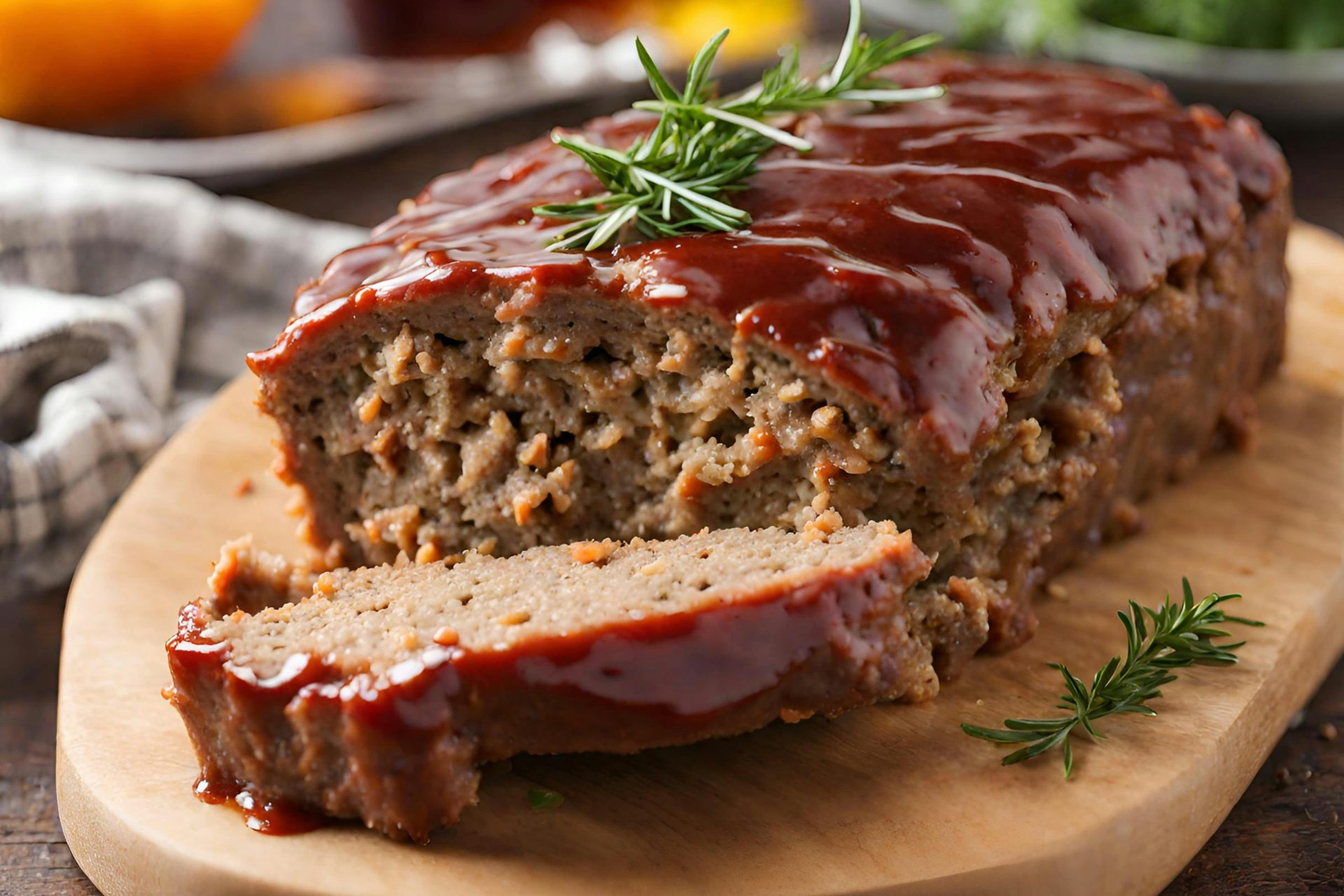
Few meals hit the comfort food mark quite like meatloaf and mashed potatoes. Whether you made a double batch on Sunday or have a fridge full of leftovers, the good news is that both freeze well — with a few important caveats. Meatloaf is practically built for the freezer, while mashed potatoes need a little extra care to come back creamy instead of watery.
This guide walks you through everything you need to know: how to freeze each one properly, how long they last, the best ways to thaw and reheat them, and the warning signs that tell you when to toss them. Whether you’re meal prepping for a busy week or just trying to avoid food waste, these tips will help you get the most out of every batch.
Can You Freeze Meatloaf and Mashed Potatoes?
You can freeze uncooked meatloaf or cooked meatloaf for up to 6 months. Both options work well, and freezing is one of the smartest ways to extend the life of this classic dish. Meatloaf can be made ahead of time and frozen for future dinners — you can prepare multiple meatloaves at once and stick them in the freezer.
Mashed potatoes are a bit more nuanced. Freezing mashed potatoes is a little tricky because they can become very watery when defrosted. They can re-emulsify on reheating, but it depends on the amount of fat in the mash. The more butter and cream in your recipe, the better they tend to hold up. Lean, low-fat mashed potatoes are more likely to turn grainy or watery after freezing.
The short answer: yes, you can freeze both — and when you do it right, you’ll have a satisfying, ready-to-go meal waiting in your freezer. For more ideas on what to pair with mashed potatoes, check out this guide on what to serve with mashed potatoes.
Pro Tip: Freeze meatloaf and mashed potatoes in separate containers. Combining them before freezing can make it harder to reheat each one properly and may affect the texture of both.
Does Freezing Change the Texture or Taste of Meatloaf and Mashed Potatoes?
Freezing does affect both foods — meatloaf less so, mashed potatoes more noticeably. The texture of meatloaf may change slightly after freezing, becoming a bit drier or denser. To combat this, consider adding a bit of extra moisture, like a spoonful of broth or gravy, when reheating.
Mashed potatoes are where you’ll notice the bigger difference. Potatoes are porous, so they soak up water easily during cooking when their starch molecules begin to break down. When you freeze them, all that absorbed water turns into ice crystals, which melt once they get tossed into the oven or stovetop. The result can be a thinner, runnier consistency than what you started with.
Some waxy varieties, like Yukon Golds and fingerling potatoes, freeze better than others because they have less starch, which can turn grainy once reheated. If you’re planning to freeze mashed potatoes from the start, choosing Yukon Golds and making your recipe extra buttery gives you the best shot at a creamy result after thawing.
Frozen mashed potato will never be exactly the same as fresh, and the texture can change slightly. A good stir and an optional splash of milk or cream helps bring it back to life. Flavor, however, holds up well — so while the texture takes a small hit, the taste stays close to the original.
How to Freeze Meatloaf and Mashed Potatoes the Right Way
Getting the packaging right makes all the difference. Both foods need to be protected from air and moisture to avoid freezer burn and texture loss.
Freezing Meatloaf
You have two options: freeze it before or after cooking. You can prepare the meatloaf and freeze it before cooking, or you can prepare and cook it thoroughly — then, after it is cooked and cooled, slice it into individual portions and freeze.
For uncooked meatloaf, the flash-freeze method works best. Lay a sheet of plastic wrap on a baking sheet or plate, form the loaf on the plastic wrap, then place the pan in the freezer until the meatloaf freezes — this takes 1 to 2 hours. You want to be able to lift the frozen meatloaf off the pan easily.
After the meatloaf is frozen, remove it from the pan or plate and wrap it twice in plastic cling wrap, pulling tightly to get out as much air as possible. Then wrap the meatloaf in aluminum foil. Using both plastic wrap and foil helps make sure the meatloaf doesn’t get freezer burn.
For cooked meatloaf, allow it to come to room temperature and cool completely after cooking, then wrap it in plastic wrap and aluminum foil and place it in a freezer bag. You can also freeze it in individual slices, which makes reheating faster and easier on busy nights.
Freezing Mashed Potatoes
Cool your mashed potatoes completely before freezing — never put hot food directly into the freezer. Store the mashed potatoes in airtight, freezer-safe containers. A container holding about 1 pound is a good size for one family dinner serving.
Portion into airtight containers with 1-inch headspace, or use freezer bags flattened for quick thawing. The extra headspace matters because mashed potatoes expand slightly as they freeze. It is important for food containers to be airtight, moisture-proof, and food-grade to avoid freezer burn, which can ruin your food’s texture and flavor.
Always label your containers with the date. Labeling your bag or loaf pan with the date ensures you use your food before it goes bad.
Pro Tip: If your mashed potatoes contain a lot of dairy, they freeze better than leaner versions. Adding extra butter or a splash of heavy cream before freezing gives the potatoes more fat to re-emulsify with when you reheat them.
How Long Can You Freeze Meatloaf and Mashed Potatoes?
| Food | Freezer Life (Best Quality) | Notes |
|---|---|---|
| Cooked Meatloaf | 3–6 months | Wrap tightly in plastic wrap + foil; use a freezer bag |
| Uncooked Meatloaf | Up to 6 months | Flash freeze first, then double-wrap |
| Mashed Potatoes | Up to 3 months | Airtight container with 1-inch headspace; high-fat recipes hold up better |
You can freeze uncooked meatloaf or cooked meatloaf for up to 6 months. For best quality, aim to use cooked meatloaf within 3 to 4 months. Food stored constantly at 0°F will always be safe. Only the quality suffers with lengthy freezer storage.
For mashed potatoes, refrigerate for up to 3 days or freeze for up to 3 months. While cooked potatoes can last up to 1 year in the freezer, the quality of cooked mashed potatoes suffers with longer freezing. Three months is the practical window for keeping them tasting their best.
How to Thaw Frozen Meatloaf and Mashed Potatoes
How you thaw these foods is just as important as how you freeze them. The refrigerator method is always the safest and produces the best results for both.
Thawing Meatloaf
Defrost meatloaf in the fridge overnight to thaw and get it ready to cook. Thawing the meatloaf before baking is recommended. Plan ahead by moving it from the freezer to the fridge the night before you want to serve it. You can also cook your frozen meatloaf directly — you may just need to bake it longer. Always make sure the internal temperature of the meatloaf reaches 165°F before serving.
According to the USDA Food Safety and Inspection Service , raw or cooked meat, poultry, or casseroles can be cooked or reheated from the frozen state. However, it will take approximately one and a half times as long to cook.
Thawing Mashed Potatoes
The best way to thaw frozen mashed potatoes is to place them in the refrigerator. Transfer the container from the freezer to the fridge and allow the potatoes to thaw overnight. This method keeps the temperature consistent, preserving the taste and texture.
If you’re short on time, you can opt for the cold water method. Place the sealed container of frozen mashed potatoes in a bowl of cold water. Change the water every 30 minutes until the potatoes are thawed. This method can speed up the process significantly.
You can also go straight from the freezer to the microwave. Place the frozen mashed potatoes in a microwave-safe dish, cover with a microwave-safe lid or plastic wrap with holes for steam, and use the defrost setting. Check every minute to ensure they defrost rather than cook.
Once thawed, mashed potatoes can dry out during freezing and reheating. Adding milk, cream, or broth not only restores moisture but also enhances flavor. Reheat on low heat and stir frequently to bring them back to a smooth, creamy consistency.
Pro Tip: When reheating mashed potatoes on the stovetop, keep the heat low. Low heat allows the potatoes to warm evenly, preventing them from becoming gummy or overcooked.
Can You Refreeze Meatloaf and Mashed Potatoes After Thawing?
This is where food safety matters most, and the answer depends on how the food was thawed. The USDA’s guidelines on leftovers and food safety are clear on this point.
Once food is thawed in the refrigerator, it is safe to refreeze it without cooking, although there may be a loss of quality due to the moisture lost through thawing. So if you thawed your meatloaf in the fridge and decided not to use it, you can refreeze it — though the texture will take another hit.
Do not refreeze any foods left outside the refrigerator longer than 2 hours — or 1 hour in temperatures above 90°F. If your meatloaf or mashed potatoes sat out on the counter while thawing, refreezing is not safe.
For mashed potatoes specifically, refreezing is not recommended even when technically safe. Reheating and then refreezing can compromise their quality and texture due to the formation of ice crystals, which may lead to a grainy or watery consistency upon reheating again. The cycle of freezing and reheating can also increase the risk of bacterial growth. If you have leftovers, it’s best to store them in the fridge and consume them within a few days.
The practical takeaway: freeze in individual portions so you only thaw what you need. That way, refreezing is rarely necessary.
How to Use Frozen Meatloaf and Mashed Potatoes (Best Uses After Freezing)
Once your meatloaf and mashed potatoes are thawed and reheated, they’re versatile enough to go well beyond a simple plate dinner. Here are some of the best ways to use them:
- Classic Plate Dinner: Reheat meatloaf in the oven or microwave and serve it with your favorite sides. A drizzle of ketchup, BBQ sauce, or brown gravy pulls the whole plate together.
- Meatloaf Sandwich: Meatloaf makes a delicious sandwich filling — try it on toasted bread with lettuce, tomato, and mayo. Cold sliced meatloaf works just as well as reheated for this use.
- Shepherd’s Pie Style Bake: Spoon reheated mashed potatoes over sliced or crumbled meatloaf in a baking dish, then bake at 400°F until the top is golden. It’s a no-waste dinner that tastes intentional.
- Meatloaf Crumble: Crumble leftover meatloaf and use it as a topping for salads, baked potatoes, or casseroles.
- Potato Pancakes: Leftover mashed potatoes that have been frozen and thawed work well shaped into patties and pan-fried in a little butter until crispy on both sides.
- Mashed Potato Bowl: Use reheated mashed potatoes as a base and top with crumbled meatloaf, gravy, and shredded cheese for a hearty bowl meal.
For more inspiration on building meals around mashed potatoes, the article on what to serve with mashed potatoes has plenty of pairing ideas. If you’re thinking about the nutritional side of your meals, you might also find value in reading about superfoods for a healthy heart or whole plant-based foods.
Signs That Frozen Meatloaf and Mashed Potatoes Have Gone Bad
Even frozen food has a shelf life, and knowing what to look for before you reheat can save you from a food safety problem. Check both items carefully before serving.
Signs Meatloaf Has Gone Bad
- Off or sour smell: Always check for signs of spoilage, such as an off odor, discoloration, or slimy texture, before consuming.
- Visible mold: Any fuzzy growth — green, white, or black — means the meatloaf should be discarded immediately.
- Slimy texture: A slick or sticky surface on thawed meatloaf is a sign of bacterial growth.
- Freezer burn patches: Gray, dried-out patches indicate the meat wasn’t properly sealed. It’s safe to eat but the affected areas will be tough and flavorless — trim them off before reheating.
Signs Mashed Potatoes Have Gone Bad
- Mold or fuzzy spots: Moldy patches and spots will be the most obvious indicator. If your airtight container fails and moisture or air get in, the container will become a breeding ground for harmful bacteria.
- Sour smell or taste: Starchy foods should not have a strong smell. If your potato leftovers don’t smell good or smell sour, throw them away.
- Discoloration: Mashed potatoes should be white or gold. If there are any discolored areas, throw them away.
- Crumbling or extreme dryness: If your mashed potatoes have become too dry and crumbly, consider throwing them away — especially if they are falling apart before reheating.
Keep in mind that cooked potatoes may have mold but can also spoil without any noticeable signs. When in doubt, throw it out. According to Healthline , it’s best to eat cooked potatoes within 4 days of cooking and always reheat them to 165°F (74°C) to kill any bacteria that may have formed.
Important Note: Once thawed, microbes that were dormant during freezing can again become active and multiply under the right conditions. Handle thawed meatloaf and mashed potatoes as you would any perishable food.
Frequently Asked Questions
Can You Freeze Meatloaf Before Cooking It?
Yes. You can freeze meatloaf either baked or unbaked. Many home cooks prefer freezing it unbaked because it doesn’t dry out as much during the freezing and reheating process. Mix your ingredients, form the loaf, flash freeze it on a lined baking sheet, then wrap and store it. Bake it straight from frozen at 350°F, adding about 30 to 45 minutes to your normal cook time.
How Long Does Thawed Meatloaf Last in the Fridge?
When it comes to storing cooked meatloaf in the refrigerator, cooked meatloaf can safely remain in the refrigerator for 3 to 4 days when stored properly in an airtight container or tightly wrapped in aluminum foil or plastic wrap. After thawing in the fridge, use it within that window.
Do Mashed Potatoes With Butter and Cream Freeze Better?
Yes. The fat content in butter and cream helps the mashed potatoes re-emulsify when reheated, reducing the watery or grainy texture that lower-fat versions develop. Incorporating dairy products like sour cream, cream cheese, or additional butter can elevate the creaminess and richness of the dish both before and after freezing.
Can You Freeze Meatloaf and Mashed Potatoes Together?
Yes, you can freeze meatloaf and mashed potatoes together in a single container or separate containers. Separate containers are generally better because each food reheats at a different rate. Keeping them apart gives you more control over the final texture of each.
What Is the Best Way to Reheat Frozen Meatloaf?
The oven is the best method for reheating meatloaf. Place thawed slices in a baking dish, add a splash of beef broth or a spoonful of gravy on top, cover with foil, and heat at 325°F for 20 to 25 minutes. The USDA recommends reheating leftovers to an internal temperature of 165°F (74°C) to ensure safety. You can also use the microwave for individual slices — heat in 60-second intervals until warmed through.
How Do You Keep Mashed Potatoes Creamy After Freezing?
Try thawing your mashed potatoes in the fridge overnight before heating them up. The easiest way to restore creaminess is to add a thick, creamy ingredient like butter, sour cream, or cream cheese — just make sure it’s lukewarm so it doesn’t cool down your mash. Stir well after reheating and taste for seasoning before serving.