
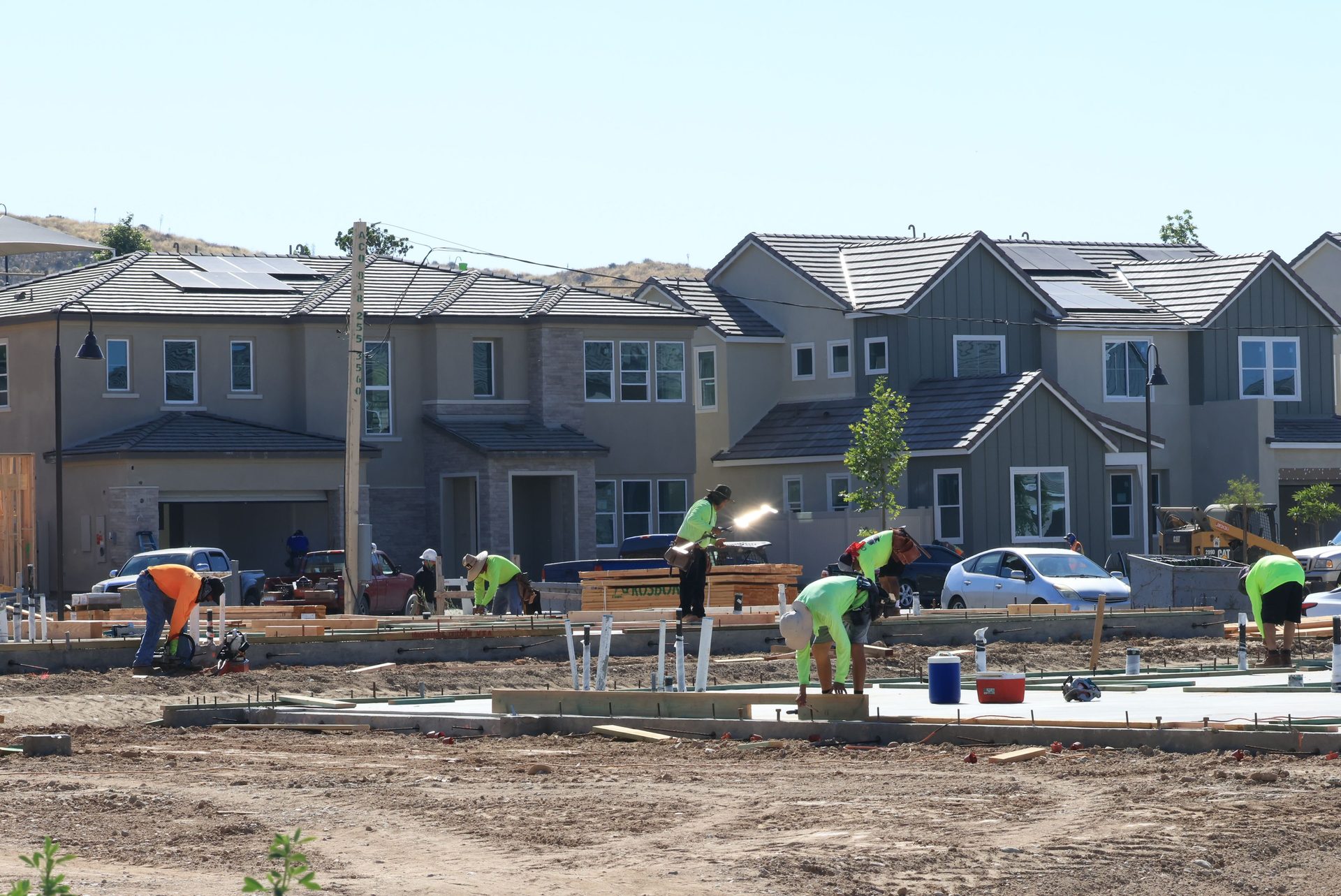
Building a house in Louisiana gives you something no existing listing can match — a home designed exactly the way you want it, in the location you choose, built to withstand the Bayou State’s unique climate. But before you break ground, you need a realistic picture of what it actually costs.
Across Louisiana, construction prices vary significantly based on where you build, what materials you choose, and whether you go custom or production. This guide walks you through every major cost category — from per-square-foot rates and land prices to the factors that can push your budget up or down — so you can plan with confidence.
Average Cost to Build a House in Louisiana
Building a house in Louisiana costs anywhere from $150,000 for a modest home to over $400,000 for a larger, custom-built property. The final price depends on factors like location, materials, labor, and design choices.
In Louisiana, the average cost to build a single-family home is approximately $145 per square foot. A 2,000 sq ft home would cost around $290,000, and a 3,000 sq ft home approximately $435,000. These figures are based on BuildGenius’s 2026 regional pricing database (updated March 2026) and exclude land costs.
Louisiana construction costs are below the national average, with a cost index of 88%. Lower labor rates and less restrictive codes help keep construction affordable. That’s a meaningful advantage if you’re comparing building in Louisiana versus higher-cost states like California or New York.
Key Insight: According to the NAHB’s 2024 Cost of Constructing a Home study, the national average cost to build a new home is around $162 per square foot for a 2,647 square foot home, excluding land and general contractor fees. Including the contractor’s fee typically adds 15% to 25%, bringing the average cost to about $195 per square foot. Louisiana comes in well below that benchmark.
The step-by-step process to build a home in Louisiana costs an average of $171,955, which is the 14th lowest average in the U.S. Land costs are lower in Louisiana than in many other states, and labor costs are relatively low.
It’s also worth noting that it takes an average of seven months to build a house in Louisiana, though custom homes and complex sites can extend that timeline considerably.
Cost to Build a House Per Square Foot in Louisiana
The average cost to build a house in Louisiana ranges from $100 to $200 per square foot, meaning a 2,000-square-foot home could cost anywhere from $200,000 to $400,000. That’s a wide range, and for good reason — construction quality, finish level, and location all move the needle substantially.
Here’s how per-square-foot costs break down by construction grade in Louisiana:
| Construction Grade | Cost Per Sq Ft | 2,000 Sq Ft Home | 3,000 Sq Ft Home |
|---|---|---|---|
| Basic / Entry-Level | $100 – $120 | $200,000 – $240,000 | $300,000 – $360,000 |
| Standard / Mid-Range | $120 – $150 | $240,000 – $300,000 | $360,000 – $450,000 |
| Custom / Premium | $150 – $200 | $300,000 – $400,000 | $450,000 – $600,000 |
| Luxury | $200+ | $400,000+ | $600,000+ |
Costs also shift depending on which city you build in. In New Orleans, the price per square foot ranges from $148 to $196, which means a 2,500-square-foot house would cost between $370,000 and $490,000. In Lake Charles, costs range from $120 to $230 per square foot depending on the grade of construction you choose, not including the cost of sitework or land.
Costs vary by city — New Orleans and Baton Rouge may differ by 10–15% compared to statewide averages. Rural areas and smaller towns generally offer lower rates, though you may face higher material delivery costs if you’re far from a supply hub.
Pro Tip: If you’re also considering renting before or during your build, it helps to understand what apartments cost in Louisiana so you can budget for housing during the construction period.
Cost Breakdown: What You’re Actually Paying For in Louisiana
Understanding where your money goes is essential for keeping a build on budget. Louisiana home construction costs fall into two main categories: direct (hard) costs and indirect (soft) costs.
Home building materials typically cost about 50 percent of the total cost to build a home in Louisiana. Labor costs are 30 to 40 percent of the overall cost. The remaining 10–20% covers permits, design fees, site prep, and finishing expenses.
Materials
You can expect to spend about $50 per square foot on material costs. Framing materials — including foundation, lumber, and steel beams — will require about $20,000 to $50,000. Other key material costs include:
- Shingle roofing typically runs between $5,500 and $11,500.
- Insulation (fiberglass, drywall, and foam) costs from $0.96 to $2.41 per square foot.
- Wood flooring installation in Louisiana ranges between $6.36 and $8.92 per square foot.
- Granite countertops and teak cabinets may cost between $37 and $43 per box.
- Professional window and door installation costs from $154 to $842, depending on material and use.
Labor
The average hourly wage for skilled trades in Louisiana is $35–$45. Union crews in New Orleans can command $50 or more per hour. Plumbing fixture installation — including sinks, faucets, showers, and PVC pipes — runs between $66 and $75 per hour plus materials.
Permits and Indirect Costs
You’ll need a building permit plus separate electrical, plumbing, mechanical, and sometimes stormwater permits. Each parish may have additional impact fees based on square footage. Impact fees vary by parish but generally fall between $0.50 and $1.00 per sq ft — for a 3,000 sq ft project, that’s $1,500 to $3,000, plus a fixed administrative fee of $500 to $1,000.
Indirect costs like permits, land prep, and interiors can exceed $25,000. Permits alone may cost up to $4,000.
Interior Furnishings
For a 2,000 sq ft home, you should budget at least $20,000 for interior furnishings including labor. This covers appliances, furniture, window treatments, and bathroom essentials — costs that are easy to underestimate when you’re focused on the build itself.
Important Note: Construction inflation was driven significantly by lumber and steel price increases in recent years. That’s why a 10–15% contingency is crucial; it protects you from price spikes after contracts are signed.
Cost of Land in Louisiana
Land is one of the most variable line items in any Louisiana build budget. Prices swing dramatically depending on whether you’re buying a residential lot in suburban Baton Rouge, rural acreage in north Louisiana, or a premium lot near the New Orleans metro.
The average price per acre in Louisiana is $26,800, though this depends on the size and location of the land. That figure reflects residential and mixed-use land rather than pure agricultural acreage. According to Land.com, the average price per acre in Louisiana across listed properties is $4,119 — a figure that reflects the wide range of rural, agricultural, and recreational tracts available statewide.
For residential building lots specifically, prices vary considerably by region:
- New Orleans metro: Redfin listings of land typically range between $11.06 and $53.22 per square foot, with an average cost of $24.53 per square foot. Full lot prices range from $39,300 to $159,000, averaging $84,733 for a piece of land in New Orleans.
- Northshore (St. Tammany Parish): Land prices can range from $50,000 to over $200,000 per acre, depending on proximity to amenities, neighborhood desirability, and lot size.
- Rural parishes: Beyond the greater New Orleans metro, most rural Louisiana parishes see lower median land prices versus national rates.
Once you’ve purchased your land, you’ll also need to factor in site preparation. You must clear and level the land before construction, which can cost anywhere between $1,500 and $3,000. If your lot is in a flood-prone zone — which is common in coastal Louisiana — costs rise further. A slab foundation is the cheapest option at $7–$9 per sq ft, but in flood-prone zones a raised crawlspace or pier system can add $15–$20 per sq ft.
Common Mistake: Key drawbacks buyers should be aware of include widespread flood zones requiring insurance and building limitations, complex ownership laws due to Louisiana’s Napoleonic code system, and inconsistent permitting rules across parishes. Always check FEMA flood maps before purchasing a lot.
Louisiana has a cost of living that is 9% lower than the national average and housing costs that are 18% lower, making it one of the more financially accessible states for land acquisition — particularly outside of the major metro areas.
Factors That Affect Building Costs in Louisiana
No two builds cost the same in Louisiana. Several forces specific to the state’s geography, climate, and labor market can meaningfully shift your final number.
Location Within the State
Home construction costs vary across Louisiana, with prices generally higher in major cities due to increased demand, higher labor costs, and land prices. Smaller towns and rural areas tend to be more affordable, but material transportation costs can impact the final price.
Home Size and Type
The average cost to build a house in Louisiana also depends on the type you select. There are three general categories of homebuilding: a production home, a semi-custom home, and a custom home. Production homes built in planned communities typically cost less because builders buy materials in bulk. Builders often buy materials in bulk for production homes, which may help reduce costs. Typically, lumber costs from $25,000 to $65,000 and an asphalt shingle roof can cost $5,000 to $11,000.
Hurricane-Resistant Construction Requirements
This is one of the most Louisiana-specific cost drivers you’ll encounter. Hurricane-resistant requirements — including impact-rated windows and reinforced roofing — add $2,500 to $5,000 per 1,000 sq ft. Meeting the 2025 Louisiana Energy Code can increase insulation and HVAC costs by 5–7% but yields long-term savings.
On the upside, impact-rated windows can lower homeowners insurance by 5–10% and qualify for state rebates, offsetting much of the extra cost.
Foundation Type
Louisiana’s wet, low-lying terrain makes foundation selection a critical cost variable. In flood zones, a standard slab simply isn’t an option. Pier and beam or raised foundations protect your home but add significantly to the budget — a factor that catches many first-time builders off guard.
Climate and Moisture Management
Louisiana has a hot-humid climate, making moisture management, mold prevention, and robust HVAC systems essential. Hurricane-rated construction may be required in coastal areas. These requirements aren’t optional — they’re built into local codes and directly affect your material and labor costs.
Permit Difficulty and Timeline
Permit difficulty in Louisiana is rated as moderate, with a standard permitting process. Most residential permits are approved within 4–8 weeks. However, coastal parishes and historic districts can involve additional review layers that extend timelines and add soft costs.
Labor Availability
Labor rates in Louisiana are classified as below average. Below-average labor rates contribute to lower overall construction costs. That said, demand spikes after major storm events can temporarily tighten the labor market and push rates higher in affected regions.
Building vs. Buying a House in Louisiana
Building gives you exactly what you want. Buying gives you speed and often a lower upfront cost. Here’s how the two paths compare in Louisiana’s current market.
In March 2026, home prices in Louisiana were up 4.3% compared to last year, selling for a median price of $259,700. Compare that to building: the average price to build a house in Louisiana is $230,000, but this amount can go beyond $300,000 if you include land costs, excavations, permits, and other expenses.
| Factor | Building a House | Buying an Existing Home |
|---|---|---|
| Average Cost | $230,000 – $435,000+ | Median $259,700 (March 2026) |
| Timeline | 7–12 months | 1–2 months to close |
| Customization | Full control | Limited without renovation |
| Condition | Brand new | Varies; may need repairs |
| Hidden Costs | Land, permits, site prep | Inspection, closing costs, repairs |
| Energy Efficiency | Built to current codes | May need upgrades |
Buying is usually a faster and cheaper option than building. While new homes take 9–12 months, homes for sale in Louisiana close in just 1–2 months, with more listings and lower prices.
That said, building has real advantages. It is usually cheaper to buy a home than to build a new one. However, by building your own home, you have the freedom to customize it to your needs. A new build also means no deferred maintenance, modern energy systems, and construction that meets current hurricane-resistance codes — a significant practical benefit in Louisiana.
If you’re weighing your options in specific Louisiana cities or want to compare rental costs while you decide, exploring apartment costs in Louisiana can help you understand your total housing picture. You might also find it useful to compare rental markets in similar Sun Belt states — for example, Miami, Orlando, and Phoenix all offer useful benchmarks.
Louisiana also offers several financing programs worth knowing about. The Mortgage Credit Certificate is designed for low- to moderate-income first-time homebuyers and provides a federal tax credit of up to 40% of annual mortgage interest. To qualify, the home must be your primary residence. The Mortgage Revenue Bond Program assists both first-time and repeat homebuyers by offering down payment and closing cost assistance and lower-than-market interest rates. Eligibility requires a household income at or below 80% of the area median income and a minimum credit score of 640.
Pro Tip: Closing costs average 2 to 5 percent of the purchase price of a home, although some builders pay those costs for their buyers. When comparing build vs. buy, factor closing costs into both scenarios.
How to Save Money When Building a House in Louisiana
A Louisiana build doesn’t have to blow your budget. With the right strategy, you can control costs at nearly every stage of the process without sacrificing quality.
Choose the Right Home Type for Your Budget
Production homes cost less than custom builds because the builder standardizes floor plans and buys materials in bulk. If you don’t need a fully bespoke design, a semi-custom or production home can deliver most of what you want at a meaningfully lower price. Semi-custom homes allow more personalization, sometimes including structural changes, but you’ll still be building the house according to the builder’s floor plan.
Invest in Hurricane-Resistant Features Strategically
Spending more upfront on storm-resistant construction can reduce long-term costs significantly. Impact-rated windows can lower homeowners insurance by 5–10% and qualify for state rebates, offsetting the extra cost for a 3,000 sq ft home. A fortified roof — with stronger edges, a sealed roof deck, and better attachment — is another investment that pays off over time in a state prone to severe weather.
Get Multiple Contractor Quotes
Hiring the right contractor is crucial to the success of your project. Look for a contractor with experience building homes in Louisiana and a reputation for quality work. Get quotes from several contractors and choose one that offers the best value for your budget.
Build a Realistic Contingency Buffer
Material price volatility is real in Louisiana. In Louisiana’s volatile market, material price spikes — especially lumber and steel — are common, so a 10–15% buffer safeguards against overruns. Build that contingency into your budget from day one rather than treating it as optional.
Choose Your Location Carefully
Building outside of major metro areas like New Orleans can save you substantially on both land and labor. Louisiana homeowners pay between 0.18% to 0.60% in annual property taxes depending on the specific parish, ranking among the lowest effective tax rates in the US. Choosing a parish with lower taxes and land costs compounds your savings over time.
Consider Modular or Manufactured Options
Louisiana also has modular homes that are increasingly affordable. Modular construction can reduce build time and material waste, which translates directly to lower costs — particularly for buyers who don’t require a fully site-built custom home.
Explore Energy-Efficient Upgrades That Pay Back
Meeting Louisiana’s energy code adds a modest upfront cost, but the long-term savings on cooling bills in a hot-humid climate are substantial. If you’re interested in other structures that complement your property — like an outdoor workshop or garden space — understanding greenhouse construction costs can also help you plan your full property budget.
Stay Involved Throughout the Build
Regularly talk to your builder and check progress. This will ensure the project stays on track and on budget. Catching scope creep or material substitutions early prevents expensive corrections later. Staying engaged is one of the most cost-effective things you can do as an owner-builder.
Key Insight: If you’re comparing housing costs across different markets while planning your build or relocation, it can be useful to look at what renting costs in major cities like Washington D.C., San Francisco, or Manhattan — all significantly more expensive than Louisiana’s housing market.
Building a house in Louisiana is a significant investment, but the state’s relatively low land costs, below-average labor rates, and favorable tax environment make it one of the more accessible places in the South to build. The key is going in with accurate numbers, a solid contingency plan, and a contractor who knows the local market. With that foundation in place, you’re set up to build smart — and build well.