Can You Freeze Iceberg Lettuce? What Actually Happens and How to Do It Right

November 7, 2026
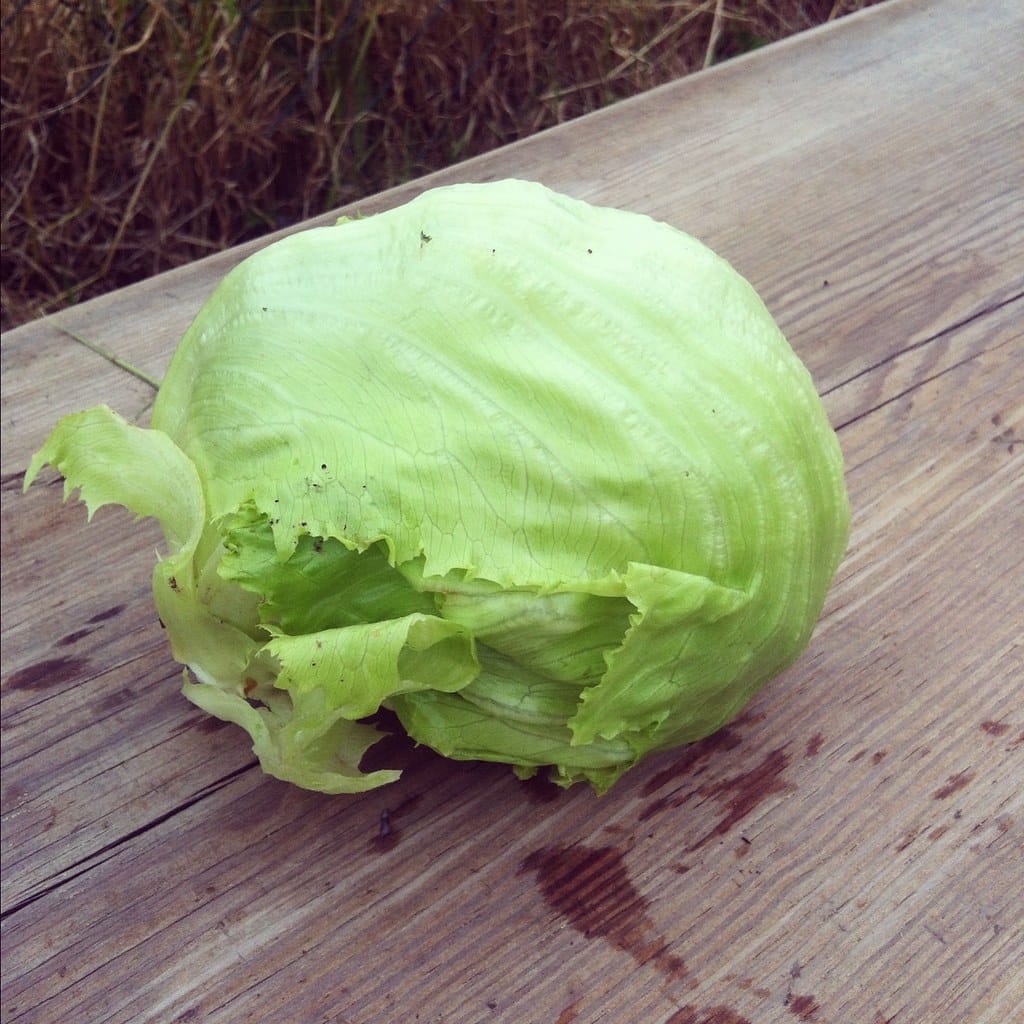
Iceberg lettuce is a staple in American kitchens — cheap, mild, and satisfying in a wedge salad or taco. But what happens when you buy a whole head, use half, and don’t want the rest to go brown in the crisper? Freezing sounds like the obvious fix.
The short answer is yes, you can freeze iceberg lettuce — but you need to go in with the right expectations. Iceberg lettuce does not freeze well and freezing is not recommended, because iceberg is high in moisture, which turns to ice when frozen, causing a mushy, wilted texture when thawed. That said, freezing it for specific uses — smoothies, soups, and cooked dishes — is a completely reasonable move that keeps it from going to waste.
This guide walks you through exactly what freezing does to iceberg lettuce, how to do it properly, how long it keeps, and the best ways to put it to use afterward.
Can You Freeze Iceberg Lettuce?
Yes, you can freeze iceberg lettuce, but the freezing process will alter its texture. When thawed, it might become limp and lose some of its crunchiness. It is still good for cooked dishes or smoothies, but not ideal for salads or sandwiches.
Iceberg is very high in water content, which makes it a poor choice for freezing. You can freeze iceberg lettuce, but only if you plan to use it in liquid form later on. If you’re hoping to pull it out and toss it in a salad, you’ll be disappointed. But if you’re planning to blend it into a smoothie or drop it into a pot of soup, freezing works well.
The key takeaway: freezing iceberg lettuce is about changing how you use it, not preserving it for its original purpose. Once you accept that, it becomes a genuinely useful food storage strategy rather than a disappointment. If you’re also wondering about freezing shredded lettuce, the same rules apply — iceberg-based shredded lettuce doesn’t hold up well to freezing.
Does Freezing Change the Texture or Taste of Iceberg Lettuce?
Yes — significantly. Since lettuce has a high water content, as it freezes, the water expands, destroying the structure of the lettuce leaves. That’s why it becomes soggy after it’s left to thaw — it no longer has its crisp texture and form.
Be prepared for changes to the texture. As the water content of iceberg lettuce is so high, you’ll find that it crystallizes and then ruins the texture of the leaves. This is the same reason cucumbers and celery don’t freeze well — they’re mostly water, and water expands when it freezes.
On flavor, the change is more subtle. While it will remain fresh up to 6 months, after that time the quality of the iceberg lettuce will diminish. The taste and texture will change. Within the recommended window, the taste stays reasonably close to fresh — it’s really the texture that takes the biggest hit.
Key Insight: Think of frozen-then-thawed iceberg lettuce the way you’d think of frozen spinach. The texture is soft and wilted, but the flavor and nutrition are still there for cooked applications.
How to Freeze Iceberg Lettuce the Right Way
There are two methods worth using: freezing whole leaves and freezing as a puree. The puree method is the most practical for smoothie and soup use. Both require starting with fresh, crisp lettuce — these steps are for lettuce that is still fresh at the time of freezing. Once lettuce has already gone bad, it should be tossed and cannot be frozen.
Method 1: Freezing Whole Leaves
- Separate the leaves. Cut off the stalk and separate the lettuce leaves out by hand. Too much cutting with a knife can cause some browning of the leaves.
- Wash thoroughly. Rinse each leaf under cool running water to remove dirt, debris, and any pesticide residue.
- Dry completely. Excess water on the lettuce can lead to ice crystal formation during the freezing process, which can damage the texture of your salad leaves. To prevent this, use a salad spinner or pat the leaves dry with a clean cloth or paper towel.
- Flash freeze. Lay the clean and dry lettuce leaves on a baking sheet, ensuring they don’t overlap. Place the baking sheet in the freezer for about an hour or until the leaves are frozen. Once the lettuce is rock hard, transfer the frozen lettuce leaves to freezer-safe containers or bags, squeezing out as much air as possible before sealing.
- Label and store. Label the containers with the date for easier organization.
Method 2: Freezing as a Puree (Recommended for Smoothies and Soups)
- Separate and wash the leaves as described above.
- In a blender, blend the leaves until you get the preferred consistency. In a clean ice cube tray, add the puree to each slot. Make sure not to overfill each slot. Put them into the freezer for a couple of hours.
- Once the iceberg lettuce is completely frozen, remove them from the freezer. Immediately pop each lettuce cube out from the ice tray and transfer it to a freezer bag. Squeeze out as much air as you can and seal the bag tight. Label it with a date and put the freezer bag back into the freezer.
Pro Tip: The high water content crystallizes when frozen and changes the leaf completely. However, in puree form, the texture change isn’t noticeable — this is the perfect solution to use up those excess lettuce leaves.
How Long Can You Freeze Iceberg Lettuce?
Iceberg lettuce can be frozen for up to 6 months. Unfortunately, iceberg lettuce does not freeze particularly well, so caution should be taken when freezing it and the right method needs to be used.
When it comes to freezing lettuce, the golden rule is straightforward: less is more. While you can technically freeze lettuce for up to six months, its quality may start to decline the longer it stays in the freezer. For optimal taste and texture, it’s recommended to use frozen lettuce within a few months of freezing.
After a year, if there is any iceberg lettuce left in the freezer, you should discard it. If you try to use it, it’ll be just a piece of an ice block with no flavor. For best results, aim to use frozen iceberg lettuce within 1 to 3 months, especially if you froze whole leaves rather than puree.
| Storage Method | Recommended Timeframe | Best Use |
|---|---|---|
| Whole leaves (freezer bag) | Up to 3 months | Soups, stews, stir-fries |
| Pureed ice cubes | Up to 6 months | Smoothies, juices, sauces |
| Refrigerator (fresh, whole head) | 7–14 days | Salads, sandwiches, tacos |
How to Thaw Frozen Iceberg Lettuce
How you thaw frozen iceberg lettuce depends on what you plan to do with it. In most cases, you actually don’t need to thaw it at all.
When it comes to using your frozen lettuce, you actually don’t want to defrost it. Just use it from frozen. Pop a pureed lettuce cube or leaves right into your cooking or add them to a juice before blending. This is especially true for soups and smoothies, where the lettuce goes straight into heat or a blender.
If you do need to thaw it first, the easiest method is to transfer the frozen lettuce from the freezer to the refrigerator and allow it to thaw for about an hour or slightly longer. Alternatively, you can thaw lettuce at room temperature, but it’s advisable to do so slowly to avoid compromising its texture.
Rapid thawing can cause excess moisture and make the leaves limp. If you thaw on the counter, set the bag on a few paper towels to catch the water that releases as the ice melts — there will be quite a bit of it.
Pro Tip: For cooked dishes like soups or stir-fries, skip the thawing step entirely. If using lettuce in a cooked dish, such as a stir-fry, you can add it directly from the freezer without thawing.
Can You Refreeze Iceberg Lettuce After Thawing?
No. Refreezing iceberg lettuce will only make the textural changes even more prominent, so it is strongly recommended not to refreeze iceberg lettuce — it will become incredibly mushy and soft.
Each freeze-thaw cycle causes more ice crystals to form and rupture the cell walls of the leaves. By the second cycle, you’re left with something closer to wet paper than lettuce. The best approach is to portion your lettuce into single-use amounts before freezing so you only pull out exactly what you need each time.
The puree-in-ice-cube-tray method is ideal for this reason. Each cube is a single-serving portion, so you grab one or two at a time and never have to worry about refreezing the rest.
How to Use Frozen Iceberg Lettuce (Best Uses After Freezing)
Once you’ve accepted that frozen iceberg lettuce won’t work for a fresh salad or a burger topping, a whole range of practical uses opens up. Think of thawed lettuce much like you would spinach. It can be chopped and added to stir-fries for a burst of green and added nutrients. Alternatively, purée it into sauces to sneak in some extra greens or layer it into casseroles for added texture and depth.
- Smoothies and green juices: Freezing lettuce for smoothies is a great idea. It helps retain the nutrients in the lettuce and provides a refreshing, chilled base for your smoothie.
- Soups and stews: Drop whole frozen leaves or puree cubes directly into a simmering pot. The lettuce adds bulk and mild flavor without affecting the dish.
- Stir-fries: Add frozen leaves toward the end of cooking, just as you would frozen spinach. They wilt quickly and blend into the dish.
- Casseroles and egg bakes: Frozen lettuce works well for rice dishes, soups, stock, casseroles, egg bakes, stir-fries, or any recipe that calls for spinach.
- Sauces and purees: Blend thawed or frozen lettuce into pasta sauces, pesto, or dips to add volume and nutrition without changing the flavor profile much.
What frozen iceberg lettuce doesn’t work for: fresh salads, sandwiches, tacos, burger toppings, or any dish where the crunch is the point. Frozen lettuce, when thawed, may not be suitable for sandwiches due to its altered texture. Thawed lettuce tends to be limp and watery, which can make your sandwich soggy.
For dishes where you want the nutritional value of leafy greens, frozen iceberg can also complement whole plant-based foods in your diet, since it adds volume and hydration to cooked meals without a strong flavor.
Signs That Frozen Iceberg Lettuce Has Gone Bad
Freezing slows spoilage but doesn’t stop it indefinitely. There are two main windows when frozen iceberg lettuce can go bad: while still in the freezer (after quality degrades past the 6-month mark) and after it has thawed.
To tell if your frozen lettuce is bad, look for these signs: rotten smell, extreme wilting, discoloration, and soggy texture. If you notice any of these signs, discard the lettuce instead of consuming it.
Here’s what to watch for specifically:
- Freezer burn: White or grayish patches on the leaves, dry edges, or an off smell when you open the bag. Freezer-burned lettuce is safe to eat but will taste bland and papery.
- Slimy texture after thawing: During the process of thawing, it will melt and become soft and soggy. The iceberg lettuce won’t go bad yet, but if you don’t use it for a couple of hours or more, it will become too watery. Use thawed lettuce promptly.
- Foul or sour smell: Fresh iceberg has almost no smell. Both types of lettuce have a pleasantly faint, earthy fragrance when they’re fresh. Pungent odors are a bad sign.
- Brown or black discoloration: Some darkening is normal when lettuce is frozen and thawed, but widespread brown or black patches — especially with an odor — mean it’s time to toss it.
Important Note: Always label your freezer bags with the date. Iceberg lettuce all looks similar once frozen, and it’s easy to lose track of how long it’s been in there. A piece of masking tape and a marker takes five seconds and saves you from guessing.
Frequently Asked Questions
Does freezing iceberg lettuce kill nutrients?
Freezing preserves most of the nutrients in iceberg lettuce. The structural damage from ice crystals affects texture, not nutritional value. Freezing lettuce for smoothies helps retain the nutrients in the lettuce and provides a refreshing, chilled base.
Can you freeze a whole head of iceberg lettuce?
In its whole form, iceberg lettuce does not freeze well at all. There will be a noticeable change in texture and structure when you freeze it. This is because of how delicate lettuce leaves are and because of the high water content of the vegetable. Separate the leaves and freeze them individually, or puree the lettuce first for the best results.
How long does fresh iceberg lettuce last in the fridge?
Iceberg lettuce lasts 1 to 2 weeks in the fridge when stored whole and unwashed in a sealed bag with a dry paper towel. Regular iceberg heads, wrapped tightly in plastic, keep for 10 to 12 days in the refrigerator. Refrigerating it fresh is always the better option if you plan to eat it within that window.
Can you freeze shredded iceberg lettuce?
Shredded lettuce is typically made from a head of iceberg, so it’s not a good choice for freezing. The shredding breaks down the cell structure even before freezing, which means the texture after thawing is even worse than with whole leaves. If you have shredded iceberg, use it fresh or blend it into a puree before freezing.
What’s the best lettuce to freeze if not iceberg?
The best types of lettuce to freeze are ones with a thicker leaf, such as romaine lettuce. Romaine holds up significantly better than iceberg because its leaves are denser and contain less water per leaf. Spinach and kale freeze even better and are worth considering if you’re looking for a freezer-friendly green. You can also explore foods that support healthy eyesight — many of which are dark leafy greens that freeze well.
Is it safe to eat frozen iceberg lettuce?
Yes, frozen iceberg lettuce is completely safe to eat as long as it has been stored properly and used within the recommended timeframe. The concern with freezing iceberg is quality and texture, not food safety. While it will remain fresh up to 6 months, it is still safe to eat after that — though the quality drops significantly past that point.