Why Are My Roses Drooping? Causes, Diagnosis, and Fixes

August 28, 2026
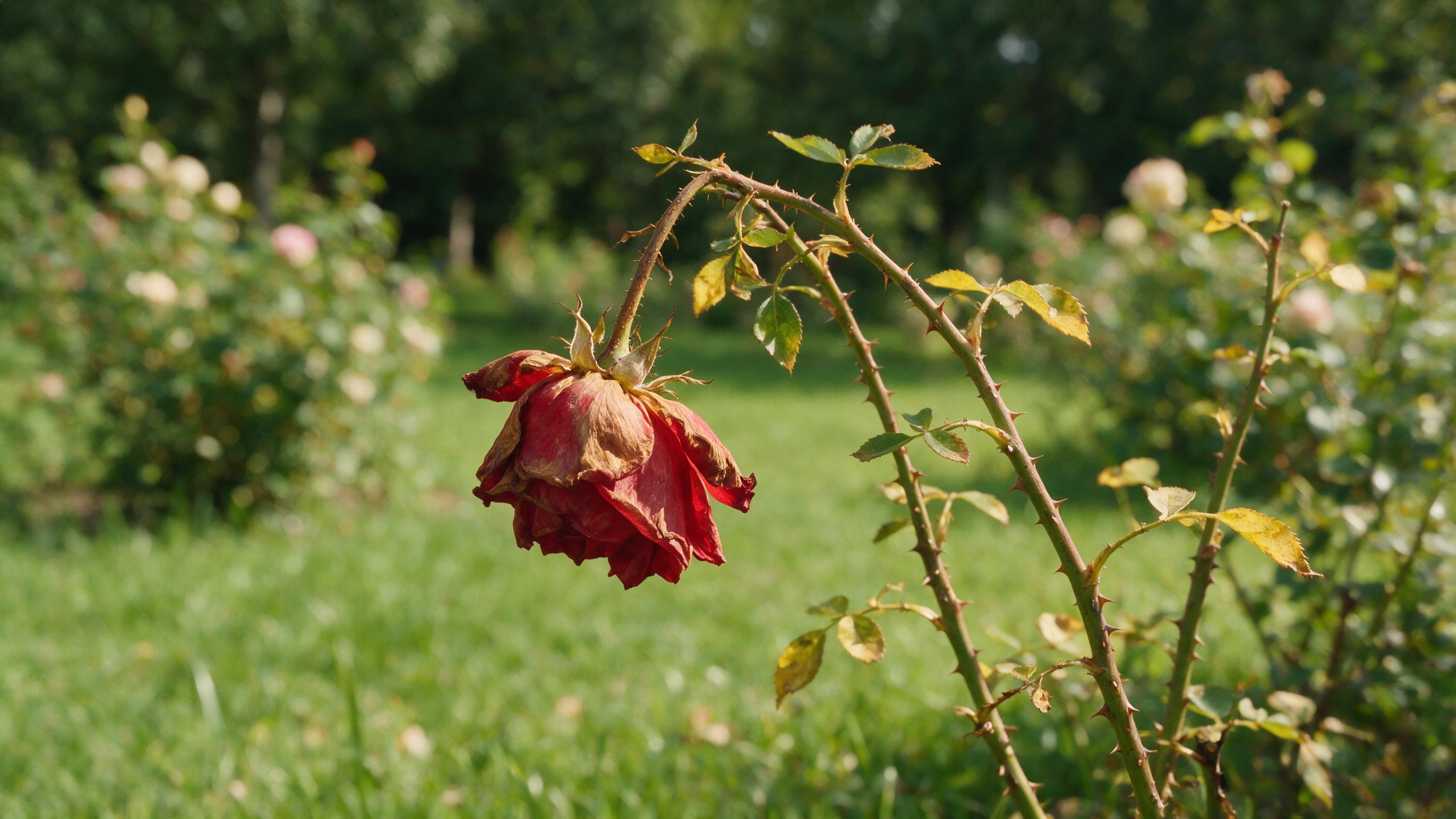
You step outside expecting to see your rose bush standing tall and full of color — and instead, the stems are bent, the leaves are limp, and the blooms are hanging low. It’s a frustrating sight, especially when you’ve been putting real effort into your garden.
The good news is that drooping roses are almost always fixable once you know what’s causing the problem. Five distinct causes produce the same drooping symptom, each needing a completely different response. That’s why guessing — and applying the wrong fix — can make things worse instead of better. This guide walks you through every possible cause, a clear diagnostic process, and the right solution for each scenario.
What Does It Mean When Your Roses Are Drooping?
When a rose bush begins to droop or wilt, it loses the turgor pressure that keeps its stems and leaves firm. This visual signal, where the plant hangs limp, communicates distress. Turgor pressure is essentially the internal water pressure inside plant cells — when it drops, everything goes soft.
Rose wilting is the noticeable drooping of leaves and stems, signaling a severe disruption in the plant’s ability to move and retain water. This condition often appears suddenly or progresses over several days. Understanding the cause is the first step toward recovery.
Drooping can affect the whole plant at once, or it may show up in just one or two canes while the rest looks healthy. That distinction matters — it’s one of the most useful clues when you’re trying to figure out what’s actually wrong. You can learn more about the different types of roses and how their growth habits differ, since some varieties are naturally more prone to certain issues than others.
Is Drooping in Roses Always a Sign of a Problem?
Not always. Before you start treating your rose, it’s worth considering whether what you’re seeing is actually a symptom of distress — or just the plant’s natural behavior.
If your roses are drooping and are otherwise healthy and flowering well, consider reframing what’s happening. The flowers of some roses naturally incline downwards. They’re pendulous. They nod, sway, drip, tipple, or hang from their stems. Old garden roses, English roses, and certain climbing varieties are bred with full, heavy blooms that naturally bow on their stems — that’s a design feature, not a defect.
The most common reason roses droop on a summer afternoon is not a problem at all. As air temperatures climb past 85°F, roses lose water through their leaves faster than their roots can pull it up from the soil — a process called transpiration. When that imbalance tips far enough, cells lose turgor pressure, and the plant droops.
This response is protective, not damaging. By reducing leaf surface area through wilting, the rose cuts its own water loss rate until the temperature drops. If your rose looks fine again by early evening and the soil is moist two inches down, you likely don’t have a problem at all.
Pro Tip: Check your rose at noon and again at 7 p.m. If it perks back up by evening with no other symptoms, midday heat stress is the culprit — not a watering or disease issue. Skip the extra water and let it recover on its own.
Watering Issues Causing Rose Drooping
The most frequent causes for rose drooping involve imbalances in water uptake, stemming from either too little or too much moisture. The tricky part is that both extremes look almost identical from the outside — limp stems, hanging leaves, a plant that looks exhausted.
Underwatering
The most frequent cause of wilting relates directly to the plant’s water status. Underwatering causes the plant to lose water faster than the roots can supply it, leading to limp stems and dry soil. In hot, dry parts of the US — think the Southwest or the Southeast in midsummer — roses can go from fine to severely stressed in less than 48 hours without adequate water.
Run a soaker hose for 45–60 minutes to penetrate 12–18 inches down to the deep root zone. Shallow daily sprinkles train roots to stay near the surface, making roses more drought-vulnerable with every season. Deep, infrequent watering builds a stronger, more resilient root system over time.
Overwatering and Root Rot
Overwatering is the most frequently misdiagnosed cause of drooping roses, because the symptom looks identical to underwatering. The crucial distinction: wet soil combined with drooping always points to overwatering, never to drought.
If the soil is saturated, wilting signals overwatering and potential root rot. Waterlogged soil deprives roots of the oxygen needed for healthy function, preventing them from absorbing water effectively. Symptoms of overwatering include soggy soil that stays wet for days after the last watering, yellow leaves starting at the base of the plant, soft or discolored stem tissue at soil level, and a faintly sour or rotting smell from around the roots.
To fix overwatering, stop watering immediately and allow the soil to dry down. Improve drainage by incorporating coarse grit or perlite into clay-heavy soil, or by building up a raised planting mound. Resume watering only when the top 2 inches of soil are fully dry. If root rot has set in, remove the rose from the ground or container, trim all brown, mushy roots back to white, firm tissue with clean shears, and replant in fresh, well-draining soil with added horticultural grit. If more than 60% of the root system is brown and soft, recovery is unlikely.
Light Conditions Behind Rose Drooping
Roses are sun-loving plants, and light conditions play a bigger role in their overall health — and their tendency to droop — than many gardeners realize.
A location with a minimum of six hours of direct sunlight daily is ideal for most types of roses. Morning sun is preferable, as it helps to dry out foliage quickly. When roses don’t get enough light, they produce weak, elongated stems that can’t support the weight of their blooms, and the whole plant gradually loses vigor.
If the plant does not get enough light, it simply won’t flower. If the amount of sunlight is well below the required amount, the roses will begin to droop. You will have to move the plant into an area that receives more sunlight if you want your rose bush to bloom and perk up again.
On the flip side, too much intense afternoon sun — especially in USDA hardiness zones 8 through 11 — can push roses into heat stress even when watering is adequate. Providing temporary afternoon shade, particularly when temperatures exceed 90°F, can reduce this wilting. A shade cloth or a strategically placed taller plant can make a real difference during peak summer heat. If you’re working in a challenging climate, UC IPM’s rose disorder guide covers region-specific light and heat stress factors in detail.
Pro Tip: If your rose sits near a south- or west-facing masonry wall, reflected heat from the surface can scorch canes and intensify wilting. Sunburn appears as blackened areas, especially on the south and west sides of canes. Excessive heat from the sun or reflected heat from masonry, vinyl siding, or rock mulch on rose canes causes sunburn.
Soil, Nutrients, and Root Health Causing Rose Drooping
Beyond hydration, soil composition influences a rose’s ability to thrive and remain upright. Roses prefer a slightly acidic soil pH, ideally ranging from 6.0 to 6.8, which maximizes nutrient availability. Outside that range, nutrients get chemically locked in the soil and become unavailable to the plant — even when they’re technically present.
If the pH is too high or too low, elements like iron or magnesium become chemically locked in the soil. This leads to deficiency symptoms that mimic wilting. A home soil test kit (available at most US garden centers) can confirm your pH and guide any amendments needed.
Nutrient Deficiencies
Nutrient deficiencies, particularly of nitrogen and potassium, can weaken the plant’s structure and contribute to drooping. Nitrogen supports foliage growth; a deficiency first appears as general yellowing of older, lower leaves. Potassium regulates water movement and enhances stem strength, presenting as yellowing or browning along the edges of older leaves.
Too much nitrogen causes the opposite problem. Growth that is too sappy means you need less nitrogen in the feed, and more potassium to mature the wood in the stems. Soft, lush growth from excessive nitrogen produces canes that simply can’t support heavy flower heads. A soil test is the most accurate way to confirm these imbalances and guide the application of specific amendments or fertilizer.
Fertilizer Salt Buildup
Salt buildup, or “fertilizer burn,” results from the excessive use of synthetic fertilizers. High concentrations of soluble salts draw water out of the root cells, dehydrating the plant even when the soil is moist. This often causes the leaf margins to turn brown and dry.
To correct this, flush the soil by applying a large volume of water slowly, allowing it to drain completely and wash excess salts past the root zone. After flushing, switch to a slow-release or organic fertilizer and follow label rates carefully.
Transplant Shock
Newly planted roses are susceptible to transplant shock, where damaged feeder roots cannot supply enough water to the foliage. Mitigate this by keeping the soil consistently moist, but not soaking wet. Temporarily shield the plant from harsh, direct sunlight until it establishes itself.
The first three to four weeks, your rose does mainly underground work — roots recover. Don’t give up on a newly planted rose that looks rough for the first few weeks. As long as the canes are still green when you scratch the bark, the plant is alive and working on recovery.
Environmental Stress Triggering Rose Drooping
Even when watering, soil, and light are all dialed in, environmental conditions can still push roses into drooping. These stressors are often temporary, but they’re worth understanding so you can respond correctly.
- Extreme heat: High temperatures, particularly those sustained above 90°F (32°C), can exacerbate the wilting process. This is especially common in Southern states during July and August. Midday drooping that resolves by evening is normal heat response — not a crisis.
- Wind: Strong, dry winds pull moisture from leaves faster than roots can replace it, causing temporary wilting even in well-watered plants. This is a frequent issue in open, exposed garden beds across the Great Plains and Southwest US.
- Cold snaps and frost: Winter injury from cold temperatures results in dead or dying flowers, twigs, and stems. A late spring frost can cause sudden drooping in new growth that looked perfectly healthy the day before.
- Heavy blooms: If stems develop multiple buds at the head, some can be snipped off to prevent stems becoming droopy under the weight of the flowers. Fewer buds means better individual flowers and less stress on stems.
If you’re gardening in a region with intense seasonal swings, exploring wind-tolerant plants to use as windbreaks near your roses can reduce environmental stress significantly. For gardeners in hot, arid states, drought-tolerant companion plants can also help moderate the microclimate around your rose beds.
Pests and Disease Leading to Rose Drooping
Roses are prone to numerous diseases and pests, most commonly black spot, Cercospora leaf spot, aphids, and sawflies. When biological threats are the cause of drooping, the pattern of symptoms is usually more localized or accompanied by visible damage to leaves, stems, or buds.
Cane Borers
If one or two cane tips suddenly wilt while the rest of the plant is completely healthy, cane borers are the most likely culprit — not a watering problem. This is one of the most misdiagnosed rose issues because gardeners check the soil, find it normal, and cannot identify what went wrong.
Cane borers, the larvae of certain wasps or beetles, target rose canes by creating entry holes and tunneling down the pith. This damage severs the vascular connections, resulting in the sudden wilting and dieback of the cane above the entry point. Fix: Prune the affected cane back well below the damage, until you see healthy white pith inside. Seal the cut end with white glue or a pruning sealer to prevent reinfestation. Dispose of the infected material.
Aphids and Spider Mites
Severe infestations of sap-sucking pests like spider mites or aphids can also induce wilting, especially with high temperatures. Young plants are often attacked by aphids, which are sucking insects and cause distortion of shoots. If the leaves are turning bronze or grey, this is a sign of mites. They are also sucking insects that pierce the underside of rose leaves and suck sap.
Aphids and mites can often be managed with a strong jet of water or the application of insecticidal soap. For persistent infestations, oils, including neem oil, or other fungicides such as potassium bicarbonate and sulfur, have been shown to be effective against a range of rose pests and fungal problems.
Stem Canker
There are several types of cankers which all ultimately cause rose canes to turn black or discolored and die. Stem canker enters plants through wounds caused by winter injury, improper pruning, or flower cutting, and also strikes plants weakened by black spot or powdery mildew.
The different fungi can cause different-looking cankers, but they usually produce brown, oval-shaped, sunken, or shriveled areas anywhere on the cane. The cane dies, and leaves wilt from that point outward. According to Illinois Extension , cankers should be pruned out each year, with the cut made well below the affected tissue.
Black Spot and Botrytis
Black spot can cause almost complete defoliation of bushes by early fall, resulting in a weakened bush on which cane dieback and cankers become severe. Black spot is identified as circular black spots that appear on the upper surface of the leaves, starting at the bottom of the plant and moving upward. Infected leaves turn yellow and fall off prematurely.
Rose flowers and buds are often infected with the gray-brown fuzzy growth of the gray mold fungus Botrytis cinerea. The fungus is most active when temperatures are 62 to 72°F and conditions are moist. Buds fail to open and often droop. Good air circulation and dry foliage are your best defenses against both diseases. The Clemson University Home & Garden Information Center provides a thorough breakdown of rose disease identification and treatment options.
How to Diagnose Why Your Roses Are Drooping
A systematic approach saves you from applying the wrong fix. Work through these steps in order before touching the plant.
- Note the timing. Before checking soil or inspecting stems, note when the droop happens and whether it recovers by evening. Midday drooping that resolves by 7 p.m. with moist soil = heat stress, not a problem requiring intervention.
- Check the scope. Is the whole plant drooping, or just one or two canes? Isolated cane wilting points to cane borers or stem canker. Whole-plant drooping points to water, soil, or root issues.
- Test the soil. Insert a finger about two inches deep near the base of the plant. If the soil is bone dry, the rose is suffering from dehydration. If the soil is soggy, you’re dealing with overwatering or root rot.
- Inspect the canes. Look for entry holes (cane borers), sunken discolored patches (canker), or soft, dark tissue at the soil line (root rot).
- Check the leaves. Monitor rose plants throughout the growing season by inspecting leaves, buds, and stems for symptoms such as spotting, blackening, sticky residue, holes in leaves, and leaf yellowing or distortion.
- Look under the leaves. Aphids cluster on new growth; spider mites leave fine webbing on the undersides of leaves. Both are easy to miss on a quick glance.
A plant identification app can help you cross-reference symptoms quickly. Check out the best iPhone apps for identifying plants or the best Android apps for identifying plants for tools that can assist with disease and pest recognition in the field.
Key Insight: The single most useful diagnostic step is the soil finger test. Overwatering is the most frequently misdiagnosed cause of drooping roses, because the symptom looks identical to underwatering. The crucial distinction: wet soil combined with drooping always points to overwatering, never to drought.
How to Fix a Rose That Is Drooping
Once you’ve identified the cause, match your fix to the diagnosis. Applying the wrong treatment — especially watering a plant that’s already waterlogged — will accelerate the problem rather than solve it.
| Cause | Key Symptom | Fix |
|---|---|---|
| Underwatering | Dry soil, whole plant drooping | Deep soak with soaker hose 45–60 min; mulch to retain moisture |
| Overwatering / Root Rot | Soggy soil, yellow lower leaves, sour smell | Stop watering; improve drainage; trim rotten roots if needed |
| Heat Stress | Midday droop, recovers by evening | Mulch base; water early morning; provide afternoon shade if above 90°F |
| Cane Borers | One or two canes wilting suddenly | Prune below damage to white pith; seal cut end |
| Stem Canker | Sunken, discolored patches on canes | Prune well below affected tissue; disinfect tools between cuts |
| Aphids / Mites | Distorted leaves, webbing, sticky residue | Strong water jet; insecticidal soap; neem oil for persistent cases |
| Nutrient Deficiency | Yellowing leaves, weak stems | Soil test; balanced rose fertilizer; adjust pH to 6.0–6.8 |
| Transplant Shock | Newly planted rose drooping | Consistent moisture; light shade for 7–10 days; patience |
Once the cause of drooping has been identified and addressed, the rose requires specific care to encourage recovery. If a severe issue like canker or pest damage is found, immediately prune away all damaged or dead material to prevent disease spread and redirect the plant’s energy. Cutting back wilted or yellowed foliage is important because the plant struggles to support non-functional tissues.
A thick layer of organic mulch, such as shredded bark, helps regulate soil temperature and conserve moisture, reducing water loss. Applying a gentle root stimulant, such as diluted liquid seaweed extract, can also encourage the development of new, healthy feeder roots.
How to Prevent Rose Drooping Going Forward
The best long-term strategy is building consistent habits that address the most common causes before they become problems. Most drooping episodes are preventable with a few routine practices.
- Water deeply and consistently. Maintain a consistent 1-inch-per-week schedule alongside a mulch layer to reduce the drying rate between waterings. In hot, dry US climates, you may need to water two to three times per week during peak summer.
- Mulch every season. Apply 2–3 inches of organic mulch around the base, keeping it 3 inches away from the stem, to buffer soil temperature and slow evaporation.
- Test and amend your soil. Run a soil test every one to two years. Keep pH between 6.0 and 6.8 and feed with a balanced rose fertilizer — avoiding excess nitrogen that produces weak, floppy canes.
- Choose the right site. Roses need rich, loamy, well-drained soil. Before planting, amend the planting site with organic matter. Roses do not grow well in wet, poorly drained soils.
- Prune correctly and regularly. Cutting away dead canes improves air circulation throughout the rose to decrease mildew, black spot, and other fungal diseases caused by too much moisture. Always disinfect your pruning tools between plants using a 1:10 bleach-to-water solution.
- Monitor weekly. Monitor rose plants throughout the growing season by inspecting leaves, buds, and stems for symptoms. Problems are easier to manage if detected and addressed early.
- Select disease-resistant varieties. Selecting disease-resistant rose bushes and proper rose care is the best defense against recurring fungal and bacterial problems. Knock Out and many modern shrub roses are bred specifically for disease resistance in US garden conditions.
- Water at the base, not overhead. Splashing water spreads black spot. Infection occurs after leaves are wet for several hours, making it more serious during rainy periods. Use a soaker hose or drip irrigation to keep foliage dry.
Establishing a consistent monitoring routine is the best long-term strategy to prevent future drooping. Catching issues early — before they escalate into full-plant collapse — is far easier than rescuing a severely stressed rose. If you enjoy growing a variety of plants alongside your roses, see what companion planting strategies can teach you about building a more resilient garden ecosystem. You might also explore the full range of types of plants that thrive in similar conditions to roses.
FAQ
Why are my roses drooping after I just watered them?
If your roses droop right after watering and the soil was already moist, you’ve likely overwatered. If the soil is saturated, wilting signals overwatering and potential root rot. Waterlogged soil deprives roots of the oxygen needed for healthy function, preventing them from absorbing water effectively. Stop watering, check drainage, and let the soil dry out before the next watering session.
Why are only some canes on my rose drooping?
If one or two cane tips suddenly wilt while the rest of the plant is completely healthy, cane borers are the most likely culprit — not a watering problem. Stem canker is another possibility. Inspect the affected canes closely for entry holes or sunken, discolored patches, and prune back to healthy white pith.
Can a drooping rose recover?
Yes, in most cases. A drooping rose is usually transplant shock or water stress, not death. Water gently, remove dead parts, protect from harsh sun for a week, and wait two to three weeks. Nine in ten roses recover. Even roses with root rot can recover if the damage is caught early and less than 60% of the root system is affected.
Why do my roses droop in the afternoon but look fine in the morning?
Wilting can be a temporary response to intense heat stress, where the plant restricts water loss by drooping its leaves during the hottest part of the day. This protective mechanism usually resolves itself once temperatures cool, provided soil moisture is adequate. This is completely normal behavior and does not require treatment as long as the soil is moist and the plant looks healthy by evening.
How often should I water roses to prevent drooping?
Water deeply in the early morning — two to three times per week at 1 inch per session — so roots begin the hottest part of the day fully hydrated. Adjust frequency based on your local climate, soil type, and season. Sandy soils dry out faster; clay soils hold moisture longer. Always check two inches down before watering rather than following a fixed schedule blindly.
Does black spot cause roses to droop?
Indirectly, yes. Black spot can cause almost complete defoliation of bushes by early fall, resulting in a weakened bush on which cane dieback and cankers become severe. A severely defoliated rose loses its ability to photosynthesize and support healthy stem structure, which leads to overall decline and drooping. Treat black spot early with targeted fungicide applications and good cultural practices.