Can You Freeze a Papa Murphy’s Pizza? (What You Need to Know)

October 23, 2026
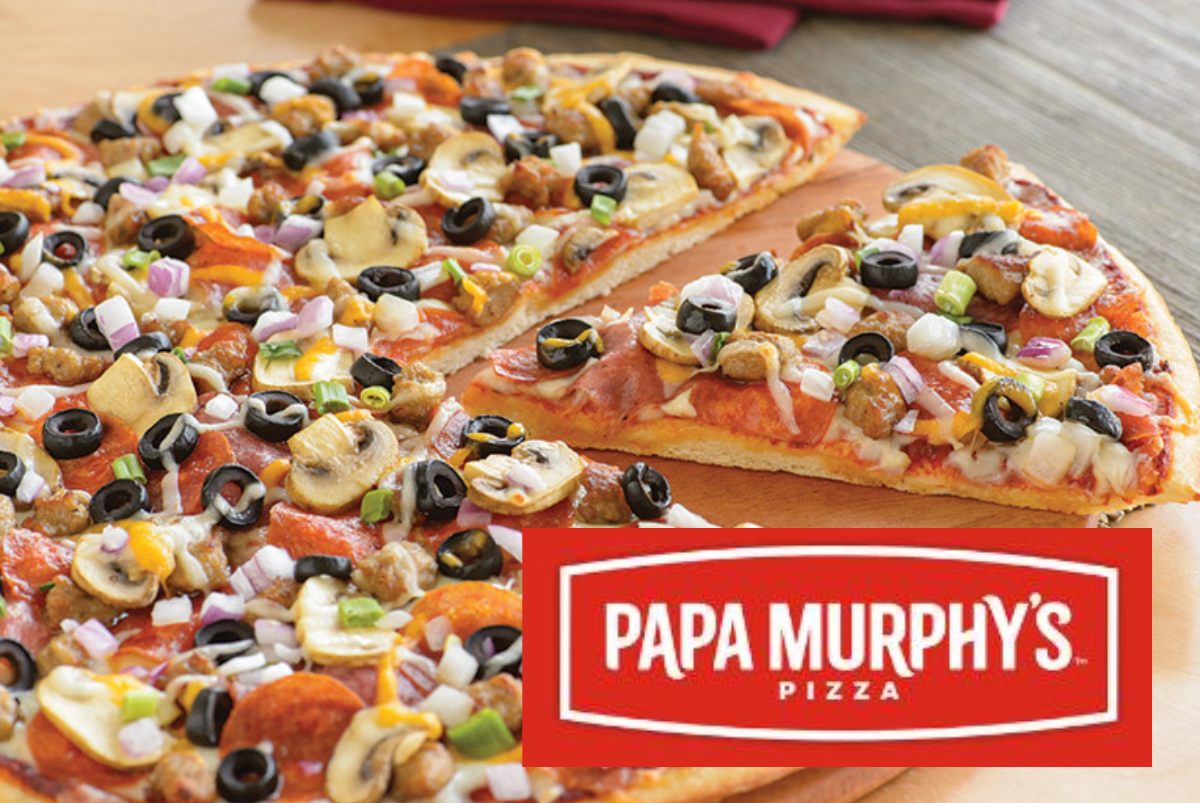
Papa Murphy’s is one of the most popular take-and-bake pizza chains in the United States, and for good reason. You pick up a fresh, fully assembled, unbaked pizza and cook it yourself at home — which means the dough, sauce, cheese, and toppings are all raw and ready to go into your oven.
But what happens when you buy an extra pizza, plans change, or life simply gets in the way? You may be wondering whether you can stash it in the freezer instead of scrambling to bake it that night. The short answer is yes — with the right technique, freezing a Papa Murphy’s pizza works well and gives you a ready-to-bake meal on your schedule.
This guide covers everything you need to know, from how freezing affects the texture to the exact steps for wrapping, storing, thawing, and baking your frozen pizza for the best possible results.
Can You Freeze a Papa Murphy’s Pizza?
Papa Murphy’s acknowledges that while they love being fresh and never frozen, you can request double-wrapping in-store so you can freeze your pizza. That means the option is officially on the table, even if it is not their primary recommendation.
While Papa Murphy’s does not officially recommend freezing their pizzas, you can do so by double wrapping them in plastic wrap to prevent freezer burn. The key advantage here is that the pizza is unbaked. Papa Murphy’s, known for its fresh, uncooked pizzas, offers a unique advantage when it comes to freezing. Unlike already-baked pizzas, which can suffer from textural changes after freezing and thawing, Papa Murphy’s dough and toppings are inherently suited to the freezing process, provided you follow a few essential guidelines.
Refrigerate your pizza if you don’t plan to bake it within 60 minutes of purchase. Then, remove it 60 minutes prior to baking for the crust to rise. Always bake pizzas within 24 hours of purchase. If that 24-hour window simply will not work for you, freezing is the practical alternative.
Pro Tip: Ask the staff to double-wrap your pizza in-store before you leave. Papa Murphy’s acknowledges this request, and it saves you the effort of re-wrapping at home while giving the pizza an extra layer of protection right from the start.
Does Freezing Change the Texture or Taste of Papa Murphy’s Pizza?
Freezing does affect the pizza somewhat, and it helps to know what to expect before you pull it out of the freezer. The changes are minor when you freeze correctly, but they are real.
The crust may not be as crisp as when baked fresh, especially if frozen for a long time. Using a pizza stone or baking steel can help mitigate this. The cheese and toppings may also experience slight changes in texture. Cheese might become slightly grainy, and vegetables may lose some of their firmness.
Toppings with high water content, such as tomatoes and lettuce, may become slightly soggy after thawing. Consider adding fresh versions of these toppings after baking. Heartier toppings like pepperoni, sausage, and cooked meats hold up much better through the freeze-thaw cycle.
While the flavor will remain good, it may not be as vibrant as a freshly baked pizza. Seasoning with additional herbs or spices before baking can enhance the flavor. A sprinkle of dried oregano, red pepper flakes, or a drizzle of olive oil before it goes into the oven can make a noticeable difference.
| Pizza Component | How It Holds Up After Freezing | Tips to Improve Results |
|---|---|---|
| Crust | May be slightly less crisp | Use a pizza stone or baking steel; thaw fully before baking |
| Cheese | May become slightly grainy | Do not overbake; watch closely in the last few minutes |
| Meats (pepperoni, sausage) | Holds up well | No special steps needed |
| Vegetables (peppers, onions, mushrooms) | May soften slightly | Pat dry before freezing; add fresh toppings after baking |
| High-water toppings (tomatoes, fresh basil) | Can become soggy | Add these fresh after baking instead |
How to Freeze a Papa Murphy’s Pizza the Right Way
Proper wrapping is the single most important factor in freezing success. Air is the enemy — it causes freezer burn, which dries out the crust and dulls the flavor of the toppings. Follow these steps for the best outcome.
- Do not bake the pizza first. The key lies in freezing the pizza before it’s baked. This way, you preserve the quality of ingredients and maintain the dough’s integrity.
- Keep it on the original tray. If you plan to freeze the pizza before baking it, keep it on the original tray provided by Papa Murphy’s. This tray is designed for baking and freezing.
- Wrap tightly in plastic wrap. Wrap the pizza tightly in plastic wrap. Make sure there are no gaps where air can get in, as this can cause freezer burn.
- Add a layer of aluminum foil. After wrapping in plastic wrap, cover the pizza with aluminum foil. This additional layer helps protect against freezer burn and preserves the pizza’s flavor.
- Label with the date. Clearly label the wrapped pizza with the date you are freezing it. This will help you keep track of how long it has been in the freezer.
- Store it flat. Place the wrapped pizza in the coldest part of your freezer. Try to keep it flat to prevent any toppings from shifting. Ensure that the pizza is not stacked under heavy items that could crush it.
Pro Tip: If you want to freeze individual slices rather than a whole pizza, wrap each slice individually in plastic wrap before placing them in a freezer-safe bag. This makes it easy to thaw only what you need.
How Long Can You Freeze a Papa Murphy’s Pizza?
For the best quality, it is recommended to consume frozen Papa Murphy’s pizza within 2–3 months. While it is safe to eat beyond this timeframe if kept constantly frozen, the taste and texture may start to degrade.
When stored in a freezer, Papa Murphy’s take-and-bake pizzas can last up to two months. As long as the pizza is properly wrapped and stored in the freezer at 0 degrees Fahrenheit or colder, your pizza should remain fresh and tasty.
If you have already refrigerated the pizza before deciding to freeze it, factor that time into your storage window. You can freeze a Papa Murphy’s pizza after it’s been refrigerated, but be mindful of the remaining shelf life. Factor in the time it was already refrigerated when determining its overall freezer storage duration. If it’s been refrigerated for more than two days, it’s best to bake it or discard it.
| Storage Method | How Long It Lasts | Notes |
|---|---|---|
| Counter (room temperature) | Up to 60 minutes | Refrigerate after this window |
| Refrigerator (unbaked) | Up to 24 hours | Remove 60 min before baking |
| Freezer (unbaked, properly wrapped) | 2–3 months | Best quality within 2 months |
| Freezer (baked slices) | 2–3 months | Wrap each slice individually |
How to Thaw Frozen Papa Murphy’s Pizza
Thawing correctly matters just as much as freezing correctly. Rushing this step can lead to uneven cooking, a soggy crust, or food safety issues.
The day before you bake, remove from the freezer and let it thaw in the refrigerator for 24 hours. Then remove from the refrigerator and let it sit at room temperature for 60 minutes before baking. This two-step process — fridge overnight, then counter rest — gives the dough time to rise properly and the toppings time to reach an even temperature before they hit the oven.
Refrigerator thawing is the slowest but safest method. Place the frozen pizza in the refrigerator for 12–24 hours, or until fully thawed. This method minimizes temperature fluctuations and helps preserve the pizza’s quality.
If you are short on time, you can thaw the pizza at room temperature for a shorter duration (2–4 hours). However, this method carries a higher risk of bacterial growth. Ensure the pizza does not sit at room temperature for an extended period.
Important Note: Do not use a microwave to thaw your Papa Murphy’s pizza. The microwave heats unevenly and will partially cook the dough and toppings before the pizza ever reaches the oven, resulting in a tough crust and overcooked cheese.
Can You Refreeze Papa Murphy’s Pizza After Thawing?
This is a question worth taking seriously, because refreezing raw dough and fresh toppings carries real food safety implications.
Once a Papa Murphy’s pizza has been thawed in the refrigerator, you should bake it rather than refreeze it. The dough is made with fresh yeast and raw ingredients, and repeated freeze-thaw cycles break down the structure of the dough and increase the risk of bacterial growth on the toppings.
If you take the pizza out of the freezer for even a short amount of time, condensation could form on the cold toppings and make them soggy when they are reheated. Each time the pizza warms up and cools back down, moisture accumulates and degrades the crust.
The better approach: freeze the pizza in individual portions before the first freeze. This method is super handy because you can portion your pizza out into slices so you only need to thaw as many as you can eat in one sitting. That way, you never need to refreeze anything.
How to Use Frozen Papa Murphy’s Pizza (Best Uses After Freezing)
Once your frozen pizza is properly thawed, you have more flexibility than you might think. The most straightforward option is to bake it according to Papa Murphy’s standard instructions, but there are a few approaches worth knowing.
Standard oven bake (recommended): Preheat your oven to the temperature recommended on the Papa Murphy’s baking instructions, typically 425°F. Place the pizza on its original tray or a baking sheet, and bake until the crust is golden brown and the cheese is fully melted and bubbling. Let the pizza cool for a few minutes before slicing. This helps the cheese set and makes it easier to cut.
Pizza stone method: If you have a pizza stone or baking steel, use it to bake your pizza. Preheating the stone or steel in the oven can help achieve a crispier crust. This is one of the best ways to compensate for any crust softening caused by freezing.
Baking directly from frozen: Baking directly from frozen can result in uneven cooking, with the crust potentially burning before the toppings are fully heated. Thawing the pizza beforehand ensures a more consistent and delicious outcome. If you must bake from frozen, significantly extend the baking time and monitor closely.
Reheating leftover baked slices: If you baked the pizza first and then froze the slices, reheat them in a 375°F oven on a baking sheet for about 10–12 minutes. When reheating pizzas, always use low to medium heat, as high temperatures can cause the cheese to become rubbery and toughen up the crust.
Looking for more ideas on how to get the most out of your food? Check out this guide on how to handle food challenges after dental procedures or explore whole plant-based foods if you want to round out your meals with healthier sides.
Signs That Frozen Papa Murphy’s Pizza Has Gone Bad
Even frozen food has a shelf life, and knowing when to toss a pizza rather than bake it protects you from a disappointing — or worse, unsafe — meal.
- Freezer burn patches: Improper wrapping leads to freezer burn, which occurs when moisture evaporates from the pizza’s surface, causing it to dry out and develop an unpleasant, leathery texture. Freezer burn can also affect the flavor of the pizza. Small patches can be trimmed away, but widespread freezer burn means the pizza is past its prime.
- Off or sour smell: After thawing, give the pizza a quick sniff. Raw dough that has started to ferment beyond its usable window will smell noticeably sour or yeasty in an unpleasant way.
- Unusual color changes: If your Papa Murphy’s pizza has taken on a strange color, such as green or blue, or has started to become darker than usual, this is a sign that it is no longer safe to eat.
- Slimy or wet toppings: After thawing, toppings that feel slimy rather than just moist indicate bacterial growth. Do not bake the pizza if you notice this.
- Exceeded storage time: If the pizza has been in the freezer for more than three months, the risk of quality loss and freezer burn increases significantly. When in doubt, throw it out.
Important Note: Always label your frozen pizza with the date it went into the freezer. A simple piece of masking tape and a marker takes seconds and prevents you from guessing how long something has been stored.
Frequently Asked Questions
Can you freeze a Papa Murphy’s pizza in its original packaging?
The original tray is fine to keep underneath the pizza, but the thin plastic film that comes on the pizza is not sufficient for freezer storage on its own. You need to add at least one full layer of plastic wrap and one layer of aluminum foil over the top to prevent freezer burn.
Can you freeze a Papa Murphy’s stuffed pizza or deli-style pizza?
Yes, thicker crust and stuffed varieties can be frozen using the same method. Keep in mind that thicker pizzas may need a longer thaw time — closer to the full 24 hours in the refrigerator — to ensure the center is fully thawed before baking.
What if I already baked the pizza? Can I freeze the leftovers?
One great way to store leftover Papa Murphy’s pizza is to bake it and then freeze it. This method is super handy because you can portion your pizza out into slices so you only need to thaw as many as you can eat in one sitting. Wrap each cooled slice individually in plastic wrap, then place them in a zip-top freezer bag.
How long does a Papa Murphy’s pizza last in the fridge before baking?
Uncooked Papa Murphy’s pizza can typically be stored in the refrigerator for up to 24 hours before baking. It’s best to bake it as soon as possible to maintain freshness and quality.
Can you freeze a Papa Murphy’s pizza the same day you buy it?
Yes — and this is actually the best time to freeze it. Ideally, freeze the pizza within 1–2 days of purchase for the best quality. The sooner you freeze it, the fresher the ingredients will be when you eventually bake it.
Do I need to thaw the pizza before baking?
Thawing is strongly recommended. Baking directly from frozen can result in uneven cooking, with the crust potentially burning before the toppings are fully heated. Thawing the pizza beforehand ensures a more consistent and delicious outcome.
For more food storage guidance and tips on making the most of what you eat, explore our articles on foods that support healthy skin and foods that support liver function. If you’re interested in expanding your culinary horizons alongside your pizza nights, our guides on traditional Greek foods and German foods are worth a read.