Traditional Iraqi Breakfast: 5 Dishes That Start the Day in Iraq

November 23, 2026
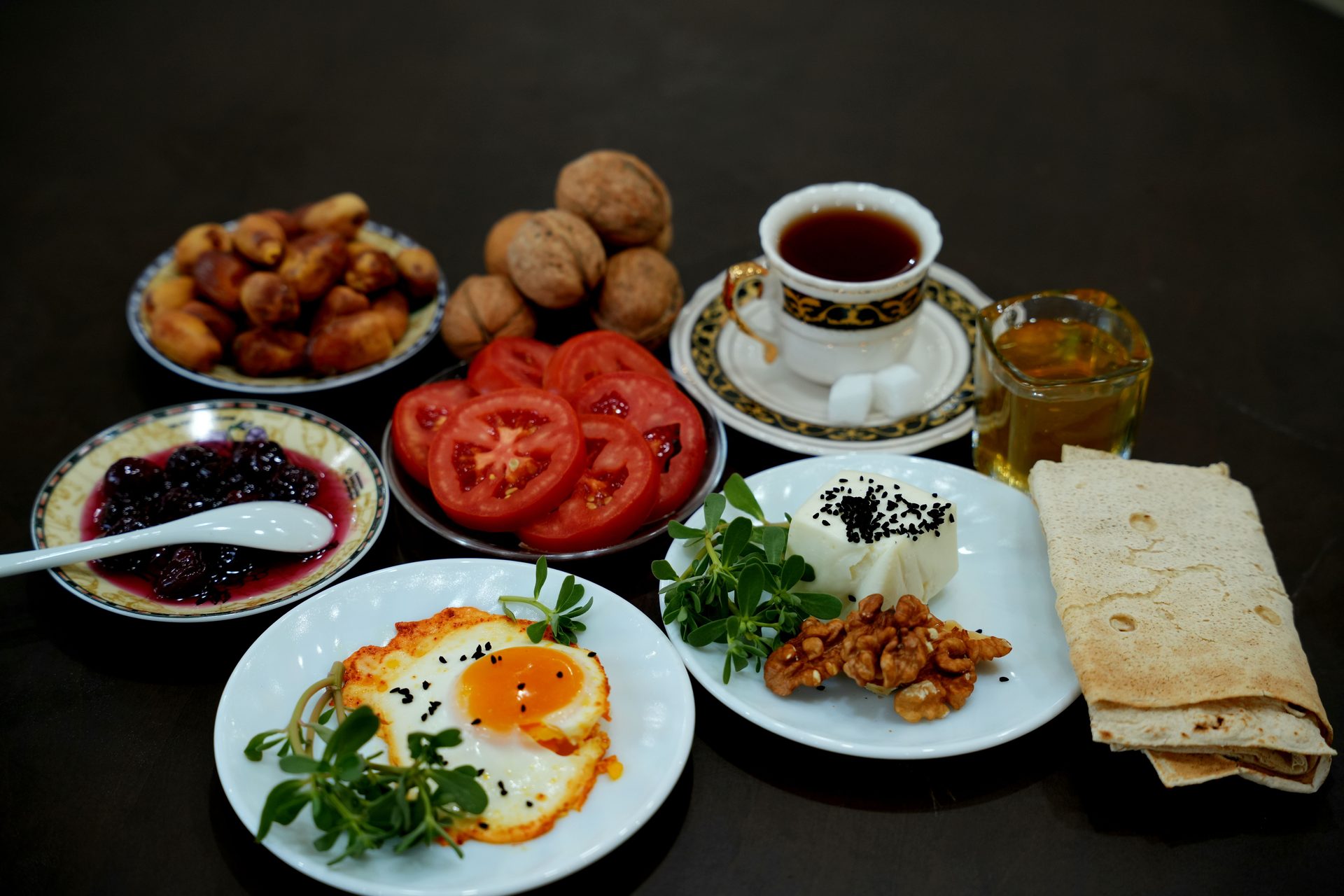
In Baghdad kitchens, morning often starts with a skillet still sizzling on the stove rather than a bowl of cereal. A traditional Iraqi breakfast is built around shared platters, strong tea, and dishes that carry generations of regional history in every bite, from spiced egg skillets to pastry drenched in clotted cream.
These meals are rarely rushed. They are meant to be eaten slowly, torn apart with bread, and passed around a table where everyone reaches into the same dish. Readers curious about how other cultures approach the first meal of the day might also enjoy this look at traditional Japanese breakfast customs for comparison.
The five dishes below appear on nearly every Iraqi breakfast table, whether in a home kitchen in Basra or a street stall in Erbil. Each one reflects a different layer of the country’s culinary identity, shaped by Mesopotamian farming traditions, Ottoman-era trade routes, and decades of migration.
| Dish | Main Ingredients | Flavor Profile | Common Pairing |
|---|---|---|---|
| Makhlama | Eggs, ground meat or spinach, tomato, spices | Savory, spiced, slightly tangy | Samoon bread, chai |
| Bagilla Bil Dihin | Broad beans, bread, fried eggs, hot ghee | Earthy, rich, buttery | Lemon wedges, flatbread |
| Kahi Geymar | Flaky pastry, clotted cream, date syrup | Sweet, buttery, layered | Hot black tea |
| Falafel | Fava beans or chickpeas, herbs, spices | Crisp outside, herby inside | Pickles, flatbread |
| Chai | Black tea leaves, sugar | Strong, sweet, slightly bitter | Served throughout the meal |
1. Makhlama
Makhlama is the dish most Iraqis picture first when someone mentions breakfast. Makhlama is a popular Iraqi dish that is typically served for breakfast or brunch, built around eggs cooked directly into a pan of spiced, cooked-down filling rather than poured over it afterward.
The classic version uses ground meat, but households swap in greens just as often. This typical Iraqi breakfast dish is made either with lamb, or without meat, using sautéed spinach, silverbeet or other leafy greens. One widely shared family recipe describes the dish simply: Makhlama is a dish of soft cooked eggs atop a skillet of ground beef with onions, parsley, tomatoes, and in some family styles, the addition of lemon juice. The Add a Little Lemon blog walks through that lemon-forward family version step by step.
A second common style leans on turmeric instead of meat-forward spicing. As one home cook describes it, makhlama simply means “Iraqi Eggs in Tomato Sauce,” and the main spice in the recipe is turmeric. Whichever version lands on the table, the finishing move is the same: the eggs go in whole or lightly broken, then the pan is covered just long enough for the whites to set while the yolks stay soft. For a vegetable-forward take, the Makhlama bil Sbenagh spinach omelet recipe shows how dill, curry powder, and turmeric replace the meat entirely.
Makhlama is typically scooped up with samoon, the domed Iraqi bread, rather than eaten with a fork. One recipe recommends serving it with samoon, khubz tanour, pita, or baguette, which doubles as the only utensil most Iraqi breakfast tables require. The one-pan, everything-in-the-skillet approach has something in common with Central European cooking too, where hearty single-pot meals like Germany’s eintopf stew solve a similar problem of feeding a family from one dish.
Pro Tip: Keep the heat at medium-low once the eggs go in. Makhlama is meant to have a soft, slightly runny yolk layer over a firm base, not a fully set omelet.
2. Bagilla Bil Dihin
Bagilla bil dihin is arguably the most distinctive dish on this list, and its name gives the game away before the first bite. Bagila is the Iraqi word for beans, specifically broad beans or fava beans, and “dihin” refers to fat or oil. The beans are served over soaked pita bread and topped with fried eggs, onions, and hot oil.
The broad bean itself, known botanically as Vicia faba, has been cultivated in the region for thousands of years and remains a staple protein across Iraqi home cooking. One food writer summed up the dish’s reputation with a bit of self-deprecating humor: it’s called “Bagila Bil Dihin” and it sounds like a heart attack since the literal translation is “beans with fat.” The Scoop Empire recipe breaks the process down for anyone trying it for the first time.
The assembly order matters more than the ingredient list. Bread gets soaked in the starchy bean broth first, beans go on top, and only then does the pan of fried eggs and hot oil arrive, poured over the whole platter at the table. The Measuring Cups, Optional version notes that the bean cooking water is essential for this step, since dried broad beans (rather than canned) give the bread something worth soaking in.
Two close relatives show up at festive breakfasts. Thareed, or tashreeb bagilla, is a festive Iraqi breakfast built on the same soaked-bread base but topped with scrambled rather than fried eggs. There is also a rice-based cousin: timman bagilla is a traditional rice and fava bean dish from Iraq that can be served plain or accompanied by chicken, lamb, or other meats, detailed further on 196 Flavors .
3. Kahi Geymar
Where makhlama and bagilla bil dihin are savory and substantial, kahi geymar is Iraq’s answer to a celebratory sweet breakfast. The dish is actually two separate preparations served together: kahi, a thin, flaky, deep-fried or baked pastry with dozens of crisp layers, and geymar, a thick clotted cream traditionally skimmed from water buffalo milk.
The water buffalo, Bubalus bubalis, produces milk with a higher fat content than cow’s milk, which is part of why geymar sets into such a dense, almost custard-like layer when the milk is simmered slowly and cooled. The cream is spread across the warm pastry in thick ribbons, then finished with a generous drizzle of date syrup, known locally as dibis, which adds a deep, molasses-like sweetness without the need for refined sugar.
Kahi geymar is less of an everyday dish and more of a weekend or special-occasion treat, often bought fresh from a dedicated kahi vendor rather than made at home, since achieving properly thin, crisp layers takes practice. In that sense it occupies a similar cultural niche to layered, syrup-finished pastries found elsewhere in the eastern Mediterranean, including some of the pastries covered in this guide to traditional Greek foods.
Important Note: Fresh geymar made from water buffalo milk can be difficult to find outside the Middle East. Many home cooks outside the region substitute clotted cream or a reduced mixture of heavy cream and whole milk, which gets close in texture even if the flavor is slightly milder.
4. Falafel
Falafel is often associated with lunch counters and street food stalls, but in Iraq it also has a firm place on the breakfast table, usually tucked into fresh bread alongside pickled vegetables. The patties are made from ground legumes, herbs, and spices, then shaped and deep-fried until the outside turns deeply golden while the inside stays soft and green.
Across the wider Middle East, falafel recipes split between two base ingredients: chickpeas, Cicer arietinum, and the same broad beans used in bagilla bil dihin, Vicia faba. Iraqi versions lean toward one or a blend of both, depending on the household, giving the patties a slightly denser, earthier bite than the chickpea-only falafel common in parts of the Levant.
Because falafel travels well and holds up at room temperature, it is a practical choice for breakfasts eaten on the move, something city workers in Baghdad have relied on for decades. The dish’s deep roots across the region are shared with Egypt, where a similar fava-bean fritter predates most modern falafel recipes; readers interested in that lineage can compare notes in this overview of traditional Egyptian food. A similar fried-legume logic also shows up in South Asian breakfast stalls, a connection explored further in this piece on traditional Pakistani food.
- Serve falafel warm, straight from the fryer, for the best contrast between the crisp shell and soft center.
- Pair it with pickled turnips or cucumbers to cut through the richness of the fried exterior.
- Wrap leftover falafel in flatbread with tomato and herbs for a quick second-day breakfast.
5. Chai
No traditional Iraqi breakfast is complete without chai, and in most households it is poured before any food reaches the table. The tea itself comes from Camellia sinensis, the same plant behind black tea traditions worldwide, but the Iraqi preparation is distinctly strong, dark, and often sweetened heavily with sugar rather than milk.
Chai is typically brewed in two stages, a strong concentrate steeped separately and then diluted to taste in small, curved glasses that keep the tea hot without burning fingers. The ritual of pouring, refilling, and re-pouring chai throughout a meal mirrors tea customs found across the region and beyond, including the glass-and-saucer service common in parts of traditional Egyptian drinks culture and the spiced milk-tea traditions covered in this piece on traditional Indian foods.
Guests are rarely allowed to finish a glass without it being topped off again, a small but telling detail about how central hospitality is to the whole breakfast experience. Sugar is added generously and usually stirred in by the drinker rather than the host, since preferred sweetness levels vary widely from one person to the next.
Pro Tip: If brewing Iraqi-style chai at home, steep the tea leaves longer than usual and dilute the concentrate with hot water rather than boiling the leaves directly, which can turn the tea bitter.
Together, these five dishes show why breakfast in Iraq is treated less as a quick refueling stop and more as a daily ritual worth slowing down for. Whether the table holds a skillet of makhlama, a platter of bagilla bil dihin, or simply bread, falafel, and endless glasses of chai, the meal is built around sharing rather than speed. For more ideas on how breakfast traditions vary around the world, the full breakfast collection covers dishes from several other regions worth exploring next.