18 Traditional Ecuadorian Breakfast Dishes to Try at Least Once

November 22, 2026
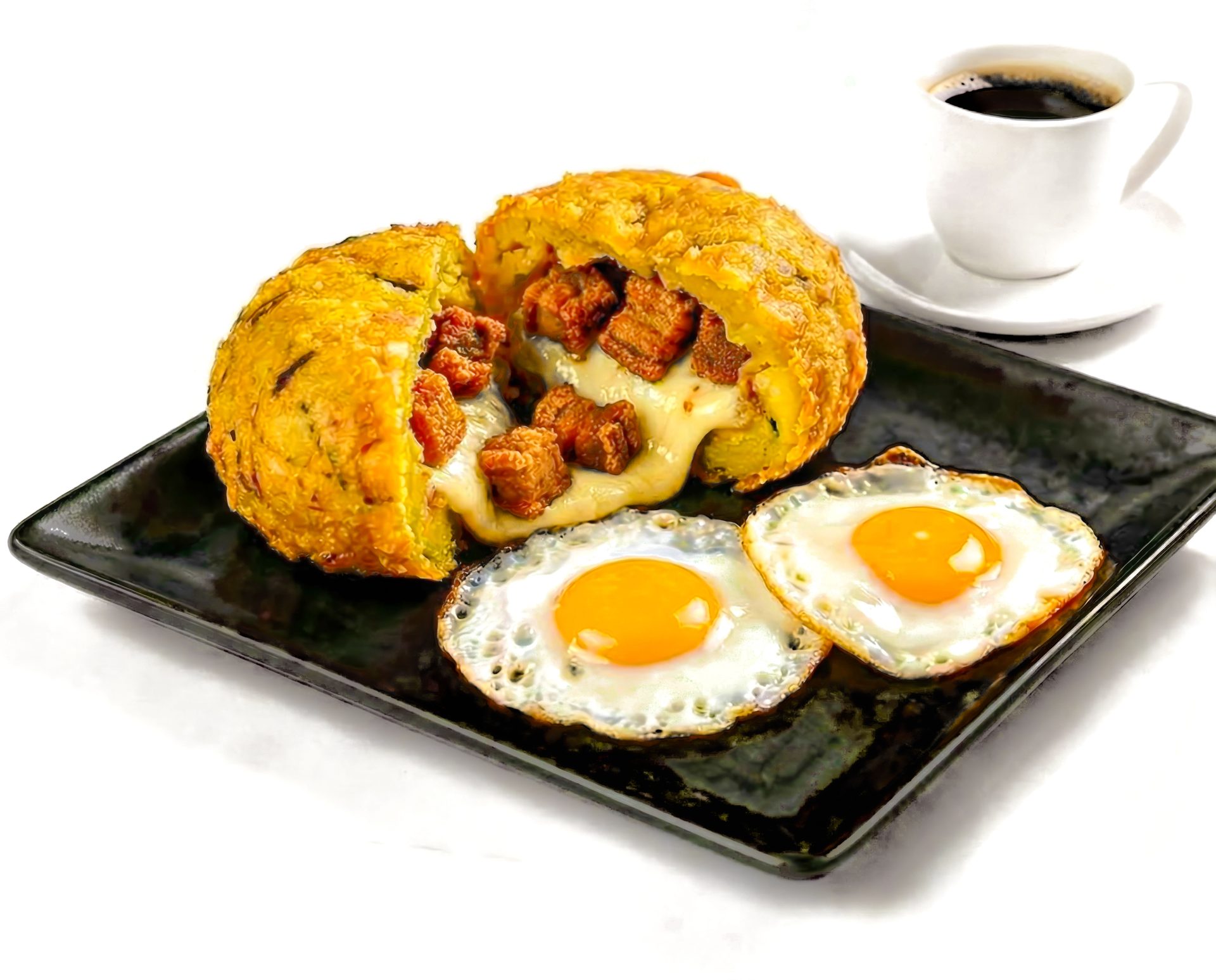
Walk through a market in Guayaquil or Quito before seven in the morning and the air already smells like fried plantain, fresh cheese, and strong coffee. A traditional Ecuadorian breakfast rarely looks the same from one region to the next, because the country’s three main zones — coast, Andes, and Amazon — each cook with what grows closest to home. Laylita’s Recipes notes that Ecuadorian breakfasts can be small and quick, for example some bread with cheese or dulce (jam) and coffee/juice, though a weekend table can just as easily hold a full bowl of fish soup.
This rundown covers 18 dishes that show up on breakfast tables across Ecuador, from fried green plantain balls on the coast to corn-based mote in the highlands. Readers curious about how other countries build their own version of a first meal can also compare notes with a traditional Japanese breakfast or browse more morning ideas in the breakfast archive.
| Dish | Typical Region | Main Ingredient |
|---|---|---|
| Bolón de verde | Coast | Green plantain |
| Empanadas de verde | Coast | Green plantain |
| Empanadas de viento | Andes (Quito) | Wheat flour, cheese |
| Humitas | Andes and Coast | Fresh corn |
| Majado de verde | Coast | Green plantain |
| Encebollado de pescado | Coast | Tuna, yuca |
| Encebollado de albacora | Coast | Albacore tuna |
| Ceviche de camarón | Coast | Shrimp |
| Mote pillo | Andes (Cuenca) | Hominy corn |
| Plátanos maduros con queso | Coast and Andes | Ripe plantain, cheese |
| Pan de yuca | Coast and Andes | Cassava starch, cheese |
| Pan de sal | Andes | Wheat flour |
| Pan de dulce | Andes | Wheat flour, sugar |
| Colada de avena | Andes | Oats |
| Horchata lojana | Loja | Herbs and flowers |
| Cafecito | Nationwide | Coffee |
| Tigrillo | Amazon and Coast | Green plantain, egg |
| Repe | Loja | Green plantain, cheese |
1. Bolón De Verde
Bolón de verde is the dish most visitors meet first, and for good reason: it shows up on nearly every coastal breakfast menu, often alongside fried eggs and a slice of fresh cheese. The name comes from the Spanish word for a large ball, and the dish is exactly that — mashed green plantain formed into a round shape and stuffed with cheese, chicharrón, or chorizo before frying. Gambero Rosso International describes it as bolón de verde, Ecuador’s national dish appreciated in all regions but particularly widespread along the coast, a croquette-style snack built from crushed green plantain mixed with cheese and chorizo.
Food historians tracing the dish’s roots point further back than Ecuador itself. According to the same report, the bolón owes its birth to Cuba, as the Ecuadorian version of fufú de plátano, a mashed root dish brought over through earlier trade and migration. Home cooks in Ecuador and neighboring Venezuelan food traditions share this same instinct for turning starchy plantains into a filling morning base.
Pro Tip: Shape the mashed plantain while it’s still warm — it holds together far better than once it cools, and the cheese melts more evenly inside.
2. Empanadas De Verde
Empanadas de verde use the same green plantain dough found in bolón, but rolled flat and folded around a filling instead of shaped into a ball. Cooks typically tuck in a spoonful of seasoned cheese or a mix of ground meat and spices, then seal the edges and deep-fry until the outside turns crisp and golden. Along the coast, street vendors sell them wrapped in paper, still warm, as an easy breakfast to eat on the move.
The plantain dough itself takes more effort than wheat-based pastry, since the cooked plantain needs to be mashed smooth enough to roll without cracking. That extra step is part of why empanadas de verde feel heartier than their flour-based cousins — a trait shared with other fried, stuffed breakfast pastries like the samosas found in many traditional Indian foods.
3. Empanadas De Viento
Empanadas de viento take their name quite literally: “wind empanadas,” because the thin dough puffs up with air pockets the moment it hits hot oil. Mami Ganoush explains that these are empanadas de viento, which translates to turnovers of wind, denoting the airiness of the empanada because it inflates when fried. The filling is simple on purpose — just enough melting cheese, sometimes mixed with minced green onion, to stay contained inside the crisp shell.
They’re especially common around Quito, where bakeries sell them dusted with sugar rather than salt, giving the empanada a sweet-savory contrast similar to cheese-filled pastries found in traditional Greek foods. Street vendors near Quito’s historic center fry them fresh throughout the morning, and the sugar dusting is what separates a true empanada de viento from a plain cheese empanada.
4. Humitas
Humitas are fresh corn tamales, made from ground sweet corn mixed with cheese, egg, and a little sugar or lard, then wrapped in corn husks and steamed. Unlike the dried-corn tamales found elsewhere in Latin America, Ecuadorian humitas use corn straight off the cob, which gives them a softer, slightly sweet texture. Street carts near bus terminals sell them by the dozen, still steaming, as a quick handheld breakfast.
Ecuadorian chef Gino Molinari traced the dish back to necessity rather than luxury. As quoted by Gambero Rosso International , he explained that the green plantain, corn and seafood are very commonly eaten along the coast because early communities cooked with whatever they could gather locally. That same corn-first instinct shows up in breakfast porridges from traditional South African food, where maize plays a comparable role.
5. Majado De Verde
Majado de verde is the softer, saucier cousin of bolón — mashed rather than formed into a ball, and usually served loose on a plate instead of fried crisp. Laylita’s Recipes describes it as a green plantain mash made with green plantains, onions, garlic, and achiote, served with fried eggs and cheese slices. The achiote gives the mash a warm orange tint and a mild, earthy flavor that’s distinct from the plainer taste of boiled plantain.
Because it skips the frying step, majado comes together faster than bolón, which is part of why it’s common on weekday mornings rather than saved for a slower weekend breakfast. A fried egg on top, yolk broken into the mash, is the most traditional way to finish the plate.
6. Encebollado De Pescado
Encebollado de pescado is a fish soup built around tuna, yuca, and a sharp pile of pickled red onion on top — and for many Ecuadorians, it’s the breakfast of choice after a long night out. Laylita’s Recipes describes it as an Ecuadorian fish soup made with fresh tuna, yuca or cassava, tomato, onions, cilantro, cumin, hot pepper and topped with pickled onions. The broth is tangy from lime and usually served with plantain chips or toasted corn on the side for crunch.
The soup’s reputation as a cure for a rough morning is almost as well known as the dish itself, much like hearty breakfast stews serve a similar comfort role in German one-pot cooking. Coastal restaurants often open early specifically to serve encebollado to the breakfast crowd.
Key Insight: Encebollado is widely considered Ecuador’s unofficial national soup, and its reputation as a morning cure-all is a matter of local tradition rather than medical fact.
7. Encebollado De Albacora
Encebollado de albacora follows the same base recipe as the tuna version, but swaps in albacore for a firmer bite and a slightly milder flavor. Coastal cooks tend to choose whichever fish is freshest at the market that morning, so the two versions are often sold side by side rather than treated as separate dishes. Albacore holds its shape a bit better during the simmer, which some diners prefer in a soup meant to be eaten slowly.
Pickled onion, cilantro, and a squeeze of lime finish the bowl the same way as with the tuna variety. The choice between tuna and albacore mostly comes down to regional supply and personal taste rather than any strict rule about which fish belongs in the dish.
8. Ceviche De Camarón
Shrimp ceviche might sound like a lunch or dinner dish elsewhere, but on Ecuador’s coast it’s a completely normal way to start the day. Laylita’s Recipes calls it a classic Ecuadorian shrimp ceviche recipe: shrimp marinated in lime and orange juice with red onions, tomato and cilantro. Unlike Peruvian-style ceviche, the Ecuadorian version is often served with its tangy marinade as a cold soup, eaten with a spoon alongside toasted corn or plantain chips.
Market stalls near the coast sell it in plastic cups to go, which makes it one of the more portable options on this list. The citrus-forward, protein-heavy profile gives it a refreshing quality that works especially well in Ecuador’s warmer coastal mornings.
9. Mote Pillo
Mote pillo swaps rice or bread for hominy corn, pan-fried with scrambled eggs, onion, and achiote until everything turns a warm golden color. It’s especially associated with Cuenca and the southern highlands, where mote appears in some form at nearly every meal. Laylita’s Recipes notes that breakfast in the highlands can mean mote pillo or hominy with scrambled eggs in the Andean highlands, a heartier option than the lighter coastal plates.
The texture sits somewhere between fried rice and scrambled eggs, with the corn kernels adding a slight chew that holds up well against the soft egg. It’s often served with a piece of fried pork or longaniza sausage on the side, similar to how eggs pair with flatbread in a traditional Pakistani breakfast.
10. Plátanos Maduros Con Queso
Plátanos maduros con queso is about as simple as Ecuadorian breakfast gets: ripe, sweet plantains fried until caramelized at the edges, served with a thick slice of fresh white cheese. The contrast between the sugary fruit and the mild, slightly salty cheese is the entire appeal, and it requires almost no preparation beyond slicing and frying. Some households skip the frying altogether and simply bake the plantains until soft.
It’s a dish that crosses every region and every budget, from roadside stands to family kitchens, because ripe plantains and fresh cheese are available almost everywhere in the country. The same instinct for pairing sweet fruit with savory dairy or frying shows up in fried banana snacks found across Southeast Asia, including in traditional Malaysian food.
11. Pan De Yuca
Pan de yuca is a small, chewy bread roll made from cassava starch and cheese, baked until the outside turns golden and slightly crackled. According to Wikipedia , pan de yuca is a type of bread made of cassava starch and cheese typical of western Ecuador and southern Colombia. The texture is closer to a cheese roll than standard wheat bread, with a gooey, stretchy bite that comes from the melted cheese baked into the dough itself.
It’s traditionally sold warm from bakery windows and street carts, often alongside a glass of yogurt or fresh juice. Bakeries in Quito and Guayaquil both claim their own take on the recipe, though the cassava-and-cheese combination stays consistent nationwide.
12. Pan De Sal
Pan de sal is a simple, slightly savory wheat roll, soft inside with a light crust, and it’s the bread most commonly found in Andean bakeries each morning. It pairs naturally with scrambled eggs, cheese, or a spoonful of jam, making it one of the more flexible items on an Ecuadorian breakfast table. The dough itself isn’t heavily seasoned — the name refers more to its everyday, unsweetened character than any strong salt flavor.
Bakeries typically bake fresh batches twice a day, once early for breakfast and again in the afternoon, so the bread rarely sits long before it’s sold. This daily bread-baking rhythm echoes a similar everyday ritual found around boulangeries in traditional French food, where fresh bread is treated as a morning essential rather than an occasional treat.
13. Pan De Dulce
Pan de dulce is the sweeter counterpart to pan de sal, enriched with a bit more sugar and sometimes a hint of anise or cinnamon in the dough. It’s soft, lightly golden, and often shaped into small rounds or braided loaves depending on the bakery. Families frequently buy a mix of both breads at once, pairing the sweet version with coffee and the plain version with cheese or eggs.
Regional bakeries add their own twist, from a dusting of sugar on top to a filling of guava paste or dulce de leche tucked inside. The bread stays soft enough to eat without butter, which is part of why it works equally well as a quick breakfast or an afternoon snack with coffee.
14. Colada De Avena
Colada de avena is a warm, thick oat drink, blended smooth and sweetened lightly, often flavored with cinnamon or a bit of fruit like naranjilla or blackberry. It’s closer to a drinkable porridge than a beverage in the usual sense, thick enough that some families eat it with a spoon rather than drink it from a cup. Children in particular are often served colada de avena before school as a filling start to the day.
The texture and purpose are similar to warm congee or rice-based breakfast drinks served in parts of traditional Chinese drinks, where a thick, warm base is meant to be gentle on the stomach early in the day. In Ecuador, colada de avena is typically paired with pan de sal or a slice of cheese bread on the side.
15. Horchata Lojana
Horchata lojana has nothing to do with the rice-based horchata found in Mexico or Spain — it’s a reddish herbal infusion made from a blend of flowers, leaves, and roots native to the Loja province in southern Ecuador. The mix can include anywhere from a dozen to several dozen different plants, depending on the household recipe, and it’s typically served warm or at room temperature rather than iced.
It’s valued as much for its earthy, floral flavor as for its reputation as a soothing drink, often served alongside breakfast bread in Loja homes. The custom of building a daily drink from a specific regional herb blend has parallels in warming infusions found in traditional Russian drinks, where herbal teas play a similar everyday role.
Important Note: Horchata lojana is a distinct herbal drink unique to southern Ecuador and should not be confused with the rice- or seed-based horchatas served in Mexico, Spain, or Central America.
16. Cafecito
Cafecito is simply a small cup of coffee, but in Ecuador it’s less about the coffee itself and more about the ritual of starting the day with it. Many households still prepare coffee using a cloth filter or a concentrated coffee essence diluted with hot milk or water, a method that predates modern drip machines. Laylita’s Recipes notes that most traditional breakfast dishes go really well with a hot cup of cafecito or black coffee, treating it as the standard accompaniment rather than an afterthought.
Despite Ecuador growing and exporting coffee beans, instant and essence-based coffee remain common in everyday households, a contrast that surprises many visitors. The role coffee plays as a social anchor to the morning is similar to the tea and coffee rituals found in traditional Egyptian drinks, where the drink itself matters less than the pause it creates.
17. Tigrillo
Tigrillo is a hash of mashed green plantain cooked with onion, garlic, and spices, mixed with scrambled egg and often chunks of pork or chicharrón, then topped with crumbled cheese. The name comes from its mottled, speckled appearance once everything is mixed together in the pan. It’s especially popular in Ecuador’s Amazon region and along parts of the coast, usually served with a fried egg on top rather than mixed in.
The dish plays a similar role to egg-and-rice breakfast hashes found in traditional Japanese breakfast spreads, where a starchy base, egg, and a protein come together in one pan rather than as separate plates. Tigrillo is filling enough on its own to carry someone through a full morning of physical work, which is part of why it remains a staple in rural households.
18. Repe
Repe, also known as repe lojano, is a thick soup from Loja province made from green plantain cooked down with milk and cheese until it reaches a smooth, almost porridge-like consistency. Cilantro and a bit of onion round out the flavor, and some versions include a poached egg dropped into the bowl just before serving. It’s a breakfast soup in the truest sense — warm, filling, and built entirely around pantry staples rather than meat or seafood.
Loja’s cooler highland climate makes a hot, dairy-rich soup a practical way to start the day, the same logic behind legume-based breakfast soups like ful medames found in traditional Egyptian food. Repe rarely appears on restaurant menus outside Loja, which makes it one of the more regionally specific dishes on this list.
Taken together, these 18 dishes show that there’s no single way to describe a traditional Ecuadorian breakfast — it shifts with the coastline, the mountains, and whatever crop is closest at hand that morning. Coastal tables lean on plantain and seafood, Andean kitchens favor corn and cassava, and Loja holds onto specialties like repe and horchata lojana that rarely travel beyond the province. Trying even a handful of these dishes offers a clearer picture of Ecuadorian food culture than any single recipe could on its own.