Traditional Icelandic Breakfast: Skyr, Rye Bread, and the Dishes That Start Iceland’s Day

November 20, 2026
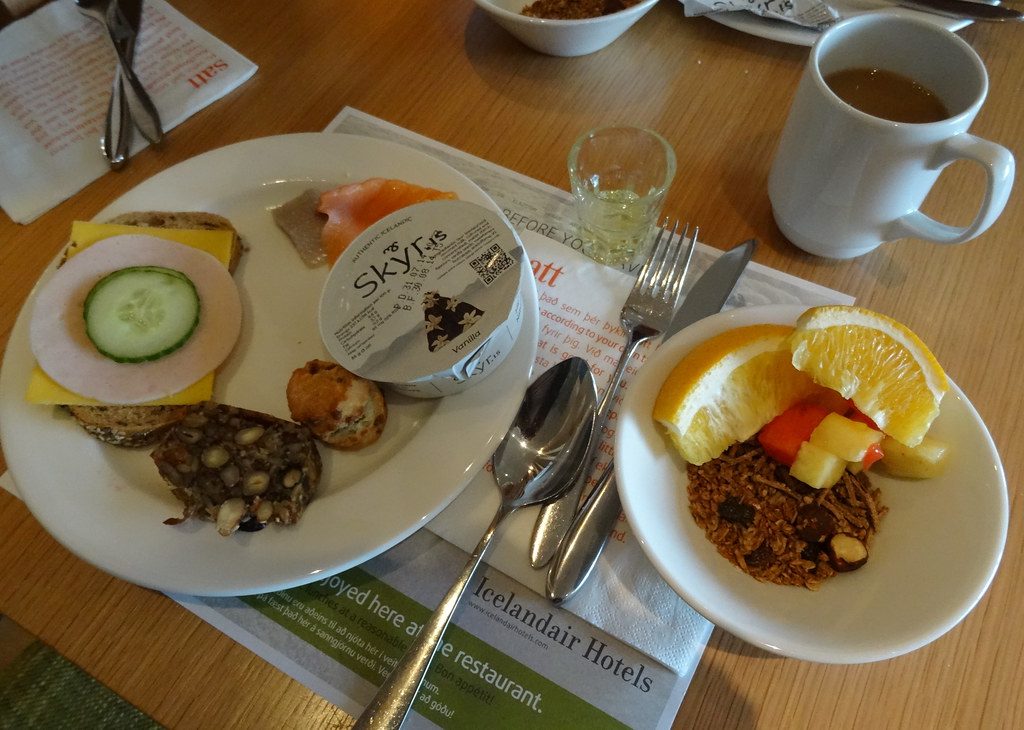
A traditional Icelandic breakfast rarely looks like what visitors expect. There are no stacks of syrup-soaked pancakes or sugary cereal bowls waiting on the table. Instead, a typical morning plate holds thick, tangy skyr, a slice of dense rye bread, and whatever cured or smoked protein survived the long Nordic winter.
This meal is not an afterthought. It is a direct link to Viking-era farming, geothermal baking, and a climate that forced generations of Icelanders to master food preservation long before refrigeration existed. Understanding what lands on an Icelandic breakfast table means understanding how an entire island learned to eat well with very little.
Introduction to Traditional Icelandic Breakfast
The Icelandic word for breakfast itself hints at how seriously the meal is taken. According to SCANDI , The Icelandic word for “breakfast” is morgunmatur. Morning food, eaten plainly and without fuss, sets the tone for everything that follows.
Iceland’s isolation shaped nearly every ingredient on the plate. Settlers arriving from Norway brought livestock and dairy know-how, but the island’s volcanic soil and short growing season meant grain was scarce for centuries. As Geysir notes , a climate shaped by long winters demanded expertise in food preservation, which explains the fermented, smoked, salted, and cured delicacies still seen in Icelandic food today.
That preservation mindset is still the backbone of a traditional Icelandic breakfast. Cured lamb, dried fish, and cultured dairy aren’t nostalgic throwbacks; they’re the same foods families have relied on since settlement, simply refined for modern kitchens. Readers who enjoy tracing how geography shapes a morning meal will find Iceland one of the clearest examples anywhere.
Understanding Traditional Icelandic Breakfast
At the center of nearly every traditional Icelandic breakfast sits skyr, a thick, strained dairy product that looks like yogurt but is technically classified as a soft cheese. The Planet D explains that skyr has been part of Icelandic diets for over a thousand years, dating back to Viking settlements. It survived in Iceland long after similar techniques faded elsewhere in Scandinavia.
The appeal isn’t purely sentimental. Skyr is genuinely dense in protein, which matters for a diet built around hard physical labor in a cold climate. One fermentation-focused analysis notes roughly 11g of protein per 100g, compared to 4-5g in regular yogurt, with virtually no fat when made traditionally with skim milk, a nutritional profile that explains why skyr has outlasted trendier breakfast fads.
Bread tells a similar story of adaptation. Because grain was so difficult to grow, Icelanders developed rúgbrauð, a dense rye loaf baked without yeast or kneading. Wikipedia’s entry on the bread describes it as an Icelandic straight rye bread traditionally baked in a pot or steamed in special wooden casks by burying it in the ground near a geyser, in which case it is known as hverabrauð, or “hot-spring-bread”. The result, per the same source, is crustless, dark and very dense, usually rather sweet, and keeps for a long time.
Key Insight: Rúgbrauð’s crustless, ultra-dense texture isn’t a baking flaw. It’s a direct result of steaming the loaf in geothermal heat or a sealed pot instead of a conventional oven.
Protein beyond dairy rounds out the plate. Wikipedia’s overview of Icelandic cuisine lists skyr, hangikjöt (smoked lamb), kleinur, laufabrauð, and bollur among the country’s most common foods, and smoked or dried fish appears just as often at breakfast as at dinner. Cold-water species such as Atlantic cod (Gadus morhua) are salted, dried, or smoked and served alongside rye bread rather than treated as a separate course.
Fish remains a daily habit rather than an occasional treat. Guide to Iceland reports that Icelanders eat fish on average twice a week, and over half of the population consumes fish oil, or “lysi,” at least four times a week. That habit traces directly back to settlement-era necessity, when the sea offered far more reliable calories than the land.
The Viking link runs through almost every component of the meal. One food history of Iceland notes that Norse settlers brought livestock such as sheep, cattle, and pigs to Iceland, as well as the culinary traditions from the Viking homelands, and that skyr became a staple food thanks to its high protein content and long shelf life. Few breakfast traditions anywhere trace such a direct line from settlement to modern table.
It’s worth noting how differently other cultures solve the same problem of fueling up for a long day. Readers exploring Greek breakfast staples or the lighter, rice-and-fish patterns of a traditional Japanese breakfast will notice Iceland leans far more heavily on preserved dairy and cured meat than either. The same contrast shows up outside Scandinavia entirely. Travelers curious about authentic Albanian recipes often discover that a traditional Balkan breakfast built around byrek, petulla, and trahana reflects Albanian food culture’s own climate-driven logic, just as skyr and rúgbrauð reflect Iceland’s. Looking at regional breakfast traditions side by side makes it clear that a morning plate is rarely random; it’s a map of what a place could actually grow, raise, or preserve.
Practical Guidance on Traditional Icelandic Breakfast
Building an authentic Icelandic breakfast plate doesn’t require a trip to Reykjavík, though it helps to know what you’re assembling and why. The goal is contrast: something cool and tangy, something dense and chewy, and something smoked or salted for protein.
- Start with skyr. Serve it plain, or top it with berries, a drizzle of honey, or a spoonful of granola. Icelanders themselves often eat it unsweetened, which keeps the protein-to-sugar ratio in its favor.
- Add rúgbrauð or another dark rye. One home-baking guide to the bread points out it’s often served topped with smoked salmon or lamb, rúgbrauð is a classic Icelandic bread commonly found in cafes and homes throughout the country. A thick smear of butter works just as well if smoked fish isn’t on hand.
- Layer on a cured protein. Hangikjöt (smoked lamb), pickled herring, or smoked salmon all fit the traditional pattern and pair naturally with rye’s dense, slightly sweet crumb.
- Round it out with something fresh. Sliced cucumber, tomato, or a hard-boiled egg cuts through the richness of the dairy and cured meat.
- Finish with coffee. Strong, black coffee is the near-universal pairing, much like the tea or coffee rituals that anchor traditional Russian drinks at the start of the day.
One travel writer summed up the typical spread this way: expect to eat bread/toast with butter or jam, cold cut meat and cheese, cucumber, tomato, hard-boiled egg, pickled fish, and of course, the famous skyr. That’s a fair description of what shows up on most Icelandic breakfast tables, whether at home or in a guesthouse.
| Dish | What It Is | How It’s Typically Served |
|---|---|---|
| Skyr | Thick, strained cultured dairy, technically a soft cheese | Plain or topped with berries, honey, or granola |
| Rúgbrauð | Dense, crustless dark rye bread, often steamed | With butter, cheese, or smoked fish and lamb |
| Hangikjöt | Smoked, often birch-smoked, lamb | Sliced thin over rye bread or flatbread |
| Hafragrautur | Oatmeal porridge boiled in milk or water | Stirred with skyr, honey, or fresh berries |
| Pönnukökur | Thin, crepe-style pancakes | Rolled with skyr, jam, or whipped cream |
Hotel breakfasts in Iceland tend to follow this same script rather than the American-style cooked spread many travelers anticipate. Iceland With a View notes that some hotels will serve cooked eggs and waffles, but that’s pretty rare; usually, you’ll get a typical Icelandic breakfast. The same source describes skyr itself as technically cheese but its consistency is most similar to Greek yogurt, creamy, high in protein, and coming in many flavors.
Pro Tip: If skyr isn’t available where you live, full-fat Greek yogurt strained an extra hour makes a reasonable stand-in for building a rúgbrauð-and-skyr plate at home.
Pairing choices matter too. One breakfast-culture roundup suggests starting the meal with something cool and creamy like skyr, a high-protein yogurt-like dairy product, topped with berries, nuts, or honey, then following with a slice of rúgbrauð, Icelandic rye bread that’s naturally sweet and dark, slathered with butter, cheese, or hangikjöt. That cool-then-dense sequencing is worth copying even outside Iceland.
For readers assembling a themed spread, rúgbrauð’s make-ahead nature also makes it a practical option for a weekend brunch, in the same way a Valentine’s Day breakfast spread benefits from dishes that can be prepped the night before. Bake the loaf a day early, slice it cold, and build the rest of the plate the next morning.
Conclusion
A traditional Icelandic breakfast isn’t built for novelty; it’s built for endurance, both nutritional and cultural. Skyr, rúgbrauð, and smoked lamb have fed Icelanders since the Viking age for the simple reason that they worked, and they still do.
Comparing this plate against other regional breakfast traditions, whether that’s a Balkan spread rooted in Albanian food culture, the rice and fish of Japan, or the bread-and-cheese patterns common across French and Egyptian breakfast tables, shows how consistently geography and necessity shape what ends up on a plate each morning. For anyone curious about how other cultures start the day, the broader breakfast archive is a good next stop.