Traditional Egyptian Clothing: 22 Garments That Shape Egypt’s Dress Heritage

November 20, 2026
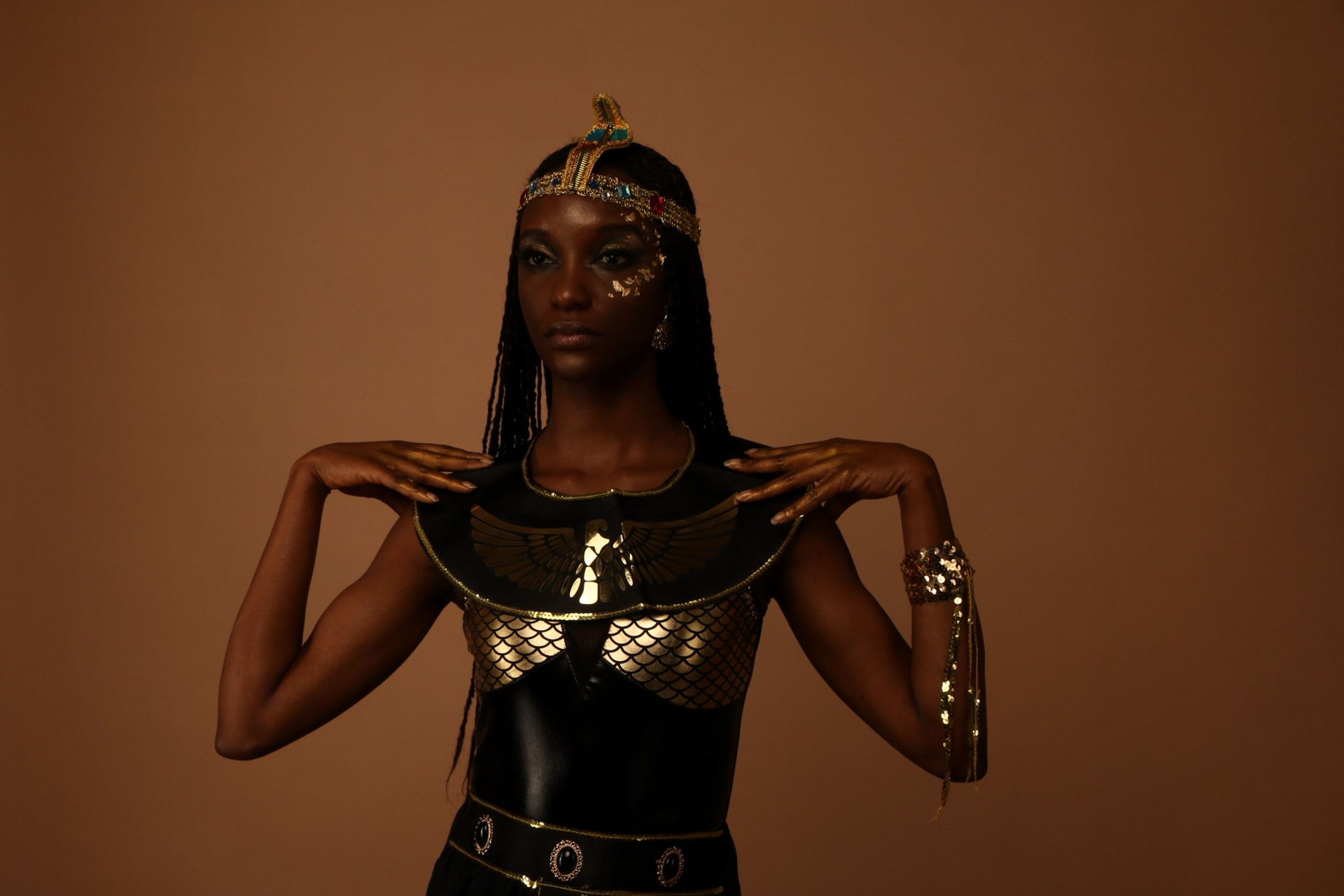
Traditional Egyptian clothing covers far more ground than the single flowing robe most people picture when they think of Egypt. Rather than having a single national costume, Egyptian dress changes noticeably from the Nile Delta to Upper Egypt, Nubia, the Sinai Peninsula, the Western Desert, and the Red Sea coast. Generations of farmers, tailors, and city dwellers shaped a wardrobe of distinct robes, overcoats, trousers, headpieces, and shoes, each tied to a specific region, class, or daily task.
This guide walks through 22 of these pieces, from the everyday galabeya worn in Nile Delta villages to the Morocco slippers once sold in Cairo’s leather markets. Each entry explains what the garment is, who traditionally wore it, and why its cut, fabric, or color carried meaning. Readers curious about how Egypt’s wider culture shows up outside the wardrobe can also look at traditional Egyptian food and traditional Egyptian drinks for the same regional variety described here.
1. Galabeya
The galabeya, also spelled jellabiya or gallibaya, is the single most recognizable piece of traditional Egyptian clothing, a long, loose robe worn by both men and women across the country. For men, the galabeya is the most recognizable traditional garment, a long and loose robe often accompanied by a shawl, vest, turban, or other head covering. Farmers, known as fellahin, wear it daily in the fields, often hitching the hem up and tucking it around the thighs while working.
Color and fabric shift with the seasons: summer gallibayas are mainly white, providing a brighter choice, while heavier, darker fabrics in navy, grey, or olive are reserved for winter. The garment differs from the Arabian thawb in its wider cut, longer sleeves, and typical lack of a collar or buttons, a design suited to manual outdoor work rather than city tailoring. Readers comparing it to other loose national robes may find the layering logic similar to traditional Pakistani clothing.
2. Galabeya Frangi
The galabeya frangi is one of two collared men’s galabeya styles that emerged as Egyptian tailors worked Western tailoring details into the national garment. In Egypt, two men’s galabeya with collars exist: the galabeya frangi (foreign) which has a western shirt collar and the galabeya scandarani (Alexandrian) which has a stand collar. The name “frangi” points to that foreign influence, borrowed from the same root used across the region for European-style goods and fashions.
These styles also have breast pockets and collars, buttoned placket front openings, high necklines, and a slightly tighter cut, and are seen as more sophisticated than the standard men’s galabeya. Urban men often saved the frangi for visiting relatives or attending prayers, while the plainer everyday galabeya covered farm work and chores around the house.
3. Galabeya Scandarani
The galabeya scandarani takes its name from Alexandria, the Mediterranean port city where the style is believed to have developed among merchants and sailors exposed to European dress. Unlike the open shirt collar of the frangi, the scandarani uses a stand-up collar that sits closer to the neck, giving the garment a slightly more formal silhouette. Both styles typically include a breast pocket and a tighter cut through the body than the loose farming galabeya.
Middle-class men in Alexandria and other northern towns favored the scandarani for business, market trips, and social visits. Paired with a vest or short jacket, it signaled a step up from rural dress without adopting a full Western suit.
4. Galabeya Bi Sufra
Women’s galabeya in Egypt follows regional lines rather than a single national pattern. Women’s galabeya in Egypt are typically varied along regional lines, and the two main styles are the galabeya bi wist (with waist) and galabeya bi sufra (yoked and loose), the latter common in the Delta. The bi sufra style is built around a decorated yoke at the shoulders rather than a fitted waistline.
The galabeya bi sufra has long, full sleeves. Gathers or pleats beneath the yoke add fullness over the chest, a detail that historically doubled as discreet nursing access. Decoration, collar presence, and closure style are what separate one village’s version from another, even within the same Delta region.
5. Galabeya Bi Wist
The galabeya bi wist takes the opposite structural approach from its Delta counterpart, built with a fitted bodice and a separate skirt rather than one continuous loose cut. The galabeya bi wist has a bodice and separate skirt, either gathered or cut in a bell shape with a length between the knee and the floor, and the waist is higher than natural to accommodate pregnancy, with sleeves always three-quarter length or longer. This style is common in Middle Upper Egypt from Beni Suef to Assiut.
Necklines vary by village and may combine V-shaped, square, open, or collared cuts within a single dress. In Assiut, some accounts trace the style to Coptic Christian dressmaking traditions, though that distinction has faded over time.
| Galabeya Style | Typical Wearer | Region | Distinguishing Feature |
|---|---|---|---|
| Galabeya (standard) | Farmers, everyday wear | Nationwide | Loose cut, no collar, seasonal color |
| Galabeya frangi | Urban men | Cairo and northern towns | Western shirt collar, breast pocket |
| Galabeya scandarani | Urban men | Alexandria | Stand-up collar, tighter cut |
| Galabeya bi sufra | Women | Nile Delta | Decorated yoke, long full sleeves |
| Galabeya bi wist | Women | Middle and Upper Egypt | Fitted bodice, raised-waist skirt |
6. Kaftan
The kaftan sits as an outer layer over the galabeya for both men and women, adding warmth and a measure of formality. A kaftan is a full length garment like a coat with long wide sleeves open in front and often bound by a fabric belt (hizan). This kaftan is often made from striped cloth, sometimes silk, cotton, or brocade, and provides extra warmth during cooler evenings or colder months.
The women’s version of the garment, sometimes called a yelek, was typically lined and fastened along the side seams for shaping, with a neckline left open toward the breast. This structured layering approach has echoes in other cultures, including the robe-over-robe logic seen in traditional Japanese clothing.
7. Sirwal
Sirwal refers to the loose, drawstring trousers worn under the galabeya or kaftan by both men and women, a garment with roots that stretch back centuries in Egyptian dress. By the Mamluk period, nearly everyone wore trousers called sirwal and a robe overtop, with sirwal ranging from full to knee length, the latter associated with the lower class. Status at the time was also read through sleeve length rather than the trousers alone.
Long and ample sleeves were associated with higher status under the Mamluks and could sometimes hide the hands entirely, with some sleeves double the length of the arm. The same loose-trouser logic appears in traditional Indian clothing, where salwar-style trousers serve a comparable practical role under tunics.
8. Binish
The binish is a dark, unlined overcoat worn over the kaftan, favored for its simple cut and minimal weight. Over the kaftan was a binish, a cloth overcoat with wide sleeves, often slit below, usually dark grey and unlined. Men and women both wore versions of the garment, though cut and length differed between the sexes.
The binish is a dark fabric overcoat with wide sleeves, traditionally relatively wide-fitting despite its plainer construction. Compared to heavier coats, the binish was practical for mild weather and layered easily over several garments without adding bulk.
9. Djubbeh
The djubbeh serves a similar function to the binish but with a noticeably more complex construction. The djubbeh is also an overcoat with long sleeves, but consists of a more complicated pattern, as there are more different panels of cloth making it wider than the binish. That extra paneling gave the djubbeh a fuller silhouette, often reserved for cooler weather or more formal occasions.
Some versions of the djubbeh were long, wide-sleeved overcoats buttoned halfway down the front. Wealthier households sometimes used richer fabrics for the djubbeh, distinguishing it from the plainer binish worn for everyday errands.
10. Aba
The aba is a wide, open cloak traditionally draped over the shoulders rather than fitted to the arms, often made from wool or camel hair for warmth. Men wore it as an outer layer over the galabeya and kaftan, particularly in cooler months or in desert and Bedouin-influenced communities along Egypt’s eastern and western margins. Plain black or brown versions were common for everyday use, while finer examples with subtle trim marked special occasions or higher social standing.
Unlike the more tailored djubbeh, the aba’s loose, sleeveless or wide-armed drape made it easy to wear over several layers at once. The style parallels the open outer cloaks found in other desert and steppe clothing traditions across the wider region.
11. Sedria
The sedria is a short vest or waistcoat worn as part of the layered men’s wardrobe, typically fitted close to the body and worn either under a kaftan or over a shirt. It added a tailored middle layer between the loose galabeya and heavier outer coats like the binish or djubbeh, giving the overall silhouette more structure around the torso.
Embroidery or decorative buttons sometimes marked the sedria as a dressier piece, distinguishing everyday wear from garments saved for visits, markets, or religious holidays. The vest-as-middle-layer approach shows up in many traditional wardrobes, including the structured waistcoats found in traditional German clothing.
12. Tob Sebleh
The tob sebleh was a wide dress worn by women specifically for appearing in public, distinct from the plainer galabeya reserved for indoor or household use. Peasant women would wear a gallebaya outdoors, but in the city the gallibaya tended to be worn only indoors, and for public wear a woman would wear a wide woman’s dress called a tob sebleh.
This split between indoor and outdoor dress reflects broader social expectations around modesty in public spaces during the period. The tob sebleh’s fuller cut also allowed it to be layered over other garments, including trousers and an underlying galabeya, without restricting movement.
13. Melaya Leff
The melaya leff is a large rectangular wrap worn by women over their regular clothing, best known as the black cloak associated with Cairo and Alexandria street dress in the nineteenth and early twentieth centuries. In Alexandria and Cairo, women would also wear the melaya luf, a large rectangular wrap worn for modesty, warmth, and used to carry things.
Key Insight: According to the Egyptian cultural dress history on Wikipedia, the preference for black melaya fabric grew out of 1830s urban fashion, when black dye was expensive and later became affordable as new dyeing methods spread.
Wrapped and tucked rather than sewn into a fixed shape, the melaya leff could be draped in different styles depending on the occasion, from simple daily cover to a more elaborate wrap for visits or errands.
14. Shintiyan
Shintiyan are wide trousers worn as an underlayer beneath the galabeya or dress, gathered just below the knee so the fabric falls loosely to the ankle. Wide trousers were worn as underclothing, gathered below the knee and falling to ankles. Women wore shintiyan under both the tob sebleh and the melaya leff, keeping the legs covered even when outer garments shifted during movement.
The trousers were typically made from lighter cotton than outer robes, prioritizing comfort in Egypt’s heat over the heavier fabrics used for outerwear. Paired with a fitted kaftan on top, shintiyan completed a layered silhouette common across much of Egypt before Western-style dress became widespread in cities.
15. Girgar
The girgar, sometimes spelled gergar, belongs specifically to Nubian women’s traditional dress in southern Egypt, distinct from the galabeya-based clothing found further north. In Nubia, men traditionally wear white galabeyas with shawls and turbans, while women are known for colorful dresses, embroidered garments, the gergar, and distinctive jewelry.
Bright colors and embroidered detail set Nubian women’s dress apart from the more muted tones common in Delta and Upper Egypt villages. Jewelry, often in silver or beaded designs, typically accompanied the girgar as part of a complete traditional outfit for celebrations and daily life alike.
16. Shugga
The shugga is a traditional wrap or shawl worn by women in parts of rural and Upper Egypt, used much like the melaya leff to add modesty and warmth over an existing dress. Unlike the fixed rectangular shape of the melaya, the shugga was often draped more loosely and could double as a head covering when needed.
As with many regional wraps, the exact style and name shifted from village to village, with the shugga largely overlapping in function with other Egyptian women’s outer wraps rather than representing a sharply distinct garment. Today it survives mainly in older rural wardrobes and folk costume displays rather than everyday city dress.
17. Tarboosh
The tarboosh, better known internationally as the fez, is a brimless, flat-topped felt hat usually dyed red, historically worn by Egyptian men of the upper and middle classes alongside Western-style suits. Introduced under Ottoman influence, it became a marker of urban, educated status well into the twentieth century, distinct from the turbans and shawls worn by farmers and rural laborers.
Government officials, professionals, and students adopted the tarboosh as part of formal dress even as the rest of their clothing shifted toward European styles. Its gradual decline after the mid-twentieth century mirrored broader changes in Egyptian fashion toward Western hats and bare heads in professional settings.
18. Taqiya
The taqiya is a simple skullcap worn close to the head, typically as a base layer beneath a turban or tarboosh rather than as standalone headwear in formal settings. Made from cotton or light fabric, it served a practical purpose, keeping sweat and hair away from the outer headpiece while also carrying a quiet religious association tied to modest dress.
Men across social classes wore the taqiya, from farmers under a simple turban to scholars and religious figures layering it beneath a more elaborate ammama. Its plain, unadorned design made it one of the few garments in the traditional wardrobe that varied little between regions or classes.
19. Ammama
The ammama is the traditional Egyptian turban, a length of cloth wound around the head over a taqiya, historically associated with religious scholars, village elders, and men of standing in rural communities. Size, color, and the way the cloth was wrapped could signal a man’s role, with more elaborate wrapping styles reserved for sheikhs and religious teachers.
In farming communities, a simpler turban often paired with the everyday galabeya, offering protection from sun and dust during long hours in the fields. The ammama’s prominence declined alongside the tarboosh and other traditional headwear as Western hats and bare heads became more common in Egyptian cities.
20. Tarha
The tarha is a woman’s headscarf or veil, typically draped over the hair and shoulders rather than tightly wrapped, worn across much of rural and urban Egypt as part of modest dress. Women wore, in addition to basic garments, mantles, face veils, and scarves over their hair which were kept in place with fillets called ‘isaba.
Fabric and color varied by region and occasion, from plain white cotton for daily wear to more decorated versions for weddings and festivals. Paired with a galabeya or tob sebleh, the tarha completed a full traditional outfit that balanced modesty with practical comfort in Egypt’s climate.
21. Kufiyya
The kufiyya is a square scarf, typically checkered or plain, folded into a triangle and draped over the head, most strongly associated with Bedouin men in the Sinai Peninsula and Egypt’s eastern desert communities. It offered practical protection from sun and sand, functions that mattered more in desert travel than the turban styles common in Nile Valley farming villages.
Across the wider region, a cord or band is often used to hold the kufiyya in place, though looser draping without a band also appears depending on local custom. The garment’s reach well beyond Egypt’s borders makes it one of the more recognizable pieces of traditional Arab headwear internationally, alongside pieces found throughout traditional clothing styles across the Middle East.
22. Morocco Slippers
Morocco slippers are soft, heelless leather slippers with a pointed or slightly curved toe, traditionally dyed in bright colors such as red or yellow and worn with the galabeya both indoors and out. The name reflects the broader North African reputation for fine leather tanning and dyeing, a craft tradition that spread goods and techniques across Egypt’s markets alongside locally made versions.
Cairo’s old leather souks historically sold these slippers alongside other handmade footwear, prized for their light weight and flexibility in Egypt’s warm climate. Even as closed shoes became standard in cities, Morocco slippers remained common for home wear and for pairing with the galabeya during family gatherings and religious holidays.
Taken together, these 22 garments show that traditional Egyptian clothing never settled into one fixed national costume, but instead layered regional cut, religious custom, and class signaling into everyday fabric. Traditional garments like the galabeya are still worn in rural areas and during religious or cultural celebrations, with men wearing galabeyas at home or on special occasions, especially during Ramadan or family gatherings. Many of the headpieces and overcoats described here have faded from daily street wear, but they survive in folk festivals, wedding traditions, and museum collections across Egypt.
For readers building out a broader picture of traditional dress around the world, comparing Egypt’s layered robes and regional variations against traditional Chinese clothing highlights how climate, class, and craft history shape national dress in similar ways across very different regions.