Traditional Rastafarian Clothing: The Meaning Behind Tams, Wraps, and Liberation Colors

November 19, 2026
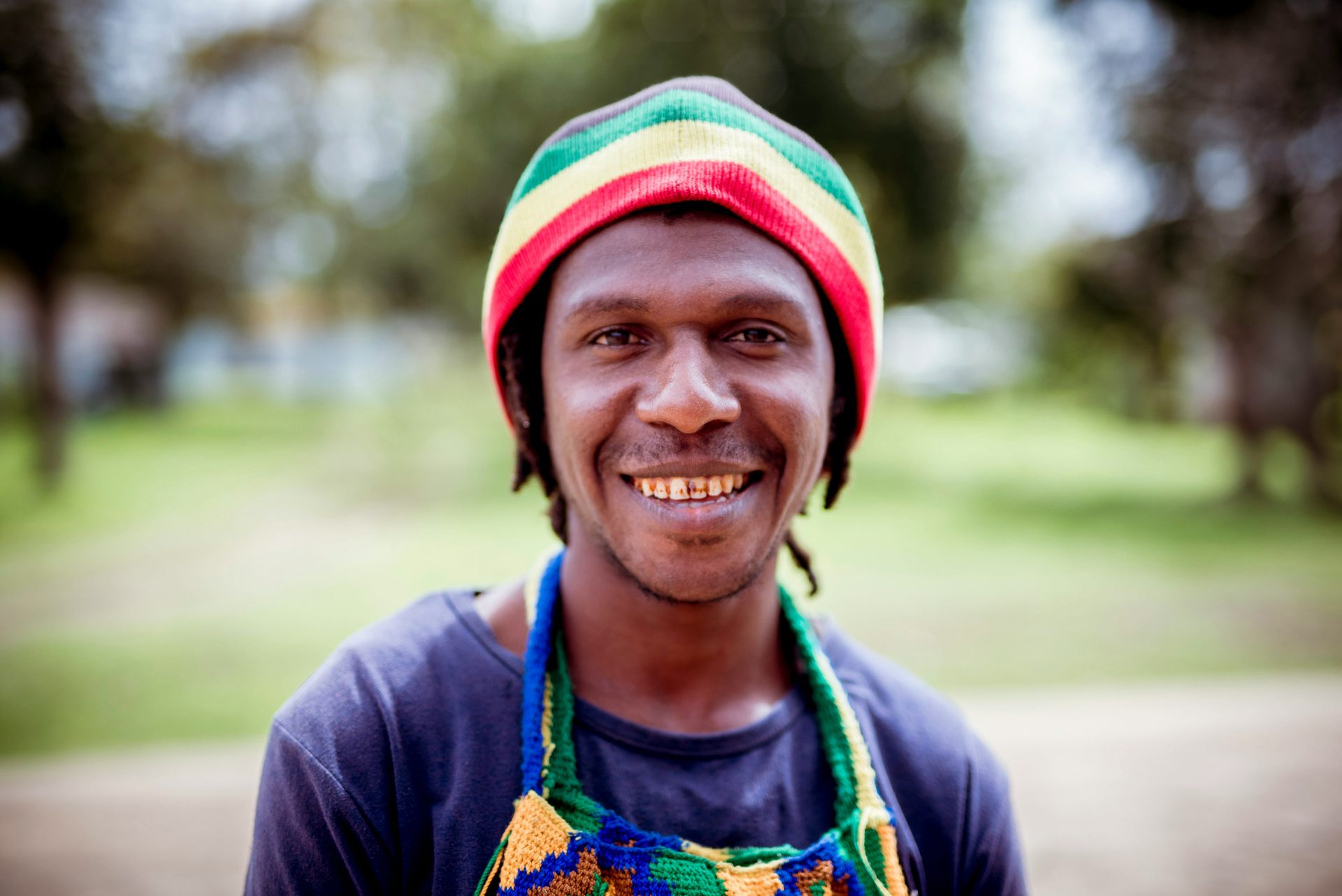
Traditional Rastafarian clothing rarely gets mistaken for ordinary streetwear once you understand what each piece is actually doing. A tam is not simply a hat, a pendant is not simply jewelry, and a belt color is not picked at random — every garment ties back to Pan-African pride, resistance to colonial history, and devotion to Jah.
This guide walks through six pieces that define the look: the tam, the hair wrap, the long loose dress, the long skirt, the Lion of Judah pendant, and the liberation-colour belt. Readers curious about how other cultures express identity through dress can also browse the broader clothing and style coverage for comparison, since many traditional dress systems around the world use color, fabric, and silhouette the same deliberate way Rastafari does.
1. Tam
The tam is the large knitted or crocheted cap most people picture when they think of Rastafari headwear, and it is far more functional than decorative. The tam is the large knitted or crocheted cap that is one of the most visually distinctive elements of Rastafarian headwear, and its primary function is to contain and protect dreadlocks — particularly long, full locks that need a significant amount of space. Without a tam, locks that have grown for years would have nowhere to sit cleanly under a hood or hat.
The tam is almost always made in red, gold, and green, carrying the colors of the movement even in the most everyday act of headwear. A red beret is one common variant — a red beret is a symbol of the struggle for liberation and is often worn by Rastafarian activists, which shows how even a small color choice inside this category of hat carries political weight. Some tams are slouchy and oversized to fit thick locks; others are fitted and closer to a classic beret shape, but the color scheme rarely changes.
Headwear this symbolically loaded is not unique to Rastafari — cultures across Asia use caps and headdresses to mark status, faith, or identity in similarly deliberate ways, as explored in this overview of traditional Japanese clothing. What sets the tam apart is that it is worn daily, not reserved for ceremony.
Common Mistake: Treating a Rasta tam as a festival costume accessory misses its purpose entirely. Many of these symbols have been co-opted by fashion brands, festivals, or individuals who don’t understand the culture, and wearing a Rasta tam or Lion of Judah shirt without knowing what it means can be seen as disrespectful.
2. Hair Wrap
Separate from the tam, the hair wrap is a length of fabric tied directly around the head, often preferred by women or used as a lighter alternative to a knitted cap in warm climates. The head in Rastafari tradition is understood as a holy space — the crown chakra, the place of divine connection — so covering it is an act of reverence that honors the sacredness of that connection. A wrap achieves the same spiritual purpose as a tam while sitting closer to the scalp.
Rastas wear dreadlocks as a living symbol of rebellion and inner strength, and covering them with a tam or turban enhances their sanctity. The wrap style tends to vary by region and personal preference — some tie it turban-style with a knot at the front, others wind it flat and low across the forehead. Head coverings carrying this kind of devotional meaning appear across many dress traditions, including the turbans and dupattas discussed in this guide to traditional Indian clothing.
- Turban-style wrap: fabric wound and knotted at the front, often in a single liberation color
- Flat wrap: fabric tied low and smooth, leaving little visible knotting
- Layered wrap: two contrasting colors wound together, usually red and green or gold and black
3. Long Loose Dress
For women, the long loose dress is the closest equivalent to the tam in terms of everyday visibility — a floor- or ankle-length garment with a relaxed, unstructured cut that leaves plenty of room to move. Styling guidance built on traditional foundations often pairs a maxi-length dress with wooden or brass jewelry and a Rasta-patterned headwrap or tam, which keeps the whole outfit consistent in color and meaning from head to hem.
Rasta clothing emerged as a visual expression of Rastafari beliefs, and the style incorporated elements of traditional African clothing, such as the dashiki, mixed with newer fashion influences. That African lineage is why loose dresses so often appear in kente-inspired prints or batik patterns rather than solid fabric. The Lion of Judah, the Africa map, and images of Haile Selassie I show up often in embroidery and patches on these garments, since they are not fashion decorations but spiritual signatures.
Readers interested in how loose, unstructured silhouettes function in other dress traditions can compare notes with the flowing cuts described in this piece on traditional Pakistani clothing, where comfort and modesty shape garment shape in a comparable way.
4. Long Skirt
The long skirt is the more modular counterpart to the full dress — paired with a separate top, it gives the same floor-length modesty while allowing more mixing and matching day to day. Natural, breathable fabric is preferred over synthetic material, keeping the garment close to the Ital philosophy of living simply and naturally that runs through Rastafari daily life.
Color placement still matters here. Within the broader color language of this clothing style, red represents the blood of martyrs and the struggles of black people, green represents the land and vegetation, and gold represents the wealth and prosperity of Africa, so a skirt banded in those colors is rarely a style accident. Many skirts use a single liberation color as a border or waistband rather than covering the whole garment, which keeps the piece wearable outside of ceremonial settings while still carrying the message.
Floor-length skirts built around symbolic color bands show up in plenty of other folk dress traditions too — the pleated and banded skirts documented in overviews of traditional German clothing follow a similar logic of color marking region or status.
5. Lion of Judah Pendant
No Rastafarian accessory carries more weight than the Lion of Judah pendant. Many Rastafari wear a pendant around their neck depicting the Lion of Judah associated with Haile Selassie I, and the piece functions less like jewelry and more like a worn statement of faith. It is among the most common Rastafarian accessories, representing the strength and royalty of Haile Selassie I specifically, rather than Rastafari in general.
The red in the pendant’s crown or background is not incidental. Red is also associated with the Lion of Judah and the bloodshed and sacrifices endured by the African people throughout slavery and colonialism, which is why the two symbols — the lion and the color red — so often appear together on the same piece. Materials vary from carved wood to brass to sterling silver, but the imagery stays consistent: a crowned lion, usually facing left, sometimes holding a cross-topped staff referencing Ethiopian Orthodox iconography.
Symbolic pendants worn as a declaration of identity are common well beyond Rastafari — similar traditions of wearable faith symbols appear in jewelry customs covered in this look at traditional Australian clothing and Indigenous adornment practices.
Key Insight: The lion is not a decorative animal motif. It represents a covenant with Jah to remain holy and natural, and the mane of the lion stands for strength, pride, and African ancestry — the same qualities the wearer is claiming by choosing to wear it.
6. Liberation-Colour Belt
The belt is often the simplest piece in a Rastafarian outfit and the easiest one to overlook, but it serves the same purpose as every other item on this list. Rastas can be distinguished from many other people by the colours they wear — red, green, gold, and black, known as liberation colours — and a belt is frequently where those colors show up when the rest of the outfit is plain. There is no single required Rastafarian outfit, but men in particular tend to wear liberation-coloured belts and accessories to complement whatever they have on.
The four-color combination traces directly back to Ethiopia rather than Jamaica. The colors red, green, and gold are inspired by the flag of Ethiopia, the African homeland revered by Rastafarians, with black added later to represent African people themselves rather than the land or history of Africa specifically.
| Color | Core Meaning | Where It Shows Up |
|---|---|---|
| Red | Blood of martyrs and the struggle for liberation | Belts, tams, berets, pendant backgrounds |
| Gold | Wealth and spiritual richness of Africa | Belts, embroidery, jewelry accents |
| Green | The land, vegetation, and natural world | Dresses, skirts, tams, wraps |
| Black | African identity and the dignity of Black people | Belts, base fabric, accessory trim |
A belt in these four colors turns almost any plain shirt or dress into a recognizable Rastafarian outfit without requiring a full wardrobe change. For a broader look at how accessory color alone can signal identity in a dress tradition, the color-coded details covered in this guide to traditional Chinese clothing and this one on traditional American clothing offer useful points of comparison.
Taken together, the tam, hair wrap, long loose dress, long skirt, Lion of Judah pendant, and liberation-colour belt form a complete visual language rather than six separate fashion choices. Each piece can be worn on its own, but a Rastafarian dressed head to toe in these items is communicating faith, African heritage, and resistance in a way that a single accessory alone cannot. Anyone drawn to this style for its look should take the extra step of learning what each color and symbol actually stands for before wearing it.