17 Pieces of Traditional Spanish Clothing That Define Spain’s Regions

November 18, 2026
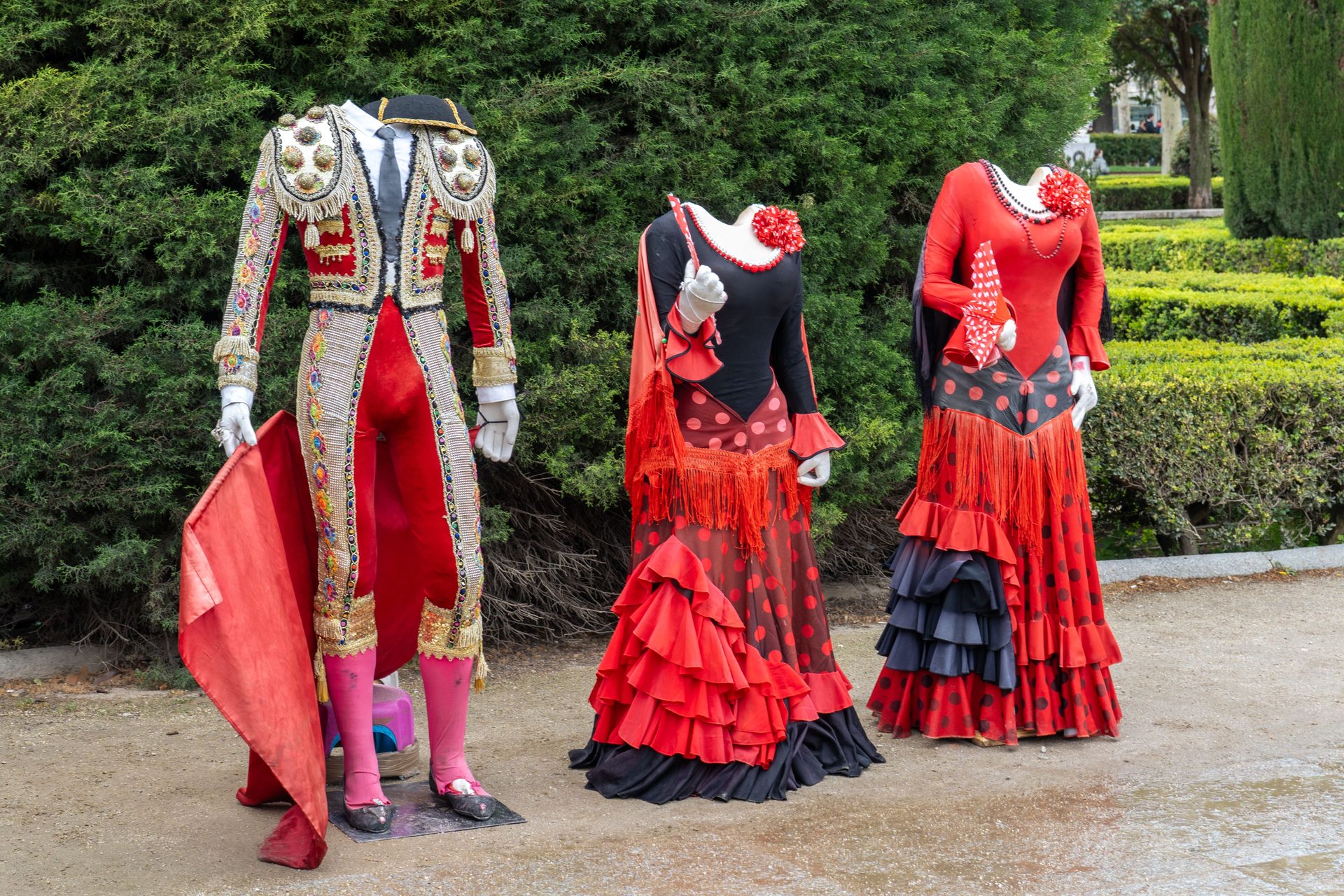
Spain never had a single national costume. Instead, centuries of regional isolation, Moorish influence, trade with Asia, and rural craft traditions produced dozens of distinct garments, each tied to a specific province, festival, or profession. Traditional Spanish clothing today survives mainly in festivals, bullrings, flamenco stages, and folk dances rather than daily wear, but the pieces remain instantly recognizable symbols of Spanish identity.
The variety is part of what makes Spanish dress so striking compared with other national wardrobes, much like the regional layering found in traditional Indian clothing or the provincial distinctions seen in traditional German clothing. From the ruffled flamenco dress to the Basque beret, each garment below carries its own history, construction, and cultural meaning.
1. Traje De Flamenca
The traje de flamenca is the ruffled dress most people picture when they think of Spanish national dress. It grew out of everyday Andalusian working-class and Romani (gitana) clothing worn at 19th-century cattle fairs in Seville, long before it became stage costume for flamenco dancers.
The dress is built around volantes, tiered ruffles that start at the hip or knee and flare out dramatically, sometimes extending into a long trailing skirt called a bata de cola used specifically for dance performances. Fabrics range from cotton and chintz for daytime fair wear to satin and silk for formal flamenco shows, and the silhouette is almost always paired with a Manila shawl, a flower in the hair, and large hoop earrings. The dress remains central to Seville’s April Fair and to flamenco culture generally, a connection explored further in this guide to types of Spanish music.
2. Traje De Lunares
Traje de lunares refers specifically to the polka-dot version of the flamenco dress, one of the oldest and most recognizable patterns in Andalusian folk fashion. The dots, called lunares, were originally a practical, affordable print for cotton work dresses before becoming a signature flamenco motif.
Classic lunares combinations include white dots on red or black backgrounds, though modern designers now experiment with multicolored and oversized dot patterns. The style is less formal than solid-color flamenco gowns and is often associated with the romería, a rural pilgrimage festival where women wear simpler, more wearable versions of the flamenco silhouette. Styling details like comb placement and ruffle count can shift by province, a pattern worth comparing with the accessory traditions covered in this clothing and style guide.
Pro Tip: Traje de lunares is generally considered everyday or festival wear, while solid-color flamenco dresses with longer trains are reserved for formal dance performances.
3. Mantón De Manila
Despite its name, the mantón de Manila did not originate in Spain or even the Philippines. The Manila shawl is an embroidered silk shawl derived from the Philippine alampay or scarf. The silk itself originally came from China, reaching Spain through the Manila galleon trade route that connected Asia, the Philippines, and the Spanish empire.
Spanish explorers claimed the Philippine islands for Spain in 1521, and the Philippines then remained part of the Spanish empire for more than 300 years. The silk shawl that traders brought from Canton became known as the Spanish mantón de Manila, worn folded diagonally and draped over the shoulders. As Chinese motifs like dragons and pagodas fell out of fashion with Spanish buyers, local embroiderers reworked the designs with roses, birds, and longer fringes suited to Andalusian taste.
The shawl eventually became inseparable from flamenco performance. It was in Andalusia where the shawl truly found its place, becoming a key item in women’s wardrobes and in flamenco fashion. Compare this story of cross-cultural textile exchange with the silk traditions described in our guide to traditional Chinese clothing.
4. Peineta
The peineta is the large, curved ornamental comb worn at the crown or back of the head, traditionally carved from tortoiseshell, horn, or wood. Its main function is structural: the comb anchors the mantilla veil and lifts it away from the face, creating the characteristic silhouette seen at bullfights, weddings, and Holy Week processions.
Peinetas grew dramatically in size during the 19th century, when Queen Isabel II’s court popularized exaggerated versions that could reach several inches tall. Smaller, more practical peinetas are still used today for flamenco hairstyles and for formal religious occasions, when they are frequently worn alongside foods and customs tied to events like the ones in our guide to traditional Spanish Christmas foods.
5. Mantilla
The mantilla is a long veil of lace or silk draped over the head and shoulders, almost always worn with a peineta underneath to give it shape and height. White mantillas traditionally signal joyful occasions such as weddings and bullfights, while black mantillas are reserved for mourning, Good Friday processions, and formal religious ceremonies.
Spanish royal and aristocratic families helped standardize mantilla etiquette in the 18th and 19th centuries, and the garment remains required dress for women attending certain papal audiences and formal bullfights in Seville and Madrid. Outside Spain, the closest cultural parallel is the bridal and liturgical veiling traditions found in many Catholic countries, though the mantilla’s size, lace pattern, and comb-supported structure remain distinctly Spanish.
Important Note: Mantilla etiquette varies by occasion and region, so visitors attending formal events in Spain should check local dress expectations rather than assuming one style fits every ceremony.
6. Toquilla
The toquilla is a lightweight knitted or crocheted wool shawl, typically worn crossed over the chest or draped over the shoulders in the cooler, rainier regions of northern Spain, including Cantabria and Asturias. Unlike the silk mantón de Manila, the toquilla is a practical, everyday garment rather than a formal accessory, originally handmade by rural women for warmth during outdoor fieldwork and market days.
Patterns tend toward simple ribbing or lace knitting rather than elaborate embroidery, and colors are usually muted, reflecting the garment’s working-class origins. Toquillas are still produced by local knitting cooperatives in parts of northern Spain and appear in regional folk costume displays and traditional dance groups that preserve pre-industrial rural dress.
7. Traje De Luces
The traje de luces, or “suit of lights,” is the elaborate costume worn by matadors, picadores, and other bullfighters in the ring. It is the traditional clothing that Spanish bullfighters wear in the bullring, and the term originates from the sequins and reflective threads of gold or silver.
As early as the 18th century, each small town in Spain was home to toreros, who were dressed in gold to denote their status, with ensembles originally adorned with designs similar to military badges worn by nobles of the time. The suit’s modern silhouette owes much to painter Francisco de Goya, whose bullfighting works fused French royal styling with traditional Spanish dress, pushing jackets to be cropped higher and trousers cut shorter.
The finished costume can weigh up to twelve kilograms and require over a thousand hours of hand embroidery, which explains why genuine suits are made to order by a shrinking number of specialist tailors in cities like Seville and Madrid.
8. Montera
The montera is the black, tightly curled cap worn by matadors as part of the traje de luces. Reference images of bullfighters typically show the montera held alongside the ceremonial capote de paseo during the entrance parade. Traditionally made from a wool-and-silk blend called astracán, the montera has a distinctive three-cornered, almost helmet-like shape that sets it apart from ordinary hats.
During especially celebrated performances, a matador may remove and present the montera to a specific spectator as a sign of dedication before the fight, a gesture called “brindar.” The closest comparison in scale of ceremony is the ritual precision found in formal headwear traditions elsewhere, such as the ceremonial pieces documented in our guide to traditional Japanese clothing.
9. Chaquetilla
The chaquetilla is the short, heavily embroidered jacket that forms the upper half of the traje de luces, cropped well above the waist to allow freedom of movement during the bullfight. A set of chaquetillas, or matadors’ coats, is typically displayed alongside the other pieces at specialist bullfighting tailor shops.
The painting that changed everything about the suit’s look cut the trousers from ankle-length to mid-calf and adjusted the coats, originally cropped at the ribs, to below the hip. Tailors who fashion the brilliant suits of lights have also been called on to make matador-style suits for film and the catwalk, working with major designers and performers outside the bullring. Each chaquetilla is padded at the shoulders to protect against goring while remaining light enough for the quick footwork the sport demands.
10. Capote De Paseo
The capote de paseo is the ornate ceremonial cape carried, rather than worn as outerwear, during the paseíllo, the formal parade that opens a bullfight. Draped over one shoulder and arm, it is heavily embroidered with gold or silver thread and often features a personalized design, such as a hometown emblem or a tribute to a mentor.
It should not be confused with the capote de brega, the simpler pink-and-yellow fighting cape used earlier in the contest, or the red muleta used in the final stages. The capote de paseo is purely processional, removed and handed to an assistant before the actual bullfighting sequence begins, which is why historical photographs so often show it slung decoratively over a matador’s arm during the entrance.
11. Corbatín
The corbatín is a small black bow or flat ribbon tie worn at the collar as part of several traditional Andalusian outfits, including the traje corto worn by horsemen and the formal dress worn with some regional costumes outside the bullring. It sits close to the throat and is typically secured with a decorative pin or clasp rather than tied fresh each time.
Though modest compared with the embroidery-heavy garments around it, the corbatín carries real weight in regional dress codes, particularly at horse fairs like Jerez’s Feria del Caballo, where correct accessory choices such as the corbatín, wide-brimmed hat, and short jacket signal formality in the same way a well-chosen accessory finishes an outfit in any traditional clothing and styling guide.
12. Castoreño
The castoreño is a broad, flat-brimmed black hat historically associated with banderilleros and other bullring personnel, distinguished from the matador’s montera by its wider, stiffer brim and lower crown. The name references castor, the Spanish word for beaver, recalling an era when beaver-fur felt was the preferred material for high-quality hat-making across Europe.
Modern versions are typically made from wool felt rather than genuine beaver fur, but the silhouette has barely changed. Outside the bullring, similarly shaped flat-brimmed felt hats appear across rural southern Spain as general working headwear, making the castoreño one of the clearer examples of professional bullfighting dress overlapping with everyday rural fashion.
13. Alpargatas
Alpargatas are rope-soled canvas shoes, among the oldest continuously worn footwear styles in Spain, with roots tracing back to pre-Roman Iberian sandal-making traditions. Farmers, fishermen, and rural workers favored them for centuries because the woven jute or hemp sole was cheap, breathable, and easy to repair.
The simple lace-up or slip-on versions eventually evolved into the espadrille, the summer footwear style now sold internationally far beyond its Spanish and southern French origins. Within Spain, alpargatas remain part of several regional folk dance costumes, often laced with ribbon that ties up the calf, and they are still handmade by small workshops in regions such as Aragón and Catalonia using the same rope-soling technique used generations ago.
Key Insight: The humble alpargata is one of the few traditional Spanish garments that moved from rural workwear into mainstream global fashion without losing its original rope-sole construction.
14. Boina
The boina is the classic Spanish wool beret, worn flat or slightly tilted and closely associated with rural Castile, Navarre, and parts of Aragón, though variants exist across much of the country. Historically it marked a man as a farmer, shepherd, or tradesman, and specific colors carried political meaning, most notably the red boina roja worn by Carlist supporters in the 19th-century civil conflicts.
Unlike the factory-made berets sold today, traditional boinas were felted from local wool and shaped by hand, with regional workshops producing slightly different crown heights and brim widths. The beret’s crossover into international fashion and military uniforms mirrors how distinctly regional headwear can become globally recognized, a pattern also visible in the varied styles covered in our guide to traditional American clothing.
15. Txapela
The txapela is the Basque version of the beret and carries far more cultural weight in the Basque Country than the generic boina does elsewhere in Spain. It is a core symbol of Basque identity, traditionally worn by farmers and fishermen and still presented as a prize to the winner of pelota vasca matches and other traditional competitions, where the champion is literally called the txapeldun, or “beret holder.”
Basque txapelas are typically larger and softer than boinas worn elsewhere in Spain, with a looser drape at the back. The garment remains standard dress at Basque festivals such as the Aste Nagusia in Bilbao and continues to anchor regional identity in a part of Spain known for preserving pre-Roman language and customs alongside its traditional dress.
16. Barretina
The barretina is the red, often sock-shaped knitted cap historically worn by Catalan fishermen, farmers, and sailors, instantly recognizable by its long, floppy peak that typically folds forward or to the side. Its shape closely resembles the Phrygian cap associated with liberty symbolism across Europe, though the barretina’s Catalan use predates most of those political associations.
By the 19th century the barretina had become a broader symbol of Catalan rural identity, worn well beyond the fishing villages where it originated. Today it reappears mainly at festivals such as Sant Jordi and during traditional Catalan dances like the sardana, functioning much like the regionally specific headwear traditions documented in our guide to traditional German clothing, where provincial hats carry similarly strong local identity.
17. Capa
The capa española is the long wool cloak historically worn by Spanish men, particularly in Castile, as both protection against cold weather and a mark of formal dress. Floor-length and typically black or deep navy, the capa was draped dramatically over one shoulder and secured at the neck, a silhouette immortalized in centuries of Spanish portrait painting.
The cloak largely disappeared from daily wear during the 20th century as overcoats became standard, but it survives ceremonially, worn by some university rectors, academics, and civic officials on formal occasions, and by capeadores in certain traditional dances. Long ceremonial outerwear built for weather and status appears across many cultures, a comparison explored further in our guide to traditional Australian clothing, where oilskin coats fill a similarly practical and symbolic role.
Comparing Spain’s Regional Headwear
| Garment | Region | Material | Primary Context |
|---|---|---|---|
| Montera | National (bullring) | Wool-silk blend | Bullfighting ceremony |
| Castoreño | Southern Spain | Felt (historically beaver fur) | Bullring support staff, rural wear |
| Boina | Castile, Navarre, Aragón | Felted wool | Rural daily wear, historic political identity |
| Txapela | Basque Country | Felted wool | Festivals, pelota competitions |
| Barretina | Catalonia | Knitted wool | Festivals, folk dance |
Taken together, these seventeen garments show that there has never been one single “traditional Spanish clothing” look. The flamenco dress and Manila shawl define Andalusia; the suit of lights and its ceremonial accessories belong to the bullring; and the boina, txapela, and barretina mark out Castile, the Basque Country, and Catalonia as culturally distinct regions within one country. Many of these pieces now appear mainly at festivals, weddings, and folk performances, but each one still signals a specific place, trade, or history at a glance.
Readers interested in how other nations express similarly strong regional identity through dress can continue exploring this topic in our guide to traditional Pakistani clothing, which shares Spain’s pattern of provincial garments carrying distinct local meaning.