Traditional Xhosa Clothing for Men: The Meaning Behind Every Garment

November 18, 2026
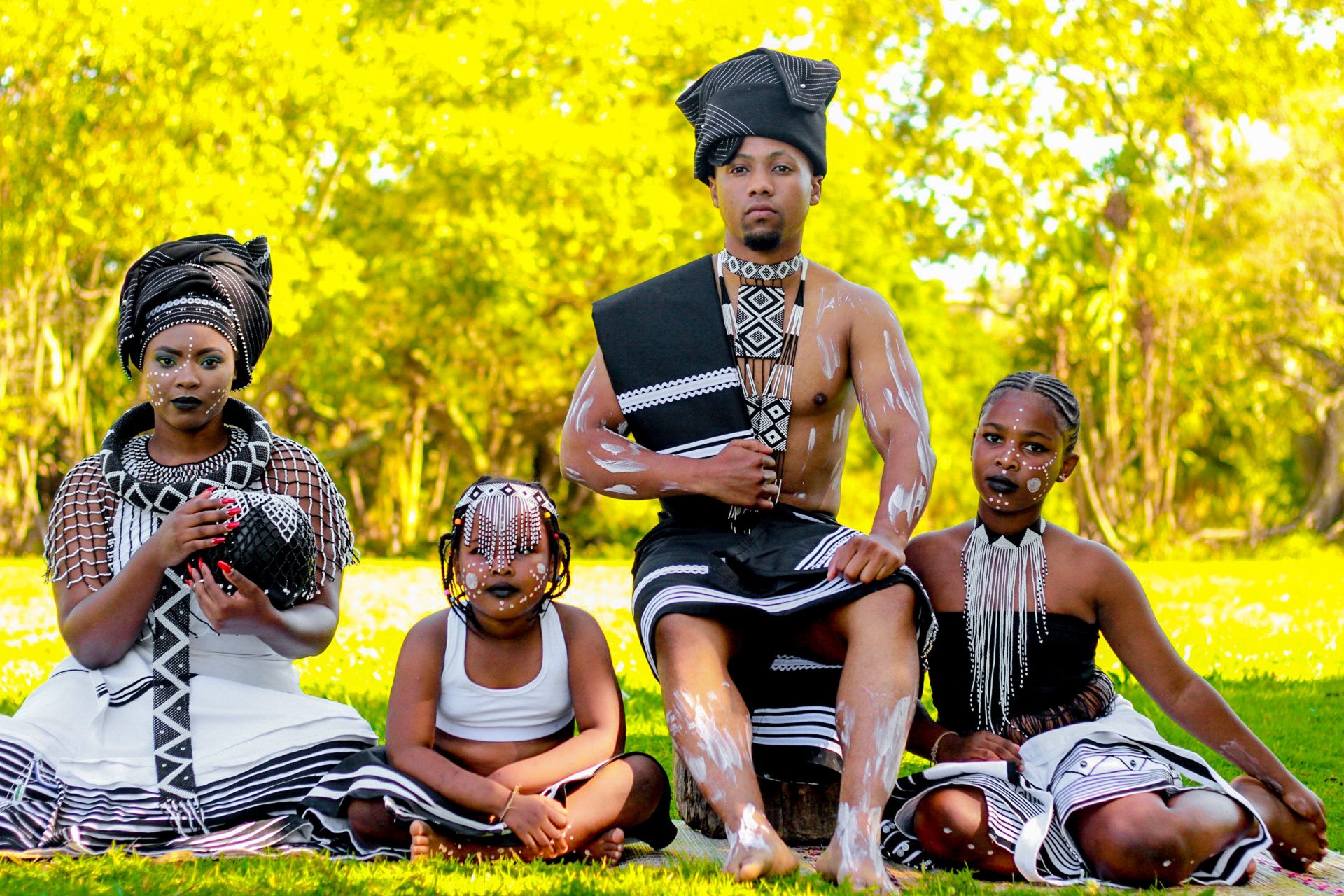
Traditional Xhosa clothing for men speaks before a single word is exchanged. A blanket draped a certain way, a string of beads around the neck, or the color of a wrap can tell onlookers whether a man is married, newly initiated, or simply dressed for a Sunday gathering.
The Xhosa people of South Africa’s Eastern Cape were historically known as amaQaba, and as the Metropolitan Museum of Art notes, the Xhosa term for traditionalist was amaQaba, the “Red People,” because they continued to apply red ocher to their clothes and bodies. That ochre-stained cotton, paired with beadwork passed down through generations, still forms the backbone of how Xhosa men dress for ceremony today.
This guide walks through five specific pieces of traditional Xhosa menswear: ingcawa, isichebe, isidanga, amaso, and unngqa. Each one carries its own role, whether draped over a shoulder, strung around a neck, or worked into a beadwork pattern.
| Garment or Accessory | Primary Role | Typically Worn |
|---|---|---|
| Ingcawa | Draped blanket or cloak | Ceremonies, cold weather, weddings |
| Isichebe | Ceremonial accessory | Ritual and celebratory dress |
| Isidanga | Beaded neck ornament | Status and ceremonial display |
| Amaso | Eye-motif beadwork pattern | Decorative collars and headwear |
| Unngqa | Traditional garment element | Rites-of-passage dress |
1. Ingcawa
Of the five garments covered here, ingcawa is the most consistently documented. According to Taste of Southern Africa, over the left shoulder, a Xhosa man will traditionally carry an adorned blanket called ingcawa, and the look is usually finished with beadwork, since they then wear beads on their heads, around their necks, and on their arms, wrists and ankles.
Not every source describes the garment the same way. African Mens Clothing frames it slightly differently, describing a white and black ‘blanket like’ attire that is worn on the upper torso and is usually heavily adorned and styled depending on the wearer’s social standing. Both descriptions point to the same core idea: a thick, cotton, blanket-style covering, just draped or tailored differently depending on region and occasion.
Important Note: Xhosa dress vocabulary varies by district and clan within the Eastern Cape, so the same garment name can describe slightly different cuts or draping styles depending on who is wearing it and where.
South African tourism site Vibrant Culture adds that the ingcawa-style wrap often does double duty as protection from the weather, since Xhosa men wear wraparound skirts that run down from the waist to the feet, and they throw a long scarf over one shoulder, which also serves as a cloak when it gets cold. Headwear typically completes the outfit, as men wear headdresses made from beads or cloth, depending on the customs of their tribes.
A draped outer layer that works for both ceremony and cold weather is not unique to the Eastern Cape. Traditional German clothing uses capes and shawls for a comparable dual purpose, pairing practicality with visible cultural identity.
Pro Tip: When attending a Xhosa wedding or umgidi (celebration), let the host or elders indicate the correct way to drape the ingcawa rather than assuming it works like a standard shawl — the fold and shoulder placement often carry their own meaning.
2. Isichebe
Isichebe appears far less often in English-language cultural writing than ingcawa or isidanga, which makes it one of the harder pieces to pin down with precision. What is clear is that smaller accessory items like this one tend to surface during the same events that call for a man’s full traditional outfit.
Briefly.co.za’s overview of Xhosa wedding customs gives a sense of how layered a groom’s dress can be during these occasions: the man wears traditional outfits, while the bride wears her isishweshwe skirt and apron, ikhetshemiya (headcloth), imibhaco (beaded necklace and bracelets), and covers herself in ingcawa (a blanket). A groom’s accessories are built up the same way, piece by piece, around the core blanket and beadwork.
Important Note: Isichebe appears in regional inventories of Xhosa men’s dress vocabulary but is not as widely documented in English-language sources as ingcawa or isidanga. Readers researching precise regional definitions are better served consulting isiXhosa-speaking cultural authorities or Eastern Cape heritage organizations directly.
Weddings and umgidi gatherings that call for this level of dress almost always double as feasts. The same families who prepare a groom’s outfit are usually in the kitchen the night before, cooking traditional South African food for dozens of guests, which is a reminder that Xhosa ceremony is never just about clothing.
3. Isidanga
Isidanga sits firmly within documented Xhosa menswear. The Wikipedia entry on folk costume lists it directly among the recognized pieces of traditional dress, noting that for men, it includes the ingqosha, isidanga, and unngqa, placing it alongside other named accessories specific to male dress rather than the broader unisex umbhaco category.
Beadwork like isidanga sits inside a much older craft tradition. The Metropolitan Museum of Art points out that beadwork has been a major form of aesthetic expression in southern Africa for nearly 200 years, and among the many diverse ethnic groups of the region, the Xhosa peoples have an especially rich tradition of beaded regalia. A neck ornament made this way is never purely decorative — the materials and color choices matter.
Color carries real weight in Xhosa beadwork. As southafrica.net describes it, the beads come in all colours of the rainbow and when made with primary colours such as red, blue, dark blue, white and yellow, they look dazzling, and those color combinations often signal region or family background rather than being chosen for looks alone.
Key Insight: Beaded neck ornaments like isidanga function less like jewelry in the Western sense and more like a visible record of identity — region, status, and sometimes life stage are all readable in the bead pattern by someone who knows how to look.
Using ornamentation to mark rank or achievement is hardly unique to the Eastern Cape. Traditional Chinese clothing has long used embroidered insignia to signal status in a conceptually similar way, even though the materials and motifs differ completely.
4. Amaso
Amaso is tied linguistically to the Xhosa word for eyes, and in beadwork circles the term is sometimes used for an eye-shaped motif worked into collars, headbands, or belts rather than for a garment on its own. Motif-based beadwork like this has carried Xhosa identity forward even as fashion has modernized.
That continuity is visible in how contemporary Xhosa-founded brands operate. MaXhosa, the label founded by designer Laduma Ngxokolo, builds its entire identity on this heritage, since MaXhosa sells woven clothing that uses beadwork patterns, symbolism and the rich culture of the Xhosa people. Patterns that once lived only in hand-strung necklaces and collars now show up in knitwear sold internationally.
Important Note: Specific motif names such as amaso can vary between beadwork artisans and regions, and not every Xhosa-speaking community uses identical terminology for the same decorative pattern.
Symbolic patterning in clothing is a global language with many dialects. Traditional Japanese clothing uses motifs on a kimono to communicate season, age, or occasion instead of words, which is a close cousin to how an eye-pattern beadwork motif can communicate meaning on a Xhosa collar without a single sentence spoken.
5. Unngqa
Unngqa, like isidanga, is named specifically as a men’s garment in the Wikipedia folk costume listing, which again confirms that for men, it includes the ingqosha, isidanga, and unngqa. Its placement alongside those two items suggests it belongs to the same category of traditional male-specific dress rather than to the broader unisex umbhaco wardrobe.
Pieces like unngqa tend to surface most visibly around rites of passage. Xhosa circumcision tradition, ulwaluko, remains one of the most significant of these, and Briefly.co.za confirms that the isiXhosa culture circumcises men and women as part of a broader set of coming-of-age customs that reshape how a young man dresses once the ritual period ends.
A new set of traditional clothing, carried home from the initiation period, often marks a young man’s return to his community as a recognized adult. This use of dress to mark a life-stage transition is not exclusive to Xhosa culture — traditional Australian clothing plays a similar role in Indigenous coming-of-age ceremonies, where specific garments are reserved for men who have completed a defined rite.
Pro Tip: If you are invited to a celebration marking a young man’s return from ulwaluko, dress conservatively and let your hosts guide you on which parts of the ceremony are open to outside guests.
Clothing tied to initiation is treated with particular respect within Xhosa households, since it marks a transition that cannot be repeated. That weight is part of why these garments are rarely sold or displayed casually, even as fashion brands have begun reinterpreting other elements of Xhosa dress for wider audiences.
Traditional Xhosa clothing for men has never been static, even while it stays rooted in the same ochre, cotton, and beadwork that defined it generations ago. Perhaps the most famous example of its staying power involves Nelson Mandela, who, as Umbhaco.co.za recounts, wore the full traditional umbhaco on 22 October 1962 to his first day of trial for having left the country without permission and inciting workers to strike. That choice turned a cultural garment into a political statement, and it is a reminder that these clothes were never just decorative.
Across the five pieces covered here, ingcawa, isichebe, isidanga, amaso, and unngqa, a single pattern repeats: cloth and beadwork doing the work of language. Anyone exploring traditional dress more broadly will find the same principle at work far beyond South Africa, whether in traditional Indian clothing, traditional Pakistani clothing, or traditional American clothing, where garment choice still quietly signals who someone is and where they come from.