Traditional Mayan Clothing: 15 Garments That Still Define Maya Identity

November 18, 2026
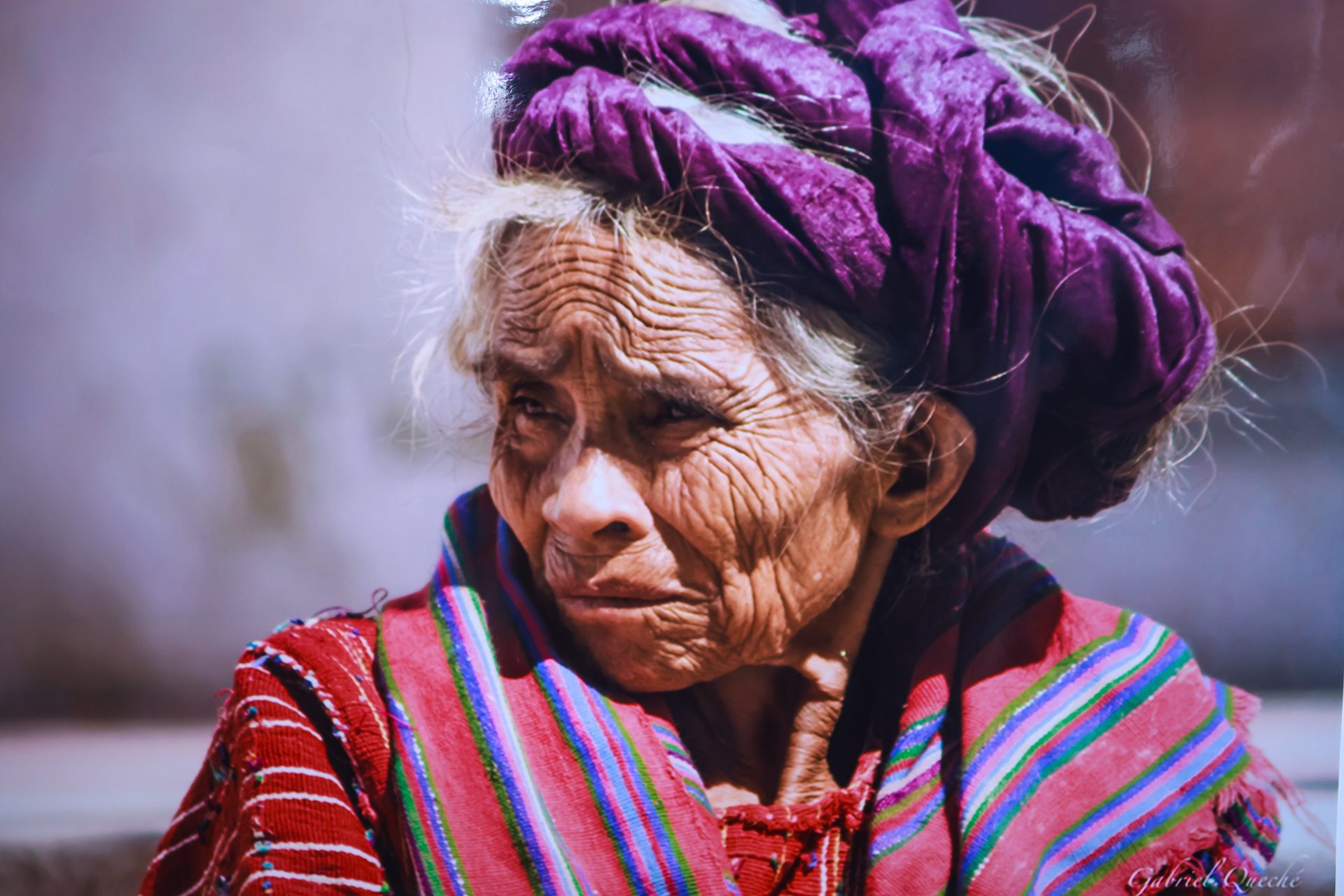
Traditional Mayan clothing works like a wearable map. A woman’s skirt pattern can reveal her hometown, a man’s hat shape can hint at his trade, and a blouse’s colors can mark whether she is dressed for market day or a religious festival. Across the highlands of Guatemala, parts of Mexico, and Belize, this clothing tradition has survived conquest, civil war, and generations of pressure to assimilate, and it remains one of the most visually distinct dress systems in the Americas.
This guide walks through fifteen garments that make up traditional Maya dress, from the iconic huipil blouse to the woven sash, wool overcoat, and palm-fiber hat still worn in rural communities. Each piece carries its own history, construction method, and regional variation, and together they form one of the oldest continuously worn clothing traditions in the world.
| Garment | Typically Worn By | Material | Primary Use |
|---|---|---|---|
| Huipil | Women | Cotton, backstrap-loomed | Everyday blouse, ceremonial dress |
| Corte | Women | Cotton, foot-loomed | Wrap skirt |
| Faja | Women and men | Woven cotton or wool | Waist sash/belt |
| Tzute | Women | Cotton | Head cover, carrying cloth |
| Pañuelo | Men and women | Cotton | Headscarf, neck cloth |
| Cinta | Women | Woven ribbon | Hair wrap |
| Capixay | Men | Wool | Overcoat/tunic |
| Sobrehuipil | Women | Cotton | Ceremonial overblouse |
| Rodillera | Men | Wool | Wrapped overskirt |
| Kub | Women (Q’eqchi’) | Cotton, lace trim | Long dress |
| Manta | Men and women | Plain cotton | General-purpose cloth |
| Cincho | Men | Leather or woven fiber | Belt/sash |
| Sombrero | Men | Palm fiber, straw | Sun hat |
| Sandalias | Men and women | Leather, rubber | Footwear |
| Breechcloth | Men (historical) | Cotton | Loincloth |
1. Huipil
The huipil is the most recognizable piece of traditional Maya dress, a loose, sleeveless blouse worn by women across Guatemala and southern Mexico. The word itself, huipil, is derived from a Nahuatl word huipilli, meaning “my covering,” and among Mayan languages it may be referred to as a “po’t.” It forms the top half of the traje, the full traditional outfit, and is paired with a wrap skirt tucked at the waist.
Construction has barely changed for centuries. The huipil represents a 1,500-year-old creative tradition, and Maya women have worn huipils since before the 16th century, when the Spanish arrived in the region. Weavers use a backstrap loom to produce the rectangular panels, then stitch them together and leave an opening for the head and arms, a method that predates European contact by well over a millennium.
Every huipil tells a story through color and motif. The sunburst design, often placed at the neck opening of the huipil to be at the center of the composition, represents the centrality of the sun in agricultural life and Maya mythology. In Patzún, a highland town in the Chimaltenango department, huipiles typically favor red tones, and huipiles from the town are most often a shade of red to represent fire or the sun’s rays, since to the Maya, fire represents life and family.
Key Insight: No two huipiles from different towns look identical. Weavers encode their village of origin into the stripe width, neckline shape, and color palette, so an experienced eye can often identify where a huipil was made just by looking at it.
2. Corte
A corte is a traditional skirt worn by Mayan women in Guatemala, an essential part of everyday dress in many communities, typically paired with a huipil and a faja. The fabric is woven as a long panel on a foot loom, then wrapped around the body in pleats and secured at the waist rather than cut and sewn into a fitted shape.
The corte carries weight beyond fashion. The Guatemalan idiom “lleva corte,” or “she wears a traditional skirt,” is used to mean a woman is indigenous, which shows how closely this single garment is tied to ethnic identity in the region. Many weaving centers produce corte cloth using the ikat-style dyeing technique known locally as jaspe, where threads are tie-dyed before weaving to create blurred geometric patterns down the length of the fabric.
Regional variation is dramatic. Some pueblos historically wore an indigo-dyed skirt called a morga instead of jaspe corte, and seam decoration known as a randa is often added where fabric panels are joined, both to reinforce the seam and to add a final decorative flourish.
3. Faja
The faja is the woven sash that holds the corte in place at the waist, and it is one of the few pieces of Maya dress worn by both women and men, though styles differ by gender and region. Mayan women wear belts or sashes to hold their cortes in place, and these belts are made using a long piece of cloth that is also often decorated with intricate designs.
A faja rarely stands alone in a full traditional outfit. Ethnographic descriptions of children’s traje in Totonicapán note that a typical outfit consists of a huipil, a delantal or apron, a faja worn under the apron and not visible, and a corte, showing how layered the complete ensemble can be even when some pieces stay hidden from view. Men’s fajas tend to be wider and plainer, often used to secure trousers or a capixay rather than a skirt.
4. Tzute
The tzute is one of the most versatile pieces in a Maya woman’s wardrobe, a square or rectangular cloth with uses that shift throughout the day. It is an important piece of costume for indigenous women in Guatemala, used for multiple purposes including holding and carrying a baby on a woman’s back, covering food baskets carried on the head, covering the head and shoulders when entering a church, or serving as a decorative headpiece.
Not every tzute looks the same, even within one household. Tzutes come in two general styles, a simpler striped design in woven cotton usually finished with white embroidery, and a ceremonial version that is far more richly embroidered. The plainer version handles daily chores, while the ornate one is reserved for weddings, religious processions, and cofradía duties.
- Carrying a baby securely against the back
- Covering baskets of food or bread at the market
- Draping over the head and shoulders inside a church
- Wrapping as a decorative head covering during festivals
5. Pañuelo
The pañuelo is a folded or triangular cloth worn around the head or neck, appearing in both men’s and women’s traditional outfits depending on the community. In cooler highland towns, men sometimes knot a pañuelo at the neck as part of everyday dress, while in other regions women fold one over the head in place of a tzute for lighter, everyday tasks.
The closest global parallel is the headscarf traditions found across South Asia, where a cloth serves as both a practical head covering and a marker of regional identity, similar to how a dupatta functions in traditional Pakistani clothing. In both cases, a single rectangle of fabric adapts to weather, modesty customs, and ceremony without needing to be cut or tailored.
6. Cinta
A cinta is a long, narrow woven ribbon that Maya women wrap around braided hair, often coordinating the ribbon’s colors with the huipil or tzute worn that day. In towns across the Guatemalan highlands, the cinta can be wound multiple times around the head, sometimes stacked into an elaborate crown-like shape for festivals and ceremonies.
Hair treatment carries similar symbolic weight in other dress traditions, where ornaments and wraps signal marital status, age, or regional origin, a pattern also visible in the hair accessories woven into traditional Chinese clothing for formal occasions. The cinta is rarely purchased ready-made; most are backstrap-woven by the same hands that make the family’s huipiles.
7. Capixay
The capixay is a heavy wool tunic or overcoat worn by Maya men, especially in the cooler highland towns around Lake Atitlán and the department of Sololá. Dark brown or black and woven on a treadle loom, it falls to roughly knee length with simple slits for the arms rather than fitted sleeves, built for warmth at altitude rather than fashion.
The garment likely developed after colonial contact, when Spanish-introduced sheep and wool-weaving technology merged with existing Maya tailoring traditions. Heavy wool outerwear built for mountain climates appears in dress traditions worldwide, from Andean ponchos to the felted wool coats found in traditional German clothing from Alpine regions.
Important Note: Many of the garments on this list, including the capixay, took their current form during the colonial period after Spanish contact. They are still fully “traditional Maya clothing” in the sense that communities have worn and refined them for centuries, but they are distinct from the pre-contact styles worn by the ancient Maya.
8. Sobrehuipil
A sobrehuipil is a second, often finer blouse worn over the everyday huipil, reserved for ceremonies, religious festivals, and cofradía duties. In communities such as those in the Ixil region, women layer a more heavily embroidered sobrehuipil on top of the regular huipil when serving in a religious office or attending a major feast day, signaling both status and occasion to everyone who sees them.
Layering a finer garment over an everyday one for formal occasions is a familiar idea across dress traditions, echoed in the way multiple kimono layers build toward a single formal look in traditional Japanese clothing. The sobrehuipil typically stays shorter and looser than the base huipil so both pieces remain visible at once.
9. Rodillera
The rodillera is a wool overskirt worn by men in a handful of highland towns, most notably Sololá and Nahualá, wrapped around the waist over trousers and secured with a sash or cincho. Woven from black wool and often striped, it hangs like a short, heavy kilt and is typically reserved for formal or ceremonial wear rather than daily labor.
Men’s wrapped garments worn over trousers appear in traditional dress systems on several continents, usually tied to climate, rank, or ceremony rather than everyday practicality. Readers curious how other cultures have solved similar sartorial problems can browse the broader collection of traditional clothing guides for comparison.
10. Kub
Among Q’eqchi’ Maya communities in Guatemala’s Alta Verapaz department and the Toledo District of Belize, women traditionally wear a kub, a long dress that falls closer to the ankle than the shorter huipil-and-corte combination found in the western highlands. It is usually pale in color, often white or pastel, with embroidered or lace trim around the neckline and hem rather than the bold geometric brocade seen further west.
This regional divergence shows how much variation exists under the single label of “traditional Maya clothing,” much as draping styles and silhouettes shift dramatically from one state to the next within traditional Indian clothing. Language group, climate, and local trade history all shaped how each community’s dress evolved separately.
11. Manta
Manta refers to a plain, undyed or simply dyed cotton cloth historically woven by Maya communities for everyday use, blankets, and basic garments rather than the elaborately patterned cloth used for huipiles. During the colonial period, manta cloth was also produced as a form of tribute payment demanded by Spanish authorities, making it as much an economic good as a textile.
Plain utility cloth like manta rarely gets the attention that ceremonial textiles receive, yet it formed the backbone of daily dress for most Maya households for generations. Everyday functional fabric plays a similar unglamorous but essential role in many indigenous dress systems, including some of the woven and skin-based textiles found in traditional Australian clothing made by Aboriginal communities.
12. Cincho
A cincho is a belt or sash, often made of leather or a narrower woven strip than the faja, used mainly by men to secure trousers, a capixay, or a rodillera at the waist. Some versions include metal studs, buckles, or conchos, giving them a more structured, rigid look compared to the soft woven faja worn by women.
Decorative belts as a focal point of a men’s traditional outfit show up in dress traditions around the world, including the ornamented leather belts paired with lederhosen in traditional German clothing. In both cases, the belt does practical work while doubling as one of the few decorative elements in an otherwise simple men’s silhouette.
13. Sombrero
The Maya sombrero is a woven hat made from palm fiber or straw, built to block intense highland sun and tropical lowland heat alike. Styles vary by region, from flat-brimmed, high-crowned hats in towns like Nahualá to simpler, rounder shapes elsewhere, often finished with a ribbon band in colors that can echo the wearer’s other garments.
Weaving a hat from palm fiber, known locally as petate work, requires the same patience as backstrap weaving, just applied to a stiffer, drier material. Wide-brimmed sun hats serve the same basic purpose in dress traditions built for harsh climates, including the broad-brimmed styles associated with traditional Australian clothing worn for outdoor rural work.
14. Sandalias
Traditional Maya sandals, often called caites in Guatemala, are simple leather-strap sandals that leave much of the foot exposed, suited to hot climates and agricultural work. In the 20th century, many rural communities began cutting soles from discarded rubber tires, a practical adaptation that made the sandals more durable and far cheaper to produce than leather-soled versions.
Open, minimal footwear built for warm climates and rough terrain appears across many indigenous dress traditions, much like the simple strapped sandals that persisted for centuries before more structured footwear like the geta and zori associated with traditional Japanese clothing took on their now-familiar forms. Some rural Maya men still go barefoot for farm work and reserve sandals for travel or market days.
Common Mistake: Assuming all traditional Maya footwear is leather. Tire-sole caites have been standard in many rural communities for decades simply because they last longer and cost less, not because they are a departure from tradition.
15. Breechcloth
The breechcloth is the oldest garment on this list, a long strip of cotton cloth wrapped around the waist and between the legs, worn by Maya men going back to the Classic period. It appears repeatedly in Maya stone carvings, painted ceramics, and codices, usually tied at the front with decorated ends left hanging down, sometimes paired with a cape, jewelry, or feathered headdress for rulers and nobility depicted in ceremonial scenes.
Unlike the huipil, corte, or capixay, the breechcloth largely disappeared from everyday wear after sustained contact with European dress norms, surviving mainly in historical and archaeological records rather than modern closets. Loincloth-style garments served a comparable role as a base layer of dress in many indigenous societies before colonization, including those documented among Indigenous nations covered in overviews of traditional American clothing.
Traditional Mayan clothing has survived waves of colonization, forced assimilation policies, and decades of civil conflict in Guatemala, yet huipiles, cortes, and fajas remain part of daily life in hundreds of highland towns. Each garment on this list, whether woven on a backstrap loom this year or carved into a stone monument more than a thousand years ago, carries information about who wears it, where they come from, and what role they hold in their community. For readers interested in how other cultures encode identity through dress, the wider traditional clothing collection offers a useful starting point for comparison.