Why Are My Lemon Tree Leaves Turning Yellow? Causes and Fixes

September 16, 2026
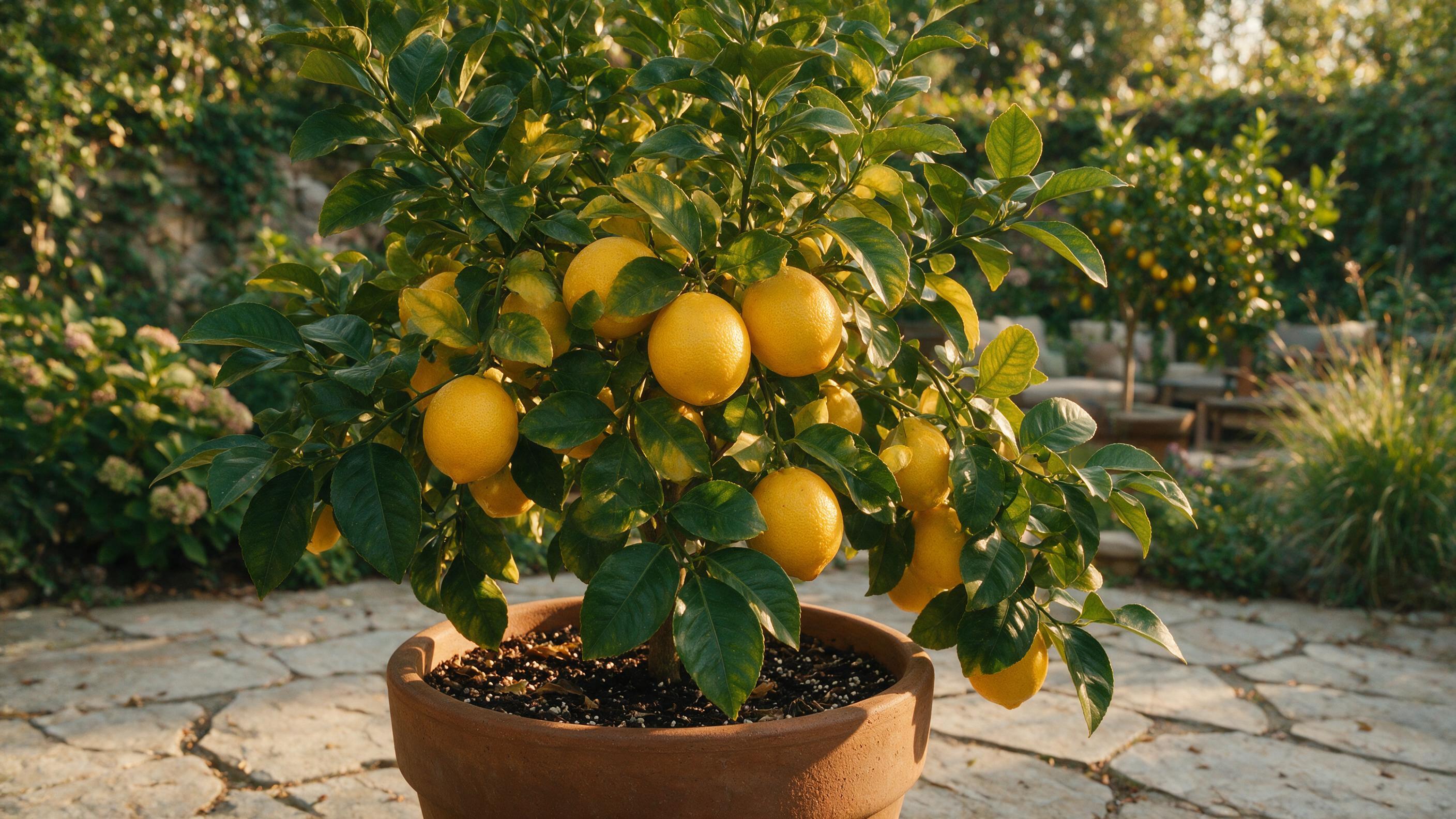
You walk over to your lemon tree, and instead of glossy green leaves, you see a sea of yellow. It’s one of the most common — and most frustrating — things that happens to lemon growers across the United States, whether you’re tending a potted Meyer lemon on a sunny patio in California or growing a dwarf citrus indoors in the Midwest.
The good news is that yellow leaves on a lemon tree are almost always fixable once you know what’s causing them. Yellow leaves on citrus trees often indicate stress, nutrient deficiencies, or environmental issues. The tricky part is that several different problems produce the same symptom — so a little detective work goes a long way. This guide walks you through every likely cause, how to diagnose it, and exactly what to do about it.
What Does It Mean When Your Lemon Tree Has Yellow Leaves?
Yellow leaves are your lemon tree’s way of waving a flag. The technical term for this leaf discoloration is chlorosis — a loss of the green chlorophyll that the tree needs to photosynthesize and produce energy. When chlorophyll breaks down or can’t be produced fast enough, leaves shift from green to pale yellow, bright yellow, or even a washed-out cream color.
Often, lemon tree leaves turn yellow when the plant is experiencing some kind of major change in nutritional intake. This might mean that the plant has a parasite, or it could indicate a need for improved feeding techniques. But the cause isn’t always a crisis. Sometimes the yellowing is a completely normal part of the tree’s lifecycle, and no action is needed at all.
The key is to look at the whole picture — which leaves are affected, where on the tree they sit, and whether other symptoms like wilting, spots, or leaf drop are present. That pattern is your best clue.
Is Yellow Leaves in a Lemon Tree Always a Sign of a Problem?
Not always. If some of your tree’s leaves are yellow but you still see healthy new growth, it could just be the natural shedding of older leaves. As fruit trees exit hibernation and the growing season restarts, the plant will shed its older leaves to preserve energy toward new growth.
A newly transplanted lemon tree might experience temporary shock, causing some leaves to yellow and drop. Similarly, older leaves naturally yellow and fall off as part of the tree’s lifecycle, especially if new growth is abundant. If the new growth coming in looks healthy and green, there’s a good chance the tree is simply cycling out its oldest foliage.
Many lemons today are grafted onto deciduous rootstocks, meaning that they’ll be forced by their hosts to hibernate through the winter. When the rootstock starts to go into winter slowdown, it reduces the flow of nutrients to the leaves, causing them to yellow and fall. Don’t worry — this is a natural occurrence and doesn’t mean anything is wrong with your plant.
Pro Tip: Before panicking about yellow leaves, check whether any new green growth is emerging on the same branches. Healthy new shoots alongside older yellow leaves usually signal a natural shedding cycle, not a serious problem.
Watering Issues Causing Lemon Tree Yellow Leaves
Water — too much or too little — is one of the most common reasons lemon trees develop yellow leaves, and it’s often the first place to look. Lemon trees are sensitive to overwatering but also like to have their soil kept relatively moist — a fine balance. Too much water trapped in the soil blocks the roots from taking up nutrients, and over time can cause the roots to rot.
Overwatering is the most common watering mistake, causing root rot and yellowing leaves that drop from the bottom up, while underwatering creates drought stress with yellowing from leaf tips inward. These two patterns are your best tool for telling one apart from the other.
Confusingly, yellow leaves can also be caused by underwatering and drought. The way to tell if this is the issue is if the foliage also appears shriveled. In hot, dry US climates like Arizona, Texas, or Southern California, underwatering during summer is a surprisingly common culprit.
Citrus trees need deep, infrequent watering — typically every 7–10 days in USDA zones 9–11 — allowing soil to dry 2–3 inches down between waterings. Container citrus requires more frequent watering but should never sit in standing water. Check soil moisture with your finger before watering and ensure proper drainage to prevent both waterlogged roots and drought stress.
You should always ensure 50% of the soil volume has become dry before your next watering, and make sure the tree is in a pot with proper drainage. For in-ground trees, test your soil drainage by filling a 12-inch hole with water — it should drain within 2–4 hours.
Light Conditions Behind Lemon Tree Yellow Leaves
Lemon trees are sun-lovers, and inadequate light is a frequently overlooked reason for yellowing, especially for indoor and container-grown trees. Your lemon tree prefers bright direct light. It will thrive receiving 12 hours of direct light a day but can do well with as little as 8 hours a day. Too little light can cause your lemon tree’s leaves to yellow and drop.
Placing your plant by an unobstructed south- or west-facing window is best when placed indoors. North-facing windows typically don’t deliver enough intensity, even in summer. If your plant isn’t getting enough light where it is, consider adding a grow light. Full-spectrum LED grow lights work well for indoor citrus and are widely available at US garden centers.
On the opposite end, too much intense sun too quickly can also cause problems. Sometimes yellow leaves appear after placing a lemon tree outside in the spring or summer, or after a particularly sunny day. If the leaves are suddenly yellow to white in patches, it means sunburn is likely. As long as other healthy leaves remain, it’s nothing to worry about — leave the affected leaves in place.
Pro Tip: When moving your lemon tree from indoors to your patio in spring, transition it gradually over 7–10 days — start with a few hours of morning sun and increase exposure slowly to prevent sunburn and transplant shock.
Soil, Nutrients, and Root Health Causing Lemon Tree Yellow Leaves
Nutrient deficiencies are among the most common causes of lemon tree yellowing, and the pattern of discoloration tells you exactly which nutrient is missing. Many nutrient deficiencies can result in yellow citrus leaves, and the pattern of yellowing varies with each type of deficiency. Often citrus trees have more than one deficiency resulting in overlapping patterns. The most common deficiencies are nitrogen, iron, zinc, and manganese.
According to the UC Master Gardeners of San Luis Obispo County , nitrogen deficiency is the most common nutritional cause of yellow citrus leaves. Leaves throughout the tree may be light green to yellow with yellow veins. This typically shows up on older, lower leaves first.
When younger citrus leaves turn yellow with green veins remaining, this indicates iron deficiency, also called iron chlorosis. This condition occurs more frequently in alkaline soils with a pH above 7.0, where iron becomes unavailable to the tree’s roots even when present in the soil. Apply chelated iron fertilizer according to package directions and test your soil pH to determine if acidification is needed to prevent future occurrences.
If the newer leaves on the ends of branches seem to be affected more, it is most likely a lack of iron, zinc, or magnesium. This is especially common in soils with a high pH level, which can prevent the tree from adequately absorbing these important nutrients. This is a particularly relevant issue in the alkaline soils found across the American Southwest.
Apply a balanced citrus fertilizer with a 2-1-1 or 3-1-1 NPK ratio every 4–6 weeks during the growing season (March through September). For immediate results, use a water-soluble fertilizer at half strength every two weeks until new green growth appears. Monitor soil pH between 6.0–7.0 to ensure proper nitrogen uptake.
Root health matters just as much as what’s in the soil. Root rot is a fungal disease that thrives in waterlogged soil. The disease causes the roots to decay, leading to poor nutrient absorption, wilting, and yellowing leaves. If left untreated, root rot can kill a tree either rapidly or over time. If you suspect root rot in a container tree, carefully unpot it, trim any black or mushy roots, and repot in fresh, well-draining citrus mix.
Environmental Stress Triggering Lemon Tree Yellow Leaves
Lemon trees are sensitive to sudden environmental changes, and stress from temperature swings, wind, or relocation can show up quickly as yellowing foliage. This occurs if the tree is exposed to sudden temperature fluctuations, overwatering, or underwatering. The solution is to slowly acclimate your plant when moving it from one spot to another.
Yellow patchy leaves in winter are a typical plant response due to temperature change, especially if your lemon tree is placed outdoors. In USDA zones below 9, lemon trees grown outside will need to come indoors before the first frost — and that transition itself can trigger a temporary flush of yellow leaves as the tree adjusts to lower light and humidity indoors.
One of the most common reasons why lemon tree leaves turn yellow is due to environmental conditions. In hot, dry climates, the heat and lack of water can make it difficult for lemon trees to thrive. When exposed to high heat and lack of water, the leaves of the tree can turn yellow as a sign of stress.
Wind exposure is another underrated factor, especially for potted trees on exposed decks or balconies. Strong, dry winds pull moisture out of leaves faster than roots can replace it, creating drought stress symptoms even when the soil is adequately watered. Moving your tree to a more sheltered spot during periods of extreme wind can make a noticeable difference.
Pests and Disease Leading to Lemon Tree Yellow Leaves
Another potential cause of yellowing leaves on a lemon tree is pests or diseases. Common pests that can affect lemon trees include spider mites, aphids, and scale insects. These tiny insects feed on the leaves of the tree, causing damage and discoloration.
If the yellowing on your leaves is developing in clustering spots, you might have a sap-sucking insect problem. Spider mites, scale bugs, and mealybugs are a few that can suck the nutrients out of your tree. Check the undersides of leaves carefully — that’s where most of these pests hide and feed.
Another cause for pale lemon tree leaves is a red spider mite infestation. In this case, the foliage may also have a mottled appearance and be covered in webbing. The leaves will fall off earlier than they would on a healthy plant. These pests thrive in hot, dry conditions, so misting the plants can help to tackle them.
On the disease side, the most serious threat to be aware of is citrus greening. Huanglongbing (HLB), commonly known as citrus greening, is one of the most devastating diseases for citrus trees. It’s caused by a bacterial infection spread by the Asian citrus psyllid, resulting in yellowing leaves, stunted growth, and bitter, deformed fruit. There is currently no cure for HLB, and infected trees often die within a few years.
Citrus greening (HLB) causes leaf discoloration that appears as mottling in various shades of light green to yellow. The leaf discoloration of greening can be distinguished from nutrition deficiencies because it crosses leaf veins and creates asymmetrical patterns upon the leaf surface. According to Best Trees to Plant , there’s no cure, no spray, and no resistant variety, and in many US counties homeowners are required to report suspected cases to the state. If you grow citrus in California, Florida, Texas, Arizona, Louisiana, or Georgia, learn the symptoms first.
Important Note: If you notice asymmetrical blotchy yellowing on leaves combined with small, misshapen fruit that stays green at the base, contact your state department of agriculture immediately. Citrus greening (HLB) is a reportable condition in many US states, and early reporting helps protect other growers in your area.
A common Meyer lemon tree disease is Armillaria root rot. Symptoms of this disease include yellowing leaves, a gradual decline in foliage, and white fungal growths under the bark that may produce an unpleasant odor. If you see honey-colored mushrooms appearing at the base of your tree, contact a certified arborist promptly.
How to Diagnose Why Your Lemon Tree Is Turning Yellow
The fastest way to find the real cause is to read the pattern of yellowing. Different causes leave very different clues, and once you know what to look for, diagnosis becomes much more straightforward.
- Older, lower leaves yellowing first with yellow veins: This pattern indicates nitrogen deficiency, the most common cause of citrus leaf yellowing. Nitrogen-deficient trees show older leaves turning yellow while leaf veins remain green, and this problem occurs more frequently in container-grown citrus indoors.
- Younger leaves yellowing with green veins (interveinal chlorosis): Points to iron, zinc, or manganese deficiency — especially likely in high-pH or alkaline soils common in the Southwest.
- Yellowing from leaf tips inward, with curling or crispy edges: Underwatering causes leaf curling and crispy edges. Check soil moisture immediately.
- Yellowing from the bottom up, with soggy soil: Overwatering or root rot. When plants that aren’t native to bogs, like lemons, are constantly left soaking in water, their roots can rot — sometimes entirely. When this happens, it’s hard for the plant to continue to pull nutrients from the soil, so it slowly starts to yellow and dry up.
- Yellow patches or white bleaching on leaves in direct sun: Sunburn from sudden light exposure.
- Clustered yellow spots with webbing or tiny moving dots: Spider mite infestation. Inspect the undersides of leaves with a magnifying glass.
- Asymmetrical blotchy mottle crossing leaf veins: Possible citrus greening (HLB). Do not attempt to treat — contact your state agriculture department.
The location and pattern of yellowing provide crucial clues. Ask yourself: are the oldest leaves yellowing first, or the newest growth? That single question will immediately narrow down the likely cause to either a nutrient deficiency (old leaves first) or an environmental or pest issue (new growth affected).
How to Fix a Lemon Tree That Is Turning Yellow
Once you’ve identified the cause, the fix is usually straightforward. Here’s how to address each scenario:
- Overwatering: Let the soil dry out significantly before watering again. If the tree is in a pot, check drainage holes and consider repotting with a well-draining citrus potting mix. For in-ground trees, consider amending heavy clay soil with organic matter like compost to improve drainage.
- Underwatering: Water deeply and thoroughly, making sure to do so deeply and infrequently, allowing the soil to absorb the water before watering again. In summer heat, container trees may need water every 2–3 days.
- Nitrogen deficiency: Apply a balanced citrus fertilizer with a 2-1-1 or 3-1-1 NPK ratio every 4–6 weeks during the growing season. For immediate results, use a water-soluble fertilizer at half strength every two weeks until new green growth appears.
- Iron or micronutrient deficiency: Use an organic balanced fertilizer or organic citrus fertilizer that contains micronutrients, or apply chelated iron directly. Also test and adjust soil pH to the ideal range of 6.0–7.0.
- Magnesium deficiency: Epsom salts help correct magnesium deficiency — mix approximately 2 tablespoons per liter of water per tree. Alternatively, Epsom salts can be applied directly to the soil at the same rate, watered in well after application.
- Scale insects or mealybugs: Carefully wipe the leaves, top and underside, with a soft, damp cloth to remove scale insects and sooty mold. Follow up with neem oil or an insecticidal soap spray, available at most US garden centers.
- Spider mites: Misting the plants can help tackle red spider mites, as these pests thrive in hot, dry conditions. Neem oil or a miticide spray works well for heavier infestations.
- Root rot: Ensure your soil is well-draining and avoid overwatering. You can also treat with a fungicide specifically designed for Phytophthora root rot. For severe cases in container trees, remove the tree, trim affected roots, and repot in fresh mix.
- Low light: Relocate the tree to a brighter spot or supplement with a full-spectrum grow light, especially during winter months when daylight hours are short.
If your lemon tree is a popular variety like the Meyer lemon (Citrus × meyeri), keep in mind that it has a particularly high appetite for fertilizer. Meyer lemon trees primarily turn yellow because of nitrogen or micronutrient deficiency. They have a pretty voracious appetite for fertilizer. Nitrogen is needed to produce chlorophyll, which is the green pigment of the plant. Regular feeding through the growing season is non-negotiable for this variety.
You can also use a plant identification app to help cross-reference symptoms and narrow down what’s affecting your tree, especially if you’re seeing unusual spotting or discoloration patterns.
How to Prevent Lemon Tree Yellow Leaves Going Forward
Prevention is far easier than recovery, and most cases of yellow leaves are entirely avoidable with a consistent care routine. Here’s what to build into your regular lemon tree maintenance:
- Water correctly from the start. Check soil moisture with your finger before watering and ensure proper drainage to prevent both waterlogged roots and drought stress. Invest in a simple moisture meter if you tend to over- or underwater.
- Feed on a schedule. Fruit trees demand a lot of nutrients, so give your tree fertilizer once a month during the growing season in spring and summer. Look for a citrus tree fertilizer or a high-potassium fertilizer that will help your tree grow its fruit.
- Maintain soil pH. Test your soil annually and keep pH between 6.0 and 7.0. Sulfur can lower alkaline soil pH, while lime raises acidic soil pH — both are available at US garden and hardware stores.
- Choose disease-resistant rootstock. Provide adequate soil drainage, avoid overwatering and waterlogged soil, and plant citrus trees with disease-resistant or tolerant rootstock. Don’t allow irrigation water to wet the trunk, keep mulch away from the trunk, and keep the graft union above the soil line.
- Inspect regularly for pests. Make a habit of checking the undersides of leaves every couple of weeks, especially in summer. Catching a spider mite or scale insect problem early means a simple wipe-down rather than a full treatment program.
- Acclimate before moving. Slowly acclimate your plant when moving from one spot to another. Whether you’re bringing it indoors for winter or setting it out on the patio in spring, a gradual transition over 7–10 days prevents stress-related yellowing.
- Ensure adequate sunlight year-round. Lemon trees need at least 6–8 hours of direct sunlight daily. Supplement with grow lights indoors during shorter winter days if natural light is limited.
- Buy certified disease-free stock. Purchasing certified disease-free stock is crucial to avoid introducing HLB or other serious diseases into your garden from the start.
Pro Tip: Keep a simple care log for your lemon tree — note when you water, fertilize, and move it. When yellow leaves appear, you’ll have a clear record to help you identify exactly what changed, making diagnosis much faster.
If you enjoy growing citrus, you might also find it useful to explore different types of plants that pair well in a citrus garden, or browse types of trees suited to your region. And if you’re growing lemons for kitchen use, check out our guide to substitutes for lemon extract for times when your harvest is still ripening.
Frequently Asked Questions
Why are the new leaves on my lemon tree turning yellow?
New leaf yellowing with green veins (interveinal chlorosis) almost always points to an iron, zinc, or manganese deficiency. When younger citrus leaves turn yellow with green veins remaining, this indicates iron deficiency, also called iron chlorosis. This condition occurs more frequently in alkaline soils with a pH above 7.0, where iron becomes unavailable to the tree’s roots even when present in the soil. Apply chelated iron and check your soil pH.
Should I remove yellow leaves from my lemon tree?
In most cases, you don’t need to. If the yellowing is due to natural shedding, nutrient deficiency, or light stress, the leaves will fall on their own. However, if the yellow leaves show signs of fungal disease, spots, or pest damage, removing and disposing of them (not composting) can help stop the spread.
Why is my potted lemon tree turning yellow?
Overwatering is the number one killer of container citrus. Container trees are also more prone to nutrient depletion because nutrients wash out with each watering. Container-grown trees are particularly susceptible to these issues since they’re confined to a limited soil volume. Feed monthly during the growing season and always use a pot with drainage holes.
Can I save a lemon tree with severe yellow leaves?
Yes, in most cases. As long as the cause is identified and corrected — whether that’s adjusting watering, feeding with the right fertilizer, or treating pests — lemon trees are resilient and typically bounce back within a few weeks to months. The exception is severe root rot or citrus greening (HLB), which may be irreversible depending on how advanced the damage is.
How often should I fertilize my lemon tree to prevent yellowing?
Apply a balanced citrus fertilizer with a 2-1-1 or 3-1-1 NPK ratio every 4–6 weeks during the growing season (March through September). In winter, reduce feeding frequency or stop entirely for outdoor trees, as pushing new growth during cold months can leave tender foliage vulnerable to frost damage.
What does citrus greening look like compared to nutrient deficiency?
Citrus greening causes leaf discoloration that appears as mottling in various shades of light green to yellow. The leaf discoloration of greening can be distinguished from nutrition deficiencies because it crosses leaf veins and creates asymmetrical patterns upon the leaf surface. Nutrient deficiencies, by contrast, tend to create symmetrical patterns that follow the leaf’s vein structure. If you’re unsure, contact your local UC Cooperative Extension or state agriculture office for a professional assessment.
Is lemon water still safe to make from a tree with yellow leaves?
If the yellowing is caused by a nutrient deficiency, watering issue, or environmental stress, the fruit itself is typically unaffected and perfectly safe to use. Check out our guide on the benefits of lemon water and ginger and lemon tea once your tree is back to full health. If disease (especially HLB) is suspected, do not harvest or move any plant material until you’ve contacted your state agriculture department.