Why Are My Pea Plants Wilting? Causes, Fixes, and Prevention Tips

September 15, 2026
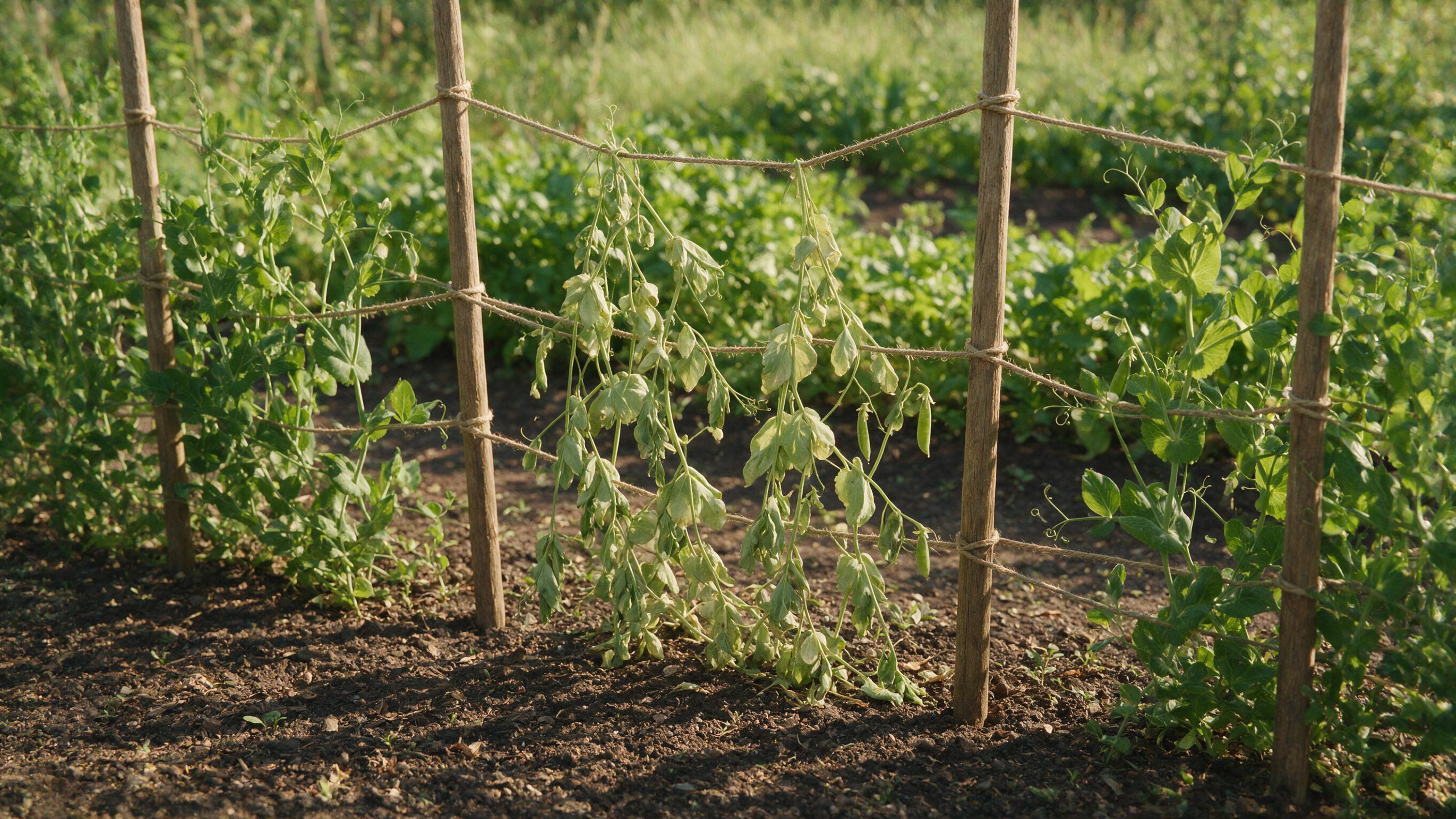
Few things are more disheartening than walking out to your garden and finding your pea plants hanging limp and lifeless. The problem of pea plants wilting can be as simple as a need for water, or it may also signal a serious, common disease called pea wilt. Knowing which one you’re dealing with makes all the difference between a quick fix and losing your entire crop.
Peas are cool-season vegetables that many American home gardeners count on for a reliable spring or fall harvest. Many things can affect pea leaves, flowers, and pods — the environment, plant diseases, insects, and wildlife can all cause changes in physical appearance and plant health. The good news is that most cases of wilting are diagnosable and treatable if you catch them early.
This guide walks you through every major cause of wilting in pea plants, how to tell them apart, and exactly what to do about each one. Whether you’re a first-time grower or a seasoned gardener, you’ll find clear, practical answers here.
What Does It Mean When Your Pea Plant Is Wilting?
Wilting is your pea plant’s way of telling you something is wrong. When a plant wilts, it loses the internal water pressure — called turgor — that keeps its stems and leaves firm and upright. The result is drooping foliage, bent stems, and a plant that looks like it’s given up.
Wilting in peas stems from water, heat, or environmental stress — so the first step is always to identify the cause. The tricky part is that several very different problems produce the same droopy appearance. A plant that’s thirsty looks almost identical to one that’s been overwatered or infected with a fungal pathogen.
Garden peas (Pisum sativum) are annual cool-season plants that are particularly sensitive to temperature and moisture extremes. Peas are cool-season crops and should be grown in early spring or late summer to avoid high summer temperatures. They grow best at temperatures between 60°F and 75°F and are tolerant of frost down to 20°F, though they are generally less sensitive to spring frost. Anything outside that comfort zone — and several soil and pest issues — can trigger wilting.
Is Wilting in Pea Plants Always a Sign of a Problem?
Not always — but it usually warrants a closer look. On a very hot afternoon, peas may droop temporarily as a normal response to heat and high transpiration rates, then perk back up in the cooler evening hours. This kind of transient wilting is not cause for alarm if the plants recover fully by morning.
Heat stress occurs when temperatures exceed 75°F (24°C), leading to wilting. If your plants droop every afternoon during a heat wave but look fine in the morning, midday heat is likely the culprit rather than a disease or root problem. However, if wilting persists through the cooler morning hours, that’s a clear signal something more serious is going on.
Pathogenic wilt is rare but possible, often presenting as sudden wilting without prior signs of water or heat stress. If you notice this, it’s important to act quickly to diagnose the issue. The sections below will help you figure out exactly what you’re looking at.
Pro Tip: Check your pea plants first thing in the morning. If they are wilted before the day heats up, you are dealing with a watering problem, disease, or pest issue — not simple heat stress.
Watering Issues Causing Pea Plant Wilting
Watering — both under and overwatering — is the number one environmental reason for dying pea plants. All plants require a delicate balance of water to survive. The challenge with peas is that both extremes look similar from the outside.
Peas are quite dramatic in that they’ll droop whether they’re thirsty or overwatered. The only way you can tell which issue they’re having is by poking a fingertip into the soil near the stems. If the soil is dry, then they’re thirsty. If it’s wet, then they’re waterlogged.
Underwatering: Underwatering leads to dry, crispy leaves. The soil will feel bone dry and may even pull away from the edges of a container. Give the plant a big drink, preferably in the morning, so it has the nutrients to work with throughout the day.
Overwatering: Overwatering can lead to yellowing leaves and soggy soil, creating an environment where roots struggle to breathe. Too much water leads to root rot and other fungal diseases. If the soil feels waterlogged, stop watering immediately and improve drainage before the roots are permanently damaged.
Because peas grow during a wetter and cooler time of year, you may not need to water them at all. During dry springs, you may need to water for good pea growth. Try to water the soil, not the vines, to prevent disease. Soak the soil when watering, to a depth of at least one inch each week during the growing season.
Peas should be watered in the early morning so that the foliage will be dry before dark. Always water plants sufficiently to moisten the soil to a depth of 6 inches, as light sprinklings encourage shallow rooting. The critical period for moisture is during pod set and development.
Light Conditions Behind Pea Plant Wilting
Peas require full sun — at least six hours of direct sun — and well-drained soil. When they don’t get enough light, plants become weak and leggy, which can make them appear to droop even without an underlying disease or watering problem.
On the flip side, too much intense afternoon sun — especially in warmer US regions — pushes temperatures past the pea plant’s comfort zone. Direct hot sunlight can cause heat stress symptoms like wilting and scorch foliage badly. In southern states or during unusually warm springs, afternoon shade cloth can protect your plants during the hottest part of the day.
Providing shade during peak sunlight hours can protect your peas from heat stress. Techniques such as using shade cloth or planting taller crops nearby can create a cooler microenvironment for your plants. Pairing peas with companion plants is a simple and effective strategy — you can explore companion planting ideas for inspiration on which plants work well together in the vegetable garden.
If your peas are growing in a spot that gets less than six hours of sunlight, consider transplanting them or using reflective mulch to maximize the light they do receive. Poor light alone rarely causes dramatic wilting, but it weakens plants enough that other stressors hit much harder.
Soil, Nutrients, and Root Health Causing Pea Plant Wilting
Soil quality plays a bigger role in pea plant health than many gardeners realize. Many soils, from sandy to heavy clay, are good for peas as long as you have well-drained soil. Peas grow best in soil with a pH between 6 and 7.5. Outside that range, nutrient uptake suffers and plants become vulnerable to stress.
For pH and nutrients, peas prefer roughly pH 6.0 to 7.5. Use a home pH kit or send a soil sample for testing. If acid, add lime; if alkaline, add sulfur according to the lab recommendation.
Nutrient deficiencies are another wilting trigger. Nitrogen, magnesium, phosphorus, and potassium all have different roles in the garden. Nitrogen promotes vigor and lush foliage growth, while magnesium helps form chlorophyll, supporting overall health and nutrient absorption. However, be careful not to over-apply nitrogen. Don’t overfertilize with nitrogen — peas fix their own nitrogen, so instead inoculate seeds with rhizobia and add a balanced compost.
Root health is equally important. Root rot and damping off are common pea problems exacerbated by cool, wet soil. Older seedlings develop root rot when peas are planted in overly wet soil. Root rot fungi make foliage yellowed, stunted, wilted, or just plain dead-looking. Should you look, roots will be brown, black, or red with the outer layer of root peeling off.
Pro Tip: Work 2 inches of compost into your pea bed before planting. Good organic matter improves drainage in clay soils, retains moisture in sandy soils, and feeds beneficial soil microbes that protect roots from fungal pathogens.
Side-dress or fertilize plants when they are 6 inches tall with compost or a fertilizer high in phosphorus and potassium. Avoid fertilizers with weed killers mixed in, as these can damage your vegetable plants. You can also use a plant identification app to help cross-reference symptoms and nutrient deficiency signs if you’re unsure what you’re seeing.
Environmental Stress Triggering Pea Plant Wilting
Harsh winds, extreme temperatures, and other undesirable environmental conditions can take a serious toll on your pea plants. Although these plants thrive in cool conditions, intense cold snaps and frost can definitely stress them out and cause drooping leaves. Too much warmth also has adverse effects on pea plants.
Young pea plants can survive light frost and will grow at any temperature above 40°F. Good growing temperatures are between 55°F and 65°F. Once the plants have started to flower and set a crop, frost can be damaging. Watch for any forecast of late spring frost and cover the plants with sheets or row covers if necessary.
Wind is an often-overlooked environmental stressor. Strong, dry winds pull moisture from pea leaves faster than roots can replace it, causing temporary but damaging wilt. Shield your pea plants from harsh environments by moving them indoors or making use of wind barriers or row covers in the garden to protect them. If you garden in a windy region, you might also consider wind-tolerant companion plants to act as a natural windbreak around your pea bed.
Crowding is another environmental factor that contributes to wilting. When plants are packed too tightly, airflow is reduced, humidity rises around the foliage, and disease pressure increases. For stunted plants, loosen compacted soil and avoid crowding. Proper spacing — and a sturdy trellis for climbing varieties — goes a long way toward keeping plants healthy and upright.
Pests and Disease Leading to Pea Plant Wilting
When watering and environmental adjustments don’t revive your pea plants, pests or disease are likely the culprit. There are many potential pests of pea plants, with aphids and pea weevils being the most prevalent. Aphids multiply rapidly and suck the sap of the plant, resulting in weak and stunted specimens.
Aphids can colonize plants in large numbers. You may notice leaf curling, discoloration, and sticky leaves. Aphids appear as tiny pear-shaped insects clustered on new growth, leaving sticky honeydew and curled leaves. Spray with a strong jet of water, apply insecticidal soap, or introduce ladybugs. Inspect undersides of leaves every few days.
On the disease side, Fusarium wilt is the most serious threat. Fusarium wilt is a soil-borne fungus, which may also be found in old plant debris. Wilting is one of the first signs of this disease, slowly progressing to faded, yellowing foliage and stunted growth. Eventually most plants succumb to this fungal pathogen and die.
Pull up one of the plants and check its roots and underground stem section. Wilt will cause the roots and lower stem to change color — usually to a yellow or reddish-orange. The roots will also be under-formed and limp, and might even look like they’re rotting.
Powdery mildew is another fungal disease that creates a white powdery coating on leaves, slowing growth. Plant resistant varieties, space plants for good airflow, and spray with a solution of 1 tablespoon baking soda in 1 gallon of water mixed with a few drops of liquid soap.
White mold causes stems to rot and wilt. Water — whether from rain splash, overhead watering, or activity in a wet garden — spreads bacteria afflicting pea plants. Bacterial blight first looks like shiny, dark green water spots on the leaf surfaces, then these irregularly shaped spots become papery and brown.
According to the Food Gardening Network , pea disease resistance codes are listed on seed packets in capital letters: F = Fusarium Wilt, B = Bacterial Blight, DM = Downy Mildew, PEMV = Pea Enation Mosaic Virus, PM = Powdery Mildew, and PLR = Pea Leaf Roll Virus.
Important Note: There is no chemical cure for Fusarium wilt. If you confirm it in your garden, remove and destroy affected plants — do not compost them. According to Gardening Know How , the fungi of the disease may remain in the soil for 10 years or longer, and non-resistant varieties should not be planted in the area again. Choose an entirely different growing spot if possible.
How to Diagnose Why Your Pea Plant Is Wilting
A methodical, step-by-step approach is the fastest way to pinpoint the problem. A correct diagnosis is important to solve any plant problems. Work through the following checks in order before jumping to treatment.
- Check soil moisture first. Start by checking the soil moisture. Use your finger or a moisture meter to gauge how deep the moisture penetrates. If the soil feels dry several inches down, it’s likely too dry. Conversely, if it’s soggy, overwatering might be the culprit.
- Check the time of day. Wilting that appears only during peak afternoon heat and resolves by morning points to heat stress, not disease. Wilting that persists in the morning is a serious sign.
- Inspect the leaves. Yellowing from the edges suggests nutrient or drought stress, brown spots with rings suggest fungal leaf spot, white powder means powdery mildew, and curling or sticky residue points to aphids — look under leaves for insects.
- Inspect the stems near the soil line. Examine stems near the bottom for bright or unusual colors of yellow, orange, or red. This may only be visible by cutting the stem open as the disease begins.
- Pull up a plant and examine the roots. When you pull up an infected pea plant, it will have a skimpy root system with most small roots missing. A dark area of decay may be present on the main stem near the soil line.
- Try watering and wait. Wilt that is not corrected by watering is the surest sign that your plants have a form of the disease.
- Evaluate plant support. Ensure that climbing structures are adequate. A lack of support can lead to wilting.
If you’re still unsure after working through these steps, you can get help identifying common pest problems by using the Ask a Master Gardener form through your local university extension service, where you can share pictures and get input, or send a sample to a plant disease diagnostic clinic. The University of Minnesota Extension is one reliable resource for US gardeners.
How to Fix a Pea Plant That Is Wilting
Once you’ve identified the cause, act quickly. The faster you respond, the better your chances of saving the plant and protecting the rest of your crop.
For underwatering: If bone dry, water deeply until the top 6 inches are moist, then water less often but longer so roots grow strong. You want the soil to feel like a very well wrung-out sponge. Make a few adjustments to your watering schedule and see if the plants perk up within a few days.
For overwatering and root rot: Improving soil drainage is a key strategy to prevent root rot. Amending your soil with organic matter or sand can enhance drainage, ensuring your peas have the best chance of recovery. There is no recovery from root rot once established. Amend soil with at least 2 inches of compost and allow the area to become slightly dry between waterings to avoid it in the future.
For heat stress: If temperatures soar, relocate the plant to a shaded area during peak heat hours to protect it from scorching. For in-ground plants, set up a temporary shade cloth over the bed during the hottest part of the day. Aim to water deeply once a week, increasing frequency during extreme heat to ensure the roots receive adequate moisture without causing waterlogging.
For Fusarium wilt: If you find Fusarium wilt, pull up the affected plants and burn them. Then treat the surrounding soil with an anti-fungal agent such as Mycostop. Be sure to rotate your crops every few years.
For aphids and pests: You can use something natural like a homemade neem or peppermint oil spray to drive pests out of the garden quickly. For heavier infestations, look for aphids or caterpillars and spray with insecticidal soap or a 1 percent neem oil solution, treating both tops and undersides of leaves.
For nutrient deficiency: Feed your wilting pea plants with a balanced fertilizer that has an even blend of all essential nutrients. You can also improve long-term soil fertility by making homemade compost from food scraps and organic matter and incorporating it with garden soil once fully decomposed.
| Cause | Key Symptom | Fix |
|---|---|---|
| Underwatering | Dry, crispy leaves; bone-dry soil | Water deeply; soak to 6-inch depth |
| Overwatering | Yellowing leaves; soggy soil | Stop watering; improve drainage |
| Heat stress | Midday wilt; recovers overnight | Shade cloth; increase watering frequency |
| Fusarium wilt | Yellow/reddish roots; wilt after watering | Remove and burn plants; rotate crops |
| Root rot | Brown/black roots; waterlogged soil | Improve drainage; remove affected plants |
| Aphids | Sticky leaves; curled foliage; visible insects | Insecticidal soap; neem oil; water jet |
| Nutrient deficiency | Yellowing edges; stunted growth | Balanced fertilizer; add compost |
How to Prevent Pea Plant Wilting Going Forward
Prevention is far easier than treatment, and a few consistent habits will dramatically reduce the chances of wilting in future seasons. To keep your pea plants thriving, timing is everything. Planting in the ideal seasons — spring and fall — helps you avoid the extremes of heat and cold that can stress your plants.
In early spring, work in 2 inches of compost two weeks before sowing, and plant peas as soon as soil is workable — about four to six weeks before last frost. Rotate peas to a different bed for at least three years. During growth, use a trellis for airflow, water deeply once weekly, mulch to retain moisture, and harvest regularly.
Mulching three to four inches deep with grass clippings, weed-free straw, or other organic material will help keep soil moisture and prevent weeds. Consistent moisture reduces the dramatic swings between wet and dry that stress pea roots and invite disease.
Choosing the right varieties is one of the most effective prevention strategies available. When possible, buy disease-resistant pea plant varieties to avoid diseases in the first place — many hybrid pea varieties have been specifically designed to resist certain diseases. Varieties of pea seeds that are resistant to Fusarium wilt are marked with a capital F on their packaging.
Good garden hygiene matters too. Throw away or burn infected plants. Don’t keep infected plants over the winter in your garden, and don’t throw them on your compost pile. Disease-ridden plants, even when dead, will spread the disease to other plants or even your soil.
Though fungicides are available that may alleviate certain issues, the best way to control their spread is by preventing infection in your crops. This can be achieved through regular rotation of crops and sterilization of the soil through solarization. Learning about the full range of plant types you grow together can help you plan smarter rotations and companion planting arrangements that naturally reduce pest and disease pressure.
Pro Tip: Keep a simple garden journal noting where you planted peas each year. Rotating your pea bed to a new spot every three years is one of the single most effective steps you can take against soil-borne diseases like Fusarium wilt and root rot.
FAQ
Why Are My Pea Plants Wilting Even Though the Soil Is Moist?
If watering the plant doesn’t improve the wilt, you may have a bigger issue at hand. Pea wilt is most often caused by fungal infections. The Fusarium fungus is known to cause dramatic wilt in infected plants. Check the roots for discoloration and look for reddish-orange or brown staining at the base of the stem.
Can Pea Plants Recover From Wilting?
Yes — if the cause is caught early. Plants wilting from underwatering or mild heat stress typically recover within a day or two of correction. If your plants are yellowing due to water stress, understand that yellow leaves will not turn back to green — they’re yellow to stay. Plants affected by Fusarium wilt or advanced root rot generally cannot be saved and should be removed.
Should I Water My Pea Plants Every Day?
Establishing a consistent watering schedule is important. Aim to water deeply once a week, increasing frequency during extreme heat to ensure the roots receive adequate moisture without causing waterlogging. Daily shallow watering encourages weak, shallow root systems that are more vulnerable to drought and disease.
What Pests Cause Pea Plants to Wilt?
Cutworms chew through young seedlings at soil level. Protect plants with cardboard collars, apply diatomaceous earth around stems, and keep the garden free of weeds and debris. Pea weevils cause notched leaf edges and small holes in pods, with adults active at dusk. Handpick them, use floating row covers during flowering, and remove plant debris where they hide.
How Do I Know If My Pea Plant Has Fusarium Wilt vs. Root Rot?
Both diseases cause wilting and root discoloration, but there are differences. Several types of Fusarium wilt and Near wilt are known to horticulturists and may perform differently. Peas wilting from these diseases exhibit symptoms on stems and roots — they turn yellow or reddish-orange, plants become stunted and may die. Root rot, by contrast, tends to cause brown or black mushy roots and is more directly linked to waterlogged soil conditions. Root rot may appear as pale or yellowing leaves and stunted plants. Roots will be dry and black at the center. It is a soil fungus initiated by overwatering and/or very heavy soil.
When Should I Call a Master Gardener About My Pea Plants?
If your pea plants are wilting persistently despite your best care efforts, it may be time to seek help. This is especially true if you notice severe signs of disease or pest infestation, such as unusual discoloration or visible bugs. Local nurseries can be invaluable resources. Their knowledgeable staff can provide tailored advice based on your specific situation and local conditions. Your state’s cooperative extension service is another excellent free resource for US gardeners dealing with persistent plant problems.