Why Are My Calathea Leaves Turning Yellow? Causes and Fixes

September 24, 2026
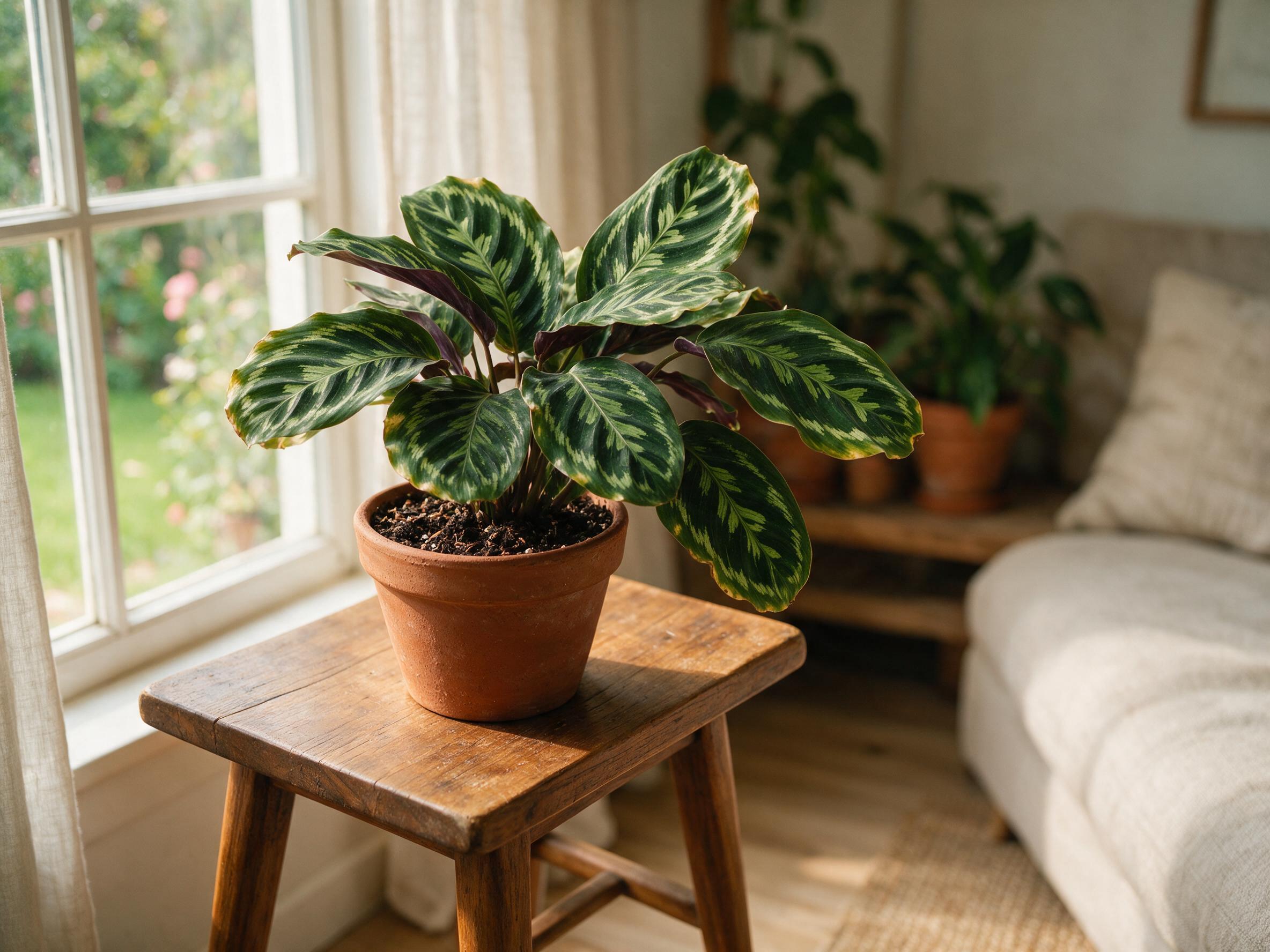
You glance over at your calathea and notice that once-vibrant, patterned leaves are now fading to yellow. It’s one of the most common complaints among calathea owners in the US — and one of the most confusing, because so many different problems can cause the same symptom.
The good news is that yellow leaves on a calathea are almost always a signal you can read and act on. In most cases, these changes are simply signals from the plant that something in its environment or care routine needs adjusting — whether it’s water, light, humidity, or fertilizer. This guide walks you through every cause, a clear diagnostic process, and the fixes you need to get your plant looking healthy again.
What Does It Mean When Your Calathea Has Yellow Leaves?
Calatheas are tropical plants with expressive foliage, and yellowing is one of the primary ways they communicate stress. The leaves of calathea are often the first to show signs of stress — yellowing, curling, brown edges, or fading patterns can all indicate something wrong with your plant’s care or environment.
Calatheas are beautiful houseplants from the Marantaceae family that originally grew in the jungles of South America and Africa. The calathea (Calathea spp.) evolved under the dense canopies of tropical rainforests, where light is filtered, humidity is high, and moisture is consistent. When those conditions aren’t met indoors, the leaves respond quickly and visibly.
The most common causes of yellowing of calathea leaves are pests, lack of light, and excessive watering. However, underwatering, low humidity, temperature stress, nutrient deficiencies, and tap water quality can all play a role. Understanding which one you’re dealing with is the first step toward fixing it.
Is Yellow in Calathea Always a Sign of a Problem?
Not always — and this is an important distinction before you start changing your entire care routine. Some yellowing is completely natural and nothing to worry about.
The lowest or oldest leaves turn yellow first while the rest of the plant looks healthy because calathea naturally sheds old leaves to redirect energy to new growth. No treatment is needed — simply trim off the yellowed leaves for a tidier appearance.
Sometimes, yellowing leaves are just a part of the plant’s natural lifecycle rather than an issue to be resolved. “On an evergreen like a calathea, each leaf has a lifespan,” explains Justin Hancock, horticulturalist at Costa Farms. “So if it’s just the oldest leaf or two, it’s probably okay — that leaf just reached its natural end, and it is nothing to worry about.”
Yellowing leaves are only a red flag if you see multiple leaves starting to do it at the same time, according to Hancock. Otherwise, the process is natural. If yellowing is spreading to newer growth, appearing in patches, or accompanied by other symptoms like drooping or mushy stems, that’s when you need to investigate further.
Pro Tip: Before changing anything about your care routine, count how many leaves are yellowing and note their position on the plant. One or two lower leaves yellowing slowly is normal. Several leaves yellowing at once — especially newer growth — signals a real problem.
Watering Issues Causing Calathea Yellow Leaves
Watering is the single most common source of yellow calathea leaves, and the tricky part is that both too much and too little water produce similar symptoms. Getting this right is the foundation of calathea care.
Overwatering
The most common reason for yellowing calathea leaves is overwatering. This tropical houseplant species is really sensitive to moisture levels in the soil, and overwatering can lead to root rot and fungal growth that can stop the plant taking in all the nutrients it needs, causing the leaves to start turning yellow at the edges.
If you always have soggy soil and the lower leaves of your calathea are turning yellow, you are likely overwatering your plant. Soggy or wet soil deprives oxygen from the roots, weakening them and making it hard for them to absorb water or nutrients. If you don’t fix the issue, root rot will set in, worsening things.
Signs of overwatering include yellowing starting at the leaf base, a musty smell from the soil, soft or mushy stems, and soil that stays wet for days after watering. Going forward, only water when the top two knuckles of soil feel dry. Make sure your pot has drainage holes, and never let your calathea sit in standing water.
Underwatering
Dry soil can cause the calathea to become stressed, and this stress presents itself as yellow leaves that take on a papery texture. The most common reason that people end up with dry calathea soil is because they stick to a defined watering schedule.
As the year goes on and temperatures rise in the summer, you will need to water your plant more often as your calathea becomes more active and absorbs more water, while at the same time more water is evaporating. You need to make sure you are regularly checking your soil to see how dry it is and adjust your watering to match.
With underwatering, yellow leaves tend to feel papery and dry rather than soft. You may also notice the leaf edges curling inward. A dry, pulled-away soil, your calathea leaves curling upward or inward, some yellowing, and crispy brown tips and margins indicate this plant is thirsty.
Water Quality
While not as common as the reasons listed above, tap water in certain areas can have an adverse effect on calatheas. “Calatheas are sensitive to fluoride, chlorine, and mineral salts commonly found in tap water,” explains Elin Harryson, plant expert at Planta. “Over time, this buildup can cause yellowing and browning.”
This is worth noting for US households, where municipal water is often treated with chlorine and fluoride. Switching to filtered water, rainwater, or letting tap water sit uncovered overnight before use can make a real difference. In cases of salt buildup, flush the soil with filtered water until it runs clear, and don’t fertilize for a couple of months to allow the plant to recover.
Pro Tip: Try bottom watering your calathea — place the pot in a tray of water and let it soak up moisture through the drainage holes. This method encourages deep root hydration while keeping the top of the soil from staying soggy.
Light Conditions Behind Calathea Yellow Leaves
The leaves of the calathea are sensitive to changes in light conditions, and over or under exposure to light can cause a yellowing of the leaves. Getting light right is the second most important factor in calathea care, and it’s a common source of confusion because calatheas need brightness without direct sun.
Too Little Light
“While calatheas are shade-tolerant in their natural habitat, they’re often placed in spaces that are too dark indoors,” says Elin Harryson of Planta. “Insufficient light can slow growth and cause leaves to yellow over time.”
If you place your calathea in a dark place or it doesn’t get enough light, it will have yellow leaves. The plant will also have smaller leaves, look leggy, grow slowly, or grow toward a light source. The variegations won’t have proper coloration, and it may drop leaves if you don’t fix the issue.
For US homes with limited natural light — especially apartments or north-facing rooms — a low-light houseplant strategy or a grow light placed a few feet from the plant can help fill the gap without the risk of sunburn.
Too Much Direct Sun
In the wild, calathea plants grow under the canopies of taller plants and have adapted to these conditions. Strong direct sunlight can cause sunburn to your plant’s foliage, which will eventually cause the leaf to die and stop the plant from creating energy.
Too much direct sunlight produces patches of yellow with a scorched or bleached look rather than the gradual, even yellowing you see with low light. A bright area with indirect light — such as a large east-facing window — is best. “It can tolerate, and often benefits from, a few hours of gentle morning sun,” says Harryson.
If you’re unsure whether your light levels are right, a plant identification and care app can help you assess your space and dial in the right conditions.
Soil, Nutrients, and Root Health Causing Calathea Yellow Leaves
Even with perfect watering habits, the wrong soil or a nutrient imbalance can prevent your calathea from thriving. The type and quality of soil play a significant role in plant health. Soil that doesn’t drain well can retain excess water, leading to root rot, while nutrient-deficient soil can stunt growth.
Poor Soil and Drainage
Overwatering can be caused accidentally, even if you don’t water that much, if your soil mixture is not well-draining enough. It can also happen if your plant doesn’t get enough light to process the water you’re giving.
Calatheas do best in a well-aerated mix that retains some moisture without becoming waterlogged. A blend of standard potting mix with perlite and a small amount of orchid bark works well. Make sure you have the right pot size — too large will cause overwatering, and too small means the soil will dry out fast. Always check that drainage holes are open and maintain optimum growing conditions.
Nutrient Deficiency
When leaves look pale, stripes fade, and new growth is weaker than usual, it’s often a nutrient issue. Without enough nitrogen, magnesium, or other nutrients, the plant cannot produce vibrant foliage. Feed with a diluted foliage fertilizer every 2–4 weeks during the growing season, and make sure the soil pH is slightly acidic (~6.0) so nutrients aren’t locked out.
Avoid the temptation to over-fertilize when you see yellow leaves — too much fertilizer can burn roots and make the problem worse. Flush the soil with plain water (leaching) to wash out excess salts, and reduce fertilizer strength to half or quarter of the recommended dose.
Root Rot
The first thing to do when your calathea leaves turn yellow is to check for waterlogging around the roots and subsequent rot. Gently pull the plant out of its pot, examine the roots, and trim them right away if they appear dark, too wet, and mushy. Allow the soil to dry out partially before watering your prayer plant again, ensure the pot has good drainage, and in some cases, you may need to repot the plant and refresh the soil.
Understanding the structure and health of plant leaves can also help you assess how advanced the damage is before deciding whether to repot or simply adjust care.
Environmental Stress Triggering Calathea Yellow Leaves
Calatheas are sensitive to their immediate environment. Changes in temperature, humidity, or air circulation — common in US homes with central heating and air conditioning — can all trigger yellowing.
Temperature and Drafts
When it gets too hot or too cold, calathea plants can end up changing color, so it’s important to be cautious of air drafts. “If a calathea is exposed to blasts of air that are noticeably warmer or colder than the ambient air temperature, it can drop leaves,” says Hancock. Make sure your calathea isn’t sitting near a heater or air conditioning unit, since the extreme temperatures can shock the plant.
Rapid temperature shifts, either from cold drafts or direct heat sources, can stress calatheas and affect their overall health, resulting in yellowing leaves. In the US, this is especially common in winter when heating systems run constantly and in summer when air conditioning creates cold zones near vents.
Low Humidity
Like all tropical plants, the calathea relies on ambient humidity to take in a large percentage of its moisture. Since the plant cannot take in all of its moisture through the roots alone, if it is in a less humid environment, the foliage will become dry and begin to yellow.
Calatheas need humidity of at least 50% or more. Most US homes sit at 30–40% humidity indoors, especially in winter. Raise humidity with a humidifier, a pebble tray, or by grouping plants together to create a microclimate.
Transplant Shock
Like a lot of tropical houseplants, calatheas can be fussy when their conditions change. You will often find that your calathea goes into shock when you first bring it home or move it to a new location. In these cases, the leaves will yellow slightly all over but will otherwise stay the same. Water the plant well and leave it for a week to see if the leaves clear up. If they don’t, check for any of the signs and symptoms on this list, as your new location may need some adjustment.
Pro Tip: If you’ve just brought your calathea home from a garden center or big-box store, give it two to three weeks to adjust before assuming something is wrong. Some yellowing during this transition period is completely normal.
Pests and Disease Leading to Calathea Yellow Leaves
Calathea can attract pests when the plant is stressed, the air is dry, or the soil stays wet for too long. Spider mites, thrips, and fungus gnats are the problems to check first, because early signs can be easy to miss until the leaves already look damaged.
Common Pests
Yellow or brown spots are a sure sign of a pest issue. Discoloration isn’t always concentrated in one area or across the whole leaf — small spots of yellow and brown appearing in random areas are a sure sign of a pest issue. A number of sap-sucking pests are known to feed on the juicy leaves of calathea plants, damaging the internal structures of the plant and interrupting growth, causing parts of the leaves to turn yellow and then brown as they die off.
Pests like spider mites, mealybugs, thrips, aphids, and scale insects may be the cause of calathea yellow spots. They damage plant cells and may cause a reduction of chlorophyll on the sites they attack. Some will even inject toxins into plants.
Spider mites are particularly common on calatheas kept in dry indoor air. Look for fine webbing on the undersides of leaves and tiny yellow speckles. Even when kept indoors all year round, calatheas are not immune to the occasional pest problem, especially spider mites which love calathea plants.
If you have cats that investigate your plants, keeping them away from a pest-stressed calathea is important — a stressed plant is more vulnerable. You can find practical advice in this guide on how to keep cats out of houseplants.
Fungal Disease
Fungus gnats appear if your calathea is in a low-light area and the soil remains wet for a long time. If your calathea is in a low-light area where evaporation is low and soil remains moist, it is likely to attract fungus gnats — tiny flying bugs that lay eggs inside houseplant soil, appreciating warm and moist environments.
Fungal or bacterial infections can damage tissue and cause browning and yellowing. Isolate the plant, prune damaged leaves, and treat with neem oil or a fungicide. Improve airflow around the plant to reduce recurrence.
| Pest / Disease | Key Symptom | Treatment |
|---|---|---|
| Spider mites | Yellow speckles, fine webbing on leaf undersides | Wipe leaves with damp cloth; apply neem oil spray |
| Mealybugs | White cottony deposits, yellowing, sticky residue | Dab with rubbing alcohol; treat with insecticidal soap |
| Thrips | Silvery streaks, distorted new growth, yellow patches | Isolate plant; apply neem oil or spinosad spray |
| Fungus gnats | Tiny flies around soil, yellowing from root damage | Let soil dry more between waterings; use sticky traps |
| Fungal leaf spot | Brown or yellow patches with defined edges | Remove affected leaves; treat with copper-based fungicide |
How to Diagnose Why Your Calathea Is Turning Yellow
Because so many different issues produce yellow leaves, a systematic approach saves time and prevents you from making the wrong fix. Work through these steps in order before changing your care routine.
- Check leaf position. Are only the oldest, lowest leaves yellowing slowly? That’s likely natural shedding. Are newer leaves or multiple leaves yellowing at once? That signals a care problem.
- Feel the soil. Leaves starting to yellow from the base, soil staying soggy, and a musty smell point to overwatering. Dry, pulling-away soil with papery yellow leaves points to underwatering.
- Inspect the roots. Gently pull the plant out of its pot and examine the roots — dark, too wet, and mushy roots indicate rot.
- Assess light levels. Leaves that gradually turn yellow with weak or stretched new growth suggest too little light. Scorched or bleached yellow patches suggest too much direct sun.
- Check for pests. Turn leaves over and look closely at the undersides. Yellow or brown spots are a sure sign of a pest issue — small spots of yellow and brown appearing in random areas are a clear indicator.
- Evaluate humidity and temperature. Is your plant near an air vent, heater, or drafty window? Is your home’s humidity below 50%? Either can trigger yellowing.
- Review your water source. Mineral buildup in the soil from tap water can cause yellowing — calatheas are sensitive to the salts and minerals in tap water.
Using a plant care app can also help you log symptoms and narrow down the cause, especially if you’re new to calathea care.
Key Insight: The pattern of yellowing tells you a lot. Yellowing that starts at the edges and spreads inward often points to watering or humidity issues. Yellowing in random patches or spots usually points to pests or disease. Uniform, pale yellowing across new leaves often signals a nutrient or light problem.
How to Fix a Calathea That Is Turning Yellow
Once you’ve identified the cause, here’s how to address each one effectively. If your calathea leaves have turned yellow or any other color, fixing the cause will not make the leaves turn to their original color. You can prune the damaged area or cut the whole leaf if the damage is severe.
Fix Watering Problems
For overwatering: let the soil dry out between waterings, ensure the pot has drainage holes, and consider repotting into fresh, well-draining mix if root rot is present. Repot if roots feel soft or mushy, trim off rotten parts, and refresh the soil with a well-draining mix.
For underwatering: water more consistently by checking soil moisture every few days rather than sticking to a fixed schedule. Calatheas prefer soil that is consistently evenly moist at all times but not soggy. If the top 2 inches of the soil become dry, your plant is ready to be watered.
Fix Light Issues
Place your calathea in bright, indirect light — never full sun, but not in deep shade either. An east-facing window in a US home is often ideal. If your space is too dark, a grow light set to provide 12–14 hours of indirect illumination daily is a safer option than moving the plant into harsh direct sun.
Boost Humidity
There are three practical ways to raise humidity around your calathea: Placing your plant pot on a pebble or water tray will naturally increase the humidity in the area around it — the change will be small but in most cases will be enough to keep your calathea happy. A room humidifier creates the best environment for your calathea, improving the overall humidity of the room and benefiting all tropical houseplants. Grouping plants together increases the overall humidity in the space as the soil of all the plants evaporates moisture collectively.
Treat Pests
Isolate the affected plant immediately to prevent pests from spreading to other houseplants. Wipe down all leaf surfaces — including undersides — with a damp cloth to remove insects and eggs. Treat with neem oil, insecticidal soap, or a targeted pesticide depending on the pest. Repeat treatment every five to seven days for at least three weeks to break the pest life cycle.
Remove Yellow Leaves
You should cut off yellow calathea leaves to help the plant focus its energy on new growth. Use clean scissors to snip them at the base instead of plucking them manually. Yellowing often occurs due to overwatering, low humidity, or low light, so fix these issues promptly. Don’t remove more than five to six leaves at once — let the plant adjust and recover gradually over time.
How to Prevent Calathea Yellow Leaves Going Forward
Prevention is far easier than recovery. Once your calathea is back on track, these consistent habits will keep the leaves healthy and patterned long-term.
- Water by soil feel, not by schedule. Wait until the soil is partly dry before watering again. Never let it stay soggy, as this leads to root rot.
- Maintain humidity above 50%. Aim for at least 50–60% humidity. Use a humidifier or group plants together if your home air is dry.
- Use filtered or rainwater. Switching away from tap water prevents mineral buildup that gradually damages sensitive calathea roots and foliage.
- Keep it away from vents and drafts. In US homes, HVAC vents and exterior doors are common sources of temperature shock. Position your calathea in a stable spot away from these.
- Fertilize lightly during the growing season. Always feed at half or quarter strength. Strong doses can burn sensitive roots.
- Clean leaves regularly. Wipe leaves gently with a damp cloth to remove dust and discourage pests.
- Watch new growth as your health indicator. Healthy new leaves mean your care routine is working — even if older leaves show some damage.
- Flush soil every few months. Thoroughly flush your calathea’s soil every few months using distilled water, which will take the excess minerals with it as it flows out of the planter.
Calatheas are rewarding plants when their needs are met consistently. Exploring other types of plants that share similar tropical care requirements can also help you build a cohesive indoor garden where humidity and light conditions work for multiple species at once.
Important Note: Consistency is the most important factor in calathea care. Calathea doesn’t like sudden changes in water, light, or feeding. A stable environment prevents most common leaf issues.
Frequently Asked Questions
Should I cut off yellow calathea leaves?
Yes. You should cut off yellow calathea leaves to help the plant focus its energy on new growth. Use clean scissors to snip them at the base instead of plucking them manually. Just don’t remove more than five or six at a time.
Will yellow calathea leaves turn green again?
If your calathea leaves have turned yellow or any other color, fixing the cause will not make the leaves turn to their original color. Once a leaf is yellow, it stays that way. The goal is to stop new leaves from yellowing by addressing the underlying cause.
How often should I water my calathea?
There’s no universal schedule — it depends on your home’s temperature, humidity, pot size, and soil type. Calatheas prefer soil that is consistently evenly moist at all times but not soggy. If the top 2 inches of the soil become dry, your plant is ready to be watered. Check the soil every two to three days rather than watering on a fixed day.
Can tap water cause yellow calathea leaves?
Yes, over time. Tap water is often rich in minerals, salts, and chemicals like chlorine. These elements can be harsh for sensitive plants like calatheas, leading to plant issues such as yellowing or leaf burn. Switching to filtered water or rainwater is a simple fix.
What humidity level does a calathea need?
Calatheas are native to rainforests and thrive in high humidity — 50–60% or more. Indoor air, especially with heating or air conditioning, can be too dry. A digital hygrometer is the most reliable way to check your home’s humidity level.
Can I save a calathea with root rot?
Often, yes — if you catch it early. Gently pull the plant out of its pot, examine the roots, and trim them right away if they appear dark, too wet, and mushy. Allow the soil to dry out partially before watering again, ensure the pot has good drainage, and in some cases, repot the plant and refresh the soil. Remove all mushy root material with sterilized scissors before repotting.
Are calathea plants safe for pets?
Calathea is safe for pets, so you don’t have to worry if your cat or dog gets curious around it. That said, it’s still worth keeping pets away from a calathea that’s being treated with neem oil or insecticidal soap, as those products can irritate animals.