Why Are My Monstera Leaves Curling? Causes, Fixes, and Prevention Tips

October 1, 2026
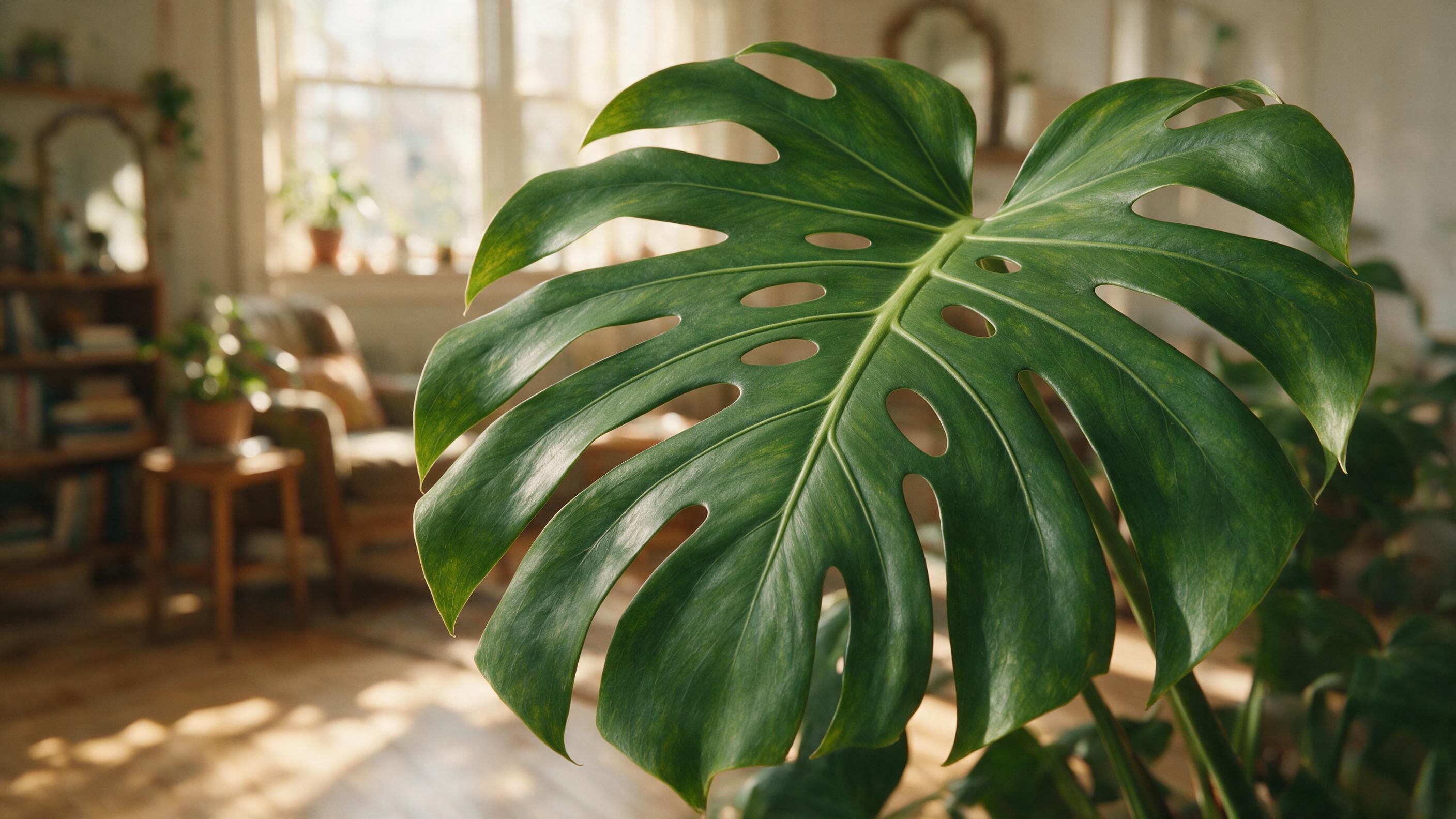
You glance over at your monstera and notice the leaves are curling — and suddenly your mind jumps to every possible worst-case scenario. The good news is that curling leaves on monstera plants can happen for a variety of different reasons, and most of the issues that cause leaf curl are both preventable and treatable.
The monstera — specifically the Swiss Cheese Plant — is one of the most popular houseplants in the United States, beloved for its dramatic, fenestrated foliage. But those big, beautiful leaves are also your plant’s primary communication tool. When something is off, the leaves are almost always the first place you’ll see it. Understanding what the curl is telling you is the fastest path to a fix.
This guide walks you through every major cause of monstera leaf curling, how to accurately diagnose the problem, and exactly what to do to get your plant looking lush again. You’ll also find prevention tips to keep the curling from coming back. If you’re newer to houseplants in general, our guide to types of plants is a great place to build your baseline knowledge.
What Does It Mean When Your Monstera Leaves Are Curling?
Monstera deliciosa plants are known for their broad, glossy leaves, and when something is wrong with your plant, you will most likely see changes in the leaves first. One of the most common signs that something is wrong is when the leaves begin to curl.
In general, monstera leaves curl as a way to reduce the amount of exposed surface area and minimize water loss through transpiration. This usually means that for some reason, water loss is an issue — due to heat stress, underwatering, damaged roots, or fluid loss from an insect infestation.
The direction of the curl matters, too. Leaves curling inward usually indicate a hydration problem — your plant might not be getting enough water, leading to dryness and a loss of cell structure as the plant tries to conserve moisture. If the leaves are curling downward, the issue is more likely related to stress caused by excessive heat or a lack of essential nutrients.
Think of curling as your monstera’s distress signal, not a death sentence. Once you identify the cause, the fix is almost always straightforward.
Is Leaf Curling in Monstera Always a Sign of a Problem?
Not always. There is one type of curling that is completely normal and requires no action on your part.
It is worth mentioning that there is one cause of curling that is totally normal and should not cause any concern. New leaves are curled up tight when they first emerge, before slowly unfurling. New leaf growth is a wonderful sign of a happy plant.
The young leaves of monstera are initially twisted and light green in color, and as they develop, they slowly unfurl. This is not caused by any problems and is no cause for concern. New monstera leaves will start out curled up, slowly unfurling as they develop. This new growth will be light green and healthy with no signs of damage. Don’t stress about this type of curling — enjoy the excitement of new growth instead.
The key distinction is context. If the curling is limited to a brand-new, emerging leaf that is still tightly wound and light green, you’re in the clear. If established, mature leaves are curling, that’s when it’s time to investigate further.
Pro Tip: Use a plant identification app to help you track your monstera’s growth patterns over time. Our roundups of the best iPhone apps for identifying plants and best Android apps for identifying plants can point you to tools that make monitoring easier.
Watering Issues Causing Monstera Leaf Curling
Usually, monstera leaf curl is caused by a watering issue. Unfortunately, it can be caused by both under- or overwatering, so before you make any changes to your watering schedule you need to do a bit of detective work to find out what’s wrong with your plant.
Underwatering
If you haven’t been watering your monstera enough, it will respond by curling its leaves. It is one of the most common causes of monstera leaves curling and should be the first thing you investigate. Look for very dry soil, brown crispy leaf tips and edges, and evidence of drooping.
The simple solution is to give your monstera a thorough watering. Soak the soil fully until water drains freely from the drainage holes in the bottom of the pot. Going forward, most monsteras need watering once the top 2 to 3 inches of soil feel dry to the touch, which will usually be every 7 to 10 days in the average home.
Overwatering
Overwatering creates soggy soil that suffocates roots and can lead to root rot, causing leaves to curl and turn yellow. How you tell underwatered from overwatered leaves is that the overwatered ones will often curl downward and develop yellow edges or brown spots alongside the curling.
Overwatering is more often caused by drainage issues than actually giving your plant too much water. Another big cause of monstera watering problems is the drainage of your soil and pot. Your pot should always have adequate drainage holes cut into the bottom. This allows excess water to drain and is a big step toward preventing overwatering.
If you suspect overwatering, stop watering immediately and let the soil dry out fully before the next watering. If things look really bad with lots of yellow leaves or a strong smell, you will probably need to repot with fresh soil.
How You Water Matters, Too
When it comes to how to water, you should be thoroughly and evenly soaking the soil and letting excess water drain away. If you try to be cautious by pouring small amounts of water into the soil, dry pockets will form, causing roots in those areas to die off — which is why leaf curling can occur even if you think you’ve watered it.
Going forward, check soil moisture with your fingers before each watering rather than following a fixed schedule. This one habit eliminates most watering-related curling for good.
Light Conditions Behind Monstera Leaf Curling
Monsteras grown in native habitats are often shaded under bigger plants, so they are used to bright, indirect sunlight. When exposed to a direct light source, cells in the monstera lose the pressure to hold their shape firm, resulting in leaves curling down or drooping.
Excessive sun exposure can cause leaves to curl, and it’s often accompanied by signs of leaf scorch such as fading or even dry brown spots. If your soil conditions seem fine and your monstera generally gets a lot of direct sun exposure after 10:00 a.m., this could be your issue.
When monstera leaves are exposed to direct sunlight for a long period of the day, they will begin to blister, yellow, and curl up. Leaf scorch can be fatal to monstera plants because they need the foliage to create energy and take in water.
Too little light can also be a factor. Both too much and not enough light can cause your monstera’s leaves to curl. If there isn’t enough light, the plant can’t photosynthesize properly. If there’s too much direct sunlight, the big leaves will curl to protect themselves from burning.
A spot near an east- or north-facing window typically provides ideal lighting conditions for monsteras without the risk of direct sun damage. If you only have a south- or west-facing window, move your plant further from the window or light source while making sure it still receives plenty of bright, indirect light. You can also hang a sheer curtain to filter harsh light and make it less intense. For more guidance on matching plants to your home’s light levels, see our article on the best houseplants for low light areas.
Soil, Nutrients, and Root Health Causing Monstera Leaf Curling
Even when you water correctly, the wrong soil or depleted nutrients can trigger curling. This category of causes is easy to overlook but very common in established plants.
Compacted or Poor-Draining Soil
Problems with potting soil cause multiple issues that lead to curling leaves. Soil that doesn’t drain well holds too much moisture around roots, essentially creating overwatering conditions even if you water appropriately. Compacted, hard soil prevents roots from absorbing water and nutrients properly. Old soil that hasn’t been replaced in years becomes depleted of nutrients, starving your plant.
If it’s been more than two years since you repotted your monstera, or if you notice the soil is dense and compacted, repot with fresh potting mix. Use a chunky, well-draining mix designed for aroids, typically containing peat or coconut coir for moisture retention plus perlite and orchid bark for drainage.
Nutrient Deficiency
Monsteras need phosphorus, potassium, and nitrogen to keep growing at a steady pace. These nutrients help the plant maintain and create new cell growth, which is vital to its health. As your plant grows, it will draw these nutrients out of the soil until they are depleted. Replacing them is key to continued growth.
Potassium is another nutrient to watch. If the leaves of your monstera are curling and showing discoloration from the tips, a potassium deficiency may be the cause. Feed your monstera with a balanced houseplant fertilizer every few weeks during spring and summer to ensure it gets the nutrients it needs.
Root Bound Conditions
When the plant is pot-bound, curling may appear because the roots have wrapped themselves around the edge of the pot and become restricted. They can no longer draw up moisture, causing the leaves to curl. It’s important to repot the plant as soon as possible. Choose a pot a few inches bigger and repot into new soil, gently teasing the roots open so that they don’t continue to grow in a circle.
Consider repotting your monstera approximately every 1–2 years. The best time to repot is in spring, just as the plant is entering its active growing season.
Pro Tip: When repotting, keep the roots aerated long-term by occasionally poking the soil with a wooden dowel. This keeps the soil loose, allowing water to drain and giving the roots much-needed air.
Environmental Stress Triggering Monstera Leaf Curling
Your home’s indoor environment — especially humidity, temperature, and airflow — plays a significant role in whether your monstera’s leaves stay flat and healthy.
Low Humidity
Native to tropical rainforests, monsteras flourish in humid environments, with ideal humidity levels ranging from 40% to 60%. In drier conditions, the leaves will curl inward to reduce their surface area, helping to minimize moisture loss and protect the plant from stress.
Monsteras naturally grow in 60 to 80% humidity. Most homes sit at around 30 to 40% humidity, especially with heating or air conditioning running. That lower humidity causes the leaves to curl inward as moisture evaporates faster than the plant can replace it.
To raise humidity, you have a few practical options:
- Group your plants together to create a humid microclimate through plant transpiration.
- Use a humidity tray under your monstera. A wide-based drip tray filled with water works well — use scattered pebbles to ensure the base of the pot sits just above the water level.
- Use a humidifier to easily and rapidly increase the humidity level.
- Note that misting leaves doesn’t actually increase humidity in any meaningful way, though it’s useful for cleaning dust off foliage.
Temperature Extremes and Drafts
Monsteras do best between 65 to 85°F (18 to 29°C). They’ll start showing stress below 60°F (15°C) or above 90°F (32°C).
High temperatures from a heater, fireplace, or heating vent can cause monstera leaf curl. Often, this is a response to a sudden, extreme temperature change, so if your plant’s leaves curl up very quickly, this might be the issue. These extreme heat sources can also cause a plant’s leaves to dry out, so humidity and temperature are often a compound issue.
Watch out for cold drafts from doors, windows, or air conditioning vents. Moving your plants 3 to 4 feet away from cold windows in winter can make all the difference. It’s also worth checking if your plant is too close to a heating or cooling vent — again, it can be as simple as moving it a few feet away.
Pests and Disease Leading to Monstera Leaf Curling
Household pests can cause monstera leaf curl because many of these insects suck the juices out of your plant’s leaves, causing them to curl up due to water loss. Monsteras aren’t terribly susceptible to pests, but there are a few insects that can infest your monstera and damage the leaves.
The monstera (Monstera deliciosa) is most commonly targeted by the following pests:
- Spider mites: Spider mites can be difficult to see, but they can often be identified by the sticky residue (also called “honeydew”), webbing, and small red dots they leave behind.
- Thrips: Thrips are one of the trickier indoor pests to deal with. These tiny, winged insects are difficult to see with the naked eye, but you can sometimes spot them moving, especially if you disturb them.
- Aphids: Aphids are tiny insects found on indoor and outdoor plants. They come in different colors, but the most common ones on houseplants are light green. If you notice light little dots and sticky residue on your monstera, you may have an aphid problem.
- Mealybugs and whiteflies: Common houseplant pests like mealybugs can also infest monsteras and cause leaves to curl from stress.
Pests such as spider mites, thrips, and aphids cause significant damage by sucking sap from the leaves. This sap loss weakens the plant, resulting in curling leaves as it struggles to maintain its structure. If left untreated, these pests can lead to further decline and health issues for the plant.
On the disease side, fungal diseases like anthracnose can distort your monstera’s foliage, while bacterial leaf spot produces dark-brown spots on leaves that usually ooze a sticky substance.
For treatment, you can apply insecticidal soaps directly, following the manufacturer’s instructions. Alternatively, for a homemade solution, mix neem oil with water and a mild detergent as an emulsifier, then spray it on the affected areas. The large leaves can also be treated with neem oil or insecticidal soap. Follow up for a couple of weeks to make sure the problem completely disappears.
If you share your home with cats, be aware that some pest-control products can be harmful to pets. Our guide on how to keep cats out of houseplants covers safe strategies for protecting both your plant and your pet.
How to Diagnose Why Your Monstera Leaves Are Curling
Rather than guessing, work through this step-by-step process to pinpoint the cause with confidence.
- Check the curl direction first. If your monstera’s leaves are curling inwards or upwards, it could indicate a watering issue, lack of humidity, or sometimes an insect infestation. Leaves curling under toward the bottom can be more indicative of heat stress or underwatering if the leaf is lacking turgor pressure.
- Assess the soil. Stick your fingers two to three inches into the soil. If it feels very wet or soggy, you’re overwatering — let the soil dry out before watering again and make sure your pot has drainage holes. If the soil feels bone dry and hard, you’re underwatering.
- Check for new growth. If the curling is limited to a brand-new leaf that is still tightly wound, this is totally normal and should not cause any concern. New leaves are curled up tight when they first emerge, before slowly unfurling.
- Inspect the leaves for pests. Check regularly on the undersides of leaves to see if any insects have taken up residence. Look for webbing, sticky residue, or tiny moving dots.
- Evaluate humidity and temperature. Use a digital hygrometer or thermometer to monitor humidity levels in your home. If humidity is consistently above 40%, then low humidity is not the cause of the problem.
- Consider the light situation. If you notice curling leaves with brown, dry spots from direct sun exposure, it’s a clear indication that your plant needs to be relocated to a gentler light environment.
- Think about your plant’s history. When did you last repot? When did you last fertilize? Old soil that hasn’t been replaced in years becomes depleted of nutrients, starving your plant. If it’s been more than two years since you repotted your monstera, or if you notice the soil is dense and compacted, repot with fresh potting mix.
Key Insight: Monstera leaf curl can occur for many different reasons, so you might have to employ the process of elimination to determine the root cause. Start with the most common culprits — watering and humidity — before moving on to light, nutrients, and pests.
How to Fix a Monstera That Is Curling
Once you’ve diagnosed the cause, here’s how to address each one directly.
| Cause | Key Symptom | Fix |
|---|---|---|
| Underwatering | Dry soil, crispy brown edges, inward curl | Water thoroughly until it drains from the bottom; check soil every 7–10 days |
| Overwatering | Soggy soil, yellow leaves, downward curl | Stop watering; let soil dry; repot if root rot is present |
| Too much direct light | Brown crispy spots, bleached leaves | Move plant back from window or add a sheer curtain |
| Low humidity | Inward curl despite moist soil | Use a humidifier, pebble tray, or group plants together |
| Temperature stress | Sudden curling near vents, drafts, or heaters | Move plant 3–4 feet from heat or cold sources |
| Nutrient deficiency | Curl with tip discoloration, slow growth | Fertilize with balanced N-P-K formula in spring and summer |
| Compacted/old soil | Water sits on surface, slow drainage | Repot into fresh, chunky aroid mix |
| Root bound | Roots circling pot or emerging from drainage holes | Repot into a pot 2–3 inches larger with fresh soil |
| Pest infestation | Webbing, sticky residue, visible insects | Treat with neem oil or insecticidal soap; repeat weekly for 2–3 weeks |
The most important thing you can do with curling leaves on your monstera is to react quickly. A little curling caught early is much easier to fix than leaving it to develop into more severe damage.
For root rot specifically, remove the plant from its pot, trim any black or mushy roots with sterile scissors, allow the roots to air-dry briefly, and repot into fresh, well-draining aroid mix. Ensure your monstera is in well-draining soil and a pot with drainage holes.
For more context on how different types of leaves function and why they respond to stress differently, that guide is worth a read alongside this one.
How to Prevent Monstera Leaf Curling Going Forward
Prevention is about building consistent habits around the conditions your monstera actually needs — not just reacting when something goes wrong.
Build a Soil-Check Watering Habit
Instead of sticking to a regular schedule, try the finger test: insert your finger about two inches into the soil. If it feels wet, don’t water your monstera. If it feels dry, it’s time to water. This simple habit adapts automatically to seasonal changes, pot size, and light levels — all factors that shift your plant’s water needs throughout the year.
Light levels vary from season to season, your heating system might be turning on and off, and humidity fluctuates. What worked perfectly in summer could need some adjusting come winter.
Maintain the Right Light Position Year-Round
Place your monstera in a location where it receives bright, indirect light. If you only have a sunny windowsill, consider using a sheer curtain to diffuse the light. Reassess the position each season — a spot that works in winter may become too bright in summer as the sun’s angle shifts.
Keep Humidity at 40–60%
Monsteras prefer high humidity, ideally between 40% and 60%. A small plug-in humidifier near your plant is the most reliable solution, especially during winter months when central heating drops indoor humidity significantly. Grouping moisture-loving plants together also helps create a naturally more humid microclimate without any equipment. For ideas on other low-maintenance plants that thrive in similar conditions, browse our list of best houseplants for low light areas.
Repot and Fertilize on a Schedule
Consider repotting your monstera approximately every 1–2 years. The best time to repot is in spring, just as the plant is entering its active growing season. You can replace lost nutrition in the soil by applying a liquid or slow-release fertilizer in the spring and summer months.
Inspect Leaves Regularly for Pests
Check your plant weekly, not just for watering, but for any subtle early signs something might be off. Regularly check your monstera’s leaves for any signs of pests. Early detection is crucial to prevent damage. Pay special attention to the undersides of leaves, where spider mites and thrips tend to hide first.
Important Note: If you do everything right and make the necessary care adjustments, most monsteras will bounce back quickly. Patience is part of the process — it can take a few weeks for leaves to fully recover after you’ve corrected the underlying issue.
FAQ
Why are my monstera leaves curling inward?
When monstera leaves curl inwards or toward the top of the leaf, it is a sign that there is something wrong with the hydration of your plant. When your plant isn’t receiving enough water, the cells in the leaves begin to dry out and lose their structure, causing it to curl in on itself as a way to try and retain moisture. Low humidity can also cause inward curling even when the soil is adequately moist.
Why are my monstera leaves curling downward?
Monstera leaves will curl downwards when the plant is stressed from heat or a lack of nutrients. This happens because the cells of the leaves lose their internal pressure. When this happens, the leaves cannot support their shape and will begin to curl inward and droop. Overwatering with associated root rot can also produce a similar downward droop.
Can I fix monstera leaves that are already curled?
Yes, in most cases. Once you correct the underlying issue — whether that’s adjusting your watering, improving humidity, treating pests, or repotting — the plant will typically recover. Already-damaged leaves may not fully flatten out, but new growth should emerge healthy and flat. Monstera leaves curling is usually a sign of a problem that can quite easily be fixed.
How often should I water my monstera to prevent curling?
Most monsteras need watering once the top 2 to 3 inches of soil feel dry to the touch, which will usually be every 7 to 10 days in the average home. Rather than following a fixed schedule, always check the soil before watering. Frequency will naturally increase in summer and decrease in winter.
Do monstera plants like to be misted?
Misting leaves doesn’t actually increase humidity in any meaningful way, though it’s useful for cleaning dust off foliage. If your goal is to raise humidity to prevent leaf curling, a humidifier or pebble tray is a far more effective long-term solution than misting.
Is a curling new monstera leaf normal?
The tight curling of new leaves is normal before they unfurl. A brand-new leaf that emerges tightly coiled and light green is simply going through its natural development cycle. Give it time and it will open on its own.
Understanding your monstera’s signals takes a little practice, but once you know what to look for, you’ll be able to respond quickly and confidently. If you’re curious about expanding your plant collection, our guide to types of plants is a great starting point, and you can also explore specific varieties like different types of rubber plants and different types of aloe vera plants for more low-maintenance tropical options that share similar care needs.