Why Is My Basil Wilting? Causes, Fixes, and Prevention Tips

September 9, 2026
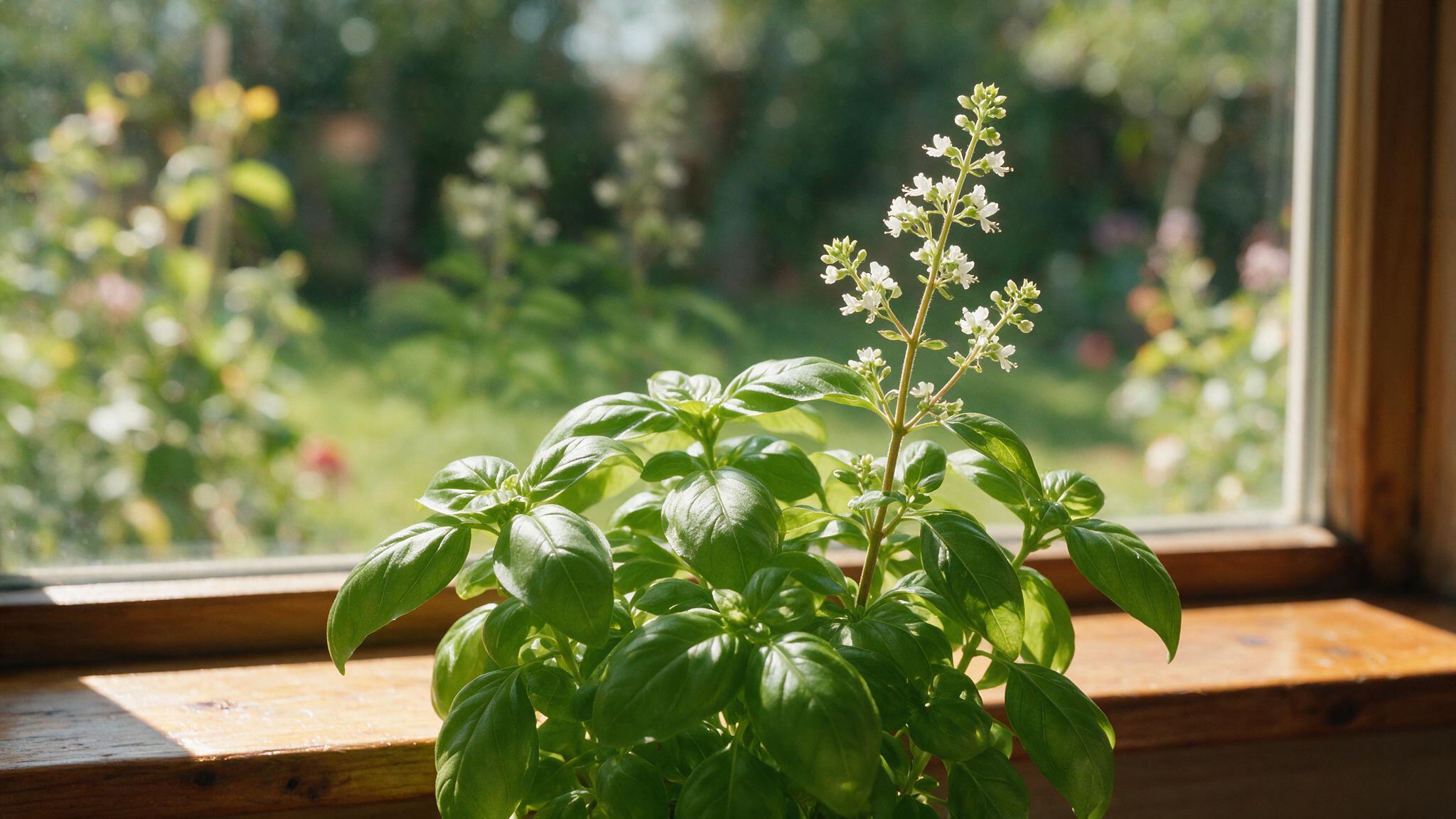
You step into your kitchen or garden, and your once-lush basil is drooping like it’s given up entirely. It’s one of the most frustrating sights for any herb grower — especially when you feel like you’ve been doing everything right. The good news is that wilting basil is rarely a death sentence.
Sweet basil (Ocimum basilicum) is one of the most expressive plants you can grow. It uses wilting as a primary communication tool, signaling stress from a wide range of causes — some easy to fix in a matter of hours, others requiring a bit more detective work. The faster you determine the cause, the better the chances of fixing the problem and returning your basil to good health.
This guide walks you through every reason your basil might be wilting, how to diagnose the problem accurately, and exactly what to do to bring it back — plus how to keep it thriving long-term. Whether you’re growing basil in a sunny windowsill, a backyard garden bed, or a container on a patio, these tips apply.
What Does It Mean When Your Basil Is Wilting?
Wilting is not a disease — it’s a symptom. When basil wilts, its stems go limp, its leaves droop toward the soil, and the plant loses its characteristic upright posture. When the roots run out of water, the plant immediately loses “turgor pressure” — the internal water pressure that keeps the stems rigid — and it collapses to reduce the surface area exposed to the sun, essentially trying to hide from the heat.
Basil is a highly expressive plant that uses wilting as a primary defense mechanism to conserve water, and the most common cause of wilting is under-watering. But that’s far from the only cause. There are several possible reasons why your basil may be wilting, but the most common issues come down to irregular watering, root disease, or stress.
Understanding what’s causing the droop is the first step to fixing it. A wilting basil plant that perks back up within a few hours after watering is telling you something very different from one that stays limp despite moist soil.
Is Wilting in Basil Always a Sign of a Problem?
Not always — but it’s always worth paying attention to. If your basil wilts in the afternoon but looks fine in the morning, this is a classic heat defense mechanism. When the afternoon sun is too intense, the plant temporarily wilts to protect its leaves from burning, then recovers overnight. Moving it slightly out of direct afternoon sun usually solves this.
Newly transplanted basil may also wilt temporarily as it adjusts to its new environment — a condition known as transplant shock. This kind of wilting is normal and typically resolves within a few days once the root system re-establishes itself in the new soil.
However, if the wilting persists through the morning, worsens over several days, or comes with additional symptoms like yellowing leaves, a foul smell from the soil, or visible pests, you’re dealing with a real problem that needs attention. Use the timing and pattern of the droop as your first clue.
Pro Tip: Check your basil first thing in the morning. If it looks healthy at sunrise but droops by mid-afternoon, heat stress or intense sun is likely the culprit — not a watering problem.
Watering Issues Causing Basil Wilting
Watering is the number-one cause of basil wilting, and the tricky part is that both too much and too little water produce nearly identical symptoms. You can’t tell just by looking at the plant, since a wilting basil plant could desperately need water, or it could be woefully overwatered. Here’s how to tell them apart.
Underwatering
Basil is a leafy, high-water plant. Its large, soft leaves transpire heavily when placed under a strong grow light or in a sunny windowsill, and to pull off its rapid growth, it drinks a tremendous amount of water. When it doesn’t get enough, the result is swift and dramatic.
When the plant is entirely limp, pick the pot up. If it feels as light as a feather, or if you stick your finger in the soil and it is bone dry two inches down, the plant is dehydrated. Other signs of underwatering include dry soil, brittle leaves, and wilting that does not improve after watering — though with a truly thirsty plant, a thorough drink usually brings it back quickly.
A deeply saturated watering will usually revive a thirsty plant within four hours. If your basil is wilting due to a lack of water, once corrected, your basil plant should recover in 2 to 3 days.
Overwatering
Overwatering is sneakier. Basil needs regular watering but hates excess water or overly saturated soil. If the soil around the plant is compacted, it can be difficult to drain water away. Similarly, if your basil plant is in a pot without drainage holes, water can easily become trapped inside.
Excess water restricts the amount of oxygen that reaches the roots, which can cause wilting, and it also creates a breeding ground for fungus that can lead to root rot. This damages the roots and prevents them from taking up sufficient hydration and nutrients, ultimately causing wilting and death to the plant.
Overwatered basil will initially develop paler, yellowing leaves that often start from the lower leaves upwards. Wilting of the leaves soon follows, and you may notice an offensive smell from the soil. The soil will be soggy, and if you remove the plant from the pot, the roots will be mushy and brown or black in color.
The fix for overwatering starts with your finger: stick your finger in the soil to check before watering. If it is dry an inch down, then your basil needs to be watered. Wait to water until the soil has mostly dried out, ensure that there is good drainage so the roots are never sitting in water, and avoid splashing water on the leaves, which can lead to disease.
Pro Tip: When in doubt, water less. According to Sprigbox , basil can tolerate slight drought conditions better than excessive moisture — so it’s better to underwater than overwater.
Light Conditions Behind Basil Wilting
Healthy basil plants require at least eight hours of sunlight every day, well-drained soil, and enough space to allow for plenty of air circulation. When light levels fall short of this, the plant weakens and becomes far more susceptible to wilting from other stressors.
Less than 6 hours of sunlight results in weak, leggy growth. Stems become thin and floppy, unable to support the weight of the leaves. Basil requires 6–8 hours of direct sunlight daily for strong growth, and insufficient light leads to weak stems and increased susceptibility to wilting. If you’re growing basil indoors, a south-facing window is your best bet in the United States. If natural light falls short, an LED grow light can bridge the gap.
On the flip side, too much intense afternoon sun — especially in hot US climates like the Southwest or Southeast — can scorch leaves and cause heat-shock wilting. Extremely hot temperatures can cause basil leaves to wilt, and if the basil plant is in direct sunlight, the leaves can get sunburned, which will cause them to turn yellow and then brown before eventually falling off the plant.
For potted basil, make sure the plant is in a location where it won’t be in direct sunlight for more than six hours a day. If the basil plant is in a pot, you can try moving it to a shady spot, especially during periods of extreme heat. Pair this with the right lighting strategy for your indoor plants to keep all your herbs happy year-round.
Soil, Nutrients, and Root Health Causing Basil Wilting
The right soil is the foundation of a healthy basil plant. Use a well-draining potting mix with perlite or sand to keep roots oxygenated and free of standing water. Heavy garden soil compacts easily in containers and holds far too much moisture for basil’s liking.
Root Rot
Root rot is the most serious soil-related cause of wilting. By the time root rot sets in, the roots will have turned brown and mushy and can no longer take up water or nutrients. While overwatering is one cause, it can also be caused by the pathogens Rhizoctonia solani and Pythium spp.
Root rot appears as black or brown mushy roots, a foul smell from the soil, and wilting leaves despite moist soil. This last detail is the key diagnostic clue: if your basil is wilting but the soil is wet, root rot is very likely the culprit.
To treat it, carefully unpot your basil and rinse off the roots with lukewarm water. Use sterilized scissors to cut away any dark, slimy, or mushy roots — only the healthy, white roots should stay. Dust the roots with cinnamon or apply a neem oil spray, which has antifungal properties. Use a well-draining potting mix with perlite or sand added, and make sure your pot has a drainage hole.
Nutrient Deficiency
Basil, like all plants, needs essential nutrients to grow strong. A plant that’s been in the same potting mix for a full growing season may have depleted the available nitrogen, phosphorus, and potassium. Pale, yellowing leaves alongside wilting can signal a deficiency. Feed basil every 4–6 weeks with a balanced liquid fertilizer (such as a 10-10-10 formula) to keep nutrient levels steady. Avoid over-fertilizing, which can burn roots and worsen wilting.
Root-Bound Plants
Stunted growth can indicate a root-bound plant, where roots have outgrown their container. Repotting into a larger container with fresh, well-draining soil can help. When roots circle the bottom of the pot with no room to expand, they can no longer absorb water and nutrients efficiently, leading to wilting even with proper care. Check the drainage holes — if roots are poking through, it’s time to size up.
Environmental Stress Triggering Basil Wilting
Basil is a warm-weather herb with a narrow comfort zone. Temperatures below 50°F (10°C) or above 90°F (32°C) can harm basil. In the United States, this means basil struggles in early spring and late fall outdoors, and in the peak heat of summer in states like Texas, Arizona, and Florida.
When it’s too chilly outside, you’ll see wilting, curled leaves, and brown edges on the leaves of the basil plant. To fix this, make sure the basil plant is in a location where the temperature is stable, and bring your basil plant indoors if the temperature is going to drop below 50 degrees Fahrenheit. A frost can kill basil plants.
Cold drafts from air conditioning vents are a surprisingly common cause of wilting for indoor basil in American homes during summer. Keep basil between 70–85°F (21–29°C) and protect it from cold drafts. Placing your pot near an AC vent or an open window on a chilly night can trigger the same cold-stress response as outdoor frost exposure.
Transplant shock is another environmental stressor worth noting. The expert similarly warns against environmental-induced stress, like fluctuating temperatures, or transplanting stress, which could result in the plant drooping. When you move basil from a nursery pot to a new container or garden bed, give it a few days of shade and consistent moisture to settle in before expecting it to thrive.
Pro Tip: If you’re growing basil outdoors in a hot US climate, afternoon shade cloth can prevent heat-shock wilting during the peak summer months without sacrificing the morning sun your plant needs.
Pests and Disease Leading to Basil Wilting
When watering, light, and temperature all check out, pests and disease become the prime suspects. Several common culprits can drain your basil’s vitality and cause it to wilt.
Aphids and Spider Mites
Aphids are extremely common pests both indoors and out. They feed on basil using their sucking mouthparts, which draw out the sap, causing the foliage to wilt. They also cause yellow stippling, stunting, and distorted growth. In addition, aphids can spread disease. You’ll know it’s aphids causing the wilting because you’ll see the pests on the stems and the undersides of the leaves.
In dry conditions, basil plants can face a spider mite infestation. The first sign that these pests are around is usually the fine webbing they leave on the plants, along with yellow stippling on the foliage — but if you don’t catch them at this phase, wilting will follow.
For both pests, there are lots of ways to control aphids and spider mites, from spraying them off with water from the hose to applications of insecticidal soap and neem oil. Check the undersides of leaves regularly, especially during warm, dry spells. You might also want to explore companion plants that deter pest pressure in your garden.
Fusarium Wilt
Basil plant droop that appears suddenly on young plants is often caused by fusarium wilt, a fungal disease that causes stunted growth and droopy, wilted, or yellow leaves. The first signs of trouble are decreased growth and leaves with a cupped appearance. Eventually, leaves may drop from the plant.
A brown stem on a young basil plant may indicate that the herb is infected by the fungal disease called Fusarium. This fungus enters basil plants via the roots and disturbs the water transport capacity of the plant, causing slow growth, yellowing leaves, and decaying foliage. This fungal disease is incurable, so your best hope is to spot it early and remove the infected plants to prevent it from spreading.
One important detail many growers miss: the fungus behind basil fusarium wilt is a soilborne one, and it’s incredibly long-lived. It doesn’t die off over a winter, or even over a year — it can survive in soil and old plant debris for the better part of a decade. Never reuse soil from a pot where fusarium wilt occurred.
Downy Mildew
Basil downy mildew is caused by Peronospora belbahrii, a fungus-like water mold organism. Leaf yellowing is often the first symptom of basil downy mildew, with yellow areas typically bordered by leaf veins. This may at first be mistaken for nutrient deficiency. When spores are produced, a characteristic fuzzy, dark gray to purple growth on the underside of the leaves becomes evident.
Affected leaves also curl and wilt. According to the University of Wisconsin Horticulture Extension , the pathogen can arrive via contaminated seed, infected transplants, or wind-borne spores. Classic Genovese types of basil are highly susceptible to downy mildew. If you’ve had repeated problems, consider switching to resistant cultivars. According to the UMass Center for Agriculture, Food, and the Environment , resistant cultivars include ‘Amazel’, ‘Prospera’, and the Rutgers series ‘Devotion’, ‘Obsession’, ‘Passion’, and ‘Thunderstruck’.
How to Diagnose Why Your Basil Is Wilting
Accurate diagnosis saves your plant. Work through this step-by-step inspection before reaching for any treatment.
- Check the soil moisture first. When you spot your basil wilting, the first step is to check the soil moisture. If the soil feels dry to the touch, even an inch or two below the surface, underwatering is the likely culprit. If the soil feels cold, wet, and muddy, overwatering is the issue.
- Lift the pot. A feather-light pot signals drought; a heavy, waterlogged pot signals overwatering or root rot.
- Smell the soil. A foul odor from the soil serves as a warning indicating root rot.
- Inspect the leaves. Yellow leaves often indicate overwatering; crispy brown edges suggest underwatering. Gray-purple fuzz on leaf undersides points to downy mildew.
- Check for pests. Check for pests under leaves and along stems. Look for fine webbing (spider mites), small clustered insects (aphids), or tiny whiteflies.
- Evaluate light and temperature. Ensure at least 6–8 hours of direct sun and measure ambient temperature — the ideal range is 70–85°F (21–29°C).
- Consider timing. Morning wilt that clears by noon suggests a brief drought. Afternoon wilt that recovers overnight suggests heat stress. Wilt that never improves points to root rot or disease.
| Symptom | Likely Cause | Key Clue |
|---|---|---|
| Wilting + bone-dry soil | Underwatering | Pot feels very light |
| Wilting + soggy soil + yellow leaves | Overwatering / root rot | Foul smell, mushy roots |
| Afternoon wilt only, recovers overnight | Heat stress / intense sun | Healthy in the morning |
| Wilting + fine webbing on leaves | Spider mites | Yellow stippling on foliage |
| Wilting + brown stem base + yellowing | Fusarium wilt | Cupped, dropping leaves |
| Wilting + gray-purple fuzz on leaf undersides | Downy mildew | Yellowing bordered by leaf veins |
| Wilting after repotting or moving | Transplant shock | Recent environmental change |
Using a plant identification app or a plant care app on Android can also help you match your basil’s symptoms to a diagnosis quickly, especially if you’re new to herb growing.
How to Fix a Basil Plant That Is Wilting
Once you’ve identified the cause, apply the right fix promptly. If the cause is caught early, underwatered or light-stressed plants often revive within 24–48 hours after correction. However, fusarium wilt or advanced root rot usually cannot be reversed.
Fix for Underwatering
- Water deeply and thoroughly until water drains from the bottom of the pot.
- For severely wilted plants, slowly and thoroughly water the plant until water drains from the bottom of the pot to ensure the entire root system is hydrated. For severely wilted plants, consider submerging the pot in a basin of water for 15–30 minutes.
- To preserve moisture and reduce evaporation, mulch the soil’s surface, and make sure to water the base of the plant, not the leaves.
Fix for Overwatering
- If you spot the problem early, stop watering and let the soil dry out. Make sure your plant is potted in an appropriate pot and soil. Once the soil dries out, resume watering — check the plant every day or two, and only water once the surface of the soil is dry.
- If your basil plant is in a container and things aren’t looking great, it might be time to re-pot it, especially if it’s in a plastic or other non-porous container. Switch to a clay pot or one with better drainage.
Fix for Root Rot
- Remove the plant from its pot and rinse the roots under lukewarm water.
- Trim all dark, mushy, or slimy roots with sterilized scissors, keeping only healthy white roots.
- Cut away the diseased parts and replant the basil in fresh soil, using a mix amended with perlite for drainage.
- Rinse the container with water and wipe it down with a 10 percent bleach solution before reusing it.
Fix for Pests
- Knock aphids and spider mites off with a strong stream of water, then follow up with insecticidal soap or neem oil spray.
- Remove any leaves that show signs of disease and ensure good air circulation around the plant to prevent fungal diseases.
- Isolate the affected plant immediately to protect nearby herbs.
Fix for Fusarium Wilt and Downy Mildew
- If your plant has fusarium wilt, the only solution is to dispose of the plant and take great care not to infect your other plants. Dispose of the soil and sterilize the pot thoroughly before growing anything else in it.
- For downy mildew, remove infected leaves, improve airflow, and avoid overhead watering. Copper products, phosphites, and azoxystrobin are labeled for use on basil. Both conventional and organic products should be used in a preventative manner to protect plants from infection.
How to Prevent Basil Wilting Going Forward
Prevention is far easier than rescue. A few consistent habits will keep your basil upright, fragrant, and productive through the whole growing season.
- Water on a smart schedule. Water when the top inch of soil feels dry — typically every 2–3 days in warm weather. Indoor plants may need watering less frequently. Always ensure excess water drains freely.
- Water at the base, in the morning. Water early in the morning to reduce evaporation and fungal risk. Keeping leaves dry discourages downy mildew and other fungal diseases.
- Use the right pot and soil. Use pots with drainage holes to prevent water accumulation. Terra cotta pots breathe better than plastic and help prevent overwatering naturally.
- Protect from temperature extremes. Bring your basil plant indoors if the temperature is going to drop below 50 degrees Fahrenheit. In hot climates, provide afternoon shade during heat waves.
- Feed regularly. Feed every 4–6 weeks with a balanced liquid fertilizer to replenish nutrients without over-stimulating growth.
- Scout for pests weekly. Flip leaves and inspect stems regularly, especially during warm, dry weather when spider mites and aphids thrive. Early detection makes treatment far simpler.
- Never reuse disease-contaminated soil. Never reuse soil from a diseased plant — fungal spores can linger for years and infect your next crop immediately.
- Choose resistant varieties if disease is recurring. If downy mildew or fusarium wilt has been a repeated problem in your garden, switching to resistant cultivars like ‘Amazel’ or ‘Prospera’ is the most reliable long-term solution.
Pairing basil with the right companion plants can also reduce pest pressure naturally. Check out this guide on plants that grow well alongside tomatoes — many of the same companions benefit basil too. And if you’re building out a broader herb or edible garden, exploring different types of plants can help you create a more resilient growing space overall.
Pro Tip: According to a study published in PLOS ONE , nocturnal fanning dramatically suppresses downy mildew development in sweet basil by preventing humidity from reaching saturation overnight. A small fan near your indoor basil can make a real difference.
FAQ
Why Is My Basil Wilting Even Though the Soil Is Wet?
You may be overwatering or have poor drainage. Basil roots need oxygen; constantly wet soil leads to root rot, which causes wilting despite regular watering. Check for soggy soil and adjust your watering schedule. If the soil smells foul and the roots look brown and mushy, root rot has set in and you’ll need to repot into fresh, dry soil immediately.
Can Wilted Basil Be Saved?
If your basil is wilting, do not assume it is dead. If the cause is caught early, underwatered or light-stressed plants often revive within 24–48 hours after correction. However, fusarium wilt or advanced root rot usually cannot be reversed. Act quickly and match the treatment to the cause for the best chance of recovery.
How Often Should I Water Basil to Prevent Wilting?
For basil planted in garden beds, irrigate the soil weekly but avoid splashing it on the leaves to prevent diseases. Potted basil requires more frequent care than ground-planted basil — approximately one to two times weekly, or as soon as the soil looks parched. In hot US summers, you may need to water container basil every other day.
Why Does My Grocery Store Basil Wilt So Fast?
If you’ve ever bought a potted basil plant from the grocery store produce section that started wilting within what seemed like minutes of bringing it home, you know the frustration. Grocery store basil is typically grown in crowded conditions with many seedlings per pot, making it root-bound and stressed. Repotting it into a larger container with fresh, well-draining soil — and giving it a sunny spot — usually transforms it dramatically within a week.
Is Wilting the Same as Drooping?
The terms are often used interchangeably, and for practical purposes, they describe the same visual symptom: stems and leaves that lose their upright posture and hang downward. Drooping tends to describe milder cases, while wilting implies a more severe loss of turgor pressure. Both are diagnosed and treated the same way — by identifying the underlying stressor and correcting it.
Should I Cut Back a Wilting Basil Plant?
Light pruning can help a struggling basil plant redirect energy from damaged foliage to recovery. Remove any yellow, brown, or visibly diseased leaves. Remove any dead and discolored leaves, as well as any stems that seem unhealthy. Avoid heavy pruning while the plant is severely stressed — wait until it shows signs of recovery before cutting back more than a third of the plant at once.