Why Are My Snake Plant Leaves Wrinkled? Causes and Fixes

August 27, 2026
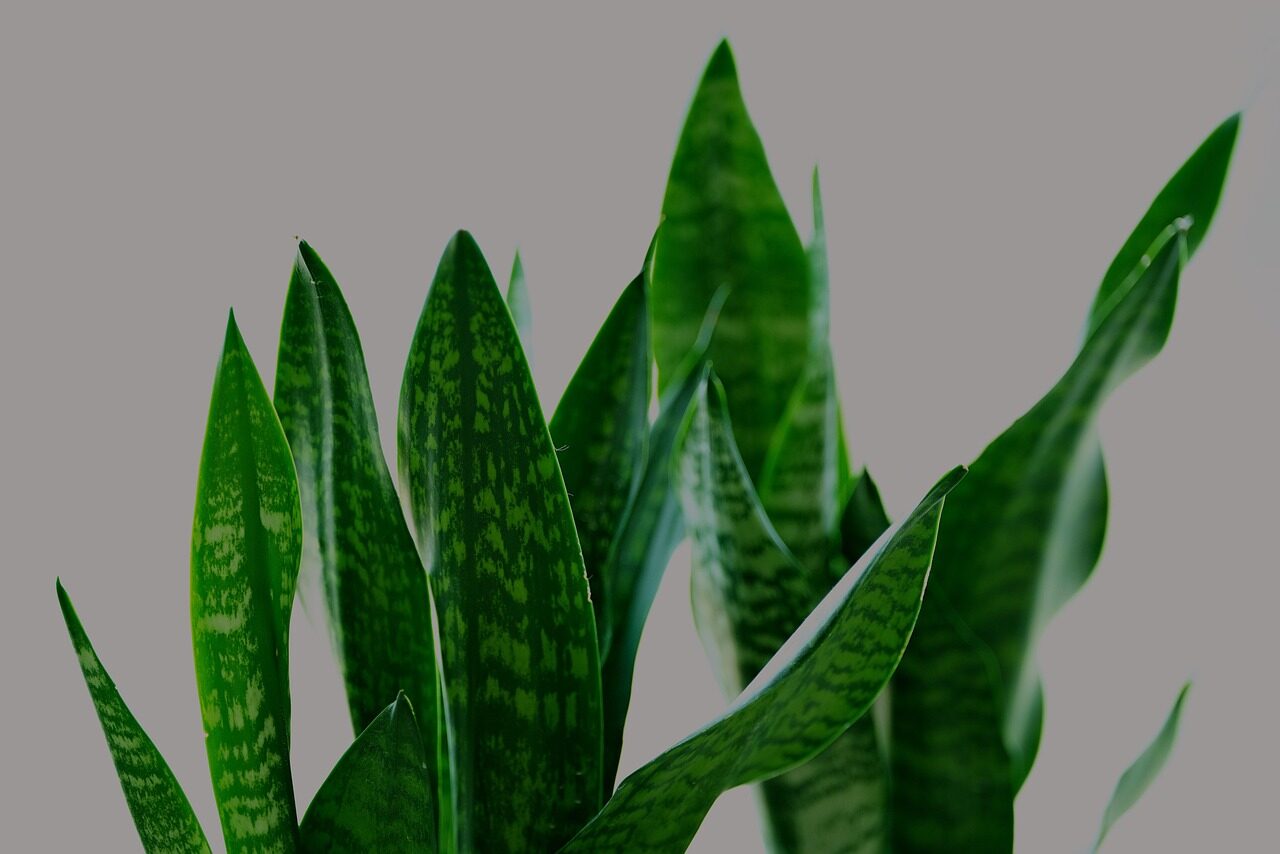
You glance over at your snake plant and something looks off — the leaves that used to stand tall and smooth now have a crinkled, shriveled texture that wasn’t there before. It’s a jarring sight for a plant that’s supposed to be nearly indestructible.
Wrinkled leaves are generally the first sign that your plant is suffering from a lack of moisture in the leaves. The wrinkles look like deep, irregular lines that appear along the length of each leaf, forming when the leaf loses integrity as water reserves are drawn down by the plant. But moisture loss isn’t always the whole story — several different conditions can trigger this symptom, and knowing which one you’re dealing with makes all the difference.
This guide walks you through every possible cause of wrinkled snake plant leaves, how to tell them apart, and exactly what to do to bring your plant back to its best shape.
What Does It Mean When Your Snake Plant Has Wrinkled Leaves?
Snake plant leaves are normally deep in color with shiny, healthy-looking surfaces. If your snake plant has wrinkled and dull leaves, you know something’s not right. The wrinkling is your plant’s way of signaling that it’s under stress — and that stress can come from several directions.
Snake plants are hardy plants that can tolerate a range of conditions, so when their leaves begin to show signs of stress with wrinkles, it’s an indication of some larger problem at play. Think of the wrinkling as a symptom rather than a diagnosis. The real cause could be in the soil, the roots, the air, the light, or even a tiny pest you haven’t spotted yet.
Overwatering, underwatering, an inappropriate potting mix, and humidity fluctuations are the primary causes of wrinkles in snake plants. Less commonly, pests, disease, and extreme temperatures round out the list. The good news is that most of these problems are fixable once you identify the source.
Is Wrinkled Foliage in a Snake Plant Always a Sign of a Problem?
In most cases, yes — but there’s one important exception worth knowing about. There are certain species and cultivars of snake plant that naturally have tube-shaped or wavy foliage. In these special cases, this is not a sign of poor health. If you recently brought home a new variety and noticed the leaves look slightly rippled right out of the nursery, check the cultivar name before assuming something is wrong.
Seasonal factors can also play a role — growth slows in winter, and paler color and slight shrinkage can be normal. A very mild texture change during the coldest months of the year, especially if the plant is otherwise healthy, may not require any intervention beyond adjusting your watering frequency.
That said, if the wrinkling is new, progressing, or accompanied by other symptoms like yellowing, browning tips, or soft spots, treat it as a genuine warning sign and work through the causes below.
Watering Issues Causing Snake Plant Wrinkled Leaves
Watering is the most common culprit behind wrinkled snake plant leaves — and the tricky part is that both too much and too little water can produce this symptom.
Underwatering
When a snake plant doesn’t get enough water, it starts to use up the moisture it has stored in its leaves. This causes them to wrinkle, fold over, and sometimes develop brown edges. To confirm that underwatering is the cause, check the soil to see if it feels stiff or bone-dry.
When your snake plant shows signs of thirst, give the soil a good soaking. Place the pot into a container of lukewarm water and allow it to sit for at least 15 to 20 minutes. Check to ensure the soil is completely soaked, then place the plant in a position that allows excess water to run off. If your plant has wrinkled leaves, they will plump back up once it’s properly watered.
Overwatering
Overwatering can also cause wrinkled leaves — but these wrinkles usually look different. The leaves get soft and mushy, and will sometimes turn yellow before they wrinkle. An overwatered snake plant will have its leaves turning soft as well, especially in the areas near its base, which can lead to root rot and drooping leaves before eventually dying off.
Infrequent, deep waterings are the best way to make sure your snake plant has enough moisture. Only water once the top 2 inches of the soil have dried out. Generally, snake plants need watering only when the soil is completely dry — about every 2 to 3 weeks in the summer and once a month in the winter. However, if your home is very hot or dry, you will probably need to water more often.
Pro Tip: Never water on a fixed calendar schedule. Instead, stick your finger about 2 inches into the soil — if it feels dry at that depth, it’s time to water. If it still feels damp, wait a few more days and check again.
Light Conditions Behind Snake Plant Wrinkled Leaves
Light affects your snake plant’s moisture balance more than most people realize. Both too much and too little light can indirectly cause the leaves to wrinkle.
Too Much Direct Sun
When the plant is exposed to harsh direct sunlight for more than four hours a day, the wrinkling effect on its leaves means it is losing water due to high heat. The heat causes dehydration and water evaporation from the leaves. Too much sunlight can burn their leaves, causing wrinkling and brown patches. They prefer bright, indirect light.
If your plant is sitting in a south- or west-facing window without a sheer curtain, moving it back a few feet or filtering the light is often all it takes. The best quick fix for this problem is to give your snake plant a good watering and move it out of direct light. You can find more options for houseplants suited to lower-light areas if you need a plant for a particularly dim spot.
Too Little Light
Snake plant leaves can also wrinkle when exposed to very little light. The leaves start to wrinkle before dropping off. A snake plant kept under bright indirect light has a deeper color of green on the leaves, but if kept in low light conditions, the leaves will not be as healthy.
A spot near a bright window with indirect exposure — like a north-facing room with good ambient light, or a few feet back from a sunny window — is the sweet spot for most snake plants. Consider a space near a west-facing window to provide your snake plant plenty of bright, indirect light.
Soil, Nutrients, and Root Health Causing Snake Plant Wrinkled Leaves
Even if your watering habits are perfect, the wrong soil or a compromised root system can prevent water from ever reaching the leaves in the first place.
Wrong Soil Type
The texture of your potting soil can be another cause of wrinkled leaves. When the soil drains water too fast, it can lead to the snake plant becoming dehydrated. Even though it is drought-tolerant, the snake plant will eventually suffer when its roots do not get enough water. On the flip side, Sansevieria leaves will wrinkle if planted in soil that is not free-draining because the chances of overwatering are high.
Plant your snake plant in a well-draining potting mix. Soil that is well-drained and has balanced minerals will ensure that your snake plant does not suffer wrinkling. A mix of standard potting soil and perlite works well and is easy to put together at any garden center.
Fertilizer Problems
Too much fertilizer has been given if your snake plant’s leaves are wrinkled with brown spots surrounded by yellow discoloration. It’s an awful look and dangerous to the health of your snake plant. Snake plants with wrinkled leaves accompanied by yellow and brown patches often indicate there is an excess of fertilizer in the soil.
To help your snake plant overcome fertilizer burn, you can either flush the soil to rinse off excess fertilizer, repot the plant, or both. To flush your plant, first remove any chalky, white salt and mineral buildup from the surface of the soil. Using filtered water, slowly douse the soil and let it drain out. Don’t let your snake plant sit in the runoff, as it will pull back up the excess fertilizer you’re trying to wash off. Repeat the process a few times to cleanse the soil of mineral and salt buildup.
Snake plants do not need fertilizer regularly because they are succulent plants. Apply fertilizer once a month or once every two months during the summer or when the plant grows rapidly from spring to summer. Do not fertilize in winter.
Root Rot
Wrinkled leaves are a common sign that your snake plant has root rot. Leaf yellowing is another root rot symptom. In most cases, a wet potting mix causes this, as it doesn’t allow the snake plant’s roots to absorb the oxygen they need. Rotting roots will look somewhat black and feel squishy, and they will also smell bad.
If the roots are rotting, get rid of any roots that are damaged and sterilize the other roots with antifungal treatment. Then repot into fresh, dry, well-draining soil. If you’re doing this for the first time, check out this guide on how to propagate a snake plant — many of the same handling techniques apply when repotting.
Root Bound
Snake plants actually like being a little root bound, but only up to a certain point. If yours has been in the same pot for years and the roots can’t properly take up water and nutrients anymore, you could see wrinkled leaves even though you’re watering it the right way. Besides wrinkled and falling leaves, you may also see roots beginning to poke out from the drainage holes.
Repot your snake plant into a container that’s about 1 to 2 inches bigger in diameter. Don’t go too big too fast, though — snake plants like to be a little snug. Use fresh potting mix that drains well; mixing regular potting soil with some perlite gives a bit more drainage. Spring or early summer is the best time to repot, but it can be done in other seasons when necessary.
Environmental Stress Triggering Snake Plant Wrinkled Leaves
Temperature swings, drafts, and low humidity are often overlooked causes of wrinkling — especially for indoor snake plants in American homes during the winter months.
Temperature Extremes
Snake plants can experience wrinkled leaves when exposed to low temperatures beyond their tolerable limits. This happens often in areas that experience winter seasons. Snake plants prefer warmth but can tolerate the cold only up to a certain degree. The low temperatures brought about by winter are enough to shock the water molecules inside the leaves.
Heat is also a concern. In the hot season when temperatures are high, the leaves may start to wrinkle. Sansevieria leaves will curl and shrink easily due to high temperatures, and wrinkling and wilting occur because the plant is losing more water than it’s getting. They prefer temperatures between 65 and 85°F (18–29°C).
Low Humidity
Snake plants can deal with dry air better than most other houseplants, but if the humidity gets too low it will cause the leaves to wrinkle. This is especially common in winter when indoor heating systems pull all the moisture out of the air.
Snake plants don’t need humidity too high, but they don’t do well in extremely dry conditions. If your home gets very dry (below 30% humidity), you may need to use a humidifier or place your snake plant on a pebble tray with water. You might also consider moving it to a bathroom or kitchen, where ambient humidity naturally runs a bit higher.
Pro Tip: During winter, keep your snake plant away from heating vents and cold drafts from windows or exterior doors. Both can rapidly drop the moisture level around the plant and trigger wrinkling within just a few days.
Pests and Disease Leading to Snake Plant Wrinkled Leaves
Snake plants don’t get targeted by pests too often, but it does happen. Spider mites, mealybugs, and scale insects can all attack your snake plant and suck the moisture from the leaves, which causes them to wrinkle. They often hide under the leaves or in the grooves where the leaves meet.
Pests are a reason why your snake plant’s leaves can lose their upright position and become wrinkled. Common pests for the snake plant include thrips, mealybugs, and spider mites. Like mealybugs, spider mites feed on the sap of the snake plant, leaving it weak, crinkly, and droopy.
For treatment, start simple. For smaller infestations, wipe the leaves with a cloth and some soapy water. For more serious cases, you may need to use neem oil or insecticidal soap. Neem oil is effective against thrips — spray the leaves once every two weeks for up to two months until the infestation clears up.
On the disease side, fungal diseases — namely southern blight and red spot disease — can cause wrinkled or curling leaves in snake plants. Fungal problems will have other symptoms as well, which helps identify the type. For example, red spot disease causes red lesions, web-like growths, and dark brown, hardened leaves in more advanced stages.
There are also bacterial and fungal diseases that cause leaves to wrinkle in snake plants. These usually show up as soft, discolored spots that spread over time and eventually cause the leaves to wrinkle and collapse. To prevent disease, avoid getting water on the leaves when possible and make sure there’s good airflow around your snake plant.
How to Diagnose Why Your Snake Plant Is Wrinkled
Because multiple problems share the same symptom, working through a quick checklist is the fastest way to pinpoint the cause. Look at the full picture — not just the wrinkles, but everything else the plant is showing you.
| What You See | Most Likely Cause |
|---|---|
| Wrinkled, dry, crispy leaves; bone-dry soil | Underwatering |
| Wrinkled, soft, mushy leaves; yellowing near base | Overwatering / root rot |
| Wrinkled with brown spots and yellow discoloration | Fertilizer burn / excess nutrients |
| Wrinkled, pale patches; plant in direct sun | Too much direct sunlight / sunburn |
| Wrinkled despite correct watering; roots visible at drainage holes | Root bound / needs repotting |
| Wrinkled with tiny bugs, webbing, or white cottony spots | Pest infestation |
| Wrinkled after cold snap, drafty window, or near AC vent | Temperature stress / cold draft |
| Wrinkled with red lesions or discolored spreading spots | Fungal disease |
Start by checking the soil moisture — it will immediately rule in or rule out both underwatering and overwatering. Check soil moisture with your finger or a moisture meter; the top 2–3 cm being dry is a good cue to water. Next, inspect the leaves closely for any signs of pests, and then assess the plant’s location for light and temperature issues.
If you want a tech-assisted approach, a plant identification app can help you cross-reference symptoms and even identify pest species. Check out the best iPhone apps for identifying plants or the best Android apps for identifying plants for some well-reviewed options.
How to Fix a Snake Plant That Is Wrinkled
Once you’ve identified the cause, here’s how to address it directly.
Fix Underwatering
Give your plant a proper watering — but don’t just dump water on top of it. Water until water runs out of the drainage holes, then let the soil dry out completely before you water again. If your plant is only beginning to show signs of thirst, it should perk up and look better within the hour.
Fix Overwatering and Root Rot
If the leaves are dying and rotting from the base and the soil is emitting a foul smell, root rot has likely set in. To fix this, repot the plant. Remove the plant, roots and all, from its container. Using sterile scissors or shears, carefully trim off slimy or dark-colored roots.
Wash the roots thoroughly, then allow the plant to rest in open air overnight before repotting into fresh, dry potting soil. If you find some white and firm roots, you can get your snake plant back to full health eventually.
Fix Light Problems
Move the plant away from direct sun if sunburn is the issue, or closer to a bright window if insufficient light is the problem. The solution for too much sun isn’t to add more water, but to move the plant into better light. A sheer curtain over a sunny window is an easy fix that many US households can implement without moving the plant at all.
Fix Fertilizer Burn
Flush the soil thoroughly with filtered water, allowing it to drain completely, and repeat two to three times. Remove excess fertilizer by rinsing out the potting mix with plenty of water. Wait until the soil is dry and not mushy, then repot the plant.
Fix Root Bound
The only solution for a root-bound snake plant is to repot it. This will quickly fix the water and nutrient issues. Choose a pot that is 1 to 2 inches larger in diameter and use fresh, well-draining potting mix.
Fix Pest Infestations
Isolate the affected plant immediately to prevent spread to other houseplants. Fill a spray bottle with water and some mild dish soap, close the bottle and shake it, then spray the solution on the affected plant to treat spider mites, mealybugs, and thrips. For persistent infestations, follow up with neem oil spray every two weeks.
Fix Environmental Stress
Move the plant away from any cold windows, doors that have drafts, or vents from air conditioners. If low humidity is the issue, a small humidifier near the plant or a pebble tray filled with water beneath the pot will help raise moisture levels without overwatering the roots.
Pro Tip: After fixing any underlying issue, be patient. Improvement from underwatering may come within days after thorough watering, with full firming up taking 1–4 weeks. Recovery from overwatering, repotting, and root trimming may take 4–12 weeks before new growth appears.
How to Prevent Snake Plant Wrinkled Leaves Going Forward
Prevention comes down to consistent, attentive care — and for snake plants, that means resisting the urge to overdo anything. These plants thrive on a little benign neglect, but they still have non-negotiable needs.
- Water by soil feel, not by schedule. Test the moisture of the soil about once a week with a meter or your finger. The soil should be left to dry out almost completely before watering again.
- Use the right soil. Snake plants grow best in a well-draining soil mix because they’re prone to both underwatering problems and root rot from waterlogging. A cactus mix or a 50/50 blend of potting soil and perlite works well.
- Give them bright, indirect light. Provide bright, indirect light — they can tolerate low light but tend to thrive in brighter conditions.
- Maintain a comfortable temperature. Maintain a temperature range between 60°F and 80°F and avoid freezing temperatures and cold drafts.
- Fertilize sparingly. Apply fertilizer only once every 1–2 months during the fast-growing season, and use organic fertilizer for the best results. Skip fertilizing entirely in fall and winter.
- Wipe leaves regularly. Periodically wipe your snake plant’s leaves with a damp cloth to remove dust and help deter pests.
- Repot every few years. Repot every 2–4 years or when rootbound, and refresh the mix to prevent compaction.
- Inspect for pests monthly. Check the undersides of leaves and the grooves where leaves emerge from the soil — these are the spots pests love most.
If you enjoy low-maintenance plants that can handle a range of conditions, the snake plant fits right alongside other popular houseplant types known for their resilience. You might also find that pairing it with other drought-tolerant plants simplifies your care routine if you tend to underwater rather than overwater.
FAQ
Why Are My Snake Plant Leaves Wrinkled Even Though I Water It Regularly?
Regular watering doesn’t always mean the water is reaching the roots. If your plant has been in the same pot for years and the roots are too cramped to properly take up water and nutrients, you could see wrinkled leaves even though you’re watering correctly. Root rot is another possibility — damaged roots can’t transport water to the leaves even when the soil is moist. Pull the plant from its pot and inspect the roots to rule this out.
Can Wrinkled Snake Plant Leaves Recover?
Leaves that are wrinkled from not enough watering will return to normal once you’ve given them a proper watering. But leaves that have been damaged by pests, disease, or temperature stress may not recover. The good news is that even if some leaves are permanently damaged, your snake plant will usually grow new, healthy leaves if you correct whatever the underlying problem is.
Should I Remove Wrinkled Leaves From My Snake Plant?
You don’t need to remove leaves that are just slightly wrinkled, as they have a chance to recover. However, if a leaf is brown, mushy, or clearly dead, removing it with a clean, sharp tool encourages the plant to put energy into healthy growth. If the leaves are damaged and brown or appear dead, remove them with a sharp, sterile tool — those leaves will not recover.
How Long Does It Take for a Snake Plant to Recover From Wrinkling?
It depends on the cause. A plant that was simply underwatered can perk up noticeably within hours of a thorough watering, with leaves fully plumping within one to four weeks. Recovery from root rot or pest damage takes longer — expect four to twelve weeks of careful care before you see meaningful new growth. Consistency matters more than any single action during the recovery period.
Can Low Humidity Cause Snake Plant Leaves to Wrinkle?
Yes. Snake plants prefer to grow in environments with higher moisture air content. When humidity is low, this can result in wrinkled leaves due to water loss from the foliage. Cold drafts also contribute to wrinkled snake plant leaves, especially when the air is very dry. This is a particularly common issue in US homes during winter when central heating runs constantly and indoor humidity can drop well below 30%.
What Pests Most Commonly Cause Wrinkled Snake Plant Leaves?
Mealybugs, spider mites, southern blight, and leaf spot are common household pests and infections that can affect snake plants. They often present as white or red spots, holes, or webbing on leaves and typically result in leaves curling, yellowing, and eventually dying. Thrips are another frequent offender — they’re tiny and hard to spot, but their feeding damage shows up quickly as wrinkling and distortion. If you have cats that like to chew on your houseplants, that physical damage can also stress the plant; see these tips on how to keep cats out of house plants to protect your snake plant.
Is a Snake Plant With Wrinkled Leaves Going to Die?
Some basic requirements still must be met for snake plants to survive. Under less-than-ideal conditions, owners may run into the common problem of leaves with a wrinkled or withered look — but there are a handful of reasons this might happen to your normally smooth-skinned plant. In most cases, a wrinkled snake plant is not a dying plant — it’s a plant that needs a specific problem solved. Act promptly, identify the cause, and your plant has a very good chance of making a full recovery. The snake plant is one of the toughest houseplants around, and it will reward your attention with years of bold, architectural foliage. For more on other resilient plants that share similar care profiles, explore different types of aloe vera plants or different types of rubber plants as companion options for your indoor plant collection.