Why Are My Monstera Leaves Turning Brown? Causes, Fixes, and Prevention

August 25, 2026
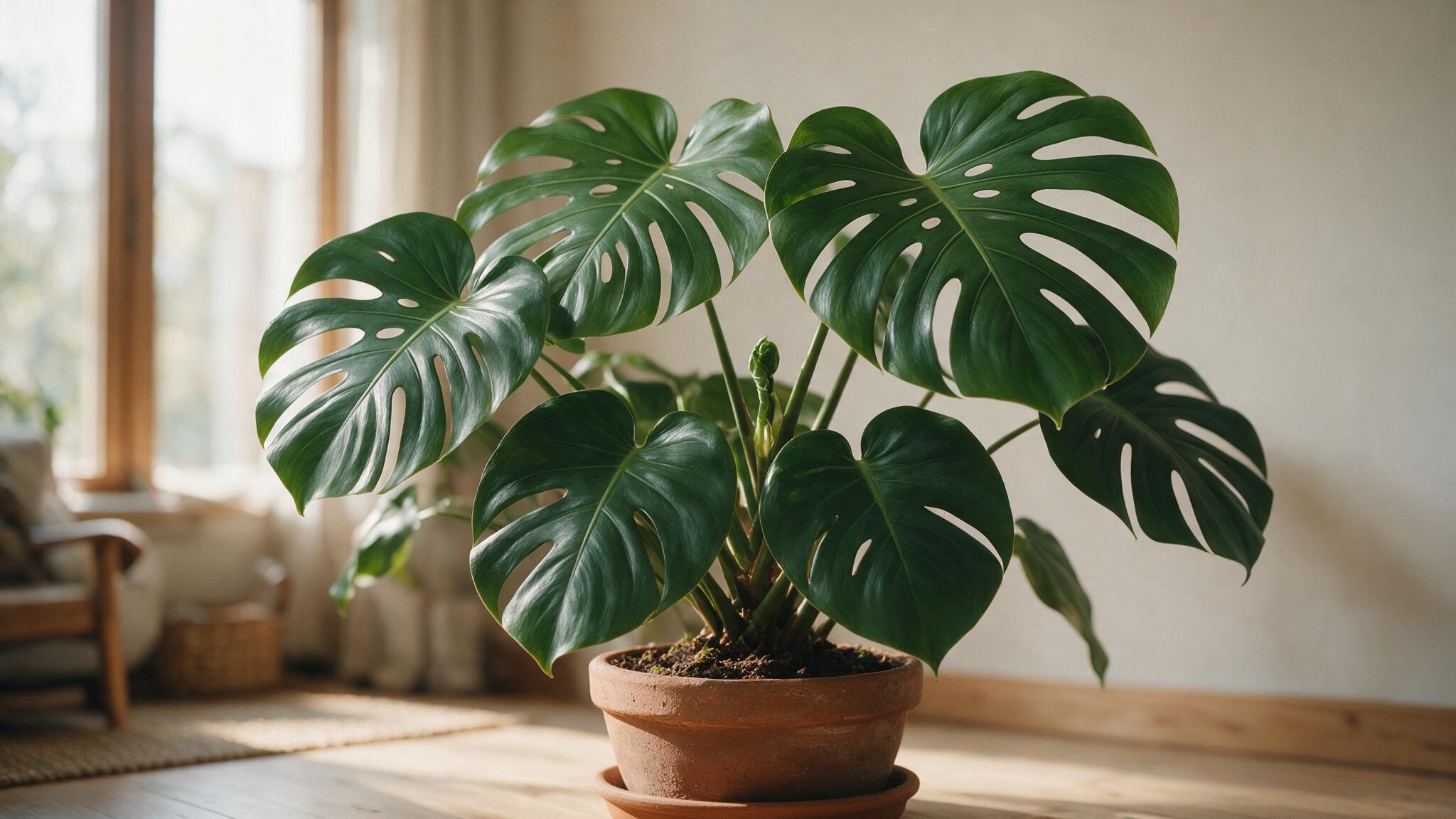
Few things are more frustrating than watching your monstera’s gorgeous, fenestrated leaves develop brown patches, crispy tips, or spreading discoloration. When something is wrong with your monstera, the first indicator usually shows up in the leaves, and one of the most common changes you’ll encounter is browning. The good news is that brown leaves are almost always a message you can decode — and once you know what your plant is telling you, fixing the problem is straightforward.
This guide walks you through every reason why monstera leaves turn brown, how to tell the causes apart, and exactly what to do about each one. Whether you’re a first-time plant parent or a seasoned collector, you’ll find practical answers here. If you’re still building out your indoor plant collection, our guide to the best houseplants for low-light areas is a great companion read.
What Does It Mean When Your Monstera Leaves Are Turning Brown?
Brown leaves on a monstera (Monstera deliciosa) are the plant’s way of signaling stress. The browning itself isn’t a disease — it’s a symptom. On monstera, brown areas can come from root rot, bacterial leaf spot, fungal spotting, sun scorch, fertilizer burn, or pest feeding, which is why color alone is a weak diagnostic tool.
The location and texture of the browning give you the most important clues. Brown tips that feel dry and papery point to a different problem than soft, dark brown patches in the middle of a leaf. The stronger clues are texture, location, speed of spread, and whether the damage is on old leaves, new leaves, leaf undersides, or roots.
Pay attention to where the browning starts. When the tips and edges of monstera leaves turn brown, it’s often a sign that the plant needs water. By contrast, dark brown spots or patches on the leaves likely mean the plant is getting too much water and experiencing root rot. Both look like “browning,” but the fixes are opposite.
Pro Tip: Before adjusting any care routine, take a photo of the browning pattern. Note whether the affected leaves are old or new, whether the soil is wet or dry, and whether the brown areas are crispy or soft. These three observations will cut your diagnosis time in half.
Is Brown Discoloration in Monstera Always a Sign of a Problem?
Not always. Some browning on a monstera is completely normal and doesn’t require any intervention. Understanding the difference between natural aging and a genuine care problem will save you a lot of unnecessary repotting and adjusting.
It’s a natural process for older leaves to yellow and eventually turn brown as your monstera matures. Lower leaves that have been shaded out by newer growth simply run their course. Regular pruning of older leaves can encourage the growth of fresh ones, but avoid excessive pruning to prevent stressing the plant.
Browning that appears on a single older leaf while new growth looks healthy is rarely cause for alarm. The concern starts when multiple leaves are affected at the same time, when new leaves emerge already brown, or when the browning spreads rapidly. If your plant’s new leaves are brown or black before they’ve even unfurled, your plant has most likely suffered from a serious soil moisture imbalance — either the soil has gone much too dry, or the plant has stayed wet for too long.
Watering Issues Causing Monstera Leaf Browning
Watering problems are the most common reason monstera leaves turn brown, and they break down into two distinct patterns that look similar but require opposite responses.
Overwatering and Root Rot
A common cause of root rot is overwatering. When roots are constantly wet, they lose access to air, the cells begin to die off, and root rot develops, causing monstera leaves to turn brown. Brown tips can be a telltale sign of overwatering, even though they’re often mistaken for underwatering. When the roots are damaged from too much water, they can’t send enough moisture to the leaves, causing the edges to turn brown.
An overwatered monstera looks “sick,” with wilting foliage that’s yellow with brown splotches, while the roots will be dark brown and mushy and will come off easily when pulled. On the extreme end, the biggest risk of overwatering is root rot, which can kill your plant if it’s not treated right away. Overwatering can also increase the risk of bacterial infections and attract certain insects like fungus gnats.
Underwatering
Crispy, light-brown spots are usually a sign of underwatering, though they could also mean your monstera needs more humidity. Prolonged over-drying of the root ball can lead to dehydration of the plant, and the leaves will begin to turn brown starting at the edge, then die off.
We all get too busy and sometimes neglect our plants. While brown tips won’t be caused by neglecting to water your monstera just one time, if you do it repeatedly, it can certainly start to happen. Monstera deliciosa is a pretty resilient plant, but it does not like to dry out completely, especially for long periods of time.
How to Water Your Monstera Correctly
When you water any plant, it should always be thorough. Regardless of whether you have a moisture-loving plant or a drought-tolerant succulent, you should always water thoroughly until water escapes the drainage hole. What you do need to vary is how dry you let your plant get in between watering — for Monstera deliciosa, allow the top quarter of the potting mix to dry out at most before watering again.
Also consider your tap water quality. Tap water with high chlorine or salt levels can cause brown tips. If this might be the case, try using filtered water or letting tap water sit out overnight before watering your plant, which allows some of the chemicals to evaporate.
Pro Tip: Use a wooden chopstick or a moisture meter to check soil moisture before every watering. Push it two inches into the soil — if it comes out with damp soil clinging to it, wait a few more days. This one habit prevents both overwatering and underwatering.
Light Conditions Behind Monstera Leaf Browning
Monstera plants like bright, indirect sunlight, which means the room your plant is in should be bright, but ensure it’s not placed directly opposite a window. Both too much and too little light cause browning, just in different ways.
Too Much Direct Sun
When a monstera is kept in strong, direct light, it has the effect of a magnifying glass on paper — the leaves will burn over time, which kills the chlorophyll in the foliage, causing it to go brown. Sunburn on monstera leaves shows up as bleached, papery patches that are usually on the side of the leaf facing the window. This damage is permanent — those patches won’t green up again.
If you find your monstera leaves beginning to burn, you need to either move the plant away from its location or cover the window with a blind or sticker that filters the light. An east-facing window in a US home is often ideal — your plant gets gentle morning sun without the harsh afternoon rays.
Too Little Light
If your monstera isn’t exposed to enough light, it won’t have enough to sustain itself. When this happens, the plant will run out of energy and the leaves will start to brown, starting at the edge and slowly spreading across it, causing the leaf to droop and eventually die.
Insufficient light is one of the top reasons for browning leaves in monsteras. Variegated monsteras need more light than their all-green counterparts due to the non-photosynthetic sections. If natural light is limited in your space, consider buying a grow light to put near your plant to supplement the energy it needs. You can also browse our list of best houseplants for low-light areas to find plants that are naturally better suited to dim rooms.
Soil, Nutrients, and Root Health Causing Monstera Leaf Browning
What’s happening below the soil surface has a direct impact on leaf color. Nutrient imbalances and root problems both show up as brown leaves, so it’s worth checking your potting mix and fertilizing habits.
Fertilizer Burn from Over-Fertilizing
Over-fertilizing your monstera can cause the leaves to turn brown. These spots will be a black-and-brown color and will appear all over the leaf. This browning happens when fertilizer in the soil burns the roots and kills them, stopping them from absorbing any water or nutrients.
To fix fertilizer burn, wash your soil out by watering it regularly over a few days to filter out the buildup of toxic chemicals. Make sure the pot is well-draining and that the soil is not left too wet. Avoid fertilizing your monstera for a few months after this.
Nutrient Deficiency
A lack of essential nutrients can lead to browning leaves. Feed your plant with a balanced, water-soluble houseplant fertilizer every two to four weeks during the growing season (spring through summer). Avoid over-fertilization to prevent leaf burn from salt buildup, and follow the manufacturer’s directions on the label for dilution ratios.
Root Rot and Poor Drainage
Root and stem rot causes leaves and stems to show noticeable wilt. Stems can become girdled at soil level by rotting tissue, and affected roots are brown or black with a soft, mushy texture that is easily pulled away from the plant.
According to the University of Connecticut Home Garden Education Office , correct watering procedures are essential to maintain a healthy root system. Drought stress can damage root tissue, leaving it vulnerable to disease, though overwatering is more often the cause of these issues in houseplants. Use a well-draining potting media and ensure plants do not sit in standing water.
If you suspect root rot, healthy roots are firm and white, while rotten roots are brown and mushy. Gently remove your monstera from its pot and check the roots. Trim away any brown, squishy parts with sterilized scissors, then repot your monstera in fresh, well-draining soil.
Pro Tip: When repotting after root rot, don’t jump to a much larger pot. According to the University of Connecticut, repot plants only when roots have reached the bottom and side of the pot, and incrementally increase pot size — monsteras are much more tolerant of being pot-bound than over-potted.
Environmental Stress Triggering Monstera Leaf Browning
Even with perfect watering and light, your monstera can develop brown leaves if the surrounding environment isn’t right. Temperature, humidity, and air circulation all play a role.
Low Humidity
Low humidity causes brown spots on a monstera leaf because, unlike other plant species, it takes in a lot of its water through the leaves. When there isn’t enough moisture in the air around the plant, it will dry out and turn brown. A leaf that has gone brown due to low humidity will also have a papery texture. The brown area will start at the tip of the leaf and run down the edges until the leaf wilts and dies.
Native to tropical rainforests, monsteras thrive in humidity levels of around 60%. Most US homes run well below that, especially in winter when heating systems dry out indoor air. Boost the humidity around your plant by using a humidifier or placing it on a tray of water-filled pebbles. However, avoid creating overly damp conditions that can invite fungal problems.
One common mistake: avoid misting the plant directly with a spray bottle because it does not affect ambient humidity much and it may cause new leaves to unfurl with browning. A humidifier is a more reliable and safer solution.
Temperature Extremes and Drafts
Monsteras prefer warm conditions between 65–85°F. Exposure to temperatures below 50°F can stress the plant, causing leaf discoloration. Keep your monstera away from cold drafts, air conditioners, or sudden temperature fluctuations. In the US, this means keeping your plant away from exterior doors, drafty windows, and HVAC vents — all common culprits in American homes during winter and summer.
Air Quality and Circulation
Stagnant air encourages fungal growth and can worsen pest problems. Make sure your monstera has good air circulation to lessen the risk of pests and disease. If your plant lives in a corner or a closed room, running a small fan on low for a few hours a day makes a noticeable difference.
Pests and Disease Leading to Monstera Leaf Browning
If your monstera’s care needs are met, brown spots are usually an indicator of disease or a pest infestation. Spider mites and aphids, along with other sap-sucking insects, are common monstera problems that cause the leaves to develop strange brown spots. Diseases such as bacterial leaf spot have the same effect.
Common Pests
The most common monstera pests indoors are thrips, spider mites, mealybugs, scale insects, and fungus gnats. Thrips and spider mites usually cause the fastest visible leaf damage, while mealybugs and scale are slower but stubborn.
- Spider mites: These extremely small arachnids can be difficult to spot without a magnifying loupe or hand lens. One of the first signs of a spider mite infestation is the presence of webbing that the mites will use to bridge gaps between plant parts. Spider mites use a piercing sucking mouthpart to drain chlorophyll from leaves, resulting in fine white spots called stippling. Mites can be washed off with water or insecticidal soap.
- Thrips: Thrips are small insects that suck moisture from a plant’s leaves, which causes discoloration, browning, and dehydration. Thrips damage often shows up as silvery or gray scarring, dull patches, tiny black specks, and distorted new leaves.
- Mealybugs: Mealybugs can be identified by their white, wax-covered bodies. Eggs are deposited in cottony white masses, often found in plant crevices. Mealybugs feed by sucking plant sap, which can result in yellowing, stunted growth, and in severe cases, plant death.
- Scale insects: Soft scale species are very common on houseplants. These insects can vary in color but are typically brown to beige and appear as small brown bumps on leaves and stems. Symptoms include stunted growth, yellowing, and honeydew leading to sooty mold.
- Fungus gnats: Fungus gnats often signal wet soil rather than being the main cause of leaf decline. They’re a warning sign that your watering schedule needs adjustment.
Common Diseases
Leaf spot is a blemish found on the leaves normally caused by a fungus. When there are a few spots on a leaf and they begin to grow, they will eventually join together and become a large blotch on the leaf, and eventually the whole leaf will turn brown and fall off.
If your plant has brown spots on the leaves surrounded by a yellow “halo” around the brown spot, this is a classic symptom of a fungus. Fungal infections are encouraged by excessively wet conditions for long periods of time, especially in conjunction with poor air circulation. If you have any fungal leaf spots on your plant, it is best to catch the issue early and remove any infected leaves. Keep the foliage dry for a while.
Pest Treatment Options
For most common pests, start with the least invasive approach. When you spot pests on the undersides of your monstera’s leaves, simply pick them off. Squish them between your fingers or toss them into a bowl of soapy water. Larger infestations call for neem oil or an alcohol solution — neem oil works well for aphids, while an alcohol solution kills off scale.
For a more thorough approach, mix neem oil with water and a few drops of dish soap and spray generously every seven to ten days as both a treatment and deterrent. Always isolate a pest-affected plant from your other houseplants immediately. For more on managing houseplants and pets together, see our guide on how to keep cats out of houseplants.
How to Diagnose Why Your Monstera Leaves Are Turning Brown
Diagnosing the cause of brown leaves is a process of elimination. Work through these checks in order rather than guessing and applying multiple fixes at once — identify the underlying cause first so you can treat the plant properly. Trying too many solutions at once will stress your monstera and lead to further damage.
| Brown Pattern | Likely Cause | Key Confirmation Clue |
|---|---|---|
| Crispy brown tips, dry texture | Underwatering or low humidity | Bone-dry soil, papery leaf edges |
| Soft, dark brown patches or spots | Overwatering / root rot | Soggy soil, mushy brown roots |
| Bleached, papery patches on one side | Direct sun / leaf scorch | Damage faces the window |
| Brown edges spreading inward | Low light or low humidity | Dim room, drooping leaves |
| Black-brown spots all over leaf | Fertilizer burn | Recent heavy feeding |
| Brown spots with yellow halo | Fungal disease | Spots spread, wet conditions |
| Stippled, speckled browning | Spider mites | Fine webbing on undersides |
| Silvery scarring, distorted new leaves | Thrips | Tiny black specks on leaves |
When in doubt, inspect in this order: the undersides of leaves, the newest unfurling growth, the leaf joints, the petioles, and the root zone. This systematic approach catches the most common problems quickly. You can also use a plant identification app or one of the best Android apps for identifying plants to help confirm what you’re seeing.
The best way to check soil moisture is with a moisture meter so you can get an accurate picture of what’s going on in the root ball. If you don’t have a moisture meter, you can also use a wooden stick like a chopstick or your finger to gauge the moisture level of the soil.
How to Fix a Monstera That Has Brown Leaves
Once you’ve identified the cause, here’s how to address each one. Work on one fix at a time and give your plant at least two to three weeks to respond before making additional changes.
Fixing Overwatering
- Stop watering immediately and let the soil dry out.
- Check drainage — make sure your monstera is in a pot with good drainage. If the pot doesn’t have a drainage hole, consider repotting into one that does. Overwatering is much less of an issue when excess water can easily escape.
- If root rot is present, gently pull the roots out of the container, inspect them, and if the roots are rotting, clean and wash off the dirt. Using a sterile and sharp instrument, remove all the rotten tissue.
- Repot into fresh, well-draining soil and don’t water for seven to ten days after planting.
Fixing Underwatering
- Water the monstera with plenty of water — the water should flow out through the drainage holes. Repeat the watering after a few minutes. This is necessary to allow the soil to soak well.
- Trim off leaves with more than 50% tissue damage.
- Thereafter, water the monstera when the dirt in the pot is 70–80% dry, but do not let it dry out completely.
Fixing Sun Scorch
Move the plant back from the window or filter the light with a sheer curtain. Scorched patches won’t recover, but new growth will come in healthy once the light is corrected. If you’re moving a plant that’s been indoors outdoors for the summer, you must harden your plants off or the leaves can burn.
Fixing Low Humidity
Place your monstera near a humidifier, set it on a pebble tray with water, or move it to a naturally humid room like a bathroom with a window. Try to keep indoor humidity levels to at least 50% so your plants are comfortable.
Trimming Brown Leaves
Tips that have turned brown will not turn green again. All you can do is clean up your plant and trim off the brown tips with scissors. You can trim off the brown spots if you don’t want to take the whole leaf, but be sure to cut inside the brown section or the leaf will still brown around the cut edge. Use clean, sharp scissors and wipe the blades with rubbing alcohol between cuts to avoid spreading any potential disease.
How to Prevent Monstera Leaf Browning Going Forward
Most causes of brown leaves are preventable with consistent, attentive care. Build these habits into your routine and you’ll rarely see browning that isn’t simply natural aging.
- Water by feel, not schedule. Avoid watering on a schedule — instead, check the moisture levels with your finger or a wooden stick. Only water your monstera when the soil is mostly dry, and err on the side of underwatering if you’re unsure.
- Check drainage every time you water. Make sure water flows freely from the drainage holes. If it pools on top or drains very slowly, your soil may be compacted and need refreshing.
- Maintain stable light. Keep your monstera in bright, indirect light year-round. In the US, north- or east-facing windows are often the safest bet. Avoid moving the plant frequently, as location changes cause temporary stress.
- Monitor humidity seasonally. Almost all houseplants benefit from a humidifier — it’s worth the investment. Use them throughout the winter months to keep your houseplant health optimal.
- Fertilize lightly during the growing season. Feed every two to four weeks in spring and summer with a diluted, balanced fertilizer. Skip fertilizing in fall and winter when growth slows.
- Inspect weekly for pests. University of Minnesota Extension specifically notes that houseplants should be inspected weekly because indoor conditions let insect populations build without much resistance. Check the undersides of leaves and the leaf joints each time you water.
- Quarantine new plants. When you bring a new plant home, keep it away from your other houseplants for a few days or even weeks to prevent the potential spread of pests. This will also give any eggs a chance to hatch so you can deal with the problem before it spreads.
- Use clean tools. Both fungal and bacterial diseases spread via splashing water or reused pruning tools. Remove affected leaves and disinfect tools promptly.
If you enjoy growing tropical statement plants, you might also like our guides on different types of rubber plants and types of ivy plants, both of which share similar care principles. For a broader look at what’s possible indoors, browse our overview of types of plants.
Key Insight: The single most effective prevention habit is checking your soil moisture before every watering rather than watering on a fixed schedule. More monsteras develop brown leaves from overwatering than from any other cause, and this one change eliminates the risk entirely.
FAQ
Can brown monstera leaves turn green again?
Tips or areas that have turned brown will not turn green again. Once leaf tissue dies, the damage is permanent. Your goal is to correct the underlying cause so that new leaves emerge healthy. You can trim the brown sections off to improve the plant’s appearance without harming it.
Why are my monstera leaves turning brown at the edges but not the tips?
Edge browning that spreads inward typically points to low light, low humidity, or the early stages of root rot from overwatering. As nutrients are cut off by root damage, the cells in the foliage begin to die and the leaves start to brown from the edges. Check your soil moisture and light conditions first before assuming it’s a pest problem.
Why are my monstera’s new leaves turning brown before they open?
If your plant’s new leaves are brown or black before they’ve even unfurled, your plant has most likely suffered from a serious soil moisture imbalance — either the soil has gone much too dry, or the plant has stayed wet for too long. Misting directly into a furling leaf can also trap moisture and cause rot, so avoid spraying directly into new growth.
How often should I water my monstera to prevent browning?
There’s no single answer because the right frequency depends on your pot size, soil mix, light level, and season. Always check the moisture of your monstera’s soil before watering and only water when the top two inches are dry. In most US homes, this works out to roughly every one to two weeks in summer and every two to three weeks in winter.
Can I save a monstera with severe root rot?
Yes, if healthy roots remain. If all of the root system is not black and mushy, you might be able to save your monstera by removing the affected roots, rinsing the healthy roots off under clean water, and repotting the plant in a new pot with fresh, well-draining soil. Depending on how many healthy roots are left, you may need to trim your plant to help give it a better shot at survival.
Is brown discoloration from pests different from care-related browning?
A useful rule of thumb: if you can wipe, magnify, trap, or physically find the cause, it’s often a pest problem. If the tissue looks infected and spreading without visible insects, think disease. Pest-related browning also tends to appear in irregular, scattered spots rather than the uniform edge or tip browning associated with watering or humidity issues. Always check the undersides of leaves with a magnifying glass if you’re unsure. For more on identifying plant issues, our guide to types of leaves can help you understand leaf anatomy and spot damage patterns more easily.