Succulent Leaves Falling Off: What It Means and How to Fix It

September 2, 2026
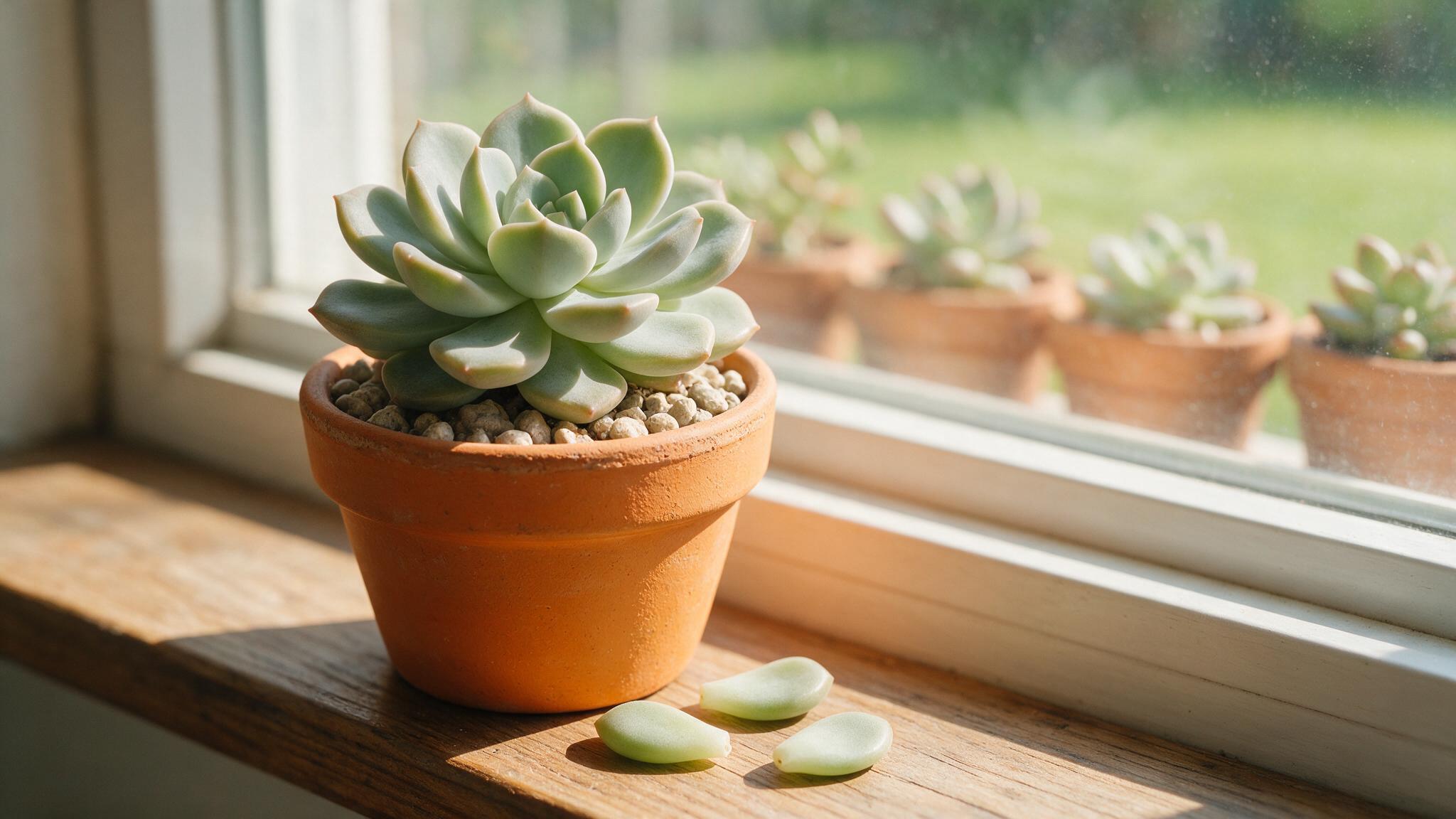
Watching your succulent drop leaves can feel alarming, especially when you thought these plants were nearly impossible to kill. The good news is that leaf drop is one of the most common succulent problems American growers encounter, and in most cases it is completely fixable with a few targeted adjustments to your care routine.
The tricky part is that succulents drop leaves for many different reasons — some natural, some serious — and the fix depends entirely on identifying the right cause. This guide walks you through every possible reason your succulent is losing leaves, how to tell them apart, and exactly what to do about each one.
What Does It Mean When Your Succulent Is Losing Leaves?
Leaf drop in succulents is the plant’s way of communicating that something in its environment has changed or gone wrong. Because such a wide range of plants are classified as succulents, the reason for leaf loss can also vary — but one thing is certain: your succulent is trying to tell you something is wrong.
The message could be something simple, like natural aging, or something more urgent, like root rot. The most common causes you will encounter are related to your watering routine, light exposure, surrounding temperature, and how much you are feeding your plant. Understanding which signal your plant is sending is the first step toward solving the problem.
Pay close attention to where the leaves are falling from and what they look and feel like. Bottom leaves dropping off a mature plant tell a very different story than new growth near the top of the rosette suddenly collapsing.
Is Leaf Drop in Succulents Always a Sign of a Problem?
No — and this is one of the most important things to understand before you start changing your care routine. Succulents naturally drop older leaves to make way for newer ones. If you notice crispy leaves drying out from the bottom of the plant, this is a natural process and no cause for alarm.
Most succulents, particularly rosette types, grow new leaves from the center as the oldest leaves near the bottom of the stem start to become wrinkly and crispy. This is healthy growth, not a distress signal. You can simply tug those dry bottom leaves off and discard them.
The situation becomes a problem when leaves fall from the upper or middle portions of the plant, when they fall in large numbers at once, or when the falling leaves are soft, mushy, or discolored rather than dry and papery. While leaf drop is typical for older leaves near the bottom and outer edge, new leaves falling off or leaves falling in mass means it is time to put your detective hat on.
Pro Tip: Before changing anything about your care routine, pinch one of the fallen leaves between your fingers. A dry, papery leaf signals natural aging. A soft, mushy, or translucent leaf points to a watering problem that needs attention right away.
Watering Issues Causing Succulent Leaf Drop
The most common reason for succulent leaf drop is improper watering, typically overwatering. Because succulents are so associated with drought tolerance, many growers in the United States make the opposite mistake of watering them on the same schedule as their tropical houseplants — which is far too often.
Signs of Overwatering
Succulent leaves and stems are like water balloons that can only hold a certain amount of moisture. When overwatered, these cells burst and the cell structures are severely damaged, resulting in rotting leaves and roots. The leaves will start to look translucent, discolor to yellow, feel soggy to the touch, and fall off easily.
If your plant’s leaves are starting to look yellow and transparent and feel soggy or mushy to the touch, it has likely suffered from overwatering. An early sign of overwatering is that leaves will start to fall off with just a slight bump. If you also notice black spots on the stem, the situation is becoming severe.
Signs of Underwatering
Underwatered succulents typically show wrinkled, dry leaves that feel papery to the touch. The leaves may also appear shriveled before falling off. This is easy to confuse with overwatering because both conditions can make leaves feel soft — but the texture is different.
Overwatered succulents have soft, mushy, translucent leaves that fall off at the slightest touch. Underwatered succulents have soft, shriveled or wrinkled leaves that feel deflated rather than firm. Checking the soil moisture alongside the leaf texture is the most reliable way to tell them apart.
A case of overwatering will cause the succulent to drop almost all of its leaves, while an underwatered succulent only drops the lower, dried-up leaves. This distinction alone can save you from misdiagnosing and making the problem worse.
The Right Watering Method
Succulents like to have their soil soaked and then dry out completely before watering again. Soak the soil and then let it dry completely. You should wait until the soil is nearly dry and then water very thoroughly. A simple chopstick test works well: insert a chopstick into the soil and if it comes out with moisture on it, as indicated by a darker color, the plant does not yet need to be watered.
Also make sure your pot has drainage holes. Containers for succulents should always be made of porous, breathable material such as terra-cotta or hypertufa, and they should always have plenty of drainage holes. In winter, cut back significantly — tender succulents only need to be watered every one to two months since they are in dormancy.
Light Conditions Behind Succulent Leaf Drop
Light is the second most common driver of leaf loss in succulents, and it works in both directions — too little and too much can both cause problems.
Too Little Light
Tall, spindly, lanky new growth that is pale in color is an indication that light levels are too low. Succulents with rosette growth forms often open up and leaves flatten out in an effort to collect more light. This process is called etiolation, and it weakens the plant over time.
When grown indoors, succulents need abundant bright, indirect light. Ideally, plants receive ten or more hours of light a day. If a bright enough location cannot be found by a window, provide supplemental light using high-output, full-spectrum fluorescent or LED grow lights. Set plants within 12 inches of the light source and put lights on a timer for 12 to 16 hours a day.
Check out our guide to the best houseplants for low-light areas if you are working with a particularly dim room — succulents generally need more light than most people expect.
Too Much or Sudden Light
Brown or tan patches that form on leaves, especially on interior leaves or new growth, are common symptoms of sun scald. The primary cause is when succulents are exposed to low light levels for a period and then suddenly transitioned to bright or direct sunlight.
If you have had your plant oriented in one way toward the sun for a long time and then suddenly turn it, this is often enough stress to cause leaf drop. Likewise, if you move the plant from a relatively low-lit area to a very highly-lit area, leaf loss may occur. Always transition your succulent to new light conditions gradually. Start with around three hours of sun exposure a day to prevent burning, then increase to around six hours after a couple of weeks.
For indoor growers, a south-facing windowsill will usually provide enough light, but if you notice signs of sunburn — brown or black spots on the leaves — move the plant somewhere the light is not quite as direct.
Soil, Nutrients, and Root Health Causing Succulent Leaf Drop
Even with perfect watering habits, the wrong soil or a stressed root system can cause leaf drop that looks identical to a watering problem.
Poor Drainage and Root Rot
Poor soil drainage and high humidity levels create conditions that encourage root rot, leading to leaf drop. Root rot typically develops from too much water in the soil. Oxygen levels in waterlogged soil are lower, causing roots to die. With fewer roots to absorb water, plants begin to show symptoms of water stress by dropping leaves or shriveling up. These symptoms are often confused for underwatering, and more water is added, further worsening the problem.
Check for root rot by gently lifting the plant from the pot. If the soil is super moist and the roots have gone mushy or have an odor, your plant is being overwatered and you will need to clean up the roots. Fast-draining cactus or succulent-specific soil mixtures help prevent water retention issues that commonly lead to leaf drop.
You can find detailed planting guidance in our article on how to plant succulents, including which soil mixes and pot types work best.
Overfertilization
Overfertilization will cause succulents to start dropping leaves. It also decreases growth, burns the root system, and weakens the plant, making it vulnerable to pests and diseases. Signs of over-fertilization include white powdery crystals forming on the surface of the potting soil, leaves turning an abnormal yellow, becoming soft, or the plant growing excessively with thin, elongated stems.
If you see white crust on the soil surface, remove it carefully — it is excess salt from the fertilizer, which can harm the plant if ignored. You can also water the succulent to flush excess fertilizer from the soil. Do this once or twice and allow the water to drain out in between. Going forward, only feed your succulents once a month when they are actively growing.
Being Rootbound
Check whether the plant is overgrown. If plenty of visible roots have taken on the container’s shape, it may be time to repot the succulent into a bigger container or propagate it. A rootbound plant cannot absorb water or nutrients efficiently, which stresses the foliage.
Environmental Stress Triggering Succulent Leaf Drop
Succulents are more sensitive to environmental changes than their tough reputation suggests. Sudden shifts in temperature, humidity, or location are a frequent cause of leaf drop — especially for newly purchased plants brought home from a garden center.
Succulents are particularly sensitive to variations in their environmental conditions. Most succulents thrive optimally within a temperature range of 41°F to 77°F (5°C to 25°C). They may exhibit leaf drop when temperatures deviate too significantly from this range.
Environmental stress factors like sudden temperature changes or relocating the plant can trigger leaf drop as a defensive response. The plant redirects energy to essential growth points during periods of stress. This is especially common in winter near drafty windows or air conditioning vents in summer.
During periods of intense heat or drought, succulents respond by dropping their leaves to help conserve energy and maintain their water supply. While this is a normal response in nature, there are steps you can take to minimize stress in your plant. Move the plant to a shadier location during a heatwave and increase watering slightly when the top inch of soil feels dry.
Pro Tip: If you just brought a new succulent home and it starts dropping leaves within the first week or two, this is almost always transplant or relocation stress. Give it two to three weeks in a stable spot before making any care changes.
Pests and Disease Leading to Succulent Leaf Drop
Although most problems with succulents grown as houseplants are bacterial or fungal diseases caused by overwatering, they do get the occasional insect pest. The most common pests are scale, mealybugs, and root mealybugs. Less common pests include spider mites and fungus gnats.
Mealybugs
An early sign your plants have mealybugs is the white cottony substance you see on your plants. You will likely spot this white fluff before you spot the bugs themselves. These insects secrete honeydew, a sugary substance that can promote the growth of mold and make the plant more susceptible to bacterial and fungal infections. You can usually spot them on the leaves, the underside of leaves, and between the joints of the plant.
To treat mealybugs, use a cotton swab or Q-tip dipped in rubbing alcohol and apply it directly on the bugs and anywhere you see the white cottony substance. Your plant will not be harmed while killing the bugs with this method. Isolate the affected plant right away to prevent the infestation from spreading.
Spider Mites
Spider mites sap the life of succulents by sucking the plant’s juices. Signs of spider mites include spider-like webbing and small brown dots on new growth. Spider mites especially love the hot, dusty conditions found across much of the United States, making them a common problem for indoor and outdoor gardeners.
To check for them, use a magnifying glass to inspect your succulent for tiny mites and their webbing, especially on the undersides of leaves. Treatment options include insecticidal soap or neem oil to control populations, or spraying infested plants with water to wash off the bugs.
Fungal Diseases
Leaf spot diseases are fungal infections that manifest as blemishes, spots, or lesions on the foliage. These diseases thrive in warm, humid conditions and are often made worse by overhead watering or high humidity. Leaf spot diseases can weaken succulents by reducing photosynthetic efficiency and compromising leaf integrity.
Root rot is a fungal disease that can be caused by overwatering or poor drainage. It can cause the roots of the succulent to rot, leading to wilting, yellowing, and decay. To treat root rot, remove the plant from the soil and cut off any affected roots, then repot in fresh, well-draining soil and reduce watering to prevent further damage.
How to Diagnose Why Your Succulent Is Losing Leaves
Diagnosing the cause of leaf drop takes just a few minutes of careful observation. Work through these checks in order before deciding on a fix.
- Check leaf location and texture. Dry, papery leaves only at the bottom of the plant? That is natural aging. Soft, mushy, or translucent leaves anywhere on the plant? That points to overwatering. Wrinkled, deflated leaves? That suggests underwatering.
- Check the soil. Plunge your finger into the soil. If the soil is bone dry and the leaves seem soft, it is underwatering. If the soil is rather wet, it is overwatering.
- Check the roots. If the roots are dark and shriveled, this is a sign of rot from overwatering. Healthy roots are white or light tan and firm.
- Check for pests. Look closely at leaf joints, undersides, and the base of the stem for white cottony masses (mealybugs), tiny webbing (spider mites), or brown bumps (scale).
- Consider recent changes. Sudden changes in the growth environment of succulents can lead to leaf loss. This often occurs with newly purchased succulents or when potted succulents are relocated to a different living space.
- Review your fertilizer history. After fertilizing, look for signs of over-fertilization: white powdery crystals on the soil surface, leaves turning abnormal yellow, becoming soft, or the plant growing excessively with thin, elongated stems. If leaves fall off when touched, that is another sign.
If you want help identifying your specific succulent variety before diagnosing, the best iPhone apps for identifying plants and the best Android apps for identifying plants can help you confirm what you are working with — since care needs do vary by species.
How to Fix a Succulent That Is Losing Leaves
Once you have identified the cause, the fix is usually straightforward. Here is what to do for each scenario.
Fix Overwatering
Stop watering until the soil in the entire pot is completely dry. This should take about a week or a week and a half. Once the soil is dry, water the soil until you see water escape from the drainage hole. Then wait to water again until the soil is dry.
If root rot has set in, cut off the top of your plant, trim away any black spots, give the cutting three to five days to dry out, then propagate it in new soil. Cut off the succulent above the rot, allow the cutting to dry for a few days, then replant it in fresh soil.
Fix Underwatering
Water thoroughly. Give the pot a full soak, adding water until it drains freely from the base, and allow the plant to drink. Recovery usually takes one to two days. The leaves should plump up noticeably once the plant has rehydrated.
Fix Light Problems
For low-light issues, move your plant to a brighter spot or add a grow light set 12 inches above the plant for 12–16 hours per day. For sunburn, move the plant out of direct afternoon sun and let it recover — the dead areas burned by bright light will not recover, and leaves with sun scald will eventually drop, but new healthy growth will replace them.
Fix Pest Infestations
When dealing with pest problems, the first step is to isolate the affected succulent plants from others. After rinsing the plants, dilute neem oil with warm water and spray it on the plants. This solution can effectively alleviate the issue and help prevent further leaf drop. For mealybugs specifically, rubbing alcohol on a cotton swab applied directly to the insects works well. It will take a few treatments to get rid of the problem — repeat the treatment about once a week or as needed until it is resolved.
Salvage Leaves for Propagation
Healthy fallen leaves can be used for propagation, creating new plants while the parent plant recovers. Once a leaf is dropped from a succulent, a new one will not grow in its exact place. Succulents can only grow leaves from their head. But offshoots or another head will appear to fill out the bald spots on the stem over time.
How to Prevent Succulent Leaf Drop Going Forward
Most leaf drop is preventable with consistent, informed care. These habits will keep your plant stable long-term.
- Use the soak-and-dry method. Treat your succulents to deep watering using the soak-and-dry method occasionally rather than frequent light sprays. Never water on a fixed calendar schedule — always check the soil first.
- Choose the right soil and pot. Using well-draining soil is essential to succulent health. To help improve drainage, you can add gravel to the mix so that excess moisture can easily trickle out.
- Acclimate to new light gradually. Transition succulents to new light conditions slowly to avoid sun scald damage. Whether moving indoors to outdoors or shifting to a sunnier window, do it over two to three weeks.
- Fertilize sparingly. Feed succulents with a balanced, water-soluble fertilizer once every four to six weeks during the growing season. Over-fertilization can contribute to leaf drop.
- Inspect regularly for pests. Inspect your plants regularly for signs of pests or disease, and treat promptly if necessary. Early detection prevents small problems from becoming plant-threatening ones.
- Avoid cold drafts and heating vents. Keep succulents away from air conditioning vents in summer and cold windows in winter. Stable temperatures between 60°F and 80°F suit most common varieties grown in US homes.
- Remove dead leaves promptly. Pull off any dead leaves from the plant or remove dead leaves that have fallen off into the soil to prevent insects and bugs from hiding in there.
Key Insight: Leaf drop prevention comes down to one core principle — consistency. Succulents tolerate neglect far better than they tolerate frequent changes to their watering, light, or location. Pick a stable spot, adopt a soil-based watering trigger, and your plant will reward you with steady growth.
If you enjoy growing low-maintenance plants, you might also be interested in drought-tolerant plants or exploring the wide variety of types of plants that thrive with similar minimal-water care approaches. For aloe growers, our guide to different types of aloe vera plants covers species-specific care that can help you prevent the same leaf-drop issues in close succulent relatives.
Frequently Asked Questions
Why Are My Succulent Leaves Falling Off When I Touch Them?
If your succulent begins to drop its leaves very easily, even from just a slight sway or touch, it is likely swelling up with water from overwatering. Stop watering immediately and let the soil dry out completely. If the leaves feel dry and papery rather than mushy when they fall, the plant may simply be naturally shedding older growth — or it could be a touch-sensitive variety like Burro’s tail (Sedum morganianum), which is naturally prone to leaf drop at the slightest touch, with healthy, fleshy leaves that can be knocked off their stem very easily.
Should I Remove Fallen Succulent Leaves?
Gently remove any leaves that are clearly dead or falling off to prevent potential fungal issues. Clean removal helps maintain plant health and appearance. If the fallen leaves look healthy and intact, set them on top of dry succulent soil — they may propagate into new plants on their own.
Will My Succulent Grow Back Leaves It Has Lost?
Once the leaves of succulents fall off, new leaves will not grow back from the exact location. The potential for the succulent to develop new buds depends on the condition of the exposed stems and the health of the root system. If the stem and roots are healthy, the plant will continue producing new leaves from its growing tip and may send out offsets to fill in bare areas over time.
Why Are Only the Bottom Leaves of My Succulent Falling Off?
It is natural for older bottom leaves to gradually dry up and fall off as part of the plant’s normal growth cycle. As your plant grows, it creates new leaves while the older ones die. If you are seeing a few dry, crispy leaves at the bottom of the plant — and only at the bottom — there is no need to worry.
How Do I Know If My Succulent Has Root Rot?
Gently lift the plant from the pot to check the roots. If the soil is super moist and the roots have gone mushy or have an odor, your plant is being overwatered and root rot has set in. To treat root rot, remove the plant from the soil, cut off any affected roots, repot in fresh well-draining soil, and reduce watering to prevent further damage.
Can I Save a Succulent That Has Lost Most of Its Leaves?
It might be alarming to find fallen leaves around your succulent, but they can always be saved with just small adjustments in care. Even in severe cases, cutting a few surviving healthy leaves from the base or stem, letting the ends dry for five to seven days, and planting them in a shallow pot with succulent soil mix can give you a fresh start. Water regularly for roots to grow, making sure there is good drainage throughout.