Why Is My Succulent Turning Yellow? Causes, Diagnosis, and Fixes

August 24, 2026
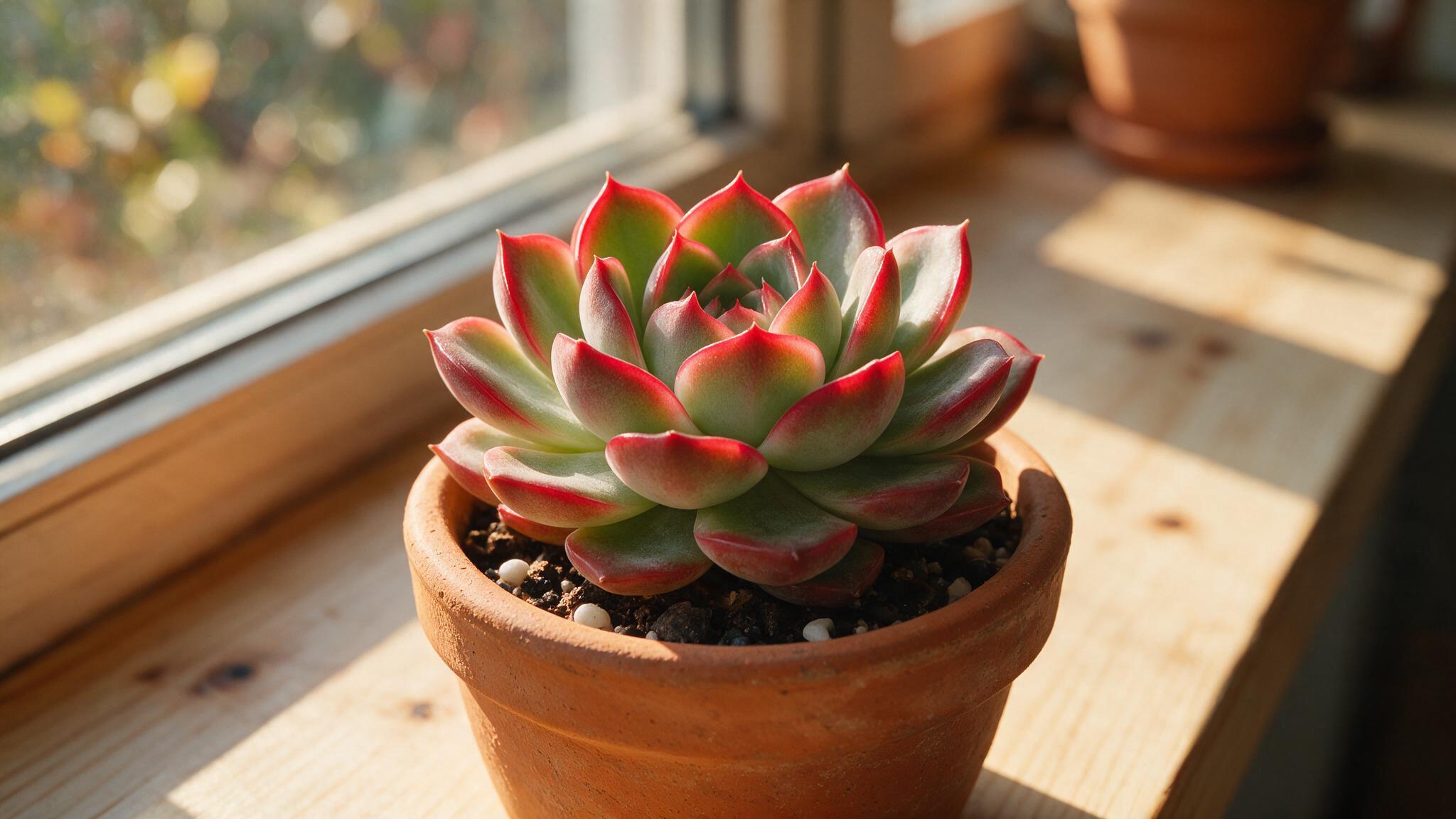
You walk past your succulent, glance down, and something looks off. The leaves that used to be plump and richly green are now soft, pale, or outright yellow. It is one of the most common concerns among succulent owners in the United States, and the frustrating part is that yellowing can mean several very different things — some serious, some completely normal.
The good news is that most cases of yellowing are fixable once you know what you are actually looking at. This guide walks you through every cause, how to tell them apart, and exactly what to do for each one — so you can stop guessing and start helping your plant recover.
What Does It Mean When Your Succulent Is Turning Yellow?
Yellowing leaves are your succulent’s way of signaling that something in its environment is off. Yellowing leaves are the first sign that your plant is stressed out. The stress can come from too much water, too little light, nutrient depletion, temperature swings, or pest activity — and each cause produces a slightly different pattern of yellowing.
Succulents store water in their thick leaves and stems. Most of these plants are naturally green, some with variegated leaves and occasionally other colors mixed with green. When that green fades to yellow, it usually means something is interfering with the plant’s ability to photosynthesize or absorb nutrients normally.
The key to understanding what is happening is not just the color itself — it is the texture of the affected leaves, their location on the plant, and whether the yellowing appeared gradually or suddenly. All of those details point toward a specific cause, and that is where the real diagnosis begins. If you are just getting started with succulents, our guide on how to plant succulents covers the foundational care steps that prevent most of these problems from developing in the first place.
Is Yellowing in Succulents Always a Sign of a Problem?
Not always — and knowing the difference between normal and problematic yellowing will save you a lot of unnecessary worry. Lower leaves on many succulents, especially those with a rosette growth habit, will occasionally dry completely and fall off. If the plant is otherwise healthy and growing well, a dried-up lower leaf or two is nothing to cause concern.
Lower leaves naturally wither and die as the plant grows and produces new leaves from the center. Dead leaves can be easily pulled off, or they drop off on their own. This is simply the plant cycling out its oldest growth to make room for new leaves emerging from the crown.
The pattern that should get your attention is yellowing that moves upward from the base into healthy mid-plant leaves, spreads across many leaves at once, or comes with a change in texture. Yellow plus soft and translucent points to overwatering. Yellow plus dry and crispy points to underwatering or, if it is only the oldest bottom leaves, normal aging. A uniform pale, washed-out yellow across the whole plant usually means too little light or, less often, a nutrient deficiency.
Pro Tip: Before doing anything else, gently squeeze one of the yellow leaves between two fingers. Soft and mushy means too much water. Thin and papery means too little. That single texture test narrows down the cause in seconds.
Watering Issues Causing Succulent Yellowing
Water problems are responsible for the overwhelming majority of yellow succulents. About 80% of yellow succulents are overwatered, but the remaining 20% are easy to misdiagnose — and treating an underwatered plant like an overwatered one will kill it just as fast. Getting this distinction right is the most important step in the entire diagnosis process.
Overwatering
Overwatering is the most common cause of yellowing leaves on a succulent plant. Constantly wet soil can rot the roots, interfering with the plant’s ability to take up water and nutrients from the soil. This interrupts photosynthesis, or energy production, in the plant’s leaves and other above-ground parts, and its green color fades to yellow.
Yellow leaves that feel soft, squishy, or translucent are the classic signature of overwatering. The roots have absorbed more water than the leaves can store, the cells swell until their walls rupture, and the leaf turns to mush. Stop watering immediately and check the stem and roots for rot, because this stage often precedes fatal root and stem rot.
If caught early, two to four weeks of dry conditions and the plant stabilizes. If root rot has set in, recovery takes six to twelve weeks with rescue surgery and propagation — sometimes the original plant is lost. Check the soil before every watering: if it feels wet, overwatering is likely the cause.
Underwatering
Underwatering produces a different kind of yellowing. When underwatered, leaves often turn yellow, shrivel, and brown before dropping off. Stems and leaves may become wrinkled and mottled. The texture here is dry and papery rather than soft — a crucial distinction.
Underwatering happens when the plant does not get sufficient water for a prolonged time. This causes the succulent to conserve energy and resources by shedding its older, lower leaves first. The lack of water makes the leaves lose chlorophyll and turn yellow before falling off.
It is true that succulents are drought-tolerant, but “tolerant” does not mean they need zero water. Indoors, in low humidity, with terracotta pots, and during fast summer growth, plants can dehydrate within three to four weeks if completely ignored. A simple chopstick test helps: insert a chopstick into the soil and if it comes out with moisture on it, as indicated by a darker color, then the plant does not yet need to be irrigated.
Root Rot
Root rot typically develops from too much water in the soil. Oxygen levels in waterlogged soil are lower, causing roots to die. With fewer roots to absorb water, plants begin to show symptoms of water stress by dropping leaves or shriveling up.
These symptoms are often confused for underwatering, and more water is added, further worsening the problem. If you unpot your succulent and smell something foul, or see brown, mushy roots, root rot has set in. Remove it from its damp soil and inspect the roots for signs of rot, which appear brown and mushy. Trim away any affected roots using clean, sterilized scissors or pruning shears.
Light Conditions Behind Succulent Yellowing
Light is the second most common driver of yellowing, and it works in both directions — too little and too much can both cause problems, though they look different on the plant.
Too Little Light
Low light levels can cause succulents to stretch and produce lanky new growth. Tall, spindly, lanky new growth that is pale in color is an indication that light levels are too low. Those succulents with rosette growth forms often open up and leaves flatten out in an effort to collect more light.
Too little light and your succulent is not able to properly metabolize the water in the soil — which means even a correct watering schedule can lead to yellowing if the plant cannot process moisture fast enough. When grown indoors, succulents need abundant bright, indirect light. Ideally, plants receive ten or more hours of light a day.
If a bright enough location cannot be found by a window, provide supplemental light using high-output, full-spectrum fluorescent or LED grow lights. Set plants within 12 inches of the light source and put lights on a timer to turn on for 12 to 16 hours a day. For a deeper look at which spots in your home work best, see our roundup of the best houseplants for low-light areas — including which succulents hold up better than others in dimmer rooms.
Too Much Direct Sun
Brown or tan patches that form on leaves and stems, especially on new growth, are common symptoms of sun scald. The primary cause is when succulents are exposed for a length of time to low light levels and then suddenly transitioned to bright or direct sunlight.
Strong light in the middle of the day in summer can burn succulent leaves, causing them to develop yellow-brown spots or turn yellow at the edges. The yellowed leaves are mostly on the side facing the sun, with obvious scorching marks. The fix is gradual acclimation: transition succulents to new light conditions slowly to avoid damage in the future.
Pro Tip: Moving a succulent from a shaded shelf directly to a sunny south-facing windowsill in summer is one of the fastest ways to cause sunburn yellowing. Shift it to brighter spots over two to three weeks instead.
Soil, Nutrients, and Root Health Causing Succulent Yellowing
Even when watering and light are dialed in, the soil itself can be the source of your succulent’s yellowing. Poor drainage, compaction, and nutrient depletion all create conditions where the plant cannot thrive.
Wrong Soil Mix and Poor Drainage
If soil is too organic or fine-textured, it will hold too much water. Repot with sharp-draining soil. Standard potting mix holds far more moisture than succulents need. A dedicated cactus and succulent blend — or a mix of potting soil cut with coarse perlite — drains quickly enough to prevent the roots from sitting in moisture after watering.
Potting soil that is not replaced for a long time will become hard, with poor permeability. The root system cannot stretch, cannot absorb enough oxygen and nutrients, and the leaves will slowly turn yellow. If water pools on the surface for more than a few seconds before absorbing, that is a sign the soil has compacted and needs refreshing.
Nutrient Deficiency
Leaves can turn yellow from lack of nutrients. Most commercial succulent potting soils come with added compost or fertilizer in the mix. The plants can feed on those nutrients for quite some time. Eventually these nutrients are flushed out of the soil from constant watering and need to be added back in.
If your plant has been in the same pot and has not been repotted for over two years or longer, the potting mix may be depleted of nutrients. If this is the case, the leaves will sometimes turn yellow or discolor and also start appearing misshapen. Repotting into fresh mix or applying a diluted, balanced fertilizer at half strength once in spring and once in early summer is usually enough to correct this. Note that nutrient deficiency is genuinely rare in succulents, because they are adapted to lean, poor soils — so rule out watering and light issues first.
Fertilizer Burn
High concentrations of fertilizer can burn the root system, causing the tips of the leaves to turn yellow or even scorch black, often starting with the new leaves. If you have recently applied fertilizer, the new leaves will turn yellow first, and the leaves will have scorched spots. Rinse the potting soil thoroughly with water to dilute the concentration of fertilizer, and change the soil if the problem is serious.
Environmental Stress Triggering Succulent Yellowing
Temperature extremes and sudden environmental changes are often overlooked causes of yellowing, especially for succulents kept near air conditioning vents, drafty windows, or on outdoor patios in the US South and Southwest during summer heat spikes.
Prolonged temperatures below 45°F can cause cold damage. If this happens, bring your plant to room temperature away from any drafts. Cold damage typically appears as soft, translucent yellowing that looks deceptively similar to overwatering — the difference is timing. If the yellowing appeared right after a cold snap or a night near a drafty window, temperature is the likely culprit.
Leaves can also fall off during extreme heat. During periods of intense heat or drought, succulents respond by dropping their leaves to help conserve energy and maintain their water supply. While this is a normal response in nature, there are steps you can take to minimize stress in your plant. Move the plant to a shadier location away from intense, full sun during a heatwave or drought. The plant may also need to be watered more often during these conditions.
Sudden relocation stress — moving a plant from one room to another, bringing an outdoor plant inside for winter, or placing a newly purchased succulent in a very different environment from the nursery — can also trigger temporary yellowing as the plant adjusts. Give it two to three weeks before assuming something is wrong. You can also use one of the best iPhone apps for identifying plants to confirm your succulent’s species and look up its specific temperature tolerances.
Pests and Disease Leading to Succulent Yellowing
Although most problems associated with cacti and succulents grown as houseplants are bacterial or fungal diseases caused by overwatering, they do get the occasional insect pest. The most common pests are scale, mealybugs, and root mealybugs. Less common pests include spider mites and fungus gnats.
A succulent infested with pests might develop yellow leaves, a sign of general distress. For example, mealybugs, which form a cottony covering on leaves, or spider mites, tiny insects that can cause yellow spots as they feed, could cause the problem. Pests like mealybugs, aphids, and spider mites commonly attack succulents and damage their leaves while feeding on sap. They leave behind yellow spots or a yellow halo on leaves as they feed. A major infestation can spread quickly, stunt growth, and result in leaf drop. Common signs of pests are tiny white blobs, sticky residue, or webbing on plants.
Fungus gnats are small black flies that can often be seen hovering around the soil of potted plants, including succulents. They are attracted to moist soil and organic matter, and their larvae feed on the roots of the succulents, which can cause damage and make them more susceptible to other diseases. If you spot tiny flies around your plant, overwatering is almost always the underlying cause — fix the moisture first and the gnats will follow.
For treatment, you can remove mealybugs by dabbing them with a cotton swab dipped in rubbing alcohol. As another treatment, you can also use a mixture of dish soap and water to suffocate them. For spider mites, a ready-to-use insecticidal soap spray works well. Succulents have relatively few pest and disease issues. Scout plants frequently to catch problems early and treat them before they become severe.
How to Diagnose Why Your Succulent Is Turning Yellow
Working through a quick, systematic check takes less than two minutes and will point you toward the right fix. Start with the leaves, then check the soil, then look at the plant’s environment.
Step 1 — Check leaf texture and location. Translucent, soft, and mushy leaves are waterlogged tissue — the most urgent diagnosis, indicating overwatering on its way to rot. Dry and crispy leaves that feel thin and papery: if confined to the oldest bottom leaves, it is harmless aging; if plant-wide, it is underwatering.
Step 2 — Check the soil. Check the moisture in the soil and pot with your fingers. If it is wet or there is too much moisture, you can be certain that overwatering is the issue. If the soil is bone dry and has pulled away from the pot edges, underwatering is likely.
Step 3 — Look at where the yellowing is concentrated. Where are the yellow leaves? Bottom leaves point to water issues; top leaves point to sun. Are they mushy or crispy? Mushy means too much water; crispy means too little.
Step 4 — Check for pests. Turn the leaves over and inspect the stem base and soil surface. Look for white cottony clusters (mealybugs), fine webbing (spider mites), or tiny flies hovering around the soil (fungus gnats).
Step 5 — Consider recent changes. Did you move the plant, change your watering frequency, fertilize recently, or experience a cold snap? Timing clues often reveal the cause faster than anything else. You can also use one of the best Android apps for identifying plants to scan your succulent and get species-specific care guidance.
| Symptom | Texture | Location | Most Likely Cause |
|---|---|---|---|
| Yellow + mushy + translucent | Soft, squishy | Bottom to mid-plant | Overwatering / root rot |
| Yellow + dry + papery | Thin, wrinkled | Bottom leaves first | Underwatering or normal aging |
| Pale, washed-out yellow | Firm but dull | Whole plant | Too little light |
| Yellow-brown patches | Dry, firm | Sun-facing side | Sunburn / too much direct light |
| Yellow spots or halo | Firm with bite marks | Random leaves | Pests (mealybugs, spider mites) |
| Uniform pale yellow | Firm, slightly limp | New growth first | Nutrient deficiency or fertilizer burn |
How to Fix a Succulent That Is Turning Yellow
The fix depends entirely on the cause, so use the diagnosis table above before taking action. Here is what to do for each scenario.
For overwatering: Stop watering immediately. No water for at least 10 to 14 days. If root rot is present, remove the plant from its damp soil, inspect the roots for brown mushy rot, trim away affected roots using clean sterilized scissors, allow the plant to dry out in a well-ventilated area for a few days, then repot in fresh, well-draining soil.
For underwatering: Give your plant a thorough watering. Keep in mind that most succulents like a good watering until excess water drips out of the holes of the pot. Wait until the soil dries before watering again.
For low light: Move the plant to a brighter spot gradually. If a bright enough location cannot be found by a window, provide supplemental light using high-output, full-spectrum fluorescent or LED grow lights. Set plants within 12 inches of the light source and put lights on a timer to turn on for 12 to 16 hours a day.
For sunburn: Move the succulent to a place with plenty of diffused light, such as an east-facing windowsill, avoiding direct midday sunlight. Slightly sunburned leaves can be retained, while severely burned ones should be cut off.
For nutrient issues: When a plant starts to drop leaves, it might be necessary to change its soil by removing it from its pot and gently shaking the soil from the roots. Repot the plant in a commercial mix designed for succulents. Repot in a container with a large drainage hole and use an unglazed ceramic pot, which allows the soil to dry quickly.
For pests: Isolate the plant from others immediately. Treat mealybugs with a rubbing alcohol swab or insecticidal soap. For spider mites, spray the entire plant with insecticidal soap, focusing on leaf undersides. Once a succulent leaf turns yellow, it is permanently damaged. The good news is that pulling it off lets the plant focus on new growth, which will be healthy if you fix the underlying cause.
Important Note: Yellow leaves will not turn green again once damaged. Removing them cleanly at the base is fine — it redirects the plant’s energy toward healthy new growth rather than maintaining dying tissue.
How to Prevent Succulent Yellowing Going Forward
Most yellowing is preventable with a few consistent habits. Once you have fixed the immediate problem, these practices will keep your succulent healthy long-term.
- Use the soak-and-dry method. Setting up a wet-dry cycle where the soil is completely wetted and then allowed to completely dry out is the best way to avoid root rot in succulents. Water deeply and thoroughly, then wait until the soil is fully dry before watering again.
- Always use a pot with drainage. Water thoroughly until you see it flow out of the drainage hole. Discard any excess water in the saucer. This ensures your plant is not sitting in water, which can lead to root rot.
- Match your soil to the plant. Repotting the plant in well-draining soil can make a significant difference. Use a specialized succulent or cactus mix that drains excess water from the roots.
- Acclimate to new light conditions slowly. Whether moving a plant outdoors for summer or to a sunnier window, shift it gradually over two to three weeks to prevent sunburn.
- Inspect for pests regularly. Succulents have relatively few pest and disease issues. Scout plants frequently to catch problems early and treat them before they become severe.
- Repot every two years. If your plant has been in the same pot and has not been repotted for over two years or longer, the potting mix may be depleted of nutrients. Fresh soil also improves drainage and aeration.
- Keep plants away from drafts and vents. Prolonged temperatures below 45°F can cause cold damage. In most US homes, that means keeping succulents away from air conditioning vents in summer and cold windowsills in winter.
Succulents are among the most forgiving houseplants you can grow, and most yellowing problems respond well to the right intervention. For a broader look at low-maintenance plant options that thrive indoors, our guide to types of plants is a helpful starting point. If you grow aloe or other related species alongside your succulents, the care principles in our overview of different types of aloe vera plants apply to many of the same watering and light challenges covered here.
Frequently Asked Questions
Can Yellow Succulent Leaves Turn Green Again?
Once a succulent leaf turns yellow, it is permanently damaged. The good news is that pulling it off lets the plant focus on new growth, which will be healthy if you fix the underlying cause. Remove yellow leaves cleanly at the base and focus on correcting the underlying problem.
Should I Remove Yellow Leaves from My Succulent?
If the leaves are mushy and translucent from overwatering, gently pull them off — they can spread rot. If they are dry and crispy from sunburn or aging, you can leave them or remove them depending on your preference.
How Often Should I Water a Succulent to Avoid Yellowing?
There is no single schedule that works for every home. Establishing a proper watering schedule is important for the health of your succulent. Water only when the top inch of the soil is dry, and adjust the frequency based on the climate and humidity in your location. In a dry US climate like Arizona or Nevada, that might be every 10 to 14 days in summer. In a humid coastal region, it could be less frequent.
Is Yellowing Contagious Between Succulents?
The yellowing itself is not contagious, but if it is caused by root rot fungus, the spores can spread through shared water trays or contaminated tools. Isolate any plant showing signs of rot and sterilize your tools between uses.
Why Is My Newly Bought Succulent Turning Yellow?
New succulents often go through a brief adjustment period when moved from a greenhouse environment to a home. The change in light levels, humidity, and temperature can trigger temporary yellowing. Give the plant two to three weeks to acclimate before intervening. If yellowing worsens or the leaves become mushy, check the soil moisture — nursery plants are sometimes overwatered before sale. You can also use a plant identification app to look up the exact species and its preferred conditions.
Can I Save a Succulent With Severe Root Rot?
If the entire root system is rotten, cut the rosette off the stem and propagate it as a cutting — let it callus for three days, then root it in dry soil. Sometimes plants can recover from root rot when allowed to dry out. Other times the rot is so advanced that the plant cannot recover. Discard the plant or propagate healthy-looking segments.