Can You Freeze Filled Doughnuts? What Actually Happens and How to Do It Right

November 11, 2026
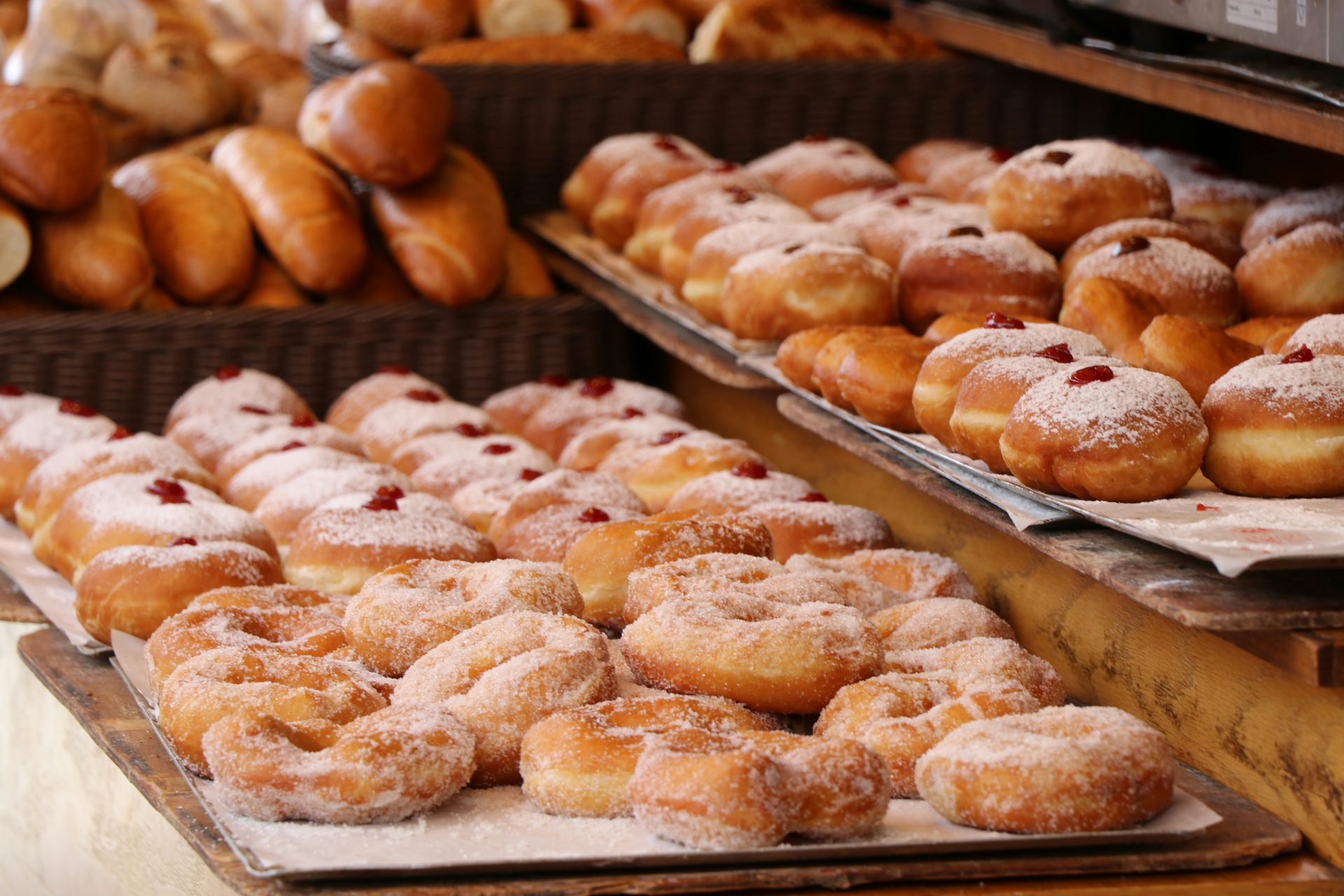
You grabbed a dozen filled doughnuts from your favorite bakery, polished off a few, and now you’re staring at the rest wondering if the freezer is a viable option. The short answer is yes — but filled doughnuts come with more caveats than their plain or glazed cousins, and knowing those details makes all the difference between a decent thawed treat and a soggy disappointment.
Whether you’re working with jelly-filled, Bavarian cream, custard, or Boston cream doughnuts, this guide walks you through exactly what freezing does to each type, how to freeze them the right way, and how to bring them back to life after thawing. You’ll also find out which fillings hold up reasonably well and which ones are better eaten fresh.
Can You Freeze Filled Doughnuts?
Technically, yes — you can freeze filled doughnuts. Jam and jelly-filled doughnuts can be frozen in a pinch but are best consumed fresh. The same general rule applies across most filling types: freezing is possible, but it comes with trade-offs that depend heavily on what’s inside the doughnut.
Custard or cream-filled doughnuts, such as Bavarian cream doughnuts, are best enjoyed fresh. The filling makes direct contact with the dough, starting the process of making them wet and soggy once assembled. That said, if you need to extend their life beyond a day or two, the freezer beats leaving them on the counter.
Filled doughnuts such as cream, sour cream, or jelly doughnuts can be frozen, but they need extra care. The filling can change texture when thawed, becoming a bit runny. To prevent this, freeze the doughnuts as soon as possible after buying or making them. Wrapping each doughnut individually will help protect the filling and keep the doughnut fresher for when you’re ready to eat it.
Pro Tip: If you bake filled doughnuts at home, consider freezing the unfilled dough shells and adding the filling fresh after thawing. This gives you the best of both worlds — convenience and quality.
Does Freezing Change the Texture or Taste of Filled Doughnuts?
Freezing affects filled doughnuts more noticeably than plain or glazed varieties. Freezing mainly affects texture, not flavor. Sugar and fat hold up well in cold temperatures, so sweetness and overall taste remain intact. Ice crystals can slightly alter softness, especially in airy yeast doughnuts or delicate glazes.
The filling is where the real challenge lies. Freezing and thawing doughnuts with filling can result in a deflated shape that barely resembles its original form. Cream fillings may curdle during the freezing and defrosting process. Cream fillings often defrost at a quicker rate than the dough, so by the time the doughnut dough is defrosted, the filling may be very liquid and could even leak out.
Jelly and fruit-based fillings tend to survive freezing better than dairy-based ones. Dairy-based fillings undergo fat separation and protein denaturation below −2°C. Upon thawing, fillings can weep, curdle, or develop off-flavors within 24 hours. If you’re freezing Boston cream or custard-filled doughnuts, set your expectations accordingly — the dough may still taste good, but the filling texture will likely be noticeably different.
| Filling Type | Freezes Well? | Main Risk After Thawing |
|---|---|---|
| Jelly / Fruit Jam | Reasonably well | Slight sogginess in dough |
| Custard / Bavarian Cream | Poorly | Runny, curdled, or separated filling |
| Boston Cream (pastry cream) | Poorly | Watery filling, deflated dough |
| Whipped Cream | Not recommended | Filling collapses and weeps |
| Lemon Curd | Moderately well | Slight texture change, may separate |
How to Freeze Filled Doughnuts the Right Way
Good packaging is the single most important factor in freezing doughnuts successfully. The greatest threat to your doughnuts isn’t time or temperature — it’s air. No matter the type of doughnuts you plan to store, the goal is to get as much air away from them as possible.
Follow these steps to get the best results:
- Cool completely first. Before freezing, let your doughnuts cool completely if they’ve just been made. Freezing warm doughnuts can trap moisture, leading to sogginess upon thawing. Ideally, they should be at room temperature. If they’re filled doughnuts, make sure the filling has cooled too, to prevent it from turning runny during the freezing process.
- Wrap each doughnut individually. To prevent freezer burn and maintain the best texture, wrap each doughnut individually. Use plastic wrap or wax paper to cover each doughnut snugly. This keeps moisture from seeping into the doughnuts while they freeze.
- Place in an airtight container or freezer bag. For added protection, especially if you plan to store them for an extended period, place the wrapped doughnuts into a resealable freezer bag or an airtight container.
- Flash-freeze before bagging (optional but helpful). To prevent the doughnuts from sticking together, consider flash-freezing them before fully sealing them. Place the doughnuts on a baking sheet lined with parchment paper, making sure they don’t touch each other.
- Label and store flat. Label with the date and type of doughnut. Store in a stable, flat area of the freezer to avoid crushing.
Pro Tip: Store filled doughnuts in the main body of your freezer rather than the door. Be sure the bag is sealed correctly, store them in the main part of the freezer (not the door), and leave space for air to circulate.
How Long Can You Freeze Filled Doughnuts?
When frozen properly, doughnuts can last quite a while in the freezer. Generally, doughnuts will maintain their best quality for about 2 to 3 months in the freezer. While they will still be safe to eat after this time, their flavor and texture may degrade.
Filled doughnuts have a shorter sweet spot than plain ones. If your doughnuts are filled with cream or jelly, you’ll want to eat them sooner rather than later to ensure the fillings don’t lose their quality. These can last for about 1 to 2 months in the freezer, as the fillings are more prone to changing texture or separating when frozen for too long.
Doughnuts are safe indefinitely if kept continuously frozen at 0°F (−18°C), but long storage degrades texture and taste. For the best eating experience, aim to use your frozen filled doughnuts within four to six weeks. You can also check out more general food storage and nutrition tips to build smarter habits around reducing food waste at home.
How to Thaw Frozen Filled Doughnuts
Thawing is just as important as freezing when it comes to preserving quality. Rushing the process is one of the most common mistakes people make. Once you take your doughnuts out for thawing, it is best to do so gradually. Leaving them overnight in the refrigerator will help restore their original flavor and texture. Do not heat rapidly in an oven or microwave — doing so can make the texture rubbery and affect the taste.
You have a few options depending on how much time you have:
- Room temperature (best for texture): Remove doughnuts from the freezer, unwrap them, and let them sit at room temperature for 1 to 2 hours. This is the gentlest method and works well for jelly-filled varieties.
- Refrigerator overnight (best for dairy-filled): Transfer the doughnuts to the fridge the night before you plan to eat them. This slow thaw reduces the risk of the filling separating or weeping.
- Microwave (quickest option): For a warm doughnut, microwave for 10 to 15 seconds. Be cautious with filled doughnuts — hot spots may form. Use 50% power and check in short intervals to avoid scorching the filling.
Important Note: Never microwave cream or custard-filled doughnuts on full power. The filling heats much faster than the dough and can become scalding hot while the outside still feels cool.
Can You Refreeze Filled Doughnuts After Thawing?
Refreezing is not recommended for any doughnut, and filled varieties are especially vulnerable. Refreezing thawed doughnuts can destroy texture. Each freeze-thaw cycle causes more ice crystals to form, which breaks down the dough structure further.
Some filled doughnuts, like cream or jelly-filled varieties, may not hold up well to freezing due to the risk of the filling separating or becoming soggy. Adding a second freeze-thaw cycle on top of that makes a bad situation worse. Once you thaw filled doughnuts, plan to eat them within 24 hours for the best results, and never refreeze them.
From a food safety standpoint, microbial risk rises with thawed dairy fillings — Listeria monocytogenes can proliferate in thawed dairy fillings even at 4°C, according to FDA BAM guidelines. This is a strong reason to avoid refreezing cream or custard-filled doughnuts after they have been thawed.
How to Use Frozen Filled Doughnuts (Best Uses After Freezing)
If your thawed filled doughnuts aren’t quite up to fresh-eating standards, don’t toss them. There are several ways to put them to good use in the kitchen, especially if the dough is still soft and the filling is mostly intact.
- Doughnut bread pudding: Use stale doughnuts for tasty recipes so they don’t go to waste. Try making a bread pudding with leftover doughnuts or turning them into French toast. Jelly-filled doughnuts work especially well in bread pudding since the jam becomes a built-in flavor layer.
- Doughnut trifle: Cube thawed doughnuts and layer them with whipped cream, fresh berries, and a drizzle of chocolate sauce for an easy American-style dessert that’s impressive with minimal effort.
- Ice cream topping: Crumble a thawed plain or jelly doughnut over vanilla ice cream for a quick dessert upgrade.
- Doughnut French toast: Slice thawed doughnuts in half, dip in an egg-and-milk mixture, and pan-fry until golden. The filling adds a sweet surprise in every bite.
Eating well doesn’t have to stop at dessert. If you’re thinking about how different foods affect your body overall, it’s worth exploring heart-healthy superfoods and learning about foods that support healthy skin to round out your diet beyond the occasional sweet treat.
Signs That Frozen Filled Doughnuts Have Gone Bad
Knowing when to toss a frozen doughnut is just as important as knowing how to store one. Some changes are cosmetic; others signal that the doughnut is no longer safe or enjoyable to eat.
If there’s freezer burn on your doughnuts, they’re technically safe to eat — but the flavor and texture will be off. Freezer burn appears as dry, grayish-white patches on the surface of the dough. You can cut away the affected area, but the overall quality will still be diminished.
Watch for these specific warning signs:
- Off smell: A doughnut with a foul smell is considered spoiled. Dairy-based fillings are especially prone to developing sour or rancid odors after improper storage or extended freezing.
- Visible mold: Any green, black, or fuzzy growth means the doughnut should go straight in the trash. Do not try to cut around mold on a soft, porous food like a doughnut.
- Separated or curdled filling: If the filling looks grainy, watery, or has clearly split when you bite in, it’s a sign the dairy proteins have broken down. The doughnut may be safe, but it won’t taste good.
- Extreme sogginess: The heaviness of cream filling can seep into the dough over time, creating a wet, deflated doughnut. If the dough is completely saturated and falling apart, the doughnut is past its prime.
- Stale, flat taste: Freshness loss signs include dry crumb, gritty or separated glaze, and stale taste. These are cosmetic and texture changes, not safety issues, if the doughnut was frozen properly.
Key Insight: Always label your frozen doughnuts with the freeze date. Ignoring the date label can cause them to be stored too long, which makes them lose flavor and texture. Always check the date before thawing to make sure they’re still good to eat.
Frequently Asked Questions
Can you freeze Krispy Kreme filled doughnuts?
The best way to freeze store-bought or copycat Krispy Kreme doughnuts is to seal them in an airtight package. Their cream-filled varieties follow the same rules as other dairy-filled doughnuts — freeze promptly, eat within four to six weeks, and thaw gently.
How long do filled doughnuts last in the refrigerator instead of the freezer?
A filled doughnut should be placed in the fridge if you want to eat it within a day or two. Refrigeration is a better short-term option than freezing for cream-filled varieties since it avoids the freeze-thaw texture damage entirely. For longer storage, the freezer is the better choice.
Can you freeze homemade jelly doughnuts?
Yes. Jelly-filled doughnuts freeze better than cream-filled ones because fruit jam is more stable at freezing temperatures than dairy. Wrap them individually in plastic wrap, place them in a freezer bag, and aim to eat them within one to two months for the best flavor. For more ideas on using fruit-forward foods in your kitchen, take a look at healing foods with anti-inflammatory properties.
Is it better to freeze doughnuts before or after filling them?
For filled doughnuts, cutting out and removing the filling prior to freezing — then storing the filling separately in freezer-safe containers — is one approach that preserves the dough better. This works best for homemade doughnuts where you control the process. For store-bought filled doughnuts, freeze them as-is and accept some texture change in the filling.
What is the best way to reheat a frozen filled doughnut?
For best results, warm doughnuts in the microwave on 50% power for 10 seconds. If they aren’t warm enough, warm for seven-second increments on 50% power until heated through. Do not overheat your doughnuts, or you’ll end up with dry, inedible disks. For filled varieties, low and slow is always the right approach to avoid hot filling and cold dough.
Can you freeze doughnut holes with filling?
Yes, with the same caveats as full-sized filled doughnuts. Because doughnut holes are smaller, the filling-to-dough ratio is higher, which means texture changes in the filling will be more noticeable. Freeze them quickly, wrap tightly, and eat within four weeks for the best experience.
Filled doughnuts are one of America’s most beloved bakery treats — from the classic Boston cream at a New England doughnut shop to the jelly-filled rounds you find at nearly every bakery and grocery store across the country . Freezing them is absolutely a viable option when done right. Stick to the guidelines above, manage your expectations for dairy-based fillings, and you’ll have a solid strategy for making the most of every doughnut you bring home. For more food storage know-how and kitchen tips, explore unique ingredient guides and foods that support liver function to keep your pantry stocked with purpose.