Can You Freeze Pasta Salad with Italian Dressing? (What Actually Happens)

November 11, 2026
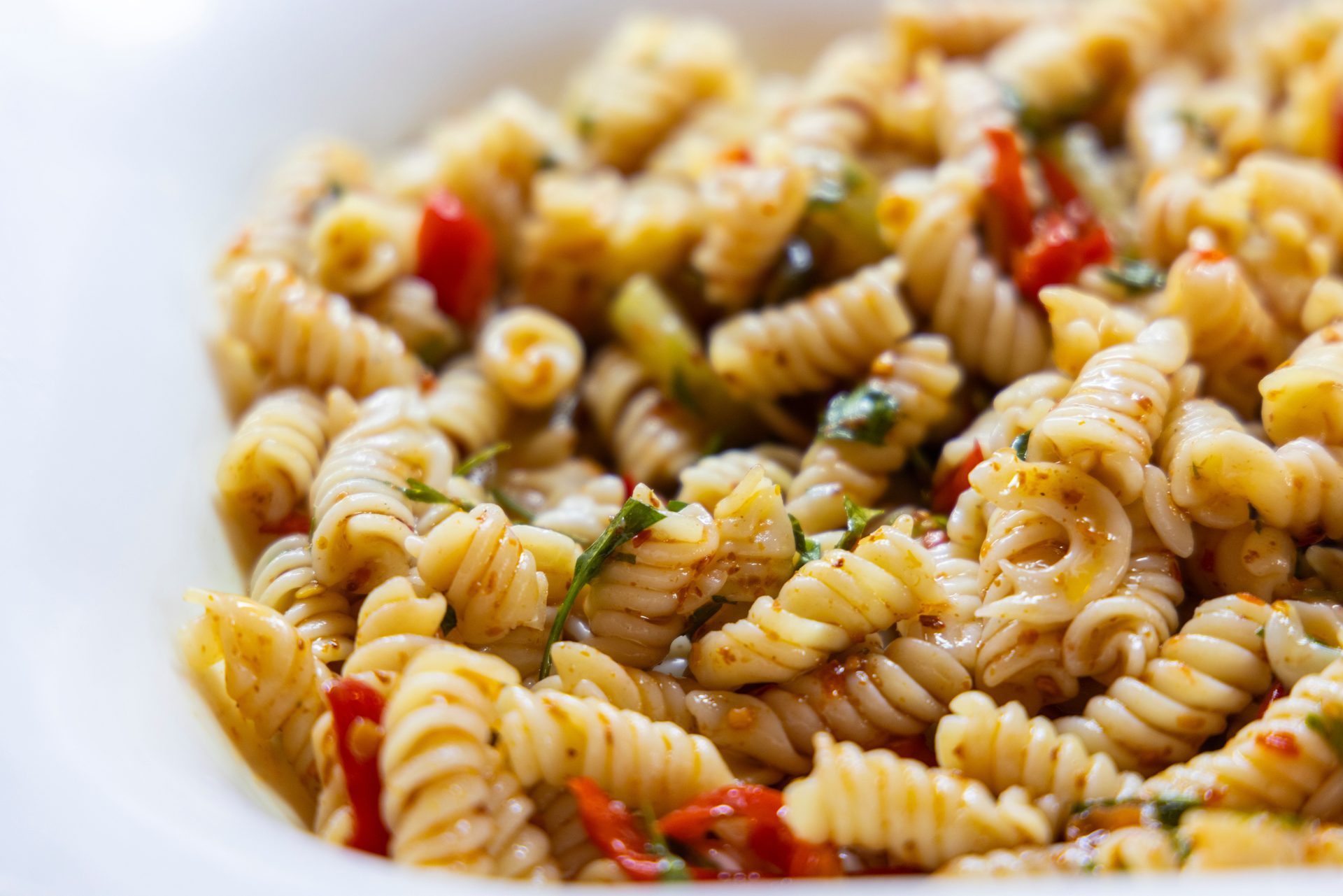
Pasta salad with Italian dressing is a staple at summer cookouts, potlucks, and weeknight dinners across the United States — and it almost always leaves you with more than you can eat in one sitting. When that happens, the freezer seems like the obvious solution. But is it actually a good idea?
The short answer is yes, you can freeze pasta salad with Italian dressing — but success depends entirely on how you prepare it, what ingredients are in it, and whether you freeze the components together or separately. Get those details right, and you’ll have a solid make-ahead meal. Get them wrong, and you’ll end up with a soggy, flavorless bowl of mush.
This guide walks you through everything you need to know, from what freezing actually does to your pasta and dressing, to the exact steps for freezing, thawing, and putting it to good use.
Can You Freeze Pasta Salad with Italian Dressing?
You can freeze pasta salad with a dressing, although the quality of the pasta salad once it has been defrosted depends on the type of dressing. Italian dressing is an oil-and-vinegar-based vinaigrette, which puts it in a much better position than creamy dressings when it comes to freezing.
Oil-based dressings and vinaigrettes, such as Italian dressing, balsamic vinegar, and even soy sauce, can be frozen and thawed for pasta salad. That said, the dressing is just one part of the equation. Some ingredients in your pasta salad may not freeze well — for example, fresh vegetables can become limp and watery, while certain herbs may lose their color and potency.
Oil-based dressings are much better suited than creamy pasta salads to being frozen and defrosted. So if your Italian pasta salad skips the cheese and heavy vegetables, it’s a solid candidate for the freezer. For a closer look at what to pair with this dish before you freeze the leftovers, check out what to serve with Italian pasta salad.
Pro Tip: If you know in advance you’ll be freezing a batch, build the salad with freezer-friendly ingredients from the start — skip the cucumbers, tomatoes, and soft herbs, and hold the dressing until after thawing.
Does Freezing Change the Texture or Taste of Pasta Salad with Italian Dressing?
Yes — and it’s worth being honest about what to expect. Pasta can become overly soft when frozen and then thawed, as the ice crystals formed during the freezing process can cause the pasta to break down and lose its original texture. This is the biggest quality trade-off with frozen pasta salad.
Oil-based dressings like Italian dressing tend to separate when frozen. Upon thawing, the emulsion may break, leading to an inconsistent texture and flavor. The good news is that the oil and vinegar in the dressing may separate during the freezing process, but a quick stir after thawing can usually restore its consistency.
Peas, corn, broccoli, and carrots are wonderful choices and you can even buy them already frozen to save time. However, those with a high water content, including most lettuces, greens, and cucumbers, lose their crispness and end up mushy when frozen.
Food that’s been frozen for too long can easily lose its taste or texture. If you’re familiar with how freezer burn works, you’ll know it can take a nasty toll, leaving your defrosted meal with a strange and suspicious taste. Using airtight containers and keeping your freezer time short are the two most effective ways to minimize these changes.
| Ingredient | Freezes Well? | Notes |
|---|---|---|
| Cooked pasta (al dente) | Yes | Will soften slightly; undercook before freezing |
| Italian dressing (oil-based) | Yes | May separate; stir after thawing to restore |
| Bell peppers, olives, onions | Yes | Retain texture reasonably well |
| Broccoli, peas, carrots | Yes | Freeze well; can use pre-frozen |
| Cucumbers, tomatoes, lettuce | No | High water content; become mushy |
| Fresh soft herbs (basil, parsley) | No | Turn brown and lose flavor |
| Mayonnaise or creamy dressings | No | Split and become grainy when thawed |
| Cooked chicken | Yes | Freezes fine; a good protein addition |
How to Freeze Pasta Salad the Right Way
The single most important rule: freeze the components separately whenever possible. Package the liquid ingredients of the pasta salad separately from the pasta, vegetables, etc. Thaw all ingredients and mix in liquid ingredients no more than a couple hours before serving. This keeps the pasta from absorbing all of the liquid and getting mushy during freezing and thawing.
Follow these steps for the best results:
- Cook the pasta al dente. Cook the pasta al dente — this is when it is slightly undercooked and still has a bit of ‘bite’ to it. When you freeze cooked pasta, it softens somewhat. Freezing al dente pasta means you account for that softening and end up with a better texture to your pasta salad.
- Cool the pasta completely. Ensure the pasta salad is completely cool before freezing to prevent the formation of ice crystals. Run it under cold water after draining, then spread it on a sheet pan to cool faster.
- Flash-freeze the pasta first. Once it’s cool, flash freeze the pasta on a baking sheet in the freezer and store it in a freezer-safe container to prevent the pasta from sticking together.
- Keep the dressing separate. Store pasta and vegetables in a gallon freezer bag, liquid dressing in a pint freezer bag, and place the sealed pint bag inside the gallon freezer bag to freeze together. This way everything stays organized and the pasta doesn’t absorb all the dressing.
- Remove high-water vegetables. If the pasta salad used highly water-based vegetables, consider packaging these separately or waiting and adding them just before serving. Commonly used water-based vegetables in pasta salads include green peppers, mushrooms, tomatoes, cucumbers, squash, and celery.
- Use airtight, freezer-safe containers. Use airtight, freezer-safe containers that can prevent freezer burn and protect the flavor and texture of the pasta salad. Make sure to leave some space at the top of the container as the contents will expand when frozen.
- Label with the date. For optimal freshness, label the containers with the date of freezing. This makes it easy to track how long it has been stored.
Pro Tip: A helpful hack includes using an ice tray to freeze individual portions of dressing, which allows you to take out just what you need and leave the rest for a future dish.
How Long Can You Freeze Pasta Salad with Italian Dressing?
If frozen in the correct way, you can freeze pasta salad for up to three months. However, the sooner you use it, the less the taste and texture will be affected. Most food storage experts recommend aiming for a shorter window to preserve the best quality.
For best results, consume frozen pasta salad within one to two months. Beyond this, quality declines significantly, with textures becoming soggy and flavors dulling. If you want to play it safe, defrost and use your pasta salad within a month of freezing.
For reference, if you skip the freezer entirely, pasta salad won’t have an extremely long shelf life in the refrigerator — it will keep roughly three to five days depending on the ingredients inside. Freezing is a meaningful extension of that window, especially for large batches you made for a cookout or party. If you need tips on how to ship frozen food, that guide covers safe temperature practices that apply here too.
| Storage Method | How Long It Lasts | Quality Notes |
|---|---|---|
| Refrigerator | 3–5 days | Best texture and flavor; no significant changes |
| Freezer (ideal) | Up to 1 month | Minimal quality loss when stored properly |
| Freezer (maximum) | Up to 3 months | Noticeable texture and flavor changes after 2 months |
How to Thaw Frozen Pasta Salad with Italian Dressing
Thawing is straightforward, but the method matters for both food safety and texture. Thaw the pasta salad in the refrigerator to maintain a safe temperature throughout the defrosting process. Never thaw it on the counter at room temperature.
Defrosting pasta salad is simple. Like most frozen food, all you need to do is remove the pasta salad container from the freezer and transfer it into the refrigerator. Then, leave it to defrost overnight. For larger portions, allow up to 24 hours. After letting it sit for roughly 24 hours, it should be ready to be enjoyed as normal.
Once thawed, add a fresh splash of Italian dressing before serving. Some of the salad dressing will be absorbed by the salad while it’s frozen. You may need to add a fresh shake or two of dressing before serving, especially if you add any extra ingredients.
Also keep food safety timing in mind. Don’t leave your pasta salad out for more than two hours. In hot weather above 90°F, that time drops to just one hour. This is especially relevant at summer BBQs and outdoor gatherings. For more on safe food temperatures, see how cold a salad bar or refrigerator has to be to keep food safe.
Can You Refreeze Pasta Salad After Thawing?
No — refreezing thawed pasta salad is not a good idea. Re-freezing is not recommended, as it further compromises texture and safety. Each freeze-thaw cycle causes additional ice crystal damage to the pasta and vegetables, making the texture progressively worse.
Once thawed, do not refreeze the pasta salad. Consume it within three days to ensure it remains safe to eat. If you froze a large batch, the best approach is to portion it out before freezing so you only thaw exactly what you need each time.
Do not refreeze and eat the pasta salad on the day you thaw it. Planning ahead with single-serving or family-sized portions eliminates the temptation to refreeze what’s left over. This is also why the separate-bag method from the freezing steps above is so practical — you can pull out one portion at a time without disturbing the rest.
How to Use Frozen Pasta Salad (Best Uses After Freezing)
Frozen and thawed pasta salad with Italian dressing may not be quite the same as fresh, but it still has plenty of good uses. The key is matching the dish to its post-freeze condition rather than expecting it to perform like it just came off the stove.
- Serve as a cold side dish. After thawing overnight, toss with a fresh splash of Italian dressing, add any crisp toppings you held back (like fresh cucumber or cherry tomatoes), and serve cold. This is the most straightforward use and works well for what to serve with pasta salad at casual meals.
- Use as a base for a warm pasta dish. Some pasta salads can taste just as good reheated. A sausage-style pasta salad, for example, can be reheated with a dash of water in a pan and tastes like a brand-new meal. The Italian dressing adds a tangy, herby flavor that works well when warmed.
- Add to grain bowls or wraps. Thawed pasta salad works as a filling for lunch wraps or as a base layer in a grain bowl topped with fresh greens, protein, and extra dressing.
- Serve alongside grilled proteins. Pair thawed pasta salad with grilled chicken, shrimp, or fish. For pairing ideas, see what to serve with seafood pasta.
- Refresh with fresh ingredients. For soggy salads, adding fresh, crisp ingredients can bring back that much-needed texture. Toss in freshly chopped bell peppers, olives, or a handful of arugula just before serving.
Pro Tip: If the pasta absorbed most of the dressing during freezing, don’t just add more Italian dressing — try a light drizzle of red wine vinegar and olive oil instead. It brightens the flavor without making the salad feel overdressed.
Signs That Frozen Pasta Salad Has Gone Bad
Even when stored correctly, frozen pasta salad can spoil or decline past the point of being worth eating. Knowing what to look for protects you from foodborne illness and wasted meals.
Inspect the pasta salad post-thawing for off odors, discoloration, or sliminess — signs of spoilage despite proper handling. Trust your senses first. If anything seems off, toss it.
Here are the main warning signs to watch for:
- Sour or off smell. A sour or off smell is a clear red flag. Fresh pasta salad with Italian dressing should smell tangy and herby, not sour or fermented.
- Visible mold or discoloration. Any changes in color or signs of mold mean it’s time to toss it. Gray or brown pasta, or any fuzzy growth on vegetables, is a definitive sign of spoilage.
- Slimy texture. If the pasta feels slimy or the veggies have lost their crunch, it’s a signal that your salad’s best days are behind it.
- Freezer burn. Freezer burn can take a nasty toll, leaving your defrosted meal with a strange and suspicious taste. Freezer-burned pasta will look dry, whitish, or papery in spots. It’s safe to eat but the flavor and texture will be noticeably off.
- Watery or separated texture that won’t come together. Some separation in the dressing is normal and fixable with a stir. But if the entire salad is waterlogged and the pasta has disintegrated, the quality has degraded beyond saving.
Eating spoiled pasta salad isn’t just unappetizing — it can be risky. When in doubt, throw it out. No leftover is worth a foodborne illness.
Frequently Asked Questions
Can you freeze store-bought Italian pasta salad?
Yes, the same rules apply. Check the ingredient list first — if it contains mayonnaise, cream cheese, or heavy dairy, it won’t freeze well. If it’s a straightforward oil-and-vinegar pasta salad, it’s a good candidate. Transfer it to a freezer-safe container and follow the same steps above.
Can you freeze pasta salad that has already been dressed?
It is best to freeze the pasta first, then add any dressings once it has been defrosted. If your salad is already dressed, you can still freeze it — just expect the pasta to absorb more of the dressing and the texture to be softer. Add fresh dressing after thawing to compensate.
What pasta shapes freeze best for pasta salad?
Short, sturdy shapes hold up better than thin or delicate ones. Rotini, fusilli, penne, farfalle, and macaroni all freeze reasonably well when cooked al dente. Undercook the pasta by one to two minutes before freezing to maintain its texture.
How long does thawed pasta salad last in the fridge?
Once thawed, consume within three to four days to ensure freshness. Keep it covered in an airtight container in the refrigerator and add fresh toppings or dressing as needed before serving.
Can you freeze egg noodle or tortellini pasta salad with Italian dressing?
Tortellini can freeze, though the filling may affect texture. Egg noodles tend to become very soft after freezing. Both can work if you undercook them first and freeze the dressing separately. Taste-test after thawing and adjust with fresh dressing before serving. For ideas on what to pair with egg salad-style dishes, see what to serve with egg salad sandwiches.
Is it better to refrigerate or freeze pasta salad for meal prep?
For anything you’ll eat within five days, the refrigerator is the better choice. The benefit of refrigerating rather than freezing is that your texture won’t be affected as much. Freeze only when you genuinely need longer storage — more than a week out.