Can You Freeze Quiche Slices? How to Store, Thaw, and Reheat Them Right

November 10, 2026
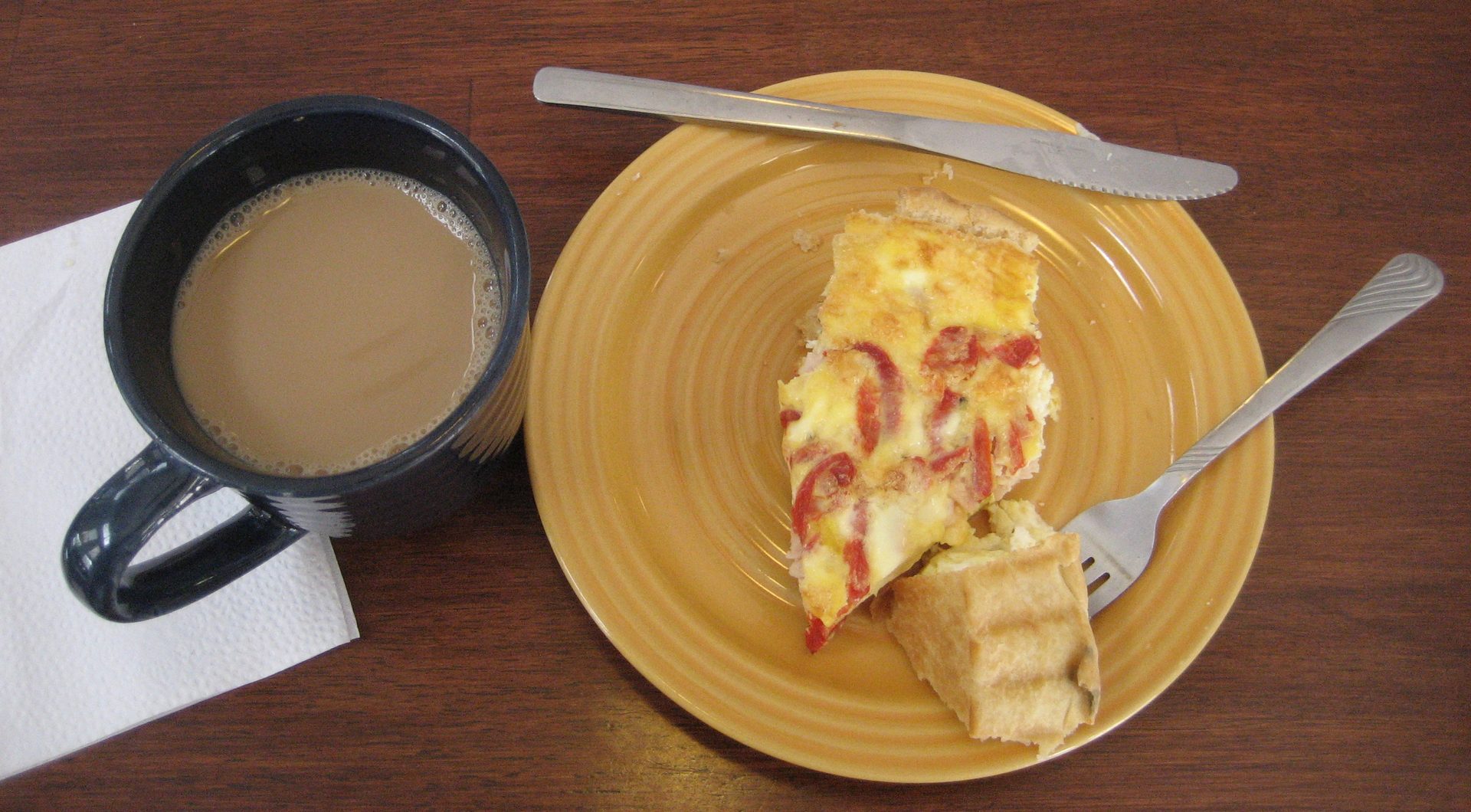
Quiche is one of those dishes that genuinely rewards batch cooking. Whether you made a classic Quiche Lorraine for a Sunday brunch or baked a vegetable-loaded version for the week ahead, there is a good chance you have leftover slices sitting in your fridge and wondering what to do with them.
The short answer is yes — you can absolutely freeze quiche slices. With the right wrapping method and a few simple steps, frozen quiche holds up well and reheats into a satisfying meal on busy mornings, quick weeknight dinners, or last-minute entertaining. This guide walks you through everything: how to freeze, how long it lasts, how to thaw it safely, and what to watch for when it goes bad.
Can You Freeze Quiche Slices?
Yes, you can absolutely freeze quiche. When done correctly, freezing is a practical way to preserve your quiche without destroying its delicate texture or rich flavor. That applies to both whole quiches and individual slices — and for most households, freezing by the slice is the smarter move.
Freezing in individual slices is far more convenient than freezing a whole quiche — it defrosts faster, avoids waste, and lets you reheat exactly the amount you need. If you regularly cook for one or two people, portioning before freezing saves you from thawing more than you can eat.
Quiche is a versatile favorite for any meal of the day — breakfast, brunch, lunch, or dinner — and despite eggs’ reputation as a tricky ingredient to freeze, you can absolutely freeze quiche. The key is proper wrapping and keeping air out of the package.
Pro Tip: If you know you will have leftovers, slice the quiche before it fully cools so you can portion and freeze individual pieces right away — rather than refrigerating the whole thing first and losing freezer freshness.
Does Freezing Change the Texture or Taste of Quiche Slices?
Freezing can alter the quality of a quiche in a few subtle ways, particularly in terms of texture, flavor, and appearance. While the fundamental taste of the dish should remain intact, the impact on its components varies. Knowing what to expect helps you plan accordingly.
A baked, completely cooled quiche freezes very well, although it will be marginally less custardy than a fresh-baked one. The filling may lose a touch of its silky quality, but the flavor remains largely intact. If you wrap it properly, freezing has a minimal effect on the taste. The biggest threat to flavor is not the cold itself, but air. When air gets to your quiche, it causes freezer burn — those dry, discolored patches that taste bland and stale.
Cheese, especially softer varieties like cream cheese or ricotta, can undergo slight textural changes after freezing. Harder cheeses like cheddar, Swiss, or Gruyère freeze better and retain their taste and texture more successfully. When thawed, soft cheeses may become a bit crumbly or grainy, but they generally still provide flavor, especially when baked again during reheating.
If you are freezing a quiche with high-water content vegetables, such as spinach or mushrooms, these can release excess moisture when reheated, which may make the texture a bit soggy. Pre-cooking vegetables to remove excess moisture before adding them to the filling helps prevent this problem upon reheating.
Ingredients that do not do well in a frozen quiche include low-fat or skim milk, and soft vegetables like asparagus, zucchini, and tomato, which can make the quiche soggy. Stick with whole milk or heavy cream in your filling and choose sturdier vegetables for the best freezer results.
How to Freeze Quiche Slices the Right Way
The freezing process itself is straightforward. The steps below apply to baked quiche slices, which is the most common and practical approach for home cooks. Freezing after baking is the recommended method — while it is technically possible to freeze raw quiche, baked quiche holds up just fine as long as you reheat it properly.
- Cool completely first. Always let the quiche cool completely before freezing. Freezing hot quiche causes moisture to form and leads to unpleasant ice crystals. Set it on a wire rack and give it at least an hour at room temperature.
- Slice into portions. Let the quiche cool completely and slice it into 4–6 portions. Uniform slices freeze and reheat more evenly.
- Flash-freeze on a tray. Place the slices on a tray or inside a freezer bag, making sure they do not touch. Freeze them for about 2 hours. Once they are frozen solid, you can combine them into one bag or container — they will not stick together.
- Wrap each slice tightly. Wrap each of the quiche slices in two layers of either parchment paper, plastic film, or aluminum foil to help protect the slices from freezer burn.
- Bag and seal. Place the wrapped quiche pieces in a resealable plastic bag and remove the extra air using a straw, then seal the bag. A vacuum sealer works even better if you have one.
- Label with the date. Label the bag with a “Use By” date three months into the future. This simple step saves a lot of guesswork later.
Pro Tip: Separate slices with small squares of parchment paper before the flash-freeze step if you want to skip the tray method. The parchment prevents sticking and makes it easy to pull out one slice at a time.
How Long Can You Freeze Quiche Slices?
For the best quality, plan to eat your frozen quiche within 2 to 3 months. It will remain safe to eat for longer if kept consistently frozen at 0°F (-18°C), but its texture and flavor may begin to degrade after the 3-month mark.
Whatever freezing method you choose, always wrap quiche very well to prevent freezer burn and use it within 3 months, although most experts agree the quality declines somewhat after 1 month. If you want the closest result to freshly baked, aim to eat your frozen slices within the first four to six weeks.
| Storage Method | Estimated Shelf Life | Quality Notes |
|---|---|---|
| Refrigerator (baked) | 3–5 days | Best texture; eat promptly |
| Freezer (baked slices, well-wrapped) | Up to 3 months | Best quality within first 4–6 weeks |
| Freezer (baked slices, poorly wrapped) | 1–2 months | Freezer burn risk; soggy texture |
To maximize shelf life, store the quiche promptly after it has cooled down, ideally within two hours of baking. Leaving it out longer than two hours before refrigerating or freezing creates a food safety risk with egg- and dairy-based fillings.
How to Thaw Frozen Quiche Slices
How you thaw your quiche matters just as much as how you freeze it. There are two reliable methods depending on how much time you have.
Overnight in the Refrigerator (Recommended)
Slow thawing in the refrigerator allows the quiche to thaw evenly and gently, minimizing texture changes. Depending on the size, a quiche can take anywhere from 12 to 24 hours to thaw completely in the refrigerator. For individual slices, overnight is usually enough.
Once thawed, reheat in the oven for the best results. Reheat at 320°F (160°C) for about 15 minutes in the oven or air fryer for a perfectly golden, crispy finish. Cover the quiche loosely with aluminum foil to prevent over-browning, and bake until it is heated through and the internal temperature reaches 160°F (71°C).
Quick Method: Microwave Then Oven
If you forgot to thaw overnight, the microwave-to-oven method works well for slices. Microwave on medium power just until the center is thawed or slightly warm, then finish reheating in the oven (or air fryer) at 320°F (160°C) for about 10 minutes to restore a crisp crust. This method is effective for preventing the crust from becoming soft or soggy.
Avoid thawing quiche at room temperature, as it can lead to bacterial growth and decrease overall food quality. Quiche contains eggs and dairy — two ingredients that move into the food safety danger zone quickly when left out.
Pro Tip: Remove the foil wrapping for the last 5–8 minutes of oven reheating to let the crust crisp back up. Covering it the entire time traps steam and softens the pastry.
Can You Refreeze Quiche Slices After Thawing?
The short answer is yes, you can refreeze quiche, but with several caveats. Quiche is made with a combination of ingredients that, when frozen and thawed, can alter in texture. The pastry crust may become soggy, while the filling can sometimes separate or become watery. However, these issues do not make it impossible to refreeze quiche — just something to be mindful of.
Contrary to popular belief, refreezing is considered safe under certain circumstances. According to the USDA, you can refreeze defrosted food safely if it was thawed in the refrigerator and not left out of the fridge for more than two hours. Never refreeze quiche that has been left out at room temperature for more than two hours.
That said, most food professionals recommend against refreezing quiche if you can avoid it. Refreezing is not recommended due to texture degradation of the custard. If possible, slice your quiche into individual portions before freezing. This way, you can thaw only the amount you need without having to refreeze the entire quiche. Smaller portions also freeze and thaw more evenly, which helps preserve texture and flavor.
How to Use Frozen Quiche Slices (Best Uses After Freezing)
Frozen quiche slices are more versatile than most people realize. While reheating and eating them as-is is the most obvious option, there are several other ways to put them to work — especially if the texture has softened slightly after thawing.
Frozen quiche works well for brunch entertaining, make-ahead breakfasts, and quick weeknight dinners. Here are some of the best ways to use your frozen slices:
- Quick weekday breakfast: Freezing individual slices is the most practical approach for everyday use. Wrap each slice separately and you have grab-and-go breakfasts. Reheat a single slice in the oven for 15 minutes or microwave for 2 minutes.
- Brunch spread: Reheat several slices at once on a sheet pan at 350°F and serve alongside a simple green salad or fresh fruit. The oven method keeps the crust crispier than the microwave when feeding a group.
- Crumbled into a scramble: If a slice has become too soft or the crust has gone soggy, crumble the filling into a skillet and scramble it with fresh eggs. The flavors blend well and nothing goes to waste.
- Stuffed into a wrap or sandwich: Slice a thawed piece thin and tuck it into a flour tortilla or between two slices of toast with some arugula and hot sauce for a fast lunch.
- Topped with a fresh salad: If you plan to freeze your quiche for an extended period, consider adding fresh herbs after reheating for a burst of vibrant flavor. A handful of fresh herbs on top of a reheated slice makes it taste noticeably brighter.
If you are looking for more ideas on pairing quiche with nutritious ingredients, check out this guide on whole plant-based foods that work well alongside egg-based dishes, or explore foods that support healthy skin for inspiration on building balanced, nutrient-rich meals around your frozen quiche.
Signs That Frozen Quiche Has Gone Bad
Even properly frozen food has its limits. Before reheating any frozen quiche slice, take a moment to check for these warning signs.
- Off smell: You can tell if your quiche has gone bad based on its smell and coloring. If the filling looks dark or the crust is showing signs of mold, dispose of it. If it smells bad, dispose of it as well.
- Freezer burn patches: Freezer burn appears as dry, discolored patches that taste bland and stale. Small patches on the edge of a crust may be trimmed away, but widespread freezer burn throughout the filling means the slice is past its best and should be discarded.
- Watery or separated filling: Some moisture release after thawing is normal, but if the filling has completely separated, turned gray, or developed an unusual texture, do not eat it.
- Past the 3-month mark: Do not freeze quiche that is past its best-before date or showing signs of deterioration. Freezing the slices will not bring them back to life. Instead, they should be thrown away to minimize the spread of foodborne illness.
- Thawed too long in the fridge: Once thawed, consume your quiche within 3 to 4 days to maintain the best quality. If a thawed slice has been sitting in the refrigerator longer than that, discard it.
Important Note: When in doubt, throw it out. Quiche contains eggs, dairy, and often meat — all high-risk ingredients for foodborne illness if consumed past their safe window.
Frequently Asked Questions
Can You Freeze Store-Bought Quiche Slices?
Yes. For store-bought frozen quiche, keep it frozen until you need it — no prep required. You can stash it right away in the freezer. If you bought a refrigerated store-bought quiche and want to freeze it, wrap it tightly using the same method as homemade and freeze within a day or two of purchase.
Can You Freeze Crustless Quiche Slices?
Yes — as long as it is fully cooked, crustless quiche freezes very well. Without the pastry, you do not have to worry about the crust going soggy, which actually makes crustless quiche one of the more freezer-friendly versions of the dish.
Can You Cook Frozen Quiche Slices Without Thawing?
Yes. When ready to eat, preheat the oven to 300°F, place one or more unwrapped slices on a baking sheet, and bake until very hot, about 25 minutes. This from-frozen method works well when you forgot to thaw overnight and need a fast result without using the microwave.
How Do You Keep the Crust from Getting Soggy After Freezing?
The two biggest factors are wrapping out all the air before freezing and finishing the reheating in an oven or air fryer rather than relying solely on the microwave. Defrost gently overnight or in the microwave, then finish in the oven — that final bake makes the crust crisp again.
Can You Freeze Quiche with Seafood Filling?
Yes — salmon and other seafood quiches freeze just fine. If you enjoy seafood-based dishes, you may also want to read about the pros and cons of eating seafood to understand how different proteins behave in cooked and stored dishes.
Is It Safe to Eat Quiche That Was Left Out Overnight?
No. Quiche is a perishable food, which means you should never let it sit at room temperature for too long — even when it is frozen. Thawing on the kitchen counter is not recommended at all. The two-hour rule applies: any quiche left at room temperature beyond two hours should be discarded, not frozen or refrigerated.
For more food storage guidance and nutrition-focused cooking ideas, explore articles on superfoods for a healthy heart and foods that support liver function — both of which pair well with the egg- and vegetable-rich ingredients commonly found in quiche.