Can You Freeze Canned Fruit? Everything You Need to Know

November 10, 2026
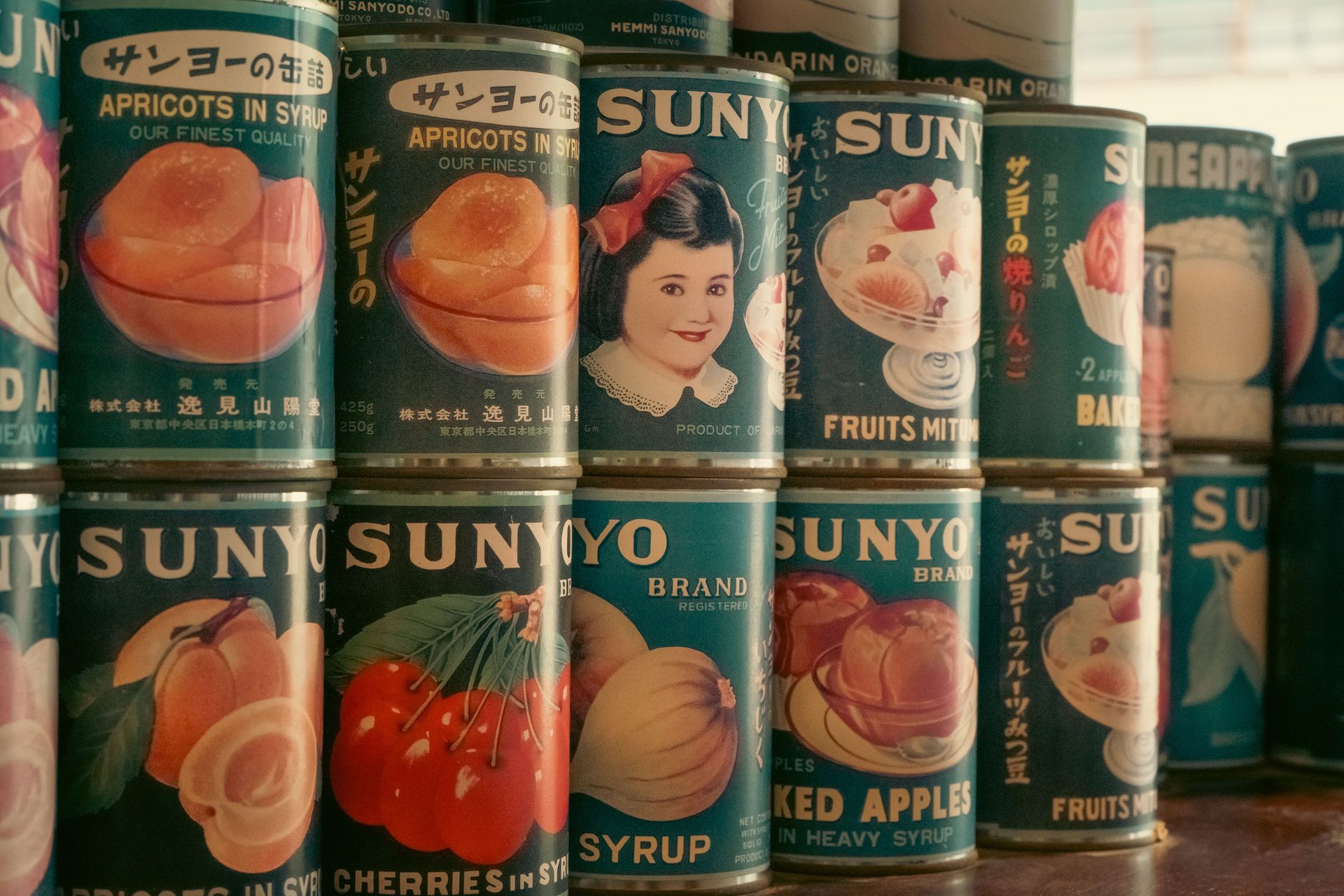
Yes, you can freeze canned fruit — and it is one of the easiest ways to stretch your pantry staples and cut down on food waste. Whether you cracked open a can of peaches for a recipe and only used half, or you stocked up during a sale and want to extend the shelf life, the freezer is a practical solution.
That said, freezing canned fruit is not quite the same as tossing a fresh apple into a zip-lock bag. Freezing slows down the enzymatic and microbial activity that leads to spoilage, but the high water content of most fruits presents a unique challenge. Knowing the right technique makes the difference between fruit that comes out mushy and unusable versus fruit that works beautifully in your next smoothie, pie, or sauce. This guide walks you through everything you need to know.
Can You Freeze Canned Fruit?
The short answer is yes. Freezing significantly extends the shelf life of canned fruit and prevents it from going to waste if you have more than you can immediately use. It is a smart move for anyone who bulk-buys canned goods or regularly has leftovers after cooking.
There is one important rule to follow before you freeze: never freeze fruit while it is still inside the metal can. During production, canned fruits are packed in water, liquid syrup, or juice and hermetically sealed. When liquid expands during freezing, it can cause the can to bulge, crack the seams, or even burst — creating both a mess and a food safety risk. Always transfer the contents to a freezer-safe container first.
You also want to make sure the can itself is in good shape before you open it. Ensure the can is free from dents, rust, or bulges, as these can indicate spoilage, and always check the expiration date before freezing. Starting with a quality product gives you the best possible result on the other end.
Pro Tip: Canned fruit packed in 100% juice or light syrup tends to freeze better than fruit packed in heavy syrup. Heavy syrup can become overly thick and sticky after freezing, making it harder to portion and use later.
For more ideas on how canned goods fit into your kitchen routine, check out this guide to Thanksgiving canned foods for inspiration on making the most of your pantry.
Does Freezing Change the Texture or Taste of Canned Fruit?
Honestly, yes — but how much depends on the type of fruit and how you plan to use it. When water freezes, it expands and forms ice crystals. In fruits, these ice crystals can disrupt the cell structure, leading to a softer, sometimes mushy texture upon thawing — particularly in fruits with delicate structures.
Canned fruit has already been heat-processed before it ever reaches your freezer, which means its cell walls are softer than fresh fruit to begin with. The extent of textural change depends on several factors, including the type of fruit, the freezing method, and the thawing process. Firmer fruits like pineapple chunks and peach slices hold up relatively well. Delicate options like mandarin orange segments or canned berries tend to become quite soft.
On the flavor side, the news is better. The taste of frozen fruit remains largely the same, though some people find that certain fruits can taste slightly more tart after being frozen. Freezing generally has a minimal impact on the nutritional value of canned fruit, and while some water-soluble vitamins may be lost during thawing, the overall nutrient content remains relatively stable.
The key takeaway: do not expect thawed canned fruit to have the same firm bite it had straight from the can. Plan to use it in cooked or blended applications where a softer texture is not a drawback — more on that in the usage section below.
| Canned Fruit Type | Texture After Freezing | Best Use After Thawing |
|---|---|---|
| Peaches (sliced) | Slightly soft | Pies, cobblers, smoothies |
| Pineapple chunks | Holds up well | Smoothies, salsas, stir-fries |
| Mandarin orange segments | Very soft, breaks apart | Sauces, blended drinks |
| Fruit cocktail | Mixed; grapes/cherries softest | Gelatin desserts, baked goods |
| Applesauce | Largely unchanged | Baking, direct use after thawing |
| Cherries (pitted) | Soft, juicy | Pies, compotes, ice cream topping |
How to Freeze Canned Fruit the Right Way
Proper preparation is key to minimizing textural changes during freezing. Follow these steps to get the best results every time.
- Drain the fruit. Drain the canned fruit from its syrup or juice. While you can freeze the fruit in its liquid, it will take longer to freeze and may result in a less desirable texture. Consider reserving the syrup for other uses, such as sweetening beverages or making sauces.
- Portion it out. Divide the fruit into portions suitable for your future needs. This allows you to thaw only what you need, preventing unnecessary thawing and refreezing.
- Flash-freeze for individual pieces (optional but recommended). For individual pieces of fruit, consider flash freezing. Spread the drained fruit in a single layer on a baking sheet lined with parchment paper. Place the sheet in the freezer for one to two hours until the pieces are solid, then transfer to a freezer bag or container.
- Pack it properly. Remove as much air as possible from the freezer bags or containers. A vacuum sealer works great, but pressing the air out of a zip-lock freezer bag before sealing does the job too.
- Label everything. Label contents with the name of the fruit and the date of preservation. Use a permanent marker or freezer-safe label so the ink does not fade.
- Freeze quickly. Freeze the fruit as quickly as possible to minimize ice crystal formation. Place bags flat in the coldest part of your freezer.
Pro Tip: To reduce cellular damage, chill and freeze fruit quickly so that the ice crystals formed are smaller. Packaged fruit should be frozen in a freezer set at -10°F for at least 24 hours before freezing large quantities.
How Long Can You Freeze Canned Fruit?
Frozen canned fruit can be stored in the freezer for 8 to 12 months without significant loss of quality. However, for the best taste and texture, it is best to use it within 6 months.
This is a quality issue, not necessarily a safety issue. For the best quality, use frozen fruits within 8 to 12 months. This is a quality versus a food safety issue. Recommended storage times ensure maximum quality. Food stored longer will be safe to eat, but you may notice changes in flavor, color, and texture.
To get the most out of your frozen canned fruit, keep your freezer at a consistent 0°F (-18°C) or lower. Growth of spoilage organisms can continue during freezer storage, especially when the freezing process is slow or when the temperature rises above 0°F. A freezer thermometer is an inexpensive tool that takes the guesswork out of temperature management.
Oxidation can occur during freezer storage, causing off flavors when the frozen product is exposed to air. Using high-quality plastic bags or containers designed for freezing can prevent rancid flavor development, as well as protect against freezer burn that results from moisture loss.
How to Thaw Frozen Canned Fruit
How you thaw your frozen fruit matters almost as much as how you froze it. The safest and most quality-preserving method is a slow thaw in the refrigerator.
- Refrigerator thawing (best method): Thawing frozen fruit in the refrigerator is among the best ways to preserve its quality. Remove the fruit from the freezer and place it in the fridge for several hours or overnight to allow gradual thawing.
- Cold water thawing (faster option): Place the sealed freezer bag in a bowl of cold water. Change the water every 30 minutes. Use the fruit immediately after it thaws.
- Microwave thawing: Use the microwave when the food will be cooked immediately after thawing, or for thawing ready-to-eat fruits immediately before serving. Use the defrost setting in short bursts to avoid partially cooking the fruit.
- Room temperature — avoid this: While it may be faster to defrost at room temperature, it makes your fruits an excellent breeding ground for bacteria.
Thaw only as much as you need at one time. If you have leftover thawed fruit, it will keep better if you cook it. Once thawed, store any unused fruit in the refrigerator and use it within one to two days.
Important Note: Frozen foods must be thawed safely to prevent the growth of microorganisms as the temperature of the food increases. Thawing foods safely limits how much time a food spends in the Temperature Danger Zone (41°F to 135°F).
Can You Refreeze Canned Fruit After Thawing?
This is where many people get tripped up. The general guidance is to avoid refreezing thawed canned fruit whenever possible, but the full picture is a bit more nuanced.
The freezing and thawing process breaks down the cell structure of the fruit, making it softer and mushier each time. Refreezing further degrades the texture and flavor, resulting in a significantly lower quality product. Refreezing can also increase the risk of bacterial growth.
That said, the University of Minnesota Extension notes that thawed fruit and fruit juice concentrates can be refrozen if they taste and smell good. Since thawed fruits suffer in appearance, flavor, and texture from refreezing, you may want to make them into jam instead.
According to New Mexico State University, home-prepared and commercially prepared frozen food that has partially thawed can be refrozen if it contains ice crystals and feels as cold as refrigerated product. Frozen food that has thawed and been held above 40°F for over 2 hours but less than 6 hours can be refrozen, but should be checked for mold, yeasty smell, or sliminess. Discard any questionable product, and do not refreeze product that was allowed to thaw for more than 6 hours.
If the thawed fruit has been left at room temperature for an extended period, bacteria may have multiplied, and refreezing will not kill those bacteria. It is best to use thawed canned fruit as soon as possible and avoid refreezing to ensure food safety and maintain the best possible quality.
How to Use Frozen Canned Fruit (Best Uses After Freezing)
Once you accept that thawed canned fruit will be softer than it was straight from the can, a whole world of great uses opens up. Thawed frozen fruit works perfectly in dishes like smoothies, pies, or sauces where texture is not as important.
Frozen fruits can be used the same as fresh fruits in preparing pies, upside-down cakes, sherbets, ices, and salads. Here are some of the best applications for thawed canned fruit in an American kitchen:
- Smoothies and blended drinks: Toss frozen peaches, pineapple, or mixed fruit straight into the blender — no thawing required. The frozen chunks act as natural ice and add body.
- Baked goods: Thawed canned fruit works well in muffins, quick breads, cobblers, and crisps. Frozen fruits often have more juice than called for in recipes for baked products using fresh fruits. In that case, use only part of the juice or add more thickening for the extra juice.
- Sauces and compotes: Simmer thawed fruit with a little sugar and lemon juice for a quick topping for pancakes, waffles, yogurt, or ice cream.
- Pies and tarts: Thawed canned cherries, peaches, and blueberries are classic pie fillings. Drain excess liquid before filling your crust to prevent a soggy bottom.
- Frozen treats: Take out the frozen fruit, immerse the container briefly in warm water so the contents release easily, chop the frozen fruit into chunks, and puree it in a food processor for a quick sorbet or frozen dessert.
- Oatmeal and yogurt toppings: Stir thawed fruit directly into oatmeal while it cooks, or spoon it over Greek yogurt for a quick breakfast.
If you enjoy exploring how fruits and plant-based ingredients support overall wellness, you might also find value in this article on whole plant-based foods and how they fit into a balanced diet.
Pro Tip: When using frozen fruits in cooking, make allowance for any sugar that was added at the time of freezing — or in the case of canned fruit, the syrup it was packed in. Taste before adding more sweetener to your recipe.
Signs That Frozen Canned Fruit Has Gone Bad
Frozen food does not last forever, and knowing what to look for before you use it can save you from a disappointing dish — or worse, a food safety issue.
Check the fruit for any signs of spoilage, such as an off smell, a slimy texture, or mold. If the fruit is spoiled, it is best to discard it. Here are the main warning signs to watch for:
- Freezer burn: Look for dry, grayish-white patches on the surface of the fruit. This occurs when moisture evaporates from the fruit, leaving behind dry, discolored patches. Freezer-burned fruit is safe to eat but will have a noticeably dry, off flavor. Cut away affected areas or use the fruit in a cooked recipe where the flavor will be masked.
- Off smell: Frozen fruit should smell neutral or faintly fruity. A sour, fermented, or yeasty odor is a red flag — discard it.
- Slimy texture after thawing: Some softness is expected, but a slimy or mushy coating that feels unusual is a sign of bacterial or mold growth.
- Visible mold: Any visible mold growth — white, green, or black fuzzy spots — means the fruit should go straight in the trash. Do not attempt to cut around it.
- Unusual color changes: Ripening enzymes can cause frozen fresh fruits to brown or change color once thawed, due to a change in cell wall structure and a loss of vitamin C. Some browning is normal, but dramatic discoloration paired with an off smell is a discard signal.
- Ice crystals and excessive liquid: A small amount of ice is fine, but large ice crystal formations throughout the bag — especially if the fruit has partially thawed and refrozen — suggest temperature fluctuations that may have compromised quality.
When in doubt, throw it out. The cost of a can of fruit is far less than dealing with a foodborne illness.
For a broader look at how your food choices affect your health, explore this overview of superfoods for a healthy heart and this guide to foods for healthy skin.
Frequently Asked Questions
Can you freeze canned fruit without opening the can?
No. You should never freeze canned fruit in the original metal can. As the liquid inside expands during freezing, it can cause the can to bulge, crack the seam, or burst. Always transfer the contents to a freezer-safe container or bag before freezing.
Does canned fruit in syrup freeze differently than fruit in juice?
Yes, slightly. Fruit packed in heavy syrup will freeze into a denser, stickier block because of the higher sugar concentration. Fruit packed in juice or water is easier to portion after freezing. For the most versatile results, drain the fruit before freezing regardless of what it was packed in.
Can you freeze an unopened can of fruit if it is close to its expiration date?
You cannot safely freeze the contents while they are still in the can. However, you can open the can, transfer the fruit to a freezer-safe container, and freeze it before the expiration date passes. This is a great way to avoid waste when you know you will not use the fruit in time.
How long does thawed canned fruit last in the refrigerator?
Once thawed, canned fruit should be stored in a covered container in the refrigerator and used within one to two days. When you are ready to use frozen fruit, thaw it safely in the refrigerator. Avoid leaving it out at room temperature for extended periods to prevent bacterial growth.
Is frozen canned fruit still nutritious?
Whether you choose frozen fruit or fresh fruit, you will still be reaping plenty of health benefits. Both forms of fruit are packed with vitamins, antioxidants, and essential nutrients that support overall well-being. The additional freezing step after canning causes only minor nutrient changes, making frozen canned fruit a perfectly nutritious pantry option.
What is the best type of container for freezing canned fruit?
Ensure that frozen fruit is stored in airtight containers or high-quality freezer bags. This helps prevent moisture loss and freezer burn. Rigid freezer-safe containers work well for larger portions, while zip-lock freezer bags are ideal for flat, stackable storage that saves space.