Can You Freeze Eggplant Parmesan? Everything You Need to Know

November 10, 2026
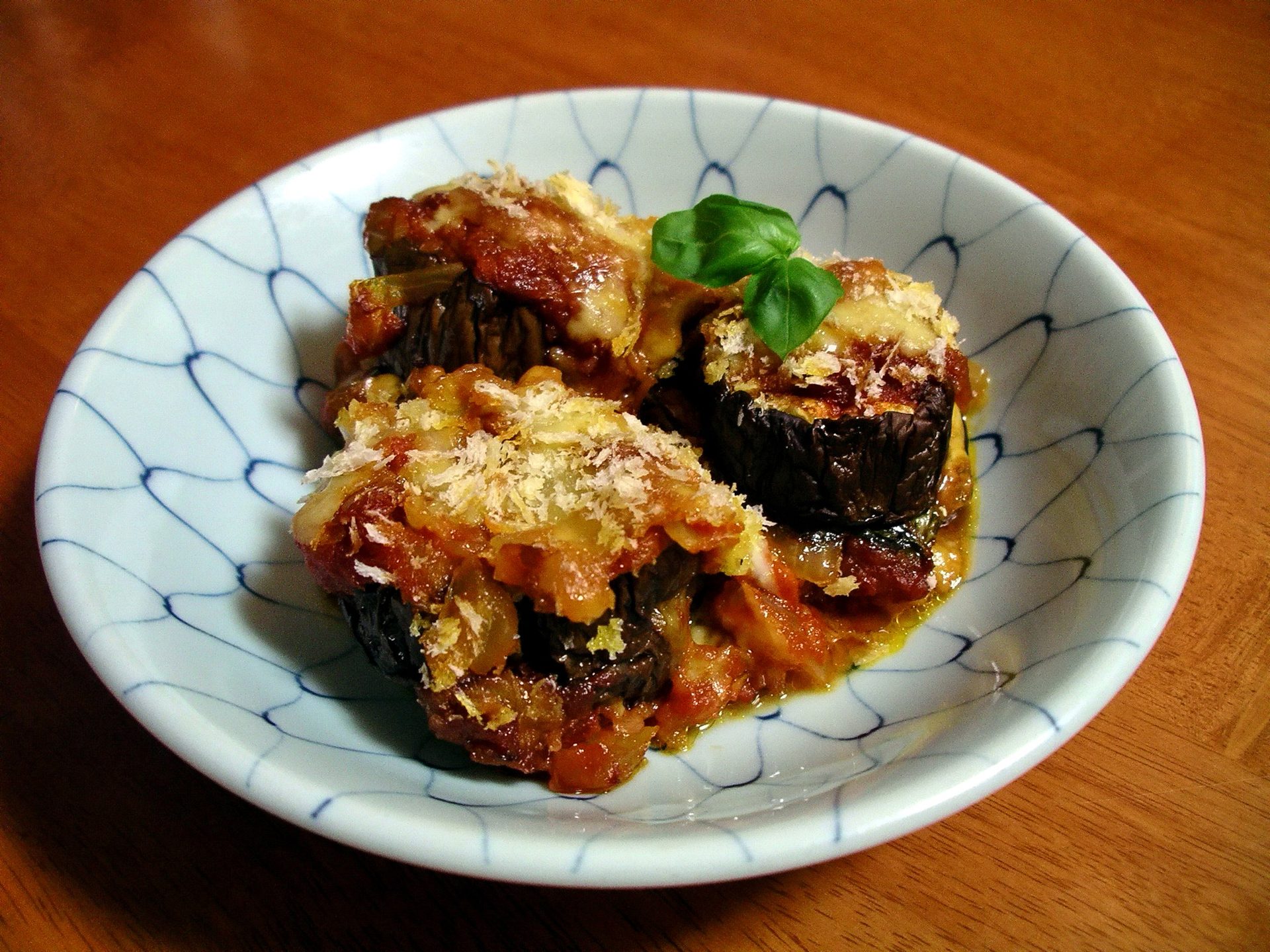
Eggplant parmesan is one of those dishes that rewards you for making a big batch. It takes real effort to bread, fry or bake the eggplant, layer in the sauce and cheese, and get everything just right — so when you do all that work, you want it to last. The good news is that freezing eggplant parmesan works well, and with the right technique, you can pull a satisfying meal out of the freezer weeks or even months later.
Whether you have a full pan of leftovers or you want to meal-prep ahead of a busy week, this guide covers every step: how freezing affects the dish, the best way to pack it up, how long it keeps, and what to do when you’re ready to eat it.
Can You Freeze Eggplant Parmesan?
One of the best things about eggplant parmesan is that you can make it in advance and store it in the freezer — it is ready whenever you need a quick weeknight dinner or have unexpected company. In fact, eggplant parmesan is considered one of the best dishes to freeze.
You have two solid options: freeze it before baking or freeze it after it has already been cooked. You can assemble the eggplant parmesan ahead of time and freeze it unbaked, then thaw and bake it before serving. Alternatively, if you have leftovers from a meal you already made, those freeze just as well.
The one non-negotiable rule: you must cook the eggplant before freezing it. If you build your eggplant parmesan with raw eggplant slices, it will not cook properly during the baking process — you will end up with soggy and flavorless eggplant.
Pro Tip: If you are making eggplant parmesan specifically for the freezer, build it in disposable aluminum pans. They go straight from freezer to oven without any extra dishes to wash.
Does Freezing Change the Texture or Taste of Eggplant Parmesan?
Freezing does affect eggplant parmesan somewhat, and it helps to know why. Eggplants contain a lot of water, and when frozen raw, this water forms ice crystals that can damage the cell structure of the vegetable — leading to a mushy texture upon thawing. Cooking before freezing mitigates this issue by partially dehydrating the eggplant.
Eggplants are notorious for absorbing oil and water, which might later dilute a frozen dish, so be sure to salt and drain them before you assemble the dish. Skipping that step is the most common reason a thawed eggplant parmesan turns out watery.
On the flavor side, the tomato sauce and cheese hold up very well to freezing. Freezing preserves the freshness of the tomatoes and the rich flavor of the golden brown eggplant. Most home cooks find that a well-assembled, properly wrapped eggplant parmesan tastes very close to fresh after reheating.
Use only the freshest ingredients and avoid recipes that call for ricotta or cottage cheese, because these do not freeze particularly well. Stick with mozzarella and parmesan for the best results after freezing.
How to Freeze Eggplant Parmesan the Right Way
Good preparation before the dish goes into the freezer makes all the difference. Follow these steps whether you are freezing it unbaked or as leftovers.
Step 1: Salt and Drain the Eggplant
Cut the eggplant into half-inch thick slices. Generously sprinkle salt over the slices and let them rest for 30 minutes. This draws out excess moisture, preventing the eggplant from becoming soggy after freezing.
Step 2: Cook the Eggplant First
Fry or bake the eggplant slices until golden brown, then drain on paper towels to remove excess oil. The key to freezing eggplant parmesan successfully lies in using high-quality ingredients. Choose firm eggplants with smooth skin and no blemishes, and avoid eggplants that are too ripe or have soft spots, as they will yield a mushy texture after freezing.
Step 3: Assemble in a Freezer-Safe Dish
Whatever you choose to build your eggplant parmesan in, make sure it is an oven-safe and freezer-safe container. Coat the bottom of the pan in tomato sauce, then place your cooked eggplant on top — whether fried and breaded slices or baked eggplant rounds. Add cheese, repeat the layers, and finish with sauce and cheese on top.
Step 4: Cool Completely Before Freezing
Cool the dish completely before freezing. Putting a warm dish directly into the freezer raises the temperature inside and can create excess condensation, which leads to ice crystals and a watery texture when reheated.
Step 5: Wrap It Tightly
Cover tightly with plastic wrap, followed by foil. Having an airtight container will keep the eggplant parmesan from getting freezer burn. For extra protection, you can also slide the wrapped pan into a large zip-top freezer bag before placing it in the freezer.
Label the top with the date and meal name so you always know exactly what is in the dish and when it was frozen.
Pro Tip: Freeze individual portions by cutting a fully baked and chilled eggplant parmesan into serving sizes, wrapping each piece separately in plastic wrap, and storing them in a zip-top freezer bag. This way you can pull out exactly what you need without thawing the whole pan.
How Long Can You Freeze Eggplant Parmesan?
Store eggplant parmesan in the freezer for up to 3 months for the best quality. Some sources allow for a longer window: you can keep it in the freezer for 6 to 9 months, and it can be kept longer if stored in a deep freezer.
Frozen cooked eggplant can last in the freezer for eight to twelve months. However, for the best quality, try to use it within a few months — the longer it is stored, the more its texture and flavor can degrade.
As a practical rule, aim to use frozen eggplant parmesan within three months for the most satisfying result. Freshness and quality at the time of freezing affect the condition of frozen foods. If frozen at peak quality, thawed foods emerge tasting better than foods frozen near the end of their useful life.
| Storage Method | How Long It Lasts | Quality Notes |
|---|---|---|
| Refrigerator (cooked) | 3–4 days | Best texture; eat promptly |
| Freezer (best quality) | Up to 3 months | Flavor and texture well preserved |
| Freezer (maximum safe) | 6–9 months | Safe but quality may decline |
| Deep freezer | Up to 12 months | Use within a few months for best results |
How to Thaw Frozen Eggplant Parmesan
How you thaw eggplant parmesan is just as important as how you prepare and freeze it. You have a few options depending on how much time you have.
Refrigerator thawing (recommended): Remove the eggplant meal from the freezer the night before and put it in the fridge. Refrigerator thawing takes the longest but the leftovers stay safe the entire time. Once thawed, bake according to your recipe instructions.
Bake from frozen (no thaw needed): You can also bake it while it is still frozen. In either case, remove the plastic wrap and take off the lid or aluminum foil. You need a preheated oven set at 400 degrees Fahrenheit. Expect to add about 20 to 30 extra minutes to your usual bake time. Raw or cooked casseroles can be cooked or reheated from the frozen state; it will take approximately one and a half times as long to cook.
Avoid room-temperature thawing: Do not thaw the casserole at room temperature. Thawing any frozen food on the countertop or in the sink is a risky choice because the outside of the food thaws before the interior, raising the temperature of the food. When food sits at temperatures between 40 and 140°F, bacteria multiply rapidly, increasing the risk of foodborne illness.
Important Note: After thawing eggplant parmesan in the refrigerator, the USDA advises using it within 3 to 4 days for food safety.
Can You Refreeze Eggplant Parmesan After Thawing?
This is a common question, and the answer depends on how you thawed it. According to the USDA Food Safety and Inspection Service , once food is thawed in the refrigerator, it is safe to refreeze it without cooking, although there may be a loss of quality due to the moisture lost through thawing.
If previously cooked foods are thawed in the refrigerator, you may refreeze the unused portion. Freeze leftovers within 3 to 4 days. Do not refreeze any foods left outside the refrigerator longer than 2 hours — or 1 hour in temperatures above 90°F.
That said, refreezing eggplant parmesan is not ideal from a quality standpoint. Each freeze-thaw cycle pulls more moisture out of the eggplant, making it softer and more watery when reheated. A better approach is to freeze in individual portions from the start, so you only thaw what you plan to eat. If a large container of leftovers was frozen and only a portion of it is needed, it is safe to thaw the leftovers in the refrigerator, remove the needed portion, and refreeze the remainder of the thawed leftovers without reheating it.
How to Use Frozen Eggplant Parmesan (Best Uses After Freezing)
Frozen eggplant parmesan is more versatile than you might expect. Here are the best ways to put it to use once it comes out of the freezer.
- Classic reheated dinner: Thaw overnight in the refrigerator, then bake covered at 350°F for 35 to 40 minutes until heated through. Remove the foil for the last 10 minutes to re-crisp the top layer of cheese.
- Weeknight pasta topper: Reheat individual slices and serve over spaghetti or penne with extra marinara. Check out what to serve with eggplant parmesan for more pairing ideas.
- Eggplant parm sandwich: Reheat a single portion and tuck it into a hoagie roll with extra mozzarella. Run it under the broiler for two minutes to melt the cheese.
- Layered bake with pasta: Chop thawed eggplant parmesan into chunks and fold it into cooked pasta with extra sauce. Bake until bubbly for a quick baked ziti-style dish.
- Microwave lunch: Individual portions reheat well in the microwave on medium power in 90-second intervals. It may be a little bit more soft heated in the microwave than it is heated in the oven.
Eggplant parmesan is a satisfying meatless main that pairs well with many side dishes. If you are looking for more inspiration, whole plant-based foods make excellent accompaniments for a balanced meal. Eggplant itself is also a nutritious vegetable — learn more about superfoods for a healthy heart and how vegetables like eggplant fit into a heart-smart diet.
Signs That Frozen Eggplant Parmesan Has Gone Bad
Frozen food stays safe indefinitely at 0°F, but quality does decline over time. Although frozen eggplant parmesan will stay safe indefinitely in the freezer, the quality begins to decline after you freeze it. Here is what to look for before you reheat it.
- Freezer burn: Gray or white dry patches on the surface of the dish are a sign of freezer burn. The food is still safe to eat, but the burned areas will taste dry and papery. Cut them away before reheating. The dish may not have been wrapped tightly enough, causing freezer burn.
- Off smell after thawing: A sour or unpleasant odor once thawed is a sign that something has gone wrong. Do not taste it to check — discard it.
- Unusual color changes: The dulling of color in frozen vegetables and cooked foods is usually the result of excessive drying due to improper packaging or over-lengthy storage. Some fading is normal, but a dramatically grayish or discolored dish suggests it has been stored too long.
- Watery or mushy texture after reheating: If the eggplant turns completely mushy and the dish is swimming in liquid, it was likely not salted and drained properly before freezing, or it was stored well past its quality window.
- Mold: Any visible mold means the dish should be thrown out immediately, even if only a small spot is visible.
Important Note: The USDA advises that you should never taste food to determine its safety. If you are unsure whether frozen food is still good, it is always safer to discard it.
Frequently Asked Questions
Can You Freeze Eggplant Parmesan Before Baking?
Yes. You can assemble the eggplant parmesan ahead of time and freeze it unbaked. Thaw and bake it before serving. Just make sure the eggplant is cooked (fried or baked) before you assemble the layers — raw eggplant will not cook through properly during baking after being frozen.
Can You Freeze Eggplant Parmesan After Baking?
Absolutely. To minimize bacterial growth, freeze eggplant parmesan at 0°F within two hours of baking it. Wrap the casserole tightly in plastic wrap or place it in a plastic freezer bag or box. Write the date on the package and use it within three to four months.
How Do You Reheat Frozen Eggplant Parmesan Without It Getting Soggy?
The oven is your best friend here. Thaw the dish overnight in the refrigerator, then bake it covered at 350°F until heated through, removing the cover for the last 10 minutes. Bake covered at 350°F for 60 to 75 minutes until cooked through if starting from frozen. The uncovered finish time lets steam escape and the cheese crisp back up.
Does Eggplant Parmesan Freeze Better Than Lasagna?
They are comparable, but eggplant parmesan has a slight edge when made without ricotta. You can freeze almost any baked casserole, including eggplant parmesan, though freezing can affect the quality of the dish. Use only the freshest ingredients and avoid recipes that call for ricotta or cottage cheese, because these do not freeze particularly well.
Can You Freeze Individual Portions of Eggplant Parmesan?
To freeze individual portions, refrigerate the leftovers overnight so that they set up well. Then cut them into individual serving sizes and wrap each one in good quality plastic wrap before freezing. Store the wrapped portions in a zip-top freezer bag for extra protection against freezer burn.
Is Eggplant Parmesan Healthy?
Eggplant is a low-calorie vegetable with a good amount of fiber and antioxidants. When baked rather than fried and paired with a light tomato sauce, it fits well into a balanced diet. You can explore more about powerful nutrients in foods and how plant-based vegetables contribute to overall wellness. For a broader look at healthy eating, the foods for healthy skin guide is also worth a read, since many of the same antioxidant-rich ingredients overlap.
How Long Does Thawed Eggplant Parmesan Last in the Fridge?
Refrigerator thawing keeps the leftovers safe the entire time. After thawing, the food should be used within 3 to 4 days or can be refrozen. Do not let it sit in the fridge longer than that before reheating.