
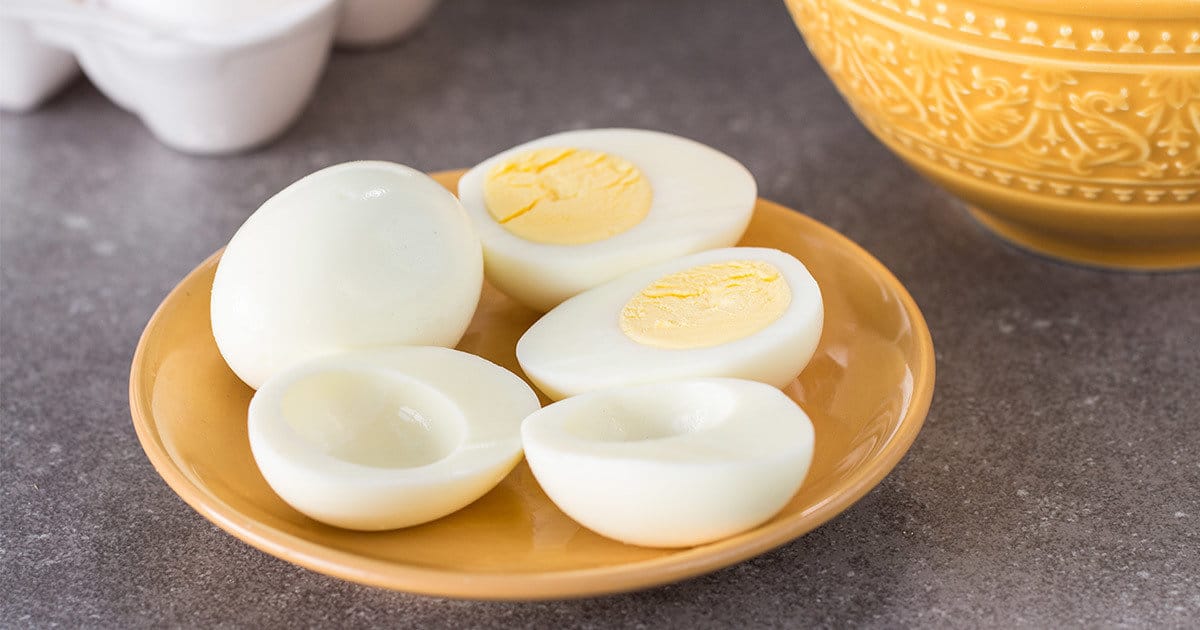
Egg whites are one of the most freezer-friendly foods in your kitchen. Whether you just made a batch of hollandaise sauce, a custard, or homemade ice cream and ended up with a pile of leftover whites, you do not have to scramble to use them up within a few days.
Freezing egg whites is a practical, low-effort way to cut food waste and keep a ready supply on hand for baking, cooking, and more. This guide walks you through everything — from how to freeze them correctly to how to tell when they have gone bad.
Can You Freeze Egg Whites?
According to the USDA, “It is safe to freeze eggs after removing them from their shells.” You can freeze whites and yolks separately for up to 12 months. So yes, freezing egg whites is not only safe but also one of the easiest food storage moves you can make.
Egg whites are genuinely one of the easiest and most reliable foods to freeze. Unlike many foods that suffer texture damage from freezing, egg whites freeze and thaw without meaningful quality loss for most applications.
The key is to freeze only raw, separated egg whites — not cooked ones. According to EatingWell, you should avoid freezing cooked egg whites because they will inevitably develop a rubbery consistency once they have been defrosted. Stick to raw whites, and you will be in great shape.
Pro Tip: Freeze egg whites in individual portions so you can thaw only what you need. One large egg white equals about 2 tablespoons, which makes measuring for recipes easy.
Does Freezing Change the Texture or Taste of Egg Whites?
Freezing egg whites does not result in a noticeable change in taste or texture. This is one of the reasons they are so much easier to freeze than egg yolks, which require special treatment before going into the freezer.
There is one minor trade-off worth knowing about. Egg whites will lose a little of their foaming power after being frozen, but will beat to their best volume if they rest at room temperature for 30 minutes. For most everyday recipes, this difference is barely noticeable.
Thawed frozen egg whites do lose at least some of their capacity to stiffen up when whipped. They might not be as reliable for a meringue or an angel food cake, but will be perfectly suitable for more forgiving desserts such as chocolate mousse — or a low-cal egg white omelet. Keep that in mind when planning which recipes to use them in.
Taste is not a concern. Freezing is unlikely to affect the flavor of raw or cooked frozen eggs. Your thawed whites will taste just as clean and neutral as fresh ones.
How to Freeze Egg Whites the Right Way
The process takes just a few minutes. The biggest decision is whether to freeze your whites in individual portions or in bulk. Portioning by the white makes future measuring effortless, especially when a recipe calls for a specific count.
Method 1: Ice Cube Tray (Recommended)
- Freeze only clean, fresh eggs. Break and separate the eggs one at a time, making sure that no yolk gets into the whites.
- Pour whites into an ice cube tray, one white per compartment. One large egg white is approximately 2 tablespoons.
- Place the ice cube trays in the freezer overnight, or until completely frozen. Once solid, transfer them to a resealable freezer bag (labeled and dated).
- Clearly label the container with the freezing date. Write the number of whites on the bag as well so you know exactly what you have.
Method 2: Freezer Bag (Bulk)
- Separate your egg whites into a clean, grease-free bowl.
- Simply transfer the whites to a resealable freezer bag, label and date it, and freeze it flat. You might want to write this formula on the outside of the bag: 2 tablespoons egg whites = 1 large egg white.
Pro Tip: Keep your freezer bag away from strongly aromatic foods. Egg whites absorb surrounding odors easily. Store them in a sealed container away from onions, fish, or anything strongly aromatic.
How Long Can You Freeze Egg Whites?
| Storage Method | Maximum Time | Best Quality By |
|---|---|---|
| Frozen raw egg whites | 12 months | 3–6 months |
| Refrigerated raw egg whites | 4 days | Use promptly |
| Unopened liquid egg white carton (frozen) | 3 months from use-by date | Use before use-by date |
According to the USDA Food Safety and Inspection Service (FSIS), you can freeze eggs for up to one year. That said, quality does degrade over time.
When frozen and stored properly, egg whites can maintain their quality for quite some time. Generally, frozen egg whites can last up to 12 months in the freezer. For optimal taste and texture, it is recommended to use them within the first 3 to 6 months.
Fresh egg whites can be safely frozen for up to a year, but are best when used within 2 months. If you bake regularly, a two-month rotation is a smart habit — freeze, use, and replenish.
How to Thaw Frozen Egg Whites
Thawing egg whites safely is straightforward. The refrigerator method is best for food safety, but a couple of faster options work well when you need them in a hurry.
- Refrigerator overnight: Transfer from freezer to refrigerator to thaw slowly. Allow the egg whites to thaw in the refrigerator for several hours or overnight. This gradual process helps maintain the quality of the egg whites.
- Cold running water: Thaw frozen egg whites under cold running water to keep them safe. This works well when you are short on time.
- Counter thaw (small quantities): Thaw egg whites on the counter — or in a larger container of warm water if you are in a hurry. Only do this for small amounts you plan to use immediately.
Once thawed, give the whites a moment before using them for whipping. Thawed egg whites will beat to better volume if you allow them to sit at room temperature for about 30 minutes.
Important Note: Never leave egg whites at room temperature for more than 2 hours. The FDA 2-hour rule applies.
Can You Refreeze Egg Whites After Thawing?
No — refreezing thawed egg whites is not recommended. Avoid refreezing thawed egg whites, as this can affect their texture and quality.
Eggs should only be frozen once, so only thaw what you need, and toss any thawed eggs that you are not able to use within 24 hours. This is exactly why portioning your whites before freezing pays off — you can pull out one cube at a time and leave the rest undisturbed.
Use thawed egg whites within 24–48 hours and never refreeze them. If you are unsure how many you will need, err on the side of thawing fewer and pulling more as needed.
How to Use Frozen Egg Whites (Best Uses After Freezing)
Thawed egg whites work well in a wide range of recipes. The slight reduction in foaming power matters most in applications that depend on maximum volume and structure, so it helps to know where they shine and where fresh whites have an edge.
Best Uses for Thawed Egg Whites
- Baked goods: Muffins, quick breads, and plant-based recipes that call for egg whites as a binder work great with thawed whites.
- Egg white omelets and scrambles: Thawed whites cook up just like fresh for a high-protein breakfast.
- Frittatas and quiches: An opened carton of liquid egg whites should be used to make a frittata, quiche, egg cups, or baked goods. The same logic applies to thawed frozen whites.
- Chocolate mousse and souffles: These recipes are forgiving enough that the small loss in whipping capacity is not a problem.
- Glazes and royal icing: Thawed whites work well for cookie glazes and decorating icing.
- Candied nuts: A classic American holiday treat that uses egg whites as a coating — thawed whites handle this perfectly.
Recipes That Benefit From Fresh Whites
Egg whites that have been frozen or refrigerated after they have been separated lose moisture, and their proteins begin to deteriorate so they do not expand as much. For recipes where maximum lift is critical, fresh whites deliver more reliable results.
- French macarons (where “feet” and a stable shell are essential)
- Tall, high-rise angel food cake
- Swiss or Italian meringue that requires stiff, glossy peaks
- Pavlova with a crisp exterior
Key Insight: If you do use thawed whites for meringue or angel food cake, let them come fully to room temperature and add a pinch of cream of tartar to help stabilize the foam. Results vary, but many home bakers report success with this approach.
Signs That Frozen Egg Whites Have Gone Bad
Knowing when to toss your frozen whites protects you from foodborne illness. Here are the signs to watch for after thawing.
| Sign | What It Means | Action |
|---|---|---|
| Pink, dark brown, or pearly discoloration | Bacterial spoilage | Discard immediately |
| Yellowish or greenish tint | Spoilage or contamination | Discard immediately |
| Sour or off odor | Bacterial growth | Discard immediately |
| Slimy or unusually gelatinous texture | Spoilage | Discard immediately |
| Freezer burn (dry, icy patches) | Improper sealing; quality loss | Discard for best results |
When egg whites change from their usual clear and translucent appearance to a pinkish, dark brown, or pearly tint, that is a strong sign they have spoiled. Discoloration signals spoilage and means you should discard them immediately.
If you detect any foul odor, discoloration, or sliminess, discard them to avoid foodborne illness risks linked to spoiled egg whites.
A distinctly slimy or gelatinous texture that seems wrong compared to fresh whites also indicates spoilage. When in doubt, throw it out — egg whites are inexpensive enough that it is never worth the risk.
If you do not store egg whites properly, bacteria can quickly multiply and cause spoilage. When egg whites sit out too long at room temperature or are not refrigerated promptly, harmful bacteria thrive, increasing the risk of food poisoning. Proper airtight storage and labeling with a date are your best defenses.
Frequently Asked Questions
How long do egg whites last in the refrigerator before freezing?
Since egg whites only last about 4 days in the fridge, freezing them is a smart way to prolong their shelf life. If you know you will not use them within a few days, move them to the freezer right away.
Can you freeze egg whites from a carton?
Although they are best when prepared right out of the carton, organic liquid egg whites can be frozen to extend their shelf life. A sealed, unopened carton can be frozen for up to 3 months from the use-by date.
Do you need to do anything special to egg whites before freezing?
No special preparation is needed. Egg whites are the easiest to store. Just freeze them in clean, grease-free containers; you can thaw and use them in any recipe that calls for egg whites. Unlike egg yolks, they require no added salt or sugar.
Can frozen egg whites be used in cocktails?
Thawed egg whites are best used in things you intend to cook, so leave them out of your cocktails. For drinks like a whiskey sour or Ramos gin fizz, fresh egg whites give you the cleanest foam and the best result.
How many egg whites fit in one ice cube tray compartment?
One large egg white is approximately 2 tablespoons, so one white fits neatly into a standard ice cube tray compartment. This makes it easy to grab exactly the number you need for any recipe without thawing more than necessary.
Is it safe to eat egg whites that have been frozen for over a year?
They may still be technically safe if stored properly, but quality will have declined noticeably. Frozen egg whites can last up to 12 months in the freezer, but for optimal taste and texture it is recommended to use them within the first 3 to 6 months. For the best results, use a first-in, first-out rotation and label every bag with a date.
Freezing egg whites is one of the simplest, most effective food storage habits you can adopt. Whether you are saving leftovers from a yolk-heavy recipe or stocking up when eggs are on sale, a well-labeled freezer bag of egg whites is a reliable shortcut for your next baking project. For more tips on making the most of nutritious foods, check out our guides on whole plant-based foods and superfoods for a healthy heart.