Can You Freeze Blueberries in a Plastic Container? (Yes — Here’s How)

November 9, 2026
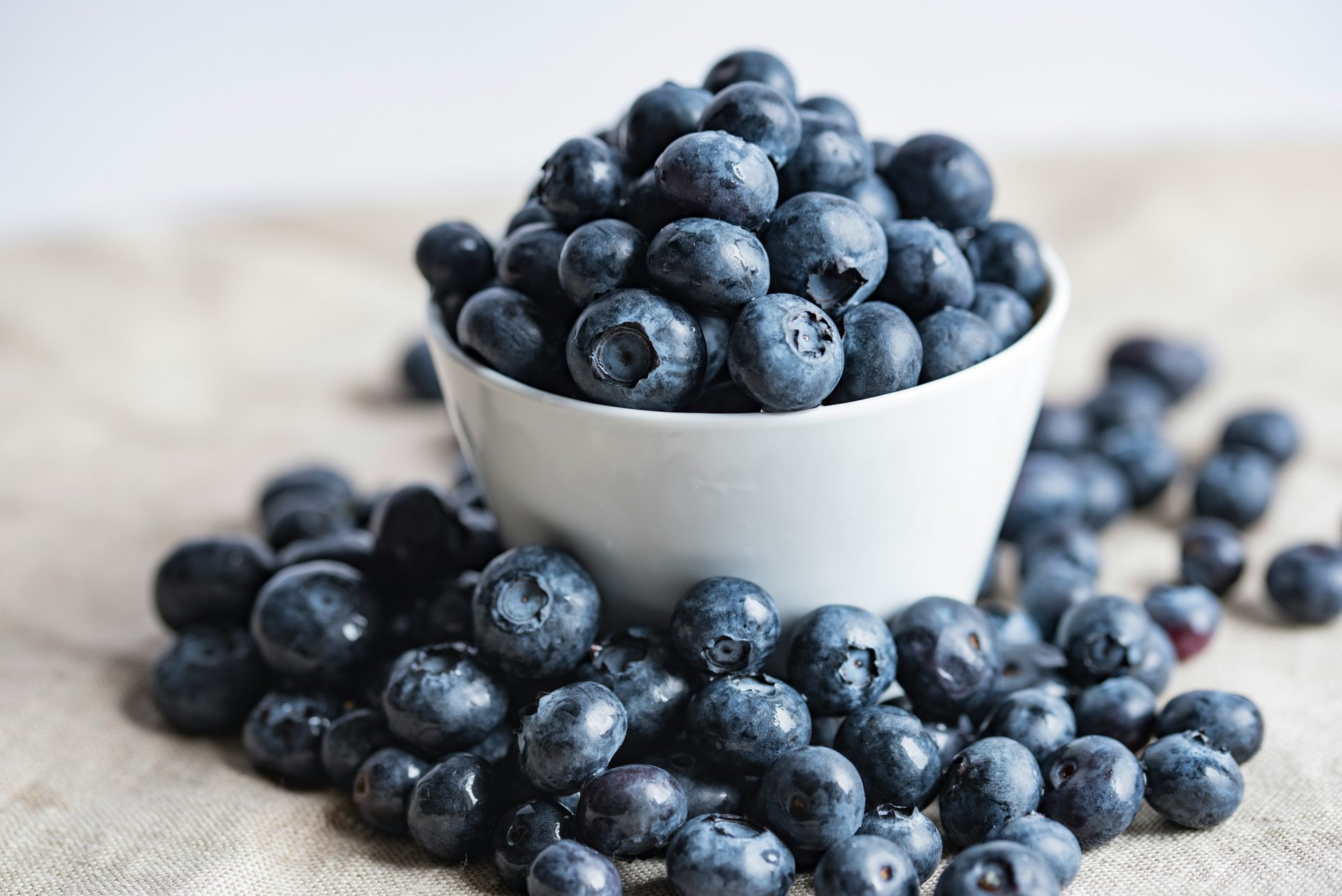
Blueberries are one of the easiest fruits to freeze, and if you’ve ever come home from a U-pick farm or grabbed a flat at Costco, you know how fast they pile up. The good news: freezing them takes about five minutes of active effort and keeps them usable for months.
The short answer to whether you can freeze blueberries in a plastic container is yes — with one important caveat about which type of plastic container you use and how you prep the berries first. Get those two things right, and you’ll have a steady supply of blueberries for smoothies, muffins, and oatmeal well past peak season.
This guide walks you through everything you need to know, from container choice and step-by-step freezing instructions to thawing, refreezing, and spotting spoilage.
Can You Freeze Blueberries?
Blueberries (Vaccinium corymbosum) freeze exceptionally well compared to most other fruits. The frozen berries still taste delicious and maintain antioxidants and nutrients just fine when frozen. That makes freezing one of the smartest ways to preserve a seasonal haul without any special equipment or canning knowledge.
You can freeze blueberries in plastic containers, and different containers can preserve them for longer periods of time. If your blueberries came in a plastic clamshell container, you can pop them right in the freezer. Otherwise, use freezer containers or resealable plastic bags.
The main thing to avoid is a container that isn’t airtight. If it is not an airtight container, the frozen blueberries may become freezer burnt quicker. For longevity when freezing blueberries, an airtight plastic container is best. If you prefer to skip plastic altogether, you could also freeze them in large mason jars or airtight glass containers.
Pro Tip: Buy blueberries in bulk during peak summer season (June through August in most US states) when prices drop and quality is highest. Freeze them right away and you’ll have premium berries through winter at a fraction of the off-season cost.
Does Freezing Change the Texture or Taste of Blueberries?
Expect some texture change — that’s normal and unavoidable. Freezing will inherently break down the structure of berries and turn them softer. Slow freezing, often what happens in a home freezer, creates larger ice crystals. These larger crystals can rupture the cell walls of the blueberry, leading to a softer, sometimes mushy texture upon thawing.
The flavor, however, holds up very well. Frozen berries will not maintain the round and plump texture they had when they were fresh once thawed. Thawed berries are best used in baking, smoothies, and granolas. If you plan to eat them straight or use them as a fresh garnish, buy fresh. If you’re blending, baking, or cooking, frozen works just as well — sometimes better.
On the nutrition side, you’re in good shape. Freezing preserves most of these nutrients surprisingly well. Studies show that frozen blueberries retain over 90% of their original antioxidant content even after several months. Vitamins like Vitamin C may drop slightly over time, but the change is minimal if berries are kept properly frozen. Blueberries are already packed with antioxidants that support heart health and cancer-fighting nutrients, and freezing doesn’t significantly diminish those benefits.
Key Insight: The quality of berries going into the freezer determines the quality coming out. Pick out any that are shriveled, too soft, or still green-ish. If the berries aren’t high quality going into the freezer, they won’t be any better coming out.
How to Freeze Blueberries the Right Way
The most common mistake is dumping blueberries straight into a bag or container and tossing them in the freezer. If you try freezing them directly in zip-top bags or plastic storage containers, your berries will freeze into one big lump and you won’t be able to separate them until they’ve defrosted. The fix is a simple two-stage process called flash freezing.
Step 1: Sort and Dry the Berries
Pick through the berries and remove any bruised, moldy, or otherwise damaged fruit, as well as any rogue stems and remnants of flower buds. Do not wash the berries at this time. For optimal freezer time, make sure you do not wash the blueberries prior to freezing, as this removes the protective “bloom” layer and can dehydrate the blueberries.
If you do prefer to wash them — for example, if they came from a store and you’re unsure about pesticide residue — that’s fine. Every year the Environmental Working Group (EWG) publishes a list of the fruits and vegetables that contain the most pesticide residue, called the Dirty Dozen. Blueberries pop off and on this list, so it’s a good idea to wash your blueberries. Just make sure they are completely dry before freezing. Make sure they are completely dry, otherwise ice crystals may form.
Step 2: Flash Freeze on a Baking Sheet
Line a rimmed baking sheet with a piece of parchment. Spread your dry berries onto the parchment in a single layer. Do not pile them up — it’s a lot better to do multiple batches of berries instead of layering them too thickly.
Place the sheet pan in the freezer and freeze for about an hour (time will vary depending on amount and size of berries, and may take anywhere from 30 minutes to 3 hours). You’ll know they’re ready when each berry is frozen solid and rolls freely on the pan.
Step 3: Transfer to an Airtight Container
Once the berries are completely frozen, spoon or dump the berries into an airtight container: a plastic freezer bag, silicone bag, or tempered glass container. If using a bag, remove extra air from the bag before sealing — this will prevent freezer burn issues.
If you’re concerned about freezer burn, you’ll want to double-wrap your blueberries. That could mean two plastic freezer bags or it could be one bag placed inside a container. Ensure that you properly label each bag or container with the date before adding them to the freezer.
| Container Type | Airtight? | Space Efficiency | Expected Quality Window |
|---|---|---|---|
| Original plastic clamshell | No (vented) | Good | 1–3 months |
| Airtight plastic freezer container | Yes | Good | 6–10 months |
| Zip-top freezer bag (air removed) | Yes | Excellent (lay flat) | 6–10 months |
| Vacuum-sealed bag | Yes (best) | Excellent | 12–24 months |
| Glass freezer jar (straight-sided) | Yes | Moderate | 6–10 months |
How Long Can You Freeze Blueberries?
Blueberries that are properly frozen and in airtight containers can last anywhere from 6 to 12 months in the freezer. Proper preparation and storage containers can affect the freezing duration of the blueberries. For the best eating experience, aim to use them within that window.
Blueberries can stay frozen for up to 10–12 months if stored properly in an airtight container. However, their quality in terms of texture and flavor is best within the first 6 months. Over time, freezer burn can occur, affecting their taste and appearance.
If you invest in a vacuum sealer, you can push that timeline significantly further. For longer storage, vacuum seal the berries. This method works incredibly well, and berries can stay fresh for up to 2 years this way. To maximize the life of your frozen blueberries, keep your freezer at a consistent, low temperature of 0°F (–18°C) or lower.
Important Note: Use your frozen blueberries within 10 months for best results, according to Blueberry.org , the U.S. Highbush Blueberry Council’s consumer resource. Label every bag with the freeze date so nothing gets lost at the back of the freezer.
How to Thaw Frozen Blueberries
How you thaw blueberries matters almost as much as how you freeze them. The refrigerator is always your best option. The best method for thawing frozen berries is in the refrigerator. To minimize mushiness, thaw the berries in the refrigerator rather than at room temperature or in the microwave.
For most uses, you don’t need to thaw at all. Frozen berries can be added directly to smoothies, or if you need to thaw them, running them under warm water will quickly defrost them. When adding them to muffin or pancake batter, toss them in still frozen — this actually helps prevent the berries from bleeding color into the batter.
If you thaw a batch, use it up quickly. Once thawed, blueberries are best consumed within three to five days. After this period, their quality may start to decline, and they may become more susceptible to bacterial growth.
- Refrigerator thaw: Place in a covered bowl in the fridge for 6–8 hours or overnight — best for preserving texture
- Cold water rinse: Run under cold water for 1–2 minutes — good for baking use
- Use frozen: Add directly to blenders, oatmeal, or batter — no thawing needed
- Microwave: Works in a pinch for sauces or jams, but expect a very soft result
Can You Refreeze Blueberries After Thawing?
Technically yes, but it’s generally not a good idea. If food is thawed in the refrigerator, the National Center for Home Food Preservation (NCHFP) says it can be safely refrozen, but there will usually be noticeable quality loss. For blueberries specifically, that quality loss is hard to ignore.
Refreezing blueberries can result in a softer, mushier texture. This is due to the ice crystals that form during freezing, which rupture the cell walls of the berries. The texture change is more noticeable after multiple cycles of freezing and thawing.
Once blueberries have been thawed, they should not be frozen again. Refreezing promotes water loss, texture breakdown, and even microbial risk. Always thaw only what you need, and refrigerate leftovers for no more than 48 hours. The smarter approach is to freeze in smaller, portion-sized containers so you only pull out what you’ll actually use.
How to Use Frozen Blueberries (Best Uses After Freezing)
Frozen blueberries are incredibly versatile, and for most cooked or blended applications, you won’t notice any difference from fresh. You can use frozen blueberries instead of fresh ones in almost every favorite blueberry recipe. The softer post-freeze texture actually works in your favor for several uses.
Blueberries are also one of the most nutrient-dense fruits you can keep on hand. They contain antioxidants that may support hormonal and reproductive health, and they’re worth including as part of a broader approach to healthy skin nutrition and liver-supportive eating.
Here are the best ways to put your frozen stash to work:
- Smoothies: Add directly from the freezer — no thawing needed. They act as both fruit and ice.
- Muffins and quick breads: Fold in frozen (not thawed) to prevent color bleeding into the batter.
- Pancakes and waffles: Drop a few onto the batter right on the griddle for even distribution.
- Oatmeal and overnight oats: Add frozen berries to overnight oats for a macro-friendly breakfast or snack.
- Yogurt bowls: Top plain yogurt with frozen berries and honey or granola.
- Sauces and compotes: Simmer thawed or frozen berries with a little sugar and lemon juice for a quick topping.
- Frozen snack: Eat them straight from the freezer as the perfect frozen snack or treat.
- Blueberry jam: Make your own blueberry jam, preserves, or compote when your freezer is getting full.
Pro Tip: When baking with frozen blueberries, toss them in a tablespoon of flour before folding into batter. This helps them stay suspended in the batter rather than sinking to the bottom during baking.
Signs That Frozen Blueberries Have Gone Bad
Frozen blueberries don’t go bad quickly, but they can decline in quality or develop safety issues if stored poorly or kept too long. Knowing what to look for protects both your health and your recipes.
Check for freezer burn, ice buildup, off-smells, and color changes. If any of these are present, it’s best to discard them. Here’s a breakdown of what each sign means:
- Freezer burn (white, icy patches): Freezer burn happens when moisture escapes from the berry surface due to air exposure or loose packaging. Proper airtight packaging and stable temperatures help prevent this issue. Mildly freezer-burned berries are safe but taste bland and papery.
- Mold: Look for any signs of mold, discoloration, or excessive sliminess. Mold can appear as fuzzy patches of white, green, or black. Discard the entire container if you see mold — don’t try to pick around it.
- Off smell: Odor plays a crucial role in detecting spoilage. Fresh blueberries have a mildly sweet aroma, while spoiled ones develop a sour or fermented smell. Trust your senses — if they smell off, it’s best to discard them.
- Excessive sliminess after thawing: Thawed blueberries should not be excessively mushy or disintegrating. If the blueberries feel slimy or sticky to the touch, it’s a sign of spoilage.
- Unusual discoloration: Significant browning or fading beyond normal color variation is a sign the berries have deteriorated. The USDA’s Kitchen Companion says to discard foods with unusual odor, color, or texture, and never taste food to determine its safety.
A large clump of berries frozen together is not a spoilage sign — it just means they weren’t flash-frozen first or got wet before freezing. When frozen correctly, blueberries will pour freely, like marbles. Wet berries freeze in a clump. It’s best to dry them well before freezing.
Frequently Asked Questions
Can You Freeze Blueberries Without Washing Them First?
Yes. You actually do not have to wash blueberries before freezing due to a protective coating they contain. Blueberries are covered with a waxy bloom that helps naturally protect them against insects and bacteria. If you bought them from a store and are concerned about pesticide residue, wash and thoroughly dry them before freezing.
Can You Freeze Blueberries in the Original Store Container?
The plastic container that the blueberries come home from the store in can be used. However, if it is not an airtight container, the frozen blueberries may become freezer burnt quicker. The original clamshell is fine for a short-term freeze of a month or two, but transfer to an airtight container for longer storage.
Do Frozen Blueberries Still Have Nutritional Value?
Yes. While the texture changes, the nutritional value remains largely intact. Blueberries are rich in vitamins C and K, fiber, and anthocyanins. They’re a solid addition to a whole plant-based diet and work well as part of a nutrient-rich eating routine.
How Do You Prevent Frozen Blueberries From Clumping?
Flash freeze them first. Spread dry berries in a single layer on a parchment-lined baking sheet, freeze until solid (1–3 hours), then transfer to your storage container. Adding sugar to blueberries before freezing is completely unnecessary. Some feel like it helps prevent sticking and forming a giant clump, but as long as your berries are dry before placing them in the freezer, they will not stick.
Can You Use Frozen Blueberries Straight From the Freezer?
For most recipes, yes. Smoothies, oatmeal, sauces, and most baked goods work perfectly with berries added directly from the freezer. The National Center for Home Food Preservation (NCHFP) notes that frozen fruits are often eaten without cooking and that many are best when still containing a few ice crystals. Only thaw them first if your recipe specifically calls for fresh or room-temperature fruit.
How Long Do Blueberries Last in the Fridge Before Freezing?
Properly stored fresh blueberries can last 10–12 days in the refrigerator. This is especially true for fresh-picked blueberries from local farms. For best freezing results, you will want to start processing and freezing your blueberries the same day you pick them or purchase them.