
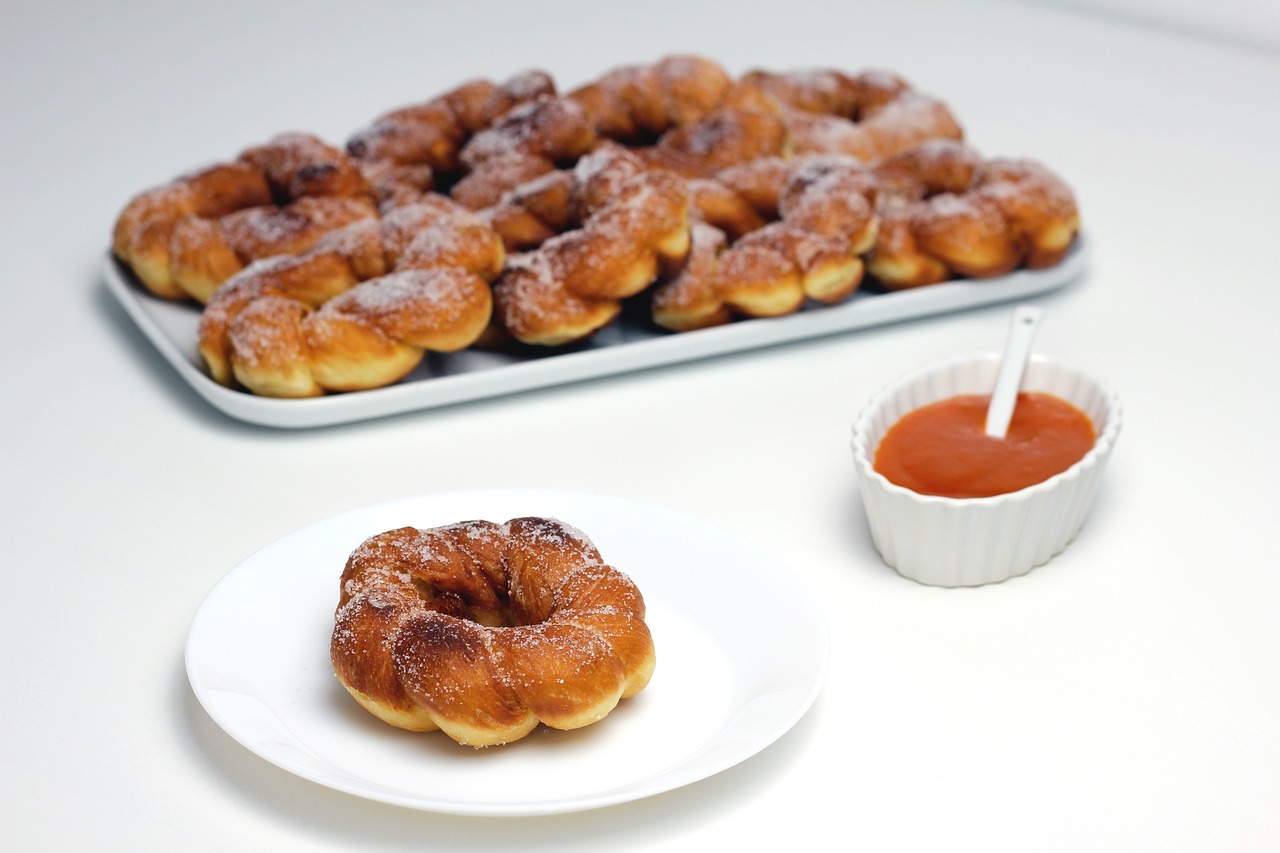
Bought a dozen donuts and can’t finish them before they go stale? You’re not alone. Yeast donuts typically last at room temperature for a couple of days, and cake donuts last only a bit longer — which means a box from your favorite local shop can turn into a stale disappointment faster than you’d expect.
The good news is that freezing is a practical solution. Donuts can be frozen, and when done correctly, they retain most of their flavor and texture. Freezing works best for plain, cake, and yeast donuts, while filled or heavily glazed donuts require extra care. Whether you picked up a dozen from Krispy Kreme, Dunkin’, or your neighborhood bakery, the same rules apply.
This guide walks you through everything — which donuts freeze well, how to pack them properly, how long they last, and what to do with them once they’re thawed.
Can You Freeze Donuts?
Yes, donuts can be frozen for up to two months, allowing you to enjoy them later on. Most sources agree the sweet spot is two to three months for the best quality. Freezing is essentially a way to pause freshness — not preserve perfection — but with proper handling, you’ll get excellent results.
Not every donut is an equally good candidate, though. Unfilled donuts without a glazed or powdered topping are best at retaining taste and texture when frozen, followed by glazed donuts. On the other end of the spectrum, cream-filled or custard-filled donuts can get soggy during the freezing and thawing process, and the fillings are likely to melt and even leak out before the dough is fully defrosted.
If you regularly grab a box from Dunkin’ and find yourself with leftovers, check out this guide on freezing Dunkin’ Donuts specifically for brand-specific tips.
Pro Tip: Freeze donuts within 12–24 hours of buying or baking them. The fresher they go in, the better they come out.
Does Freezing Change the Texture or Taste of Donuts?
Freezing mainly affects texture, not flavor. Sugar and fat hold up well in cold temperatures, so sweetness and overall taste remain intact. The bigger concern is what happens to the dough and any toppings during the freeze-thaw cycle.
Ice crystals can slightly alter softness, especially in airy yeast donuts or delicate glazes. This is why the packaging step matters so much. Slow freezing may create large ice crystals that can damage the donut’s structure. By using rapid freezing or freezers that can reach low temperatures quickly, you can eliminate the risk of large crystals forming and maintain the donut’s texture.
Here’s a quick breakdown of how common donut types hold up in the freezer:
| Donut Type | Freezes Well? | Notes |
|---|---|---|
| Plain / Unglazed | Yes — best option | Easiest to freeze and reheat; add glaze fresh after thawing |
| Glazed (Yeast) | Yes | Glaze may become slightly tacky after thawing; flavor holds well |
| Cake Donuts | Yes — very well | Denser structure freezes and thaws more reliably than yeast varieties |
| Powdered Sugar | Acceptable | Re-dust with powdered sugar after thawing for best appearance |
| Sprinkle-Topped | Acceptable with caveats | Sprinkle color may bleed into frosting during thawing |
| Jam / Jelly Filled | In a pinch | Thick filling holds up better than cream; best consumed fresh |
| Cream / Custard Filled | No | Filling separates, leaks, and turns the dough soggy |
Cake donuts, due to their denser, crumbly texture, generally freeze better than yeast donuts and maintain their quality longer. If you’re baking a batch at home and want maximum freezer-friendliness, skip the toppings and add them fresh after thawing.
How to Freeze Donuts the Right Way
The greatest threat to your donuts isn’t time or temperature — it’s air. No matter the type of donuts you plan to store, the goal is to get as much air away from them as possible. Follow these steps to do it correctly.
- Cool completely first. Never freeze warm donuts. Trapped steam turns into ice crystals and ruins texture. Let them reach room temperature on a wire rack before you touch the freezer.
- Pre-freeze glazed or frosted donuts. For frosted and glazed donuts, pre-freeze them before packing them for storage. Place them on a waxed paper-lined baking sheet and freeze for two to three hours until they’re hard. Once frozen, continue with the storage method below.
- Wrap each donut individually. Wrap each donut tightly in plastic wrap or parchment paper. This prevents freezer burn and keeps glazes intact.
- Seal in an airtight bag or container. Place wrapped donuts in a freezer bag or airtight container and remove as much air as possible. You can use a straw to suck out remaining air before sealing the bag.
- Separate layers with wax paper. Stack them in an airtight freezer bag, separating each donut with wax paper so they don’t freeze together. Adding a layer of wax paper also allows individual frozen donuts to be taken out easily when you’re ready for them to thaw.
- Label and store in the back of the freezer. Label with the date and type of donut. Store in a stable, flat area of the freezer to avoid crushing. Don’t place the donuts in the freezer door, as this area is the warmest section and is prone to temperature changes. Store them all the way at the back for a consistent temperature.
Pro Tip: If you froze unglazed homemade donuts, glaze them after reheating rather than before freezing. The fresh glaze sets beautifully on a warm donut and tastes far better than a pre-frozen one.
How Long Can You Freeze Donuts?
Donuts can be safely frozen for 2 to 3 months without significant loss of taste or texture. This timeframe allows you to enjoy your favorite donuts well after purchase or baking, reducing waste and saving money.
For the best flavor and texture, eat frozen donuts within 2 to 3 months. They remain safe to eat longer, but quality may decline. If you froze donuts that were already a couple of days old, aim to use them within the shorter end of that window — around 4 to 6 weeks — for the best results.
| Storage Method | Estimated Shelf Life | Quality Notes |
|---|---|---|
| Room temperature | 1–2 days | Best for same-day or next-day eating |
| Refrigerator | 2–3 days | Can dry out dough; use for filled donuts only |
| Freezer (plain/glazed) | 2–3 months | Best long-term option; wrap well |
| Freezer (cream-filled) | Not recommended | Filling separates and becomes watery |
Donuts should be frozen at 0°F (-18°C) or below to prevent the growth of microorganisms. Most standard US home freezers maintain this temperature, but it’s worth checking yours if you notice quality issues.
How to Thaw Frozen Donuts
Thawing donuts correctly makes a big difference in taste and texture. Rushing the process with too much heat is the most common mistake people make. Here are your best options:
Room temperature (best method): The best way to thaw frozen donuts is to let them sit at room temperature in a single layer for about 1 to 1.5 hours. This gentle thawing method helps preserve the donut’s original texture and flavor. Unwrap them before setting them out so condensation doesn’t make them soggy.
Microwave (fastest method): For best results, warm donuts in the microwave on 50% power for 10 seconds. If they aren’t warm enough, warm for seven-second increments on 50% power until heated through. Do not overheat your donuts, or you’ll end up with dry, inedible disks.
Oven (best for a batch): To defrost in an oven, preheat to 350°F. Put the donuts on a baking tray lined with parchment paper and bake for 5 minutes. Once they feel warm, remove them from the oven and eat immediately. This method is ideal if you want to heat a lot at once, but it can dry them out.
Skillet (best for glazed): This is one of the best ways to reheat the glazed variety. The dough is soft and warm, and the glaze is just as good as a freshly baked and glazed donut. Use medium-low heat and flip once.
Important Note: Heating glazed or frosted donuts at too high a temperature can cause the topping to melt. Always use low or medium-low heat and check frequently.
Can You Refreeze Donuts After Thawing?
Don’t refreeze thawed donuts — this can destroy texture. Once a donut has been thawed, the ice crystals that formed during the first freeze have already disrupted the dough structure. Freezing again compounds that damage.
When donuts are thawed, the ice crystals that formed during the freezing process melt, causing the donuts to become softer and more prone to spoilage. If you refreeze thawed donuts, the water molecules inside can reform into larger ice crystals, which can cause the donuts to become dry and unpleasant to eat.
Repeated freezing and thawing can negatively affect their texture and flavor, making them dry or tough. The practical fix is to freeze donuts in small, individual portions so you only pull out what you plan to eat. That way, you’re never tempted to refreeze what’s left over.
How to Use Frozen Donuts (Best Uses After Freezing)
Thawed donuts are great on their own, but they also shine in cooked recipes — especially if they’ve lost a bit of their original texture. After freezing, donuts work best as breakfast treats, snacks warmed in the oven, or a bread pudding base.
- Eat as-is after thawing. Plain, glazed, and cake donuts thaw well and taste close to fresh when warmed gently. If frozen and thawed donuts have lost some of their glaze, sprinkle them with powdered sugar before serving.
- Make donut bread pudding. This dessert takes your uneaten glazed donuts and turns them into a delicious treat. You can even freeze leftover donuts until you have enough to make this dessert. Aim for about 6 cups of donut pieces, soak in a custard mixture, and bake at 350°F.
- Use as a French toast casserole base. Use thawed donuts in recipes like donut bread pudding, French toast casserole, or donut croutons for salads and desserts. The slightly drier texture of a thawed donut actually helps it absorb custard better.
- Refresh the glaze. If your donut’s glaze or frosting has dulled or softened during freezing and thawing, consider refreshing it by adding a new layer of glaze, icing, or toppings. This not only enhances flavor but also improves presentation.
- Crumble as a dessert topping. Thawed cake donuts crumble easily and make a surprisingly good topping for ice cream, yogurt parfaits, or milkshakes.
Thinking about food storage beyond donuts? You might find it helpful to explore whole plant-based foods that also store well long-term, or check out foods that support healthy skin to round out your pantry with more nutritious options.
Signs That Frozen Donuts Have Gone Bad
Frozen donuts don’t last forever, and even properly stored ones can decline in quality over time. Here’s what to watch for before eating a donut that’s been in the freezer for a while:
- Freezer burn. If there’s freezer burn on your donuts, they’re technically safe to eat — but the flavor and texture will be off. To prevent freezer burn and keep food tasting fresh, make sure the donuts are completely cool before they go in the freezer. Freezer-burned spots appear as dry, white, or grayish patches on the surface.
- Off odors. Donuts stored in an open or loosely sealed bag can absorb freezer odors from other foods. Unwrapped donuts develop freezer burn and absorb odors. If your donut smells like last week’s leftovers, toss it.
- Visible mold. While a donut with mold or a foul smell is considered spoiled, a stale donut simply doesn’t taste as great the day after it’s freshly made. Mold is rare in properly frozen donuts but can appear if they were stored improperly or had moisture trapped inside before freezing.
- Extreme dryness or crumbling. Frozen donuts will keep well for up to three months. If you keep them around longer, the donuts will dry out and won’t taste as good. A donut that crumbles apart when thawed has likely been in the freezer too long.
- Separated or watery filling. For any filled donuts you may have frozen, a filling that has turned liquid, grainy, or has separated from the dough is a sign the donut has degraded beyond what reheating can fix.
Key Insight: When in doubt, use the label you wrote on the freezer bag. Donuts frozen longer than three months are unlikely to be worth eating, even if they look fine on the surface.
Frequently Asked Questions
Can you freeze store-bought donuts from chains like Krispy Kreme or Dunkin’?
Yes — the best way to freeze store-bought or copycat Krispy Kreme donuts is to seal them in an airtight package. You can follow the same steps used for any other donut. The same rules apply as with any other kind of donut — it’s best to freeze the original glazed or unglazed ones and avoid freezing the ones with filling or toppings like sprinkles.
How do you freeze donuts without ruining the glaze?
Flash freeze donuts on a baking tray before stacking them for longer-term freezing. For glazed donuts, pre-freeze them for two to three hours until the frosting is completely solid, minimizing the chance of frosting sticking to the wax paper.
Can you freeze homemade donuts before frying?
Yes. Freeze shaped but unfried or unbaked donuts on a sheet pan, then bag them. This is a great make-ahead strategy if you’re planning to fry a fresh batch for a gathering.
Is it better to freeze donuts or refrigerate them?
If you want to keep them for a month or longer, it’s best to keep them frozen. They have a longer shelf life when frozen compared to refrigerated. The refrigerator is only useful for short-term storage of filled donuts that shouldn’t be frozen.
Can you freeze a stale donut?
You can freeze a stale donut, but it won’t make it taste better. If the donuts are already stale or dry, freezing them will not improve their texture or flavor. In fact, freezing stale donuts can even accentuate their staleness, making them less enjoyable to eat. Your best bet is to use stale donuts immediately in a cooked recipe like bread pudding rather than freezing them.
Do donuts with sprinkles freeze well?
You can freeze donuts with sprinkles on top, but keep in mind they won’t look nearly as pretty once defrosted. The color from the sprinkles is likely to bleed into the frosting as they thaw. They’re still safe to eat, just less visually appealing.
Curious about how other foods store and what you should be eating more of? Explore superfoods for a healthy heart or learn about powerful nutrients and foods that fight cancer to make the most of your kitchen and pantry.